Physical Address
304 North Cardinal St.
Dorchester Center, MA 02124
Physical Address
304 North Cardinal St.
Dorchester Center, MA 02124

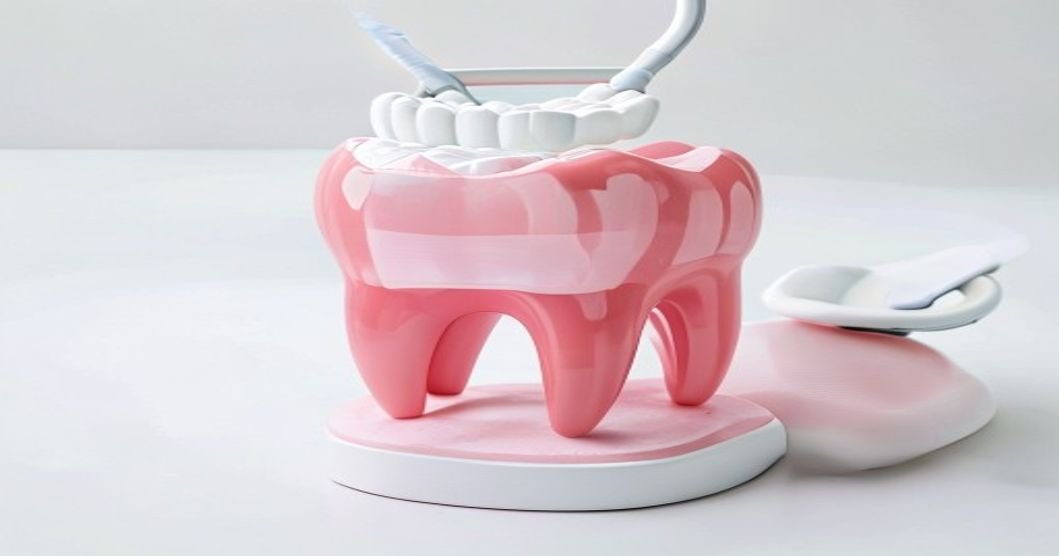
Discover everything about Tooth Extractions. Learn about realistic costs, benefits, procedure steps, and recovery to safely restore your oral health today.
Facing severe tooth pain, a fractured crown, or a problematic wisdom tooth can be a stressful experience for any patient. Fortunately, modern dentistry provides safe, predictable, and highly effective solutions to protect your overall health. When a tooth is too damaged, decayed, or impacted to be saved, Tooth Extractions become the most reliable and necessary course of action. This foundational dental procedure removes problematic teeth to prevent localized infections from spreading and to preserve your jawbone integrity. If you are facing this situation, understanding the clinical process is the first step toward a pain-free, smooth recovery.This comprehensive guide will walk you through everything you need to know about Tooth Extractions. We will explore the clinical reasons for removal, the step-by-step procedural expectations, and the realistic costs involved in 2026. You will also learn about vital recovery protocols, aftercare best practices, and how to choose the right dental professional for your specific needs. Whether you are dealing with a sudden dental emergency or planning for proactive wisdom tooth removal, this article has you covered. Read on to discover how this time-tested treatment can eliminate chronic pain, halt the spread of infection, and prepare your mouth for future restorative options like implants or bridges.
| Topic | Key Point |
|---|---|
| Procedure Duration | Simple extractions take 20 to 40 minutes, while surgical ones take 45 to 90 minutes. |
| Primary Benefits | Eliminates severe pain, halts the spread of infection, and protects adjacent healthy teeth. |
| Average Cost | Simple extractions range from $150 to $300, while surgical extractions cost $250 to $650 per tooth. |
| Insurance Coverage | Most dental plans cover 50% to 80% of the extraction cost as a basic or major service. |
| Anesthesia Options | Local anesthesia is standard, with sedation options available for complex or anxious patients. |
| Recovery Timeline | Initial healing takes 1 to 2 weeks, while complete bone remodeling takes 3 to 6 months. |
| Aftercare Priority | Protecting the blood clot is critical to prevent a painful condition known as dry socket. |
| Future Options | Extraction sites can be replaced with dental implants, bridges, or dentures to restore function. |
Tooth Extractions are a common dental procedure involving the complete removal of a tooth from its socket in the jawbone. While dentists always prioritize saving natural teeth through fillings, crowns, or root canals, extraction becomes necessary when the tooth structure is too compromised to be restored. This procedure is a vital part of comprehensive oral health care, preventing localized infections from spreading to the jawbone or bloodstream.The human mouth contains two sets of teeth: primary (baby) teeth and permanent (adult) teeth. Sometimes, primary teeth must be extracted early to prevent crowding or allow permanent teeth to erupt properly. For adults, extractions most commonly involve third molars, widely known as wisdom teeth. Because the modern human jaw is often too small, these teeth become impacted, meaning they are trapped beneath the gum line or bone.The clinical background of an extraction revolves around preserving the integrity of the surrounding oral anatomy. The root of the tooth is surrounded by the periodontal ligament, a network of fibers that acts as a shock absorber during chewing. During the extraction process, the clinician must carefully sever these fibers and gently expand the surrounding alveolar bone. This controlled expansion creates the necessary space to deliver the tooth from its socket without causing unnecessary trauma to the adjacent healthy teeth or the jawbone itself.Following the removal, the body immediately begins the healing process. A blood clot forms in the empty socket, acting as a protective barrier over the exposed bone and nerve endings. Over the following weeks, gum tissue grows over the clot, and new bone gradually fills the space. Understanding this biological process highlights why strict adherence to post-operative care instructions is absolutely essential for a smooth and complication-free recovery.
When a cavity progresses deep into the tooth and destroys a significant portion of the structure, a filling or crown may no longer be viable. If the tooth is fractured below the gum line, extraction is often the only safe option. Call your dentist promptly to prevent the decay from reaching the jawbone.
Severe gum disease destroys the bone and ligaments that support your teeth. When a tooth becomes excessively loose due to this bone loss, it cannot be saved. Schedule a prompt evaluation, as loose teeth can harbor dangerous bacteria that affect your overall systemic health.
Wisdom teeth that lack the space to erupt properly can become trapped in the jawbone or gums. This impaction often leads to cysts, infections, or damage to adjacent molars. While this may not always be an immediate emergency, it requires a scheduled consultation to plan for proactive removal.
In cases of severe dental crowding, an orthodontist may recommend extracting one or two premolars. This creates the necessary space to properly align the remaining teeth with braces or clear aligners. This is a planned procedure and can wait for your scheduled orthodontic consultation.
A dental abscess is a pocket of pus caused by a bacterial infection. If a root canal fails or is not possible, extracting the tooth is necessary to drain the infection and protect your health. Call your dentist immediately if you experience swelling, fever, or throbbing pain, as this requires urgent care.
| Item / Service | Average Cost (no insurance) | Typical Insurance Coverage | Notes |
|---|---|---|---|
| Initial Exam & Panoramic X-ray | $100 – $250 | 80% – 100% covered | Required to assess root structure and nerve proximity. |
| Simple Tooth Extraction | $150 – $300 per tooth | 50% – 80% covered | For fully erupted teeth with straight roots. |
| Surgical Tooth Extraction | $250 – $650 per tooth | 50% – 80% covered | For impacted, broken, or severely decayed teeth. |
| Wisdom Tooth Extraction (Surgical) | $225 – $600 per tooth | 50% – 80% covered | Cost increases if general anesthesia or IV sedation is used. |
| Sedation or Anesthesia Fees | $150 – $600 | Varies widely | Nitrous oxide is cheaper; IV sedation is billed separately. |
| Bone Grafting (Socket Preservation) | $300 – $600 per site | Often 50% covered | Highly recommended if you plan to get a dental implant later. |
| Post-Op Medications | $20 – $50 | Varies by pharmacy | Includes prescription pain relievers or antibiotics if needed. |
| Typical Range (per tooth) | $150 – $650+ | 50% – 80% covered | Final cost depends on complexity, location, and sedation. |
The final cost of Tooth Extractions varies significantly based on several key factors. Geography plays a major role, with urban centers and coastal cities generally charging higher fees than rural areas due to increased practice overhead. The provider’s specialty also impacts the price, as board-certified oral and maxillofacial surgeons typically charge more than general dentists for complex surgical cases. Additionally, the complexity of the extraction dictates the cost; a simple, fully erupted tooth is much less expensive to remove than a fully impacted, horizontally positioned wisdom tooth. Finally, the choice of anesthesia, such as opting for IV sedation instead of local numbing, will directly increase your out-of-pocket expense.
Dental insurance coverage for Tooth Extractions is generally robust, as removing a diseased tooth is considered a medically necessary procedure. The primary ADA procedure codes used include D7140 (extraction, erupted tooth or exposed root), D7210 (surgical removal of erupted tooth), and D7220 (removal of impacted tooth).Preferred Provider Organization (PPO) and indemnity plans typically cover extractions at 50% to 80% of the allowable fee, depending on whether the plan categorizes it as a “basic” or “major” service. Health Maintenance Organization (HMO) plans usually require a small, fixed copayment (e.g., $30 to $75) when visiting an in-network provider. Most standard plans do not have a waiting period for medically necessary extractions, though some discounted plans might impose a 3 to 6-month wait.It is highly recommended to request a predetermination of benefits before starting treatment, especially for surgical extractions or if bone grafting is recommended. This is a pre-approval process where the dentist submits the treatment plan and X-rays to the insurance company. You should request one to avoid unexpected out-of-pocket costs and confirm exactly what your plan will pay.If you do not have dental insurance, there are still several ways to make treatment affordable. Dental schools offer supervised, low-cost care performed by students or residents. Dental discount plans provide 15% to 50% off standard fees for a small annual membership. Many private practices and oral surgery clinics also offer in-house financing or partner with third-party medical credit cards like CareCredit to help you manage the cost with low or zero-interest payment plans.
A root canal involves removing the infected pulp from inside the tooth, cleaning the canals, and sealing them. It is preferred when the tooth structure is largely intact and can be saved with a crown. The average cost ranges from $800 to $1,500, plus the cost of a crown. The key tradeoff is that it is more expensive and time-consuming than an extraction, but it preserves your natural tooth, which is always the ideal clinical outcome.
A crown is a custom-made cap that covers the entire visible portion of a damaged tooth. It is preferred when a tooth has a large fracture or massive decay but still has a healthy root structure. Costs range from $1,000 to $1,500. The tradeoff is that it requires the removal of healthy tooth structure to fit the cap, and it is not an option if the decay extends below the gum line.
This is a conservative procedure where a medicated material is placed directly over an exposed tooth nerve to encourage healing and avoid a root canal. It is preferred for small, accidental exposures during cavity preparation or very shallow decay. The cost is minimal, often just the price of a standard filling ($150 to $300). The major tradeoff is that it has a lower success rate than a root canal and may eventually fail, requiring further treatment.
In children, if a baby tooth is extracted prematurely, a space maintainer may be used to hold the gap open. While not an alternative to the extraction itself, it is a crucial follow-up alternative to prevent future crowding. Costs range from $200 to $500. The tradeoff is that it requires an additional appliance and monitoring visits to ensure the permanent tooth erupts correctly.
Bite down firmly on the provided gauze for 30 to 45 minutes to establish a stable blood clot. Avoid rinsing, spitting forcefully, or using a straw, as the suction can dislodge the clot and cause a dry socket. Stick to a strict soft-food diet, such as yogurt, applesauce, and lukewarm soups. Apply an ice pack to the outside of your cheek for 15-minute intervals to minimize swelling.
You can begin gentle rinsing with warm salt water after meals to keep the socket clean. Continue eating soft foods and gradually reintroduce solid foods as comfort allows, but strictly avoid hard, crunchy, spicy, or sticky items. Maintain your oral hygiene by brushing your other teeth normally, but carefully avoid the extraction site. Do not smoke or use tobacco products, as this severely impairs healing and drastically increases the risk of infection.
Once the gum tissue has fully closed over the socket, resume your normal brushing and flossing routine. If you plan to replace the missing tooth, discuss options like dental implants or bridges with your dentist once the bone has healed. Wearing a nightguard if you grind your teeth will also protect your remaining dentition from excessive wear.
Call your dentist or oral surgeon immediately if you experience severe, throbbing pain that peaks 3 to 5 days after the procedure, as this is a classic sign of dry socket. Seek prompt care if you develop a fever, chills, or worsening swelling after the first 48 hours. Also, contact the office right away if you experience persistent, heavy bleeding that does not stop after applying firm pressure with fresh gauze for an hour.
Initial soft tissue healing typically takes 1 to 2 weeks, during which the gum closes over the socket. However, complete bone remodeling and filling of the extraction site takes 3 to 6 months. Most patients can return to normal, non-strenuous daily activities within 2 to 3 days. The exact timeline depends on whether the extraction was simple or surgical, your age, and how strictly you follow the post-operative aftercare instructions provided by your dentist.
The procedure itself should not hurt. Your dentist or oral surgeon will use a local anesthetic to completely numb the tooth and surrounding gum tissue before beginning. You may feel firm pressure, pushing, or the sensation of rocking, but you should not feel any sharp pain. If you do feel discomfort at any point, simply raise your hand, and the provider will administer more numbing medication to ensure your absolute comfort throughout the process.
A dry socket occurs when the protective blood clot in the extraction site dislodges or dissolves prematurely, exposing the underlying bone and nerves. This causes severe, throbbing pain that typically begins 3 to 5 days after the procedure. You can prevent it by strictly avoiding smoking, using straws, spitting forcefully, or vigorous rinsing for the first 72 hours. Following your dentist’s soft-food diet and gentle hygiene instructions is the best defense against this painful complication.
If you are only receiving local anesthesia, you can safely drive yourself home after the procedure. However, if you opt for nitrous oxide, you may need to wait 15 to 30 minutes in the office until the effects fully wear off. If you choose oral conscious sedation or IV sedation, you absolutely must have a responsible adult drive you home and stay with you for the first 24 hours, as your reflexes and judgment will be impaired.
You should avoid brushing the teeth immediately adjacent to the extraction site for the first 24 hours to protect the forming blood clot. After the first day, you can gently brush your other teeth as normal. When you reach the extraction area, use a very soft-bristled toothbrush and lightly clean the surrounding teeth without scrubbing the socket itself. Begin gentle warm salt water rinses 24 hours after the procedure to keep the area clean without aggressive mechanical action.
Yes, if the extracted tooth is not replaced, the adjacent teeth will gradually tilt or drift into the empty space over time. The opposing tooth in the other jaw may also over-erupt, seeking contact. This shifting can lead to bite misalignment, food impaction, and increased risk of decay and gum disease. Discussing a replacement option, such as a dental implant or bridge, with your dentist is crucial to maintaining your long-term oral health.
Without insurance, the cost of a wisdom tooth extraction typically ranges from $225 to $600 per tooth. If the tooth is fully impacted and requires a surgical approach with bone removal, the price will be at the higher end of that spectrum. If you require IV sedation or general anesthesia, an additional $150 to $600 may be added to the total fee. Many oral surgery offices offer payment plans to help make this necessary procedure more affordable.
Tooth Extractions are a safe, routine, and often necessary procedure to protect your overall oral and systemic health. By removing severely decayed, infected, or impacted teeth, this treatment eliminates chronic pain, halts the spread of dangerous bacteria, and prepares your mouth for future restorative options like dental implants. While the prospect of removal may seem daunting, modern anesthesia and precise surgical techniques ensure a comfortable experience and a smooth recovery.If you are experiencing persistent tooth pain, swelling, or have been advised that a tooth cannot be saved, the best course of action is to schedule a consultation with a licensed dental professional or oral surgeon. Early intervention is almost always less expensive, less painful, and more effective than waiting for an infection to worsen or a tooth to fracture unexpectedly. Taking prompt action will safeguard your smile and preserve your long-term well-being.