Physical Address
304 North Cardinal St.
Dorchester Center, MA 02124
Physical Address
304 North Cardinal St.
Dorchester Center, MA 02124

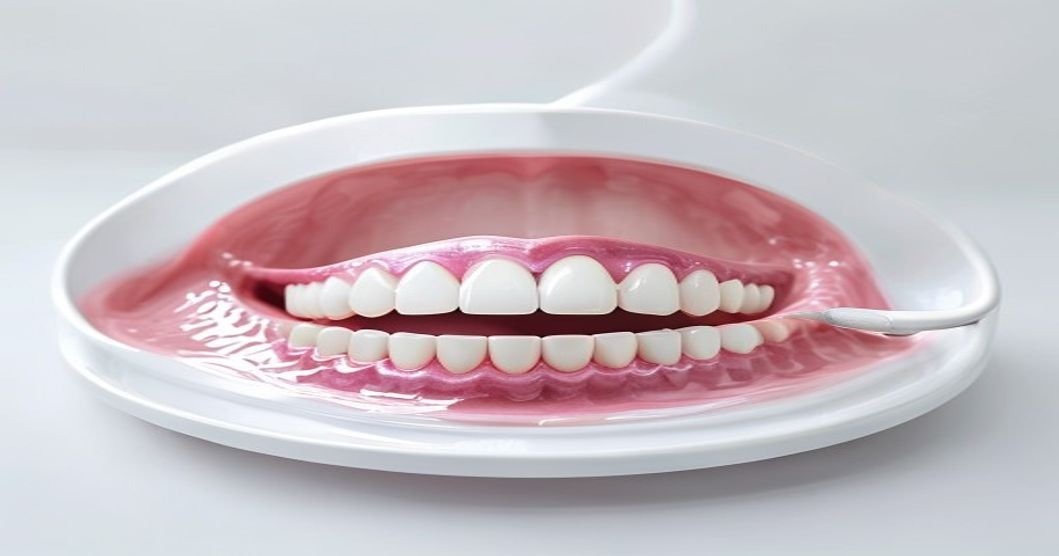
Discover how Sleep Apnea Oral Appliances treat snoring and OSA. Learn about symptoms, the dental procedure, costs, and medical insurance coverage.
Waking up feeling exhausted despite a full night in bed is a frustrating experience that millions of people endure daily. If you or your partner have noticed loud snoring, gasping for air, or chronic daytime fatigue, you may be suffering from Obstructive Sleep Apnea (OSA). While many people immediately think of bulky masks and noisy machines, Sleep Apnea Oral Appliances offer a highly effective, comfortable, and quiet alternative for managing this serious condition. These custom-fitted dental devices are transforming the way patients approach sleep medicine.If you are looking for a non-invasive way to keep your airway open and reclaim your restful sleep, this comprehensive guide is for you. We will explore exactly how these devices work, the warning signs that indicate you need treatment, and what to expect during the clinical process. You will also learn about realistic out-of-pocket costs, how medical insurance covers these devices, and the best alternatives available. By the end of this article, you will have all the actionable information needed to make an informed decision about your sleep health and schedule a consultation with a qualified dental sleep specialist.
| Topic | Key Point |
|---|---|
| Primary Function | Sleep apnea oral appliances hold the lower jaw forward to prevent airway collapse during sleep. |
| Ideal Candidates | Patients with mild to moderate OSA, or severe OSA patients who cannot tolerate CPAP therapy. |
| Device Types | Mandibular Advancement Devices (MADs) are the most common; Tongue Retaining Devices (TRDs) are less common. |
| Prerequisite Testing | A medical sleep study (polysomnography or home sleep test) is strictly required before getting an appliance. |
| Average Cost | Custom medical-grade appliances typically cost between $2,500 and $4,000 without insurance. |
| Insurance Billing | These devices are billed to your medical insurance, not your dental insurance, using specific medical codes. |
| Treatment Timeline | From the initial sleep study to final titration, the entire process usually takes 6 to 10 weeks. |
| Device Lifespan | A high-quality custom oral appliance generally lasts 3 to 5 years before needing replacement. |
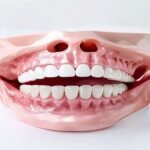
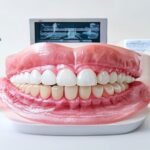
Sleep Apnea Oral Appliances are custom-crafted, FDA-approved medical devices designed to treat Obstructive Sleep Apnea (OSA) and chronic snoring. The most common type is the Mandibular Advancement Device (MAD). This device looks somewhat like a sports mouthguard but is engineered with precise medical hinges and connectors. It works by gently repositioning your lower jaw (mandible) slightly forward. This forward movement pulls the base of your tongue and the soft tissues of your throat forward, effectively stiffening the airway and preventing it from collapsing while you sleep.To understand why this treatment is necessary, it helps to look at the anatomy of the upper airway. When you fall asleep, the muscles in your throat, soft palate, and tongue naturally relax. In patients with OSA, these tissues become overly relaxed or are crowded by excess weight, causing them to fall back and block the flow of oxygen to the lungs. This blockage causes the brain to panic, briefly waking you up to gasp for air—a cycle that can happen hundreds of times a night. By mechanically holding the jaw in an advanced position, oral appliance therapy bypasses this muscular collapse, ensuring a continuous, unobstructed flow of oxygen.Another, less common type is the Tongue Retaining Device (TRD). This uses a small suction cup to hold the tongue forward, preventing it from falling back into the throat. TRDs are usually reserved for patients who have no lower teeth or who suffer from severe temporomandibular joint (TMJ) disorders that prevent them from wearing a MAD. Overall, Sleep Apnea Oral Appliances fit seamlessly into a broader medical treatment plan, bridging the gap between sleep medicine and dental care to improve cardiovascular health, cognitive function, and overall quality of life.
Obstructive Sleep Apnea is a systemic condition that affects your heart, brain, and metabolic health. Because the symptoms occur while you are unconscious, many people live with the condition for years without realizing it. Here are the primary clinical signs that indicate you should seek evaluation for an oral appliance.
Snoring is the vibration of tissues in the back of the throat as air struggles to pass through a narrowed airway. While not everyone who snores has sleep apnea, chronic, loud snoring that can be heard through closed doors is a major hallmark of the disease. You should consult a sleep physician or dental sleep specialist if your snoring is disruptive to your household or if it is accompanied by choking sounds.
If you frequently fall asleep during passive activities like watching television, reading, or riding as a passenger in a car, your sleep architecture is severely fragmented. Even if you feel like you slept for eight hours, the constant micro-arousals caused by breathing pauses prevent you from reaching deep, restorative REM sleep. This level of chronic fatigue requires prompt medical evaluation, as it poses a significant risk for driving or workplace accidents.
Often, the most alarming signs are noticed by a bed partner. Witnessed apneas occur when your partner observes you completely stop breathing for 10 seconds or longer, followed by a sudden snort or gasp for air. If your partner reports these terrifying pauses, do not wait for your next routine dental exam. Schedule an appointment with a sleep medicine physician immediately to get a diagnostic sleep study.
Waking up with a dull, throbbing headache at the front of your head or temples is a classic symptom of nighttime oxygen deprivation and carbon dioxide buildup. Additionally, because sleep apnea patients often sleep with their mouths open to force air through a blocked nasal passage, they frequently wake up with severe dry mouth and a sore throat. If these morning symptoms happen consistently, it is time to get tested for OSA.
The journey to getting Sleep Apnea Oral Appliances involves a collaborative effort between a sleep physician and a qualified dentist. Unlike a simple store-bought mouthguard, this is a highly regulated medical procedure. Here is the step-by-step breakdown of what you will experience.
Choosing oral appliance therapy is a major decision that comes with significant life-changing benefits, as well as a few manageable side effects.
Because Sleep Apnea Oral Appliances are classified as durable medical equipment (DME) rather than standard dental prophylactics, their cost structure is higher than a standard night guard. Below are the average out-of-pocket costs in the US for 2024-2025.
| Item / Service | Average Cost (no insurance) | Typical Insurance Coverage | Notes |
|---|---|---|---|
| Initial Dental Sleep Consult | $200 – $400 | Varies (Often Medical) | Comprehensive airway and TMJ evaluation. |
| Custom MAD Fabrication | $2,500 – $4,000 | 80% – 100% (after deductible) | The primary FDA-approved medical device. |
| Titration Appointments | $150 – $300 per visit | Bundled or 80% covered | Adjustments made over 4 to 6 weeks. |
| Follow-Up Sleep Study (HST) | $400 – $1,200 | 80% – 100% (Medical) | Required to prove medical necessity and efficacy. |
| Appliance Repair / Hinge Fix | $150 – $350 | Rarely covered | Out-of-pocket cost for accidental damage. |
| Replacement Appliance | $2,500 – $4,000 | 80% (Every 3-5 years) | Required when acrylic wears through or stretches. |
| Morning Repositioning Aligner | $300 – $600 | Rarely covered | Optional device to fix morning bite shifts. |
| Total Typical Range | $3,500 – $6,500 | Subject to Medical Deductible | Total first-year cost including testing and device. |
The primary factor causing cost variation is medical billing complexity. Because these devices are billed to medical insurance using HCPCS codes (like E0486), the final cost to the patient depends entirely on whether they have met their annual medical deductible. Additionally, geography plays a role; specialists in major metropolitan areas often have higher overhead and laboratory fees. The brand of the device also impacts the price, with premium titanium-hinged models costing more at the lab level than standard acrylic models. Finally, the complexity of the titration can add to the cost if a patient requires multiple follow-up sleep studies to get the jaw position exactly right.
One of the most common misconceptions among patients is that their dental insurance will pay for a sleep apnea device. In almost all cases, Sleep Apnea Oral Appliances are considered medical treatments for a medical condition (Obstructive Sleep Apnea) and must be billed to your medical insurance provider (such as Medicare, Blue Cross Blue Shield, or Aetna), not your dental plan.To qualify for medical coverage, you must meet strict clinical criteria. First, you must have a formal diagnosis from a licensed physician (MD or DO) based on a qualifying sleep study. Second, the physician must write a prescription specifically for a custom Mandibular Advancement Device. Medical insurance typically uses the HCPCS code E0486 (Oral device/appliance used to reduce upper airway collapsibility) to process the claim. Coverage percentages vary wildly based on your specific medical plan. Most PPO medical plans will cover 80% to 100% of the device cost, but only after you have met your annual medical deductible, which can range from $500 to $5,000. If you have a high-deductible health plan (HDHP), you may be responsible for the full $2,500 to $4,000 cost out-of-pocket until that deductible is satisfied. Medicare Part B generally covers oral appliances for OSA if the prescribing physician accepts Medicare assignment and the device is FDA-cleared.If you do not have medical insurance, or if your deductible is prohibitively high, you still have options. You can use pre-tax dollars from a Health Savings Account (HSA) or Flexible Spending Account (FSA) to pay for the device. Many dental sleep clinics also offer in-house financing through companies like Sunbit or Cherry, allowing you to break the cost into manageable monthly payments. Additionally, some device manufacturers offer cash-pay discounts or compassionate care programs for uninsured patients.
While oral appliance therapy is a fantastic option for many, it is not the only way to treat Obstructive Sleep Apnea. Depending on your anatomy, AHI score, and personal preferences, your doctor might recommend one of the following alternatives.
CPAP is the gold standard and most common treatment for moderate to severe sleep apnea. It involves wearing a mask over the nose or mouth that delivers a continuous stream of pressurized air to act as a pneumatic splint, holding the airway open. It is preferred for patients with severe OSA (AHI > 30) or central sleep apnea. The cost ranges from $500 to $1,500. The main tradeoff is that many patients find the mask claustrophobic, the machine noisy, and the maintenance cumbersome, leading to poor long-term compliance.
Inspire is an FDA-approved, implantable device that works like a pacemaker for your airway. A surgeon implants a small pulse generator in the chest, with a wire that stimulates the hypoglossal nerve, causing the tongue to move forward with every breath. It is preferred for moderate to severe OSA patients who completely fail or cannot tolerate CPAP therapy and meet specific BMI requirements. The cost is high ($20,000 to $35,000) but often covered by medical insurance. The tradeoff is that it requires an invasive outpatient surgery and a permanent implant.
Surgical options like Uvulopalatopharyngoplasty (UPPP) remove excess tissue from the soft palate and throat, while Maxillomandibular Advancement (MMA) physically breaks and moves the upper and lower jaws forward. Surgery is preferred for patients with distinct anatomical abnormalities, such as massively enlarged tonsils or severe skeletal discrepancies. Costs vary from $10,000 to over $50,000 depending on the procedure. The tradeoff is the significant surgical risk, painful recovery period, and the fact that surgery is not always 100% successful in curing the apnea.
For patients whose apnea only occurs when sleeping on their back (supine positional OSA), wearable vibration devices can train them to sleep on their side. Combined with targeted weight loss, this can drastically reduce airway crowding. It is preferred as a first-line defense for mild, positional apnea. Costs are very low ($100 to $300 for positional devices). The tradeoff is that it requires immense lifestyle discipline and is rarely effective as a standalone treatment for moderate to severe OSA.
Adapting to Sleep Apnea Oral Appliances requires patience and a consistent routine. Your mouth is being asked to hold a new, unnatural position for eight hours a night, and proper aftercare is essential for your comfort and the longevity of the device.
When you wake up with the device in your mouth for the first time, expect to experience excessive drooling and a feeling of tightness in your jaw muscles. Remove the device gently and immediately perform the morning jaw stretches prescribed by your dentist. Rinse the appliance with cool water and mild dish soap, then store it in its protective case. Do not attempt to force your teeth into a normal bite if they feel misaligned; give it 20 minutes to settle.
During the first week, you may notice mild tenderness in your TMJ joints or your lower front teeth. This is a normal part of the tissue adaptation process. Stick to a softer diet for breakfast if your jaw feels fatigued. Maintain impeccable oral hygiene by brushing and flossing thoroughly before inserting the device at night; trapping food particles under the appliance will rapidly cause tooth decay. You can resume all normal daily activities and exercise without restriction.
Clean your appliance every morning using a soft-bristled brush and non-abrasive cleaner. Never use hot water or toothpaste, as both will scratch or warp the medical-grade acrylic. Bring the device to every dental checkup so the dentist can polish it, check the hinges for metal fatigue, and monitor your bite. Many dentists recommend a “morning repositioning aligner”—a simple plastic tray you bite into for 10 minutes after waking up to prevent permanent bite shifts.Red-Flag Symptoms: Call your dental sleep specialist immediately if you experience sharp, shooting pain in your jaw joint, if your teeth feel noticeably loose or wiggly, if you develop painful sores on your gums that do not heal within a few days, or if your bed partner reports that your loud snoring and breathing pauses have returned while wearing the device.
Treating sleep apnea requires specialized training that goes far beyond standard dental school. Choosing the right provider is critical to ensuring your airway is protected and your bite is not ruined. Consider these factors when selecting a clinic:
Questions to Ask at Your Consultation:
Yes, a sleep study is an absolute medical and legal requirement before a dentist can fabricate a sleep apnea oral appliance. Because these devices are classified as durable medical equipment, medical insurance companies and the FDA require a formal diagnosis of Obstructive Sleep Apnea from a physician. A simple consultation or a smartphone snoring app is not sufficient. You must undergo a Home Sleep Test (HST) or an in-lab Polysomnography (PSG) to determine your Apnea-Hypopnea Index (AHI) and ensure that an oral appliance is safe and effective for your specific level of severity.
In most cases, yes, your medical insurance will cover a significant portion of a custom dental sleep device, provided you meet the clinical criteria. Because sleep apnea is a medical condition, the appliance is billed to your medical health plan (like Blue Cross, Aetna, or Medicare) using the HCPCS code E0486, not your dental insurance. However, coverage is subject to your annual medical deductible and out-of-pocket maximums. If you have a high-deductible health plan, you may be responsible for the full cost of the device until that medical deductible is met for the calendar year.
No, an oral appliance does not cure sleep apnea; it manages the condition while you wear it. Obstructive Sleep Apnea is largely driven by your anatomy, muscle tone, and sometimes weight. The appliance acts as a mechanical splint, holding your airway open only during the hours it is in your mouth. If you stop wearing the device, your airway will collapse again, and the apnea symptoms will immediately return. The only potential ways to achieve a permanent cure are through significant, sustained weight loss or complex airway surgeries, though these are not guaranteed.
Yes, wearing a Mandibular Advancement Device (MAD) every night can cause slight, permanent changes to your bite over several years. The continuous forward pressure on the lower jaw can cause the lower front teeth to flare outward slightly, while the upper front teeth may tip inward. This can result in a change to your overbite or overjet. To minimize this risk, dental sleep specialists highly recommend using a morning repositioning aligner—a simple plastic tray you bite into for 10 minutes every morning to help guide the jaw back into its natural centric relation.
Neither device is universally “better”; they simply serve different patient needs. A CPAP machine is medically superior for treating severe sleep apnea and central sleep apnea, as it guarantees an open airway via pressurized air. However, CPAP compliance rates are notoriously low due to discomfort, noise, and claustrophobia. An oral appliance is generally considered “better” for patients with mild to moderate sleep apnea who prioritize comfort, silence, portability, and high long-term compliance. The best therapy is simply the one you will actually use every single night.
Proper maintenance is crucial to prevent bacterial growth and damage to the device. Every morning, remove the appliance and brush it gently using a soft-bristled toothbrush and a non-abrasive cleaner, such as mild liquid dish soap or specialized retainer cleaner. Never use toothpaste, as the abrasive silica will scratch the acrylic, creating microscopic grooves where bacteria thrive. Never use hot or boiling water, which will warp the custom fit. Store the device in a dry, ventilated protective case when not in use to protect it from pets and dust.
Waking up with a feeling that your teeth do not fit together correctly is the most common side effect of oral appliance therapy. This happens because the device holds your jaw in a protruded, stretched position for eight hours, causing the ligaments and muscles to temporarily adapt. This morning bite shift is usually harmless and resolves within 15 to 30 minutes. Dentists prescribe specific morning jaw stretches—such as protruding the jaw, opening wide, and massaging the masseter muscles—to help the jaw settle back into its normal position quickly after waking up.
Sleep Apnea Oral Appliances represent a highly effective, comfortable, and life-changing treatment for millions of people suffering from Obstructive Sleep Apnea and chronic snoring. By gently advancing the lower jaw, these custom medical devices prevent airway collapse, restore healthy oxygen levels, and allow patients to finally experience deep, restorative REM sleep. While the initial process requires a medical sleep study and careful titration by a specialized dentist, the long-term benefits for cardiovascular health and daily cognitive function are immeasurable.Navigating the crossover between dental care and medical insurance can be complex, but the financial and physical investment is well worth the outcome. Untreated sleep apnea silently damages your heart, brain, and metabolic system over time. Early intervention is almost always less expensive and far more effective than waiting for a major health crisis to occur. If you recognize the signs of OSA in yourself or a loved one, do not delay. Schedule a consultation with a qualified dental sleep specialist and a sleep physician today to take control of your airway and reclaim your health.