Physical Address
304 North Cardinal St.
Dorchester Center, MA 02124
Physical Address
304 North Cardinal St.
Dorchester Center, MA 02124

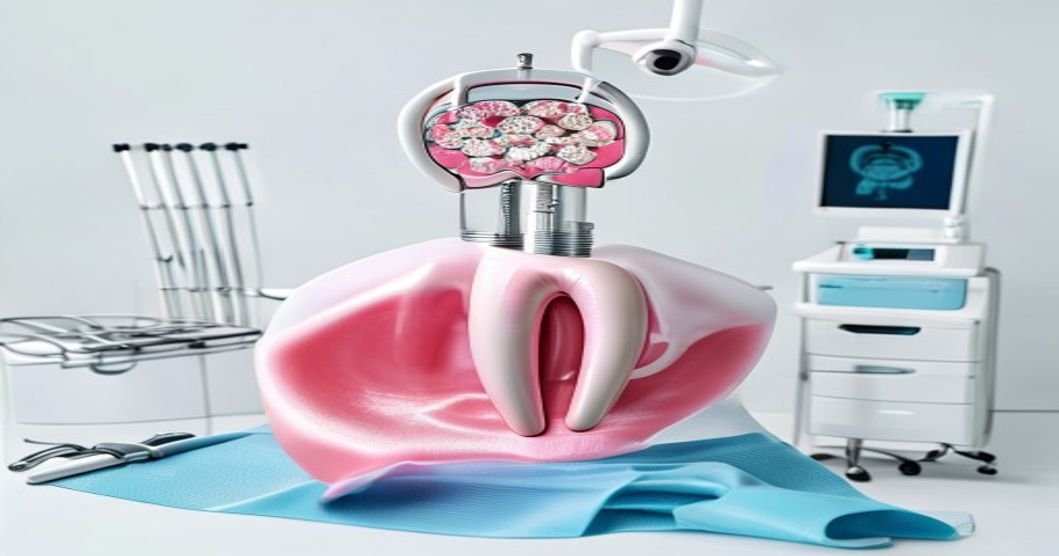
Learn everything about Root Canal Treatment. Discover symptoms, procedure steps, 2025 costs, insurance coverage, and recovery tips from expert dentists.
Tooth pain can be incredibly stressful, especially when you hear you might need a Root Canal Treatment. Many people fear this procedure, but modern dentistry has made it a comfortable, routine way to save a damaged tooth. If your tooth is deeply decayed or infected, a Root Canal Treatment removes the diseased pulp inside the tooth to relieve pain and prevent extraction. In this comprehensive guide, we will explain exactly what to expect from start to finish. You will learn about the warning symptoms, the step-by-step procedure, the real costs in 2025, and how to recover quickly. By the end, you will feel confident and informed about protecting your smile and making the best choices for your oral health.
| Topic | Key Point |
|---|---|
| Primary Purpose | Saves a severely decayed or infected tooth from extraction. |
| Pain Level | Modern techniques and anesthesia make the procedure virtually painless. |
| Procedure Time | Typically takes one or two visits, lasting 45 to 90 minutes each. |
| Success Rate | Highly successful, with a long-term success rate of over 95%. |
| Average Cost | Ranges from $700 to $1,800 depending on the tooth and location. |
| Recovery Time | Most patients resume normal activities within 24 to 48 hours. |
| Longevity | With a proper crown, the treated tooth can last a lifetime. |
| Best Alternative | Tooth extraction followed by a dental implant or bridge. |
To understand Root Canal Treatment, it helps to know the basic anatomy of a tooth. The visible part of your tooth is called the crown, which is protected by a hard outer layer of enamel. Beneath the enamel is a softer layer called dentin, which surrounds the innermost part of the tooth known as the dental pulp. The dental pulp contains blood vessels, nerves, and connective tissue. While the pulp is essential for a tooth’s development, it is not necessary for the tooth’s function once the tooth is fully mature. When deep decay or a crack allows bacteria to enter the pulp chamber, the tissue becomes inflamed and infected. A Root Canal Treatment, also known as endodontic therapy, is a dental procedure designed to clean out this infected pulp. The dentist or endodontist carefully removes the diseased tissue, disinfects the empty spaces inside the tooth, and seals them to prevent future infection. Saving your natural tooth through this procedure is almost always the best option for your oral health. Natural teeth allow you to chew efficiently, maintain proper bite alignment, and keep your jawbone stimulated. Extracting a tooth and replacing it with an implant or bridge is more expensive, takes longer, and requires more maintenance. Therefore, Root Canal Treatment remains the gold standard for saving compromised teeth.
The most common warning sign of an infected tooth is a persistent, throbbing ache. This pain may be constant or come and go, but it typically worsens when you lie down or apply pressure to the tooth. If the pain keeps you awake at night, you should call your dentist promptly.
It is normal to feel a brief zing when eating ice cream. However, if your tooth aches for several minutes after consuming hot or cold foods and drinks, the nerve is likely damaged. This lingering sensitivity is a strong indicator that you need a Root Canal Treatment.
A tooth that turns gray, brown, or dark yellow may have suffered trauma or internal decay. This discoloration happens when the blood supply to the dental pulp is compromised, causing the tissue to die. You should schedule an evaluation as soon as you notice a sudden change in your tooth’s color.
Inflammation around the base of the infected tooth can cause the surrounding gums to swell. The gums may feel tender to the touch and appear red and puffy. If you notice localized swelling near a specific tooth, do not wait for it to go away on its own.
A small, pimple-like bump on the gums near a painful tooth is called a dental abscess or fistula. This bump is actually a channel that allows pus from the infected root to drain into the mouth. It may ooze a foul-tasting fluid and requires immediate professional dental care.
Trauma from a sports injury, a fall, or even chewing on something hard can crack a tooth. These cracks provide a direct pathway for bacteria to reach the dental pulp. Even if it does not hurt immediately, a cracked tooth needs prompt evaluation to determine if a Root Canal Treatment is necessary.
The entire Root Canal Treatment typically takes 45 to 90 minutes per visit. Most patients experience only 2 to 3 days of mild soreness afterward, which can be easily managed with over-the-counter pain relievers.
| Item / Service | Average Cost (no insurance) | Typical Insurance Coverage | Notes |
|---|---|---|---|
| Initial Consultation & X-rays | $100 – $250 | 80% – 100% | Includes exam and digital imaging. |
| Front Tooth Root Canal | $700 – $1,100 | 50% – 80% | Single canal; easiest to treat. |
| Premolar Root Canal | $800 – $1,200 | 50% – 80% | Usually one or two canals. |
| Molar Root Canal | $1,200 – $1,800 | 50% – 80% | Three to four canals; most complex. |
| Dental Crown (Post-Procedure) | $1,000 – $1,800 | 50% – 80% | Essential for protecting the treated tooth. |
| Root Canal Retreatment | $900 – $1,500 | 50% – 80% | Required if the initial treatment fails. |
| Typical Total Range (Molar + Crown) | $2,200 – $3,600 | Varies by plan | Out-of-pocket depends on your specific plan. |
The cost of a Root Canal Treatment varies significantly based on several factors. Geography plays a major role, with urban areas and coastal cities typically charging more than rural regions. The provider’s specialty also impacts the price; an endodontist will charge more than a general dentist due to their advanced training and specialized equipment. Additionally, the complexity of the case matters. A tooth with curved roots, calcified canals, or severe infection requires more time and expertise, which increases the final bill.
Most dental insurance plans cover Root Canal Treatment, but the exact amount depends on your specific policy. The American Dental Association (ADA) uses specific procedure codes to categorize treatments. Front teeth use code D3310, premolars use D3320, and molars use D3330. Dental crowns, which are required after the procedure, use codes like D2740.Plan types dictate your coverage. PPO (Preferred Provider Organization) and indemnity plans usually offer the best coverage, often paying 50% to 80% of the cost. HMO (Health Maintenance Organization) plans may cover the procedure at a fixed copay, but you must use an in-network dentist. Some plans classify root canals as “basic” procedures (covered at 80%), while others classify them as “major” (covered at 50%).Be aware of waiting periods. Many insurance plans require you to be enrolled for 6 to 12 months before they will pay for major or basic restorative work. Always request a predetermination of benefits before starting treatment. This is a document your dentist sends to your insurance company to get a written estimate of what they will pay.If you do not have dental insurance, look into dental discount plans, which offer 10% to 60% discounts for an annual fee. You can also seek treatment at an accredited dental school, where supervised students provide care at a fraction of the cost. Most dental offices also offer third-party financing like CareCredit to help you pay in monthly installments.
The most direct alternative to a Root Canal Treatment is simply removing the tooth. This is often preferred if the tooth is too damaged to save, or if the patient cannot afford the root canal and crown. The upfront cost is much lower, typically ranging from $150 to $400 for a simple extraction. However, the major tradeoff is the loss of the natural tooth, which can lead to shifting teeth and bone loss.
If you extract the tooth, you will likely want to replace it to maintain your bite and appearance. A dental implant is a titanium post surgically placed into the jawbone, topped with a crown. This is the closest alternative to keeping your natural tooth. The tradeoff is the high cost, which can range from $3,000 to $5,000, and the lengthy treatment time, which takes several months for the bone to heal.
A dental bridge replaces a missing tooth by anchoring a false tooth to the adjacent healthy teeth. This is preferred when a patient does not have enough bone density for an implant or wants a faster solution. The cost is typically $2,000 to $4,000. The tradeoff is that the dentist must grind down the healthy neighboring teeth to support the bridge, permanently altering them.
For very early decay that is close to the pulp but has not yet infected it, a dentist might perform a pulp capping procedure. They place a medicated material over the exposed pulp to encourage it to heal and form new dentin. This is much cheaper, costing around $100 to $300. The tradeoff is that it only works in very specific, early-stage cases, and the tooth may still eventually require a Root Canal Treatment.
For the first day, avoid chewing on the side of your mouth where the procedure was performed. Do not eat until the numbness from the local anesthetic completely wears off to prevent accidentally biting your cheek or tongue. Stick to soft foods like yogurt, applesauce, and mashed potatoes, and avoid using a straw, as the suction can disrupt the healing tissue.
You can gradually return to your normal diet, but continue to avoid extremely hard, crunchy, or sticky foods. Maintain your oral hygiene routine by brushing and flossing gently around the treated tooth. You may experience mild soreness, which can be managed with ibuprofen or acetaminophen. Keep your head elevated when sleeping for the first two nights to minimize any residual swelling.
Once your permanent dental crown is placed, treat the tooth just like your natural teeth. Brush twice a day with fluoride toothpaste and floss daily. Avoid using your teeth to open packages or chew on ice, as this can fracture the crown or the underlying tooth. Regular dental checkups and professional cleanings every six months are essential to monitor the health of the treated tooth.
Contact your dentist immediately if you experience severe pain that is not relieved by medication. Other warning signs include visible swelling inside or outside your mouth, an allergic reaction like a rash or hives, or a feeling that your bite is uneven. If the temporary filling falls out before your next appointment, call your office to have it replaced.
Questions to Ask at Your Consultation:
A common myth is that Root Canal Treatment is painful, but the procedure itself actually relieves pain. Thanks to modern local anesthetics and advanced techniques, the experience is no more uncomfortable than getting a routine dental filling. You may feel slight pressure or vibration, but you should not feel sharp pain. Any mild soreness experienced after the procedure is easily managed with over-the-counter pain medication and typically subsides within a few days.
The duration of a Root Canal Treatment depends on the tooth’s location and the complexity of the infection. A simple front tooth with one canal might take only 45 to 60 minutes. A molar with three or four curved canals can take 90 minutes or more. Most straightforward cases are completed in a single visit, though severely infected teeth may require a second appointment to ensure all bacteria are fully eliminated before final sealing.
Yes, you can absolutely drive yourself home after a Root Canal Treatment. The local anesthesia used to numb the tooth does not affect your cognitive abilities, coordination, or vision. Unlike procedures that require general anesthesia or heavy oral sedation, a standard root canal leaves you fully alert. However, if you requested nitrous oxide (laughing gas) or oral sedatives to manage dental anxiety, you will need a friend or family member to drive you.
In the vast majority of cases, yes, a dental crown is required after a Root Canal Treatment. The procedure removes the dental pulp, which includes the blood supply that keeps the tooth hydrated and strong. Without this moisture, the tooth becomes brittle and highly susceptible to cracking under normal chewing forces. A crown acts as a protective helmet, sealing the tooth and restoring its full function, which is critical for the long-term success of the treatment.
A Root Canal Treatment is designed to be a permanent solution, and with proper care, the treated tooth can last a lifetime. Studies show a success rate of over 95% at the ten-year mark. The longevity of the tooth depends heavily on the quality of the final restoration, like the dental crown, and your daily oral hygiene habits. Regular dental checkups and avoiding chewing on extremely hard objects will help ensure your treated tooth remains healthy for decades.
For the first 24 to 48 hours after a Root Canal Treatment, stick to soft, easy-to-chew foods to protect the temporary filling and soothe the area. Good options include scrambled eggs, yogurt, mashed potatoes, smoothies, and lukewarm soups. Avoid hard, crunchy, or sticky foods like nuts, chips, and caramel, which can dislodge the temporary filling. Also, avoid extremely hot or cold foods if the surrounding tissues feel sensitive.
It is completely normal to experience mild tenderness or soreness for a few days after a Root Canal Treatment. This happens because the tissues surrounding the root tip become inflamed during the cleaning process. However, if you experience severe, throbbing pain that worsens after a week, or if you develop swelling and a fever, it could indicate a complication. This might mean a hidden canal was missed, the temporary filling leaked, or the tooth has fractured, requiring a prompt visit to your dentist.
A Root Canal Treatment is a highly effective, predictable, and relatively comfortable procedure that saves damaged teeth from extraction. By removing infected tissue and sealing the tooth, it eliminates severe pain and restores your ability to chew and smile confidently. While the upfront cost and time commitment may seem daunting, saving your natural tooth is almost always the most beneficial choice for your long-term oral health. If you are experiencing persistent tooth pain, sensitivity, or swelling, do not ignore the warning signs. Delaying treatment only allows the infection to spread, which can lead to more complex procedures, higher costs, and even tooth loss. Schedule a consultation with a licensed dentist as soon as possible. Early intervention is the best way to protect your smile, preserve your natural teeth, and get back to living pain-free.