Physical Address
304 North Cardinal St.
Dorchester Center, MA 02124
Physical Address
304 North Cardinal St.
Dorchester Center, MA 02124

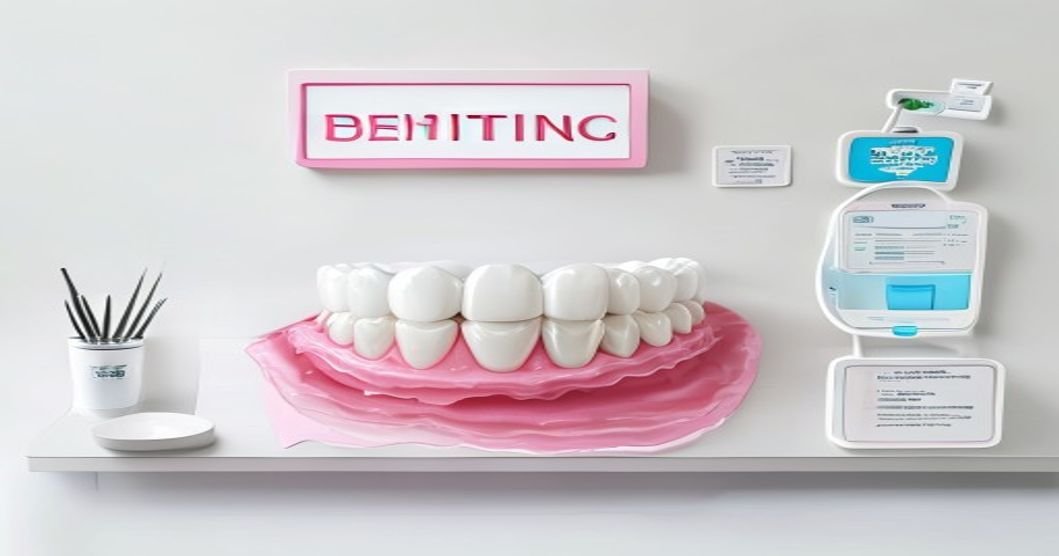
Learn everything about teeth whitening. Discover costs, procedure steps, 2026 pricing, aftercare tips, and alternatives from expert cosmetic dentists.
A bright, radiant smile is one of the most sought-after features in modern aesthetics. If you feel self-conscious about the color of your teeth, professional teeth whitening offers a safe, highly effective solution. Over time, our teeth naturally accumulate stains from food, drinks, and daily lifestyle habits. Teeth whitening, also known as tooth bleaching, is a cosmetic dental procedure specifically designed to lighten the color of your natural teeth and remove stubborn discoloration.Many people wonder whether over-the-counter drugstore products are enough or if professional treatment is truly worth the investment. While retail kits can provide mild, temporary results, professional teeth whitening delivers faster, more dramatic, and longer-lasting outcomes under the direct supervision of a licensed dentist. In this comprehensive guide, we will explain exactly what to expect from the initial consultation through your final, brilliant results. You will learn about the different types of dental stains, the step-by-step bleaching process, realistic 2026 costs, and proven aftercare strategies to maintain your bright smile. Whether you are preparing for a wedding, a job interview, or simply want to boost your daily confidence, understanding the science and safety of teeth whitening is the essential first step. Let us explore how you can safely achieve the vibrant smile you deserve.
| Topic | Key Point |
|---|---|
| Primary Purpose | Lightens natural tooth color and removes stubborn surface and deep stains. |
| Ideal Candidates | Patients with healthy teeth and gums seeking to reverse yellowing or discoloration. |
| Procedure Time | In-office takes 60-90 minutes; custom take-home trays take 1-2 weeks of daily use. |
| Pain Level | Generally painless, though temporary tooth sensitivity is a very common side effect. |
| Average Cost | In-office ranges from $300 to $600; custom take-home trays cost $200 to $400. |
| Lifespan | Results typically last 6 months to 2 years, depending on diet and oral hygiene. |
| Main Risk | Temporary tooth sensitivity and minor gum irritation from the active bleaching agents. |
| Best Alternative | Dental veneers or bonding for intrinsic stains that do not respond to chemical bleach. |
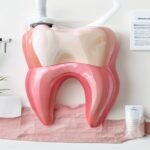
To understand teeth whitening, it is helpful to know the basic anatomy of a human tooth. The visible part of your tooth is covered by a hard, semi-translucent outer layer called enamel. Beneath the enamel lies the dentin, which is naturally yellowish in color. As we age, the enamel layer naturally thins, allowing more of the yellow dentin to show through. Additionally, microscopic pores in the enamel can trap pigment molecules from dark foods, beverages, and tobacco smoke.Teeth whitening works by using chemical bleaching agents, primarily hydrogen peroxide or carbamide peroxide, to break down these trapped stain molecules. When the peroxide penetrates the enamel, it releases oxygen molecules. These oxygen molecules react with the discolored compounds, breaking their chemical bonds and turning them into smaller, colorless molecules. This process, known as oxidation, effectively lightens the overall shade of the tooth without permanently damaging the underlying structure.There are two main categories of professional teeth whitening: in-office bleaching and custom take-home trays. In-office whitening utilizes a high-concentration peroxide gel, often accelerated by a specialized LED or laser light, to deliver immediate results in a single clinical visit. Take-home whitening involves custom-fitted trays provided by your dentist, filled with a lower-concentration professional-grade gel that you wear for a specified number of hours each day.It is crucial to note that teeth whitening only works on natural tooth structure. It will not change the color of existing dental restorations, such as composite fillings, porcelain crowns, or veneers. If you have visible restorations on your front teeth, your dentist may recommend replacing them after the whitening process to ensure a uniform, seamless smile. Professional supervision ensures the procedure is safe, minimizes gum irritation, and achieves the most predictable, aesthetically pleasing results.
As we get older, the outer enamel layer naturally wears down from years of chewing and brushing. This thinning reveals more of the underlying yellow dentin. If your smile has gradually lost its youthful brightness and taken on a dull, yellowish hue, professional teeth whitening can effectively reverse this natural aging process and restore a vibrant appearance.
Darkly pigmented beverages are among the most common culprits of tooth discoloration. The chromogens in coffee, black tea, and red wine easily bind to the microscopic pores in your enamel. If you are a regular consumer of these drinks and notice persistent brown or gray stains that regular brushing cannot remove, you are an excellent candidate for professional bleaching.
Smoking or chewing tobacco introduces tar and nicotine into the mouth, which create stubborn, deep yellow or brown stains on the teeth. These tobacco stains are notoriously difficult to remove with standard oral hygiene products. Professional teeth whitening uses powerful oxidizing agents capable of breaking down these tough, embedded pigments, helping to refresh your smile.
Certain antibiotics, like tetracycline, taken during childhood tooth development can cause intrinsic gray or brown banding within the tooth structure. While these deep stains are more resistant to treatment than surface stains, extended professional teeth whitening protocols, often involving custom take-home trays over several months, can significantly lighten the discoloration and improve the overall aesthetic.
A physical impact to the mouth can damage the nerve inside a specific tooth, causing it to die and turn gray or dark pink over time. While internal bleaching is sometimes an option, external teeth whitening may be recommended to help blend the darkened tooth with the surrounding natural teeth before considering a more invasive restoration like a veneer or crown.
For custom take-home trays, the process involves taking digital or physical impressions to create perfectly fitted trays. You will apply a lower-concentration gel (10% to 20%) into the trays and wear them for 30 minutes to several hours daily, or overnight, for 1 to 2 weeks.
| Item / Service | Average Cost (no insurance) | Typical Insurance Coverage | Notes |
|---|---|---|---|
| Initial Consultation & Exam | $100 – $200 | 80% – 100% | Required to ensure teeth are healthy enough for bleaching. |
| In-Office Professional Whitening | $300 – $600 | 0% | Uses high-concentration gel; results achieved in one 60-90 min visit. |
| Custom Take-Home Whitening Trays | $200 – $400 | 0% | Includes custom-fitted trays and professional-grade syringes of gel. |
| Additional Gel Syringes (Refills) | $30 – $60 per syringe | 0% | Used for touch-ups every 6 to 12 months to maintain results. |
| Pre-Whitening Dental Cleaning | $100 – $200 | 80% – 100% | Highly recommended to remove surface plaque for even bleaching. |
| Desensitizing Treatments | $20 – $50 | 0% – 50% | Fluoride varnishes or specialized gels applied post-whitening. |
| Internal Bleaching (Non-Vital Tooth) | $300 – $500 per tooth | 0% – 50% | Specialized procedure for a single tooth darkened by trauma. |
| Typical Total Range (In-Office) | $400 – $800 | 0% | Out-of-pocket expense, as cosmetic procedures are rarely covered. |
The cost of teeth whitening varies significantly based on several key factors. Geography plays a major role, with procedures in major metropolitan areas or coastal cities typically costing more than those in rural regions due to higher overhead. The type of procedure chosen also impacts the price; in-office treatments with light activation are more expensive than custom take-home trays, though they deliver faster results. Additionally, the brand and concentration of the whitening system used by the dentist will influence the final bill. Premium systems like Philips Zoom or Opalescence often command a higher fee due to their proven efficacy and built-in desensitizing technologies.
Most dental insurance plans do not cover teeth whitening because it is classified as an elective cosmetic procedure. The American Dental Association (ADA) uses specific procedure codes for billing, such as D9973 for take-home bleaching materials and D9974 for in-office bleaching. Because these codes fall under cosmetic services, standard PPO and HMO plans typically exclude them from coverage.However, there are rare exceptions. If a tooth has been darkened due to trauma or a specific medical condition, and internal bleaching is deemed medically necessary to restore normal appearance, some insurance plans may cover a portion of the cost under restorative benefits. It is always best to request a predetermination of benefits from your insurance provider to confirm your specific policy details before beginning treatment.For patients without insurance coverage, there are still affordable ways to achieve a bright smile. Custom take-home trays from your dentist offer the best balance of professional results and cost-effectiveness, often costing half the price of in-office treatments. Additionally, many dental offices offer membership plans or partner with third-party financing companies like CareCredit, allowing you to pay for the procedure in manageable monthly installments. Avoiding cheap, unregulated online whitening kits is also a financial safeguard, as they can cause irreversible damage that requires expensive corrective dental work.
A professional dental cleaning is the most conservative first step for mild discoloration. It is preferred for patients whose teeth are primarily stained by surface plaque, tartar, or food pigments. The approximate cost is $100 to $200. The key tradeoff is that while it removes extrinsic stains and reveals your natural tooth color, it cannot change the intrinsic shade of the enamel or lighten deep, yellowed dentin.
Dental veneers are thin, custom-made shells of porcelain or composite resin bonded to the front of the teeth. They are preferred for patients with severe intrinsic stains (like tetracycline bands), misshapen teeth, or gaps that bleaching cannot fix. The approximate cost is $1,200 to $2,500 per tooth. The major tradeoff is that veneers require the permanent removal of a small amount of healthy tooth enamel, making the procedure irreversible and significantly more expensive.
Dental bonding involves applying a tooth-colored composite resin to the tooth surface, sculpting it, and hardening it with a special curing light. It is preferred for masking localized stains, small chips, or minor gaps on one or two front teeth. The approximate cost is $200 to $500 per tooth. The tradeoff is that composite resin is more porous than porcelain, meaning it will stain over time and typically requires replacement every 5 to 7 years.
A dental crown is a “cap” that covers the entire visible portion of a damaged tooth. It is preferred when a tooth is heavily decayed, fractured, or has undergone a root canal, and whitening is no longer a viable option. The approximate cost is $1,000 to $1,800 per tooth. The tradeoff is that crown preparation is highly invasive, requiring significant reduction of the natural tooth structure to accommodate the restoration.
The first day after teeth whitening is critical for maintaining your results. Your enamel pores are temporarily open and highly susceptible to new stains. Strictly follow the “white diet”: consume only colorless foods and beverages like water, milk, white chicken, and plain yogurt. Avoid coffee, tea, red wine, dark sodas, tomato sauce, and berries. Do not use any tobacco products, and avoid extremely hot or cold foods if your teeth are sensitive.
You can gradually reintroduce normal foods, but it is wise to continue limiting highly pigmented items for the first week. If you experience lingering sensitivity, use a toothpaste formulated for sensitive teeth, which contains potassium nitrate to soothe the nerve. Maintain your regular oral hygiene routine, brushing gently twice a day and flossing daily to keep the gums healthy and free of plaque buildup.
To prolong the results of your teeth whitening, adopt proactive habits. Drink staining beverages through a straw to minimize contact with your front teeth. Rinse your mouth with water immediately after consuming dark foods or drinks. Schedule regular dental cleanings every six months to remove surface stains before they set in. Consider using your custom take-home whitening trays for a single night of touch-up treatment every 6 to 12 months.
Contact your dentist immediately if you experience severe, throbbing tooth pain that does not subside after 48 hours. Other warning signs include persistent gum blistering, white patches on the gums that do not fade within a day, or a sudden, dramatic increase in sensitivity that prevents you from eating or drinking comfortably. These symptoms may indicate chemical burns or underlying dental issues that require professional evaluation.
Questions to Ask at Your Consultation:
The results of professional teeth whitening typically last between 6 months and 2 years. The exact duration depends heavily on your lifestyle habits. If you regularly consume staining foods and beverages like coffee, red wine, or curry, or if you use tobacco products, your teeth will darken more quickly. Maintaining excellent oral hygiene, getting regular cleanings, and using custom take-home trays for occasional touch-ups can significantly extend the lifespan of your bright smile.
No, when performed correctly under professional supervision, teeth whitening does not damage tooth enamel. The American Dental Association (ADA) has extensively researched hydrogen peroxide and carbamide peroxide, confirming their safety for dental use. While the bleach temporarily opens the microscopic pores in the enamel to release stain molecules, it does not strip or erode the mineral structure of the tooth. Any temporary sensitivity is a sign of nerve irritation, not permanent enamel damage.
Tooth sensitivity is the most common side effect of teeth whitening, affecting up to 75% of patients. The peroxide gel penetrates the enamel and dentin to reach the stain molecules, which can temporarily irritate the nerve inside the tooth. This sensitivity usually feels like a sharp, fleeting zing when exposed to hot or cold temperatures. It is entirely normal and typically resolves on its own within 24 to 48 hours after the treatment concludes.
It is highly recommended to wait until your braces are removed before undergoing professional teeth whitening. If you whiten your teeth while wearing brackets, the areas covered by the brackets will remain their original color, while the exposed enamel will lighten. This results in uneven, patchy spots once the braces are taken off. Waiting until after orthodontic treatment ensures a uniform, consistent shade across your entire smile.
No, teeth whitening agents only work on natural tooth structure. The bleaching gel cannot alter the color of dental restorations such as composite fillings, porcelain crowns, veneers, or bridges. If you whiten your natural teeth, your existing restorations will remain their original shade, which may create a noticeable color mismatch. If you plan to whiten, discuss with your dentist whether any front-facing restorations will need to be replaced afterward to match your new, brighter smile.
Both methods are highly effective, but they serve different needs. In-office teeth whitening uses a much higher concentration of peroxide and often includes light activation, delivering dramatic results in a single 60- to 90-minute visit. It is ideal for immediate results. Custom take-home trays use a lower concentration of gel over 1 to 2 weeks. They are generally less expensive, cause less sensitivity, and allow you to control the final shade gradually. Many dentists recommend a combination of both for optimal, long-lasting results.
Whitening toothpastes are not true bleaching agents. They rely on mild abrasives and chemical agents to scrub away surface stains, but they cannot change the intrinsic color of the tooth like professional teeth whitening does. While they are useful for maintaining results after a professional treatment, relying on them alone will not produce a dramatically whiter smile. Furthermore, overusing highly abrasive whitening toothpastes can wear down your enamel over time, leading to increased sensitivity and a more yellow appearance.
Teeth whitening is a safe, highly effective, and transformative cosmetic procedure that can dramatically enhance the appearance of your smile. By utilizing professional-grade bleaching agents under the guidance of a licensed dentist, you can safely reverse years of staining from food, drinks, and aging without damaging your natural tooth structure. Whether you choose the immediate impact of in-office bleaching or the gradual, controlled approach of custom take-home trays, the investment in your smile yields significant confidence and aesthetic rewards.If you are unhappy with the color of your teeth, do not risk your oral health with unregulated, over-the-counter products that can cause irreversible damage. Schedule a consultation with a qualified cosmetic dentist today to discuss your goals, evaluate your dental health, and create a personalized whitening plan. Early professional intervention is always the safest, most predictable, and most effective way to achieve the brilliant, radiant smile you deserve.