Physical Address
304 North Cardinal St.
Dorchester Center, MA 02124
Physical Address
304 North Cardinal St.
Dorchester Center, MA 02124

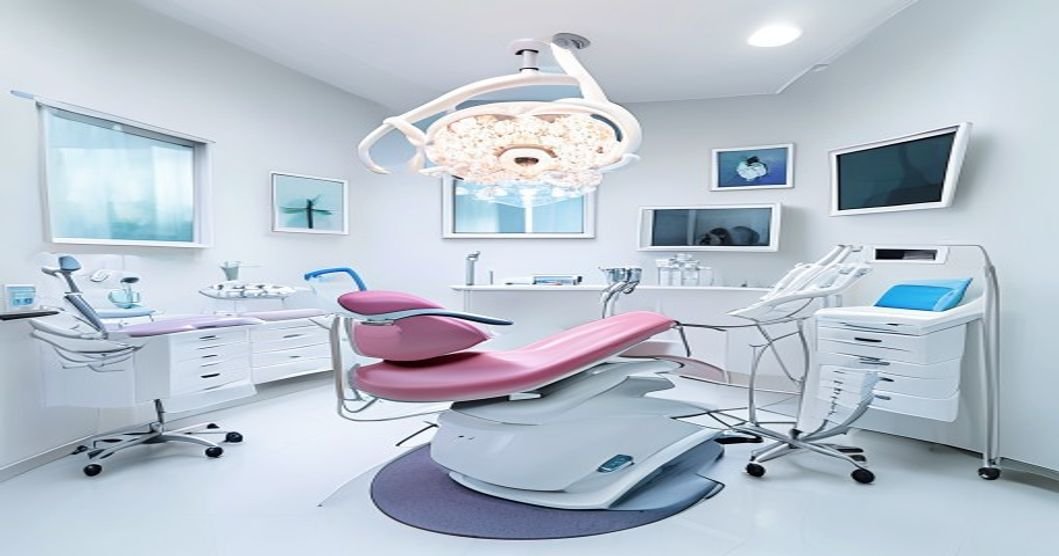
Need urgent help? Learn when to seek Emergency Dental Care, what procedures to expect, average costs, and recovery tips to save your tooth and stop pain today.
A sudden, throbbing toothache or a knocked-out tooth can turn your day upside down. When these unexpected issues strike, you need immediate Emergency Dental Care to relieve pain and save your smile. This urgent treatment addresses severe dental trauma, infections, and sudden structural damage that cannot wait for a regular appointment.Understanding when to seek help is crucial for protecting your oral health. Delaying treatment for a true dental emergency can lead to severe complications, including tooth loss or life-threatening infections. This guide will walk you through everything you need to know about identifying, treating, and recovering from urgent dental issues.You will learn how to recognize the warning signs of a dental crisis. We will also explain what to expect during your visit, the typical costs involved, and how to manage your recovery. By the end of this article, you will feel confident and prepared to handle any unexpected dental situation.
| Topic | Key Point |
|---|---|
| Definition | Emergency Dental Care treats sudden, severe issues like trauma, infections, or intense pain that need immediate attention. |
| Top Warning Signs | Unbearable toothaches, knocked-out teeth, facial swelling, and uncontrolled bleeding require urgent professional evaluation. |
| Time Sensitivity | A knocked-out permanent tooth has the highest chance of survival if reimplanted within 30 to 60 minutes of the injury. |
| Average Costs | Without insurance, an emergency exam and X-rays typically cost between $75 and $200, while complex procedures cost more. |
| Insurance Coverage | Most dental insurance plans cover urgent diagnostic exams and necessary extractions at 80% to 100% after the deductible. |
| Recovery Time | Most patients experience mild soreness for 2 to 3 days, with full tissue healing taking about 1 to 2 weeks. |
| Aftercare | Avoid hot, spicy, or crunchy foods for the first 48 hours and stick to a soft-food diet to protect the treated area. |
Emergency Dental Care refers to specialized dental treatments required for sudden, severe, and often painful oral health crises. Unlike routine check-ups, these visits focus on stabilizing your condition, eliminating severe pain, and preventing further damage. The primary goal is to save the natural tooth whenever possible and stop the spread of infection.Dental emergencies often involve the delicate structures inside your mouth. Your teeth consist of a hard outer enamel layer, a sensitive dentin layer, and a soft inner core called the pulp. The pulp contains nerves and blood vessels that keep your tooth alive and connected to the jawbone via the periodontal ligament.When trauma or deep decay breaches the enamel and dentin, the pulp becomes exposed to bacteria. This exposure triggers intense inflammation and severe pain. If left untreated, the infection can spread from the pulp into the surrounding jawbone and ligament.This creates a dental abscess, which is a painful pocket of pus. In rare but serious cases, the infection can spread to other parts of the head, neck, or body. Urgent dental interventions stop this destructive process before it compromises your overall health.Dentists use specialized tools and techniques to clean out infected tissue, seal the tooth, or safely remove it. By addressing the problem immediately, you protect your systemic health and preserve your ability to chew and speak normally. Prompt Emergency Dental Care is always the safest choice for sudden oral trauma.
Knowing when a dental issue is a true emergency can be confusing. Not all tooth pain requires a midnight trip to the dentist. However, certain symptoms indicate that you need professional help right away.
A mild, fleeting sensitivity to cold is usually not an emergency. However, a severe, throbbing toothache that keeps you awake at night is a major red flag. This type of pain often indicates irreversible nerve damage or a deep infection. You should call your dentist immediately if the pain is unbearable or accompanied by a fever.
If a permanent tooth is completely knocked out of its socket, time is your most critical factor. You need to seek Emergency Dental Care within 30 to 60 minutes for the best chance of saving the tooth. Handle the tooth by the crown only, rinse it gently with milk or saline, and try to place it back in the socket. If you cannot, store it in a cup of milk and head straight to the dentist.
A cracked tooth can range from a minor chip to a severe vertical fracture. If the crack extends deep into the dentin or pulp, it causes sharp pain when you chew. Large fragments or fractures that expose the inner nerve require urgent treatment to prevent infection and restore the tooth’s structure.
An abscess is a localized collection of pus caused by a bacterial infection. It often appears as a pimple-like bump on your gums. If the swelling spreads to your cheek, jaw, or neck, or if you have trouble swallowing or breathing, go to an emergency room immediately. This is a life-threatening situation that requires rapid medical and dental intervention.
Losing a restoration is common, but it only becomes an emergency if it causes severe pain or leaves the tooth vulnerable to rapid decay. If a crown or filling falls out and the exposed tooth is highly sensitive to air and temperature, contact your dentist. They can provide a temporary covering to protect the tooth until a permanent fix is placed.
Cuts, tears, or puncture wounds to your lips, cheeks, tongue, or gums can bleed heavily. Apply firm pressure with a clean gauze or cloth. If the bleeding does not stop after 10 to 15 minutes of continuous pressure, you need urgent Emergency Dental Care or a trip to the nearest emergency department to stitch the wound.
Walking into a dental office in pain can be stressful. Knowing the exact steps of your visit can help ease your anxiety. Here is what you can expect from the initial consultation through your full recovery.
Seeking prompt professional treatment offers significant advantages for your oral and overall health.
While highly effective, urgent dental procedures carry some standard medical risks.
The cost of Emergency Dental Care varies widely based on the specific treatment required. Below is a breakdown of average out-of-pocket costs for uninsured patients in the United States for 2025.
| Item / Service | Average Cost (no insurance) | Typical Insurance Coverage | Notes |
|---|---|---|---|
| Emergency Exam & Triage | $75 – $150 | 80% – 100% | Often covers the urgent visit and basic assessment. |
| Diagnostic X-Rays (Full Series or CBCT) | $100 – $350 | 80% – 100% | CBCT 3D scans are on the higher end of this range. |
| Palliative Temporary Filling | $50 – $150 | 80% – 100% | Used to soothe the nerve and protect the tooth temporarily. |
| Simple Tooth Extraction | $150 – $300 | 70% – 80% | For a visible tooth that is easily removed with forceps. |
| Surgical Tooth Extraction | $250 – $550 | 70% – 80% | Required for broken teeth or those needing gum incision. |
| Emergency Root Canal (Front Tooth) | $600 – $900 | 50% – 80% | Endodontists may charge more than general dentists. |
| Emergency Root Canal (Molar) | $900 – $1,400 | 50% – 80% | Molars have more canals, increasing the complexity. |
| Dental Crown (Temporary to Permanent) | $800 – $1,500 | 50% – 80% | Cost depends on the material, like porcelain or zirconia. |
| Typical Total Range (Exam to Crown) | $1,800 – $3,500 | Varies by plan | Represents a common full emergency visit and restoration. |
Several factors cause these costs to fluctuate. Geography plays a major role; clinics in major urban centers like New York or San Francisco typically charge 20% to 30% more than those in rural areas. The provider’s specialty also impacts the bill, as board-certified endodontists or oral surgeons charge higher fees than general dentists. Additionally, the materials used (such as premium ceramic crowns versus standard metal alloys) and the complexity of the case (like a tooth with curved roots) will significantly alter the final price.
Navigating dental insurance during a crisis can be confusing, but most plans do offer coverage for urgent needs. Understanding your policy helps you avoid unexpected bills.Most dental insurance plans categorize urgent visits under Diagnostic and Preventive or Basic Restorative codes. The ADA procedure codes for an emergency exam typically fall under D0140 (limited oral evaluation – problem focused) or D0145 (oral evaluation for patients under three). Insurers usually cover these diagnostic codes at 80% to 100% of the allowed fee, often waiving the annual deductible for the initial exam.The type of plan you have dictates your coverage. PPO (Preferred Provider Organization) plans offer the most flexibility, allowing you to see any dentist while covering a higher percentage if you stay in-network. HMO (Health Maintenance Organization) or DHMO plans require you to see a specific primary dentist, but they often cover emergency extractions and exams with zero deductibles. Indemnity plans allow you to see any provider but usually reimburse a fixed percentage of a “usual, customary, and reasonable” fee.For major procedures like emergency root canals or crowns, coverage typically ranges from 50% to 80%. However, some plans enforce a waiting period (often 6 to 12 months) for major restorative work. If you are new to a plan, check if they waive this waiting period for documented emergencies.Always request a predetermination of benefits if time allows. This is a document the dentist sends to your insurance to confirm exactly what they will pay before the procedure. If you lack insurance, ask about in-house dental discount plans, which can reduce fees by 15% to 25%. You can also seek care at a local dental school or ask the clinic about third-party payment plans like CareCredit.
While urgent treatment is often necessary, your dentist might discuss a few alternative options depending on your specific situation and budget.
This involves placing a soothing, medicated temporary filling over an exposed nerve or cavity. It is preferred when you need immediate pain relief but cannot afford or schedule a permanent root canal or crown right away. The cost is low, typically $50 to $150. The key tradeoff is that it is strictly a short-term fix; the underlying decay or infection will eventually return if definitive treatment is delayed.
If a tooth is too severely damaged, cracked below the gumline, or financially impossible to save with a root canal and crown, extraction is the alternative. This is preferred when the tooth is deemed unsalvageable. A simple extraction costs $150 to $300. The major tradeoff is the permanent loss of the natural tooth, which can lead to bone loss and shifting of adjacent teeth if not replaced with an implant or bridge later.
In very specific cases of a localized, mild dental abscess where the patient cannot undergo immediate dental work, a dentist may prescribe antibiotics alone. This is only preferred to temporarily reduce swelling and systemic infection risk before the actual procedure. The cost is just the price of the prescription, around $10 to $30. The critical tradeoff is that antibiotics do not cure the source of the dental infection; the problem will inevitably return without physical dental treatment.
For a minor exposure of the tooth’s pulp due to a small fracture or deep decay, a dentist might perform a direct pulp cap. This involves placing a biocompatible material directly over the exposed nerve to encourage it to heal and form new dentin. It costs around $100 to $250. The tradeoff is a lower long-term success rate compared to a root canal; if the nerve dies later, you will still need a root canal.
Proper aftercare is essential for a smooth recovery and to protect the results of your Emergency Dental Care. Follow these guidelines to ensure your mouth heals quickly and safely.First 24 Hours:
Days 2 to 7:
Long-Term Care:
Maintain excellent daily oral hygiene by brushing twice a day with fluoride toothpaste and flossing daily. Avoid using your restored tooth to open packages or bite hard objects like ice. Wear a custom nightguard if you grind your teeth to protect your dental work from future fractures.Red-Flag Symptoms:
Call your dentist immediately if you experience a fever over 101°F, swelling that rapidly worsens or spreads to your eye or neck, difficulty swallowing or breathing, or severe pain that is not relieved by medication. Uncontrolled bleeding lasting more than a few hours also requires immediate professional attention.
Choosing the right provider during a dental crisis ensures you get safe, effective, and comfortable treatment. Consider these factors when selecting a clinic.
Questions to Ask at the Consultation:
Yes, you should go to the hospital ER if you have facial swelling that affects your breathing or swallowing, uncontrolled bleeding, or severe trauma to your jaw. However, most ERs do not have dentists on staff. They can provide antibiotics and pain medication, but you will still need to see a dentist immediately afterward to fix the actual tooth problem.
A toothache is an emergency if the pain is severe, throbbing, and keeps you awake at night. It is also an emergency if the pain is accompanied by a fever, a bad taste in your mouth, or visible swelling in your gums or face. Mild sensitivity to cold that goes away quickly is usually not an emergency and can wait for a regular appointment.
Pick up the tooth by the white crown, never the root. Gently rinse it with milk or saline if it is dirty, but do not scrub it. Try to slide it back into the empty socket and bite down gently to hold it in place. If you cannot reinsert it, store it in a cup of cold milk or your own saliva, and see a dentist within 60 minutes.
Not necessarily. Dentists always try to save your natural tooth first. If the tooth can be repaired with a filling, crown, or root canal, they will do so. Extraction is only recommended if the tooth is cracked below the gumline, severely decayed beyond repair, or if you specifically request it due to financial constraints.
Most patients experience mild to moderate soreness for 2 to 3 days after an emergency procedure like an extraction or root canal. This pain is easily managed with over-the-counter ibuprofen or prescribed medication. If the pain gets worse after day three or is not controlled by medication, you should contact your dentist, as this could indicate an infection.
Absolutely not. Household glues, including super glue, are highly toxic and can cause severe chemical burns to your gums and nerve tissue. They also introduce dangerous bacteria into the tooth. Only use over-the-counter temporary dental cement or sugar-free gum to cover a sharp edge until you can see a professional.
Medicaid coverage for adult emergency dental care varies significantly by state. Some states only cover extractions for severe pain or infection, while others offer comprehensive emergency services including root canals. You must call your specific state Medicaid office or check their website to understand exactly which emergency procedures are covered for adults in your area.
Emergency Dental Care is a vital service that protects your oral health and overall well-being during sudden crises. Recognizing the warning signs, such as severe throbbing pain, knocked-out teeth, or facial swelling, allows you to seek help before complications arise. Prompt treatment not only provides immediate pain relief but also saves your natural teeth and prevents dangerous infections from spreading.While the costs and procedures can seem daunting, understanding your options and insurance coverage makes the process much smoother. Always prioritize early intervention, as it is almost always less expensive, less painful, and more effective than delaying treatment. If you are experiencing a dental crisis today, do not wait. Schedule a consultation with a licensed dentist immediately to protect your smile and get back to living pain-free.