Physical Address
304 North Cardinal St.
Dorchester Center, MA 02124
Physical Address
304 North Cardinal St.
Dorchester Center, MA 02124

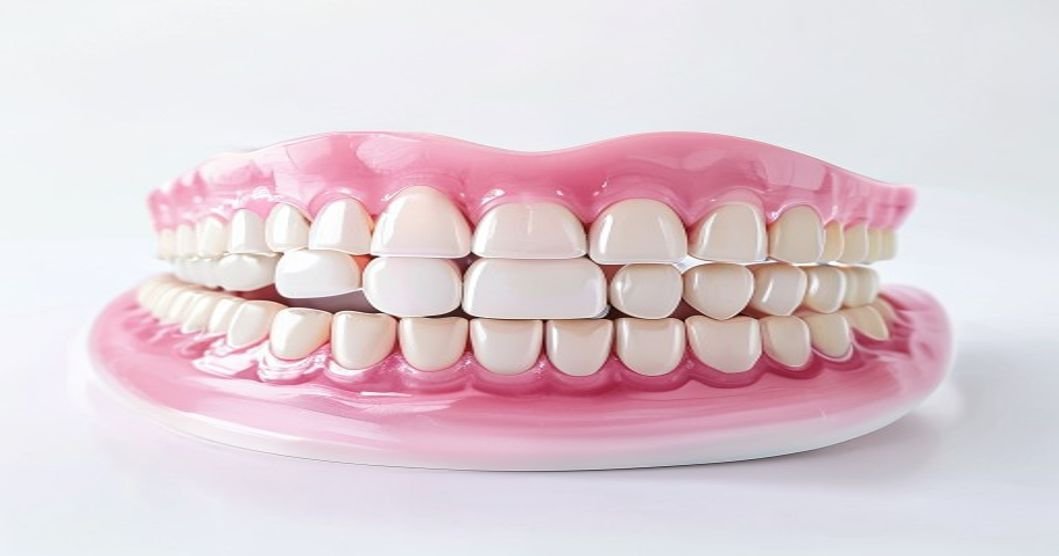
Discover everything about Complete Dentures, including costs, procedure steps, recovery, and insurance coverage. Restore your beautiful smile today!
Losing your natural teeth can feel overwhelming, but modern dentistry offers excellent solutions to restore your smile and confidence. If you are missing all or most of your teeth, Complete Dentures might be the perfect option for you. These custom-made dental appliances replace your missing teeth and surrounding tissue, giving you back the ability to chew, speak clearly, and smile without hesitation. Tooth loss affects millions of adults, impacting everything from nutrition to self-esteem. Fortunately, today’s dentures are more comfortable, natural-looking, and durable than ever before. In this comprehensive guide, we will explore everything you need to know about Complete Dentures. You will learn how the procedure works, what signs indicate you might need them, and what to expect during recovery. We will also break down the costs, explain how dental insurance works, and compare them to alternative tooth replacement options. Whether you are currently experiencing tooth loss or just planning for the future, understanding your options is the first step toward better oral health. By the end of this article, you will feel empowered to make an informed decision and take the next step toward a healthier, more confident smile with your new prosthetic teeth.
| Topic | Key Point |
|---|---|
| Definition | Complete Dentures are removable prosthetic devices that replace all missing teeth in an upper or lower jaw. |
| Ideal Candidates | Best for patients who have lost all or nearly all of their natural teeth due to decay, gum disease, or trauma. |
| Procedure Time | The entire process from initial consultation to final fitting typically takes 4 to 6 weeks with multiple visits. |
| Average Cost | Costs generally range from $1,500 to $3,500 per arch, depending on materials and provider expertise. |
| Lifespan | With proper care and regular adjustments, complete dentures typically last 5 to 8 years before needing replacement. |
| Maintenance | Require daily cleaning, overnight soaking, and regular dental check-ups to maintain oral health and fit. |
| Alternatives | Dental implants and implant-supported overdentures offer greater stability but come at a higher price point. |
| Insurance | Most dental insurance plans cover 50% of the cost after a waiting period, subject to annual maximums. |
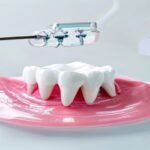
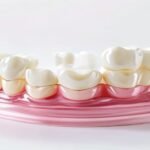
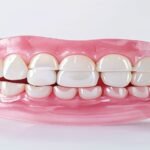
Complete Dentures are removable oral appliances designed to replace every tooth in a single arch—either the upper jaw (maxilla) or the lower jaw (mandible). When a patient needs both arches replaced, they receive a full set. These prosthetics consist of artificial teeth, typically made from high-quality acrylic or porcelain, attached to a gum-colored base. This base is crafted from a durable acrylic resin or sometimes a flexible nylon material. The base rests directly on your gums and mimics the natural appearance of your oral tissue.Dentists recommend this treatment when natural teeth are beyond saving. Severe periodontal (gum) disease, extensive tooth decay, and traumatic injuries are the most common culprits. When teeth are lost, the underlying jawbone begins to shrink over time, a process called bone resorption. Complete Dentures help stimulate the gums and provide a functional chewing surface, though they do not completely stop bone loss like dental implants do.From a clinical perspective, creating a well-fitting denture is a precise art. The upper denture usually covers the palate (the roof of your mouth) to create a secure seal using suction. The lower denture is shaped like a horseshoe to leave room for your tongue. Achieving the correct bite alignment, known as occlusion, is critical. If the teeth do not meet properly, it can cause jaw pain, difficulty chewing, and changes to your facial profile.Integrating Complete Dentures into your overall oral health care requires a team approach. Your dentist will monitor the health of your remaining gum tissue and check for any signs of oral cancer during routine visits. They will also perform regular adjustments to ensure the dentures continue to fit well as your jawbone naturally changes shape. Properly fitted dentures not only restore your ability to eat a nutritious diet but also support your facial muscles, preventing the sunken appearance that often accompanies total tooth loss.
Advanced gum disease destroys the bone supporting your teeth, causing them to become loose and eventually fall out. If multiple teeth are highly mobile and accompanied by chronic bleeding or pus, you should call your dentist promptly. Delaying treatment can lead to painful infections and further bone loss.
When cavities are so large that they compromise the structural integrity of the tooth, extraction becomes necessary. If you have widespread decay affecting most of your teeth, a consultation for Complete Dentures is appropriate. While a single bad tooth can wait for a scheduled appointment, severe dental pain or facial swelling requires immediate emergency care.
If you are already missing all your teeth in one or both arches, you are a primary candidate. Additionally, if your dentist has determined that all remaining teeth must be extracted due to severe wear, fractures, or failed root canals, you will need a full prosthetic replacement. Schedule your consultation as soon as the extraction plan is confirmed.
Missing teeth make it hard to chew tough, healthy foods like raw vegetables, nuts, and meats. If you find yourself avoiding these foods and relying only on soft, processed items, your nutrition may be suffering. This is not a dental emergency, but it is a strong indicator that you should book an evaluation soon to discuss restorative options.
Teeth support your lips and cheeks. Without them, the lower third of your face can collapse, leading to a sunken appearance and prominent wrinkles around the mouth. If you notice significant changes in your facial profile due to tooth loss, schedule a non-urgent consultation to explore how Complete Dentures can restore your facial support.
| Item / Service | Average Cost (no insurance) | Typical Insurance Coverage | Notes |
|---|---|---|---|
| Comprehensive Exam & X-Rays | $150 – $300 | 80% – 100% | Includes full mouth series or panoramic X-rays. |
| Tooth Extractions (Simple) | $150 – $250 per tooth | 50% – 80% | Cost varies if surgical extraction is required. |
| Complete Denture (Single Arch) | $1,200 – $2,800 | 50% | Economical acrylic vs. premium flexible materials. |
| Immediate Denture Fee | $300 – $600 | 50% | Additional fee for making the denture before extractions. |
| Denture Relines (Hard or Soft) | $300 – $500 per arch | 50% | Needed every 1-2 years as the jawbone shrinks. |
| Denture Adjustments | $50 – $150 per visit | 80% – 100% | Usually included for the first 6 months post-delivery. |
| Denture Adhesives & Cleaners | $10 – $25 per month | 0% | Out-of-pocket ongoing maintenance cost. |
| Typical Total Range (Per Arch) | $1,700 – $3,500 | Varies by plan | Assumes no extractions; adds $150-$250 per tooth if needed. |
Several factors cause the final cost of Complete Dentures to vary. Geography plays a major role; patients in major metropolitan areas or coastal cities typically pay 20% to 30% more than those in rural regions. Provider specialty also impacts the price, as prosthodontists (dentists specializing in tooth replacement) often charge more than general dentists. The materials used heavily influence the final bill. Premium dentures made from high-density acrylic, flexible nylon, or featuring custom-characterized teeth cost more than standard economy acrylic options. Finally, the complexity of the case matters. Patients requiring multiple surgical extractions, bone grafting, or treatment for active gum disease before the dentures can be fabricated will see their overall costs increase significantly.
Most dental insurance plans consider Complete Dentures a major restorative service. The specific ADA procedure codes your dentist will use are typically D5110 (Complete denture – maxillary) and D5120 (Complete denture – mandibular). If you need extractions first, codes like D7140 (simple extraction) or D7210 (surgical extraction) will also apply.Coverage depends heavily on your plan type. PPO (Preferred Provider Organization) and indemnity plans usually offer the best coverage, often paying 50% of the cost for major procedures. HMO (Health Maintenance Organization) or DHMO plans may cover dentures but require you to use a specific network dentist and often involve copays rather than percentages.Most plans cover 50% of the denture cost, but there is usually a waiting period of 6 to 12 months for major services if you just enrolled. Additionally, benefits are subject to an annual maximum, which typically ranges from $1,000 to $2,000. This means your insurance will stop paying once you hit that limit for the year.Before starting treatment, always ask your dental office to submit a predetermination of benefits (also called a pre-authorization) to your insurance company. This is a request that tells the insurer exactly what work is needed and asks them to confirm in writing how much they will pay. This prevents surprise out-of-pocket bills.If you do not have dental insurance, look into dental discount plans, which charge a low annual fee for 15% to 50% off procedures at participating offices. You can also contact local dental schools, where supervised students provide high-quality care at a fraction of the cost. Finally, most dental offices offer in-house payment plans or partner with third-party medical credit cards like CareCredit to help you manage the expense over time.
This option uses 2 to 4 dental implants surgically placed in the jawbone to snap a removable denture into place. It is preferred for patients who want the security of a fixed prosthesis but cannot afford a full set of individual implants. The cost ranges from $8,000 to $15,000 per arch. The key tradeoff is that it requires minor oral surgery and a longer healing time, but it vastly improves stability and prevents bone loss compared to traditional Complete Dentures.
Also known as “Teeth in a Day,” this involves placing 4 to 6 implants to support a permanent, non-removable acrylic or porcelain bridge. It is ideal for patients who want a permanent solution that feels and functions exactly like natural teeth. Costs typically range from $20,000 to $35,000 per arch. The main tradeoff is the high upfront cost and the invasive surgical procedure required, though it offers the highest level of comfort and chewing efficiency.
If you still have some healthy natural teeth remaining, a partial denture might be a better choice than extracting them to get Complete Dentures. Partials use metal or acrylic clasps to attach to your existing teeth. They cost between $800 and $2,500 per arch. The tradeoff is that they rely on natural teeth for support, which can put extra stress on those remaining teeth over time.
Traditional bridges are only viable if you are missing just a few consecutive teeth, not a full arch. They use crowns placed on adjacent healthy teeth to hold false teeth in place. Costs average $2,000 to $5,000 depending on the number of pontics (false teeth). The tradeoff is that it requires grinding down healthy adjacent teeth, and it is not an option for complete tooth loss.
First 24 Hours:
Days 2-7:
Long-Term Care:
Red-Flag Symptoms:
Call your dentist immediately if you experience severe, uncontrolled bleeding that doesn’t stop after biting on gauze for an hour. You should also seek prompt care for intense pain that is not relieved by prescribed medication, a fever over 101°F, or sudden, severe swelling in your face or jaw. Finally, contact your office if you develop persistent, painful sores under the denture that do not heal within a few days.
Questions to Ask at Your Consultation:
Complete Dentures typically last between 5 to 8 years. However, this lifespan depends heavily on how well you care for them and how your mouth changes over time. Because the jawbone naturally shrinks when teeth are missing, the denture base will eventually lose its snug fit. Your dentist will need to perform periodic “relines” to fill in the gaps and maintain comfort. Even with excellent maintenance, the acrylic teeth will eventually wear down from chewing, and the materials will degrade, necessitating a full replacement to ensure proper function and oral health.
Modern Complete Dentures look incredibly natural and are custom-designed to match your facial features. Dentists carefully select the tooth shade, size, and shape to complement your skin tone and facial structure. The gum-colored acrylic base is also tinted to mimic the natural variations in your oral tissue. While older dentures had a reputation for looking bulky and artificial, today’s high-quality materials and precise fabrication techniques create a highly aesthetic, lifelike smile that most people cannot distinguish from natural teeth.
It is highly recommended that you remove your Complete Dentures before going to sleep. Taking them out at night gives your gum tissues a much-needed rest from constant pressure, which helps prevent irritation and fungal infections like denture stomatitis. Overnight removal also allows you to soak the dentures in water or a cleaning solution, which keeps the acrylic moist so it doesn’t warp or crack. The only exception is immediately after tooth extractions, when your dentist may instruct you to wear them continuously for the first 24 to 48 hours to protect the healing sites.
You may experience a temporary lisp or difficulty pronouncing certain words when you first get Complete Dentures. This is completely normal as your tongue and cheek muscles adjust to the new appliance. Reading aloud for 15 to 20 minutes a day can help your mouth adapt much faster. If you struggle with specific sounds, practice repeating those words slowly. Within a few weeks, your muscle memory will adjust, and your speech will return to normal. If speech issues persist long-term, your dentist can adjust the denture teeth placement.
Clean your Complete Dentures daily to remove food particles and plaque. Remove them and rinse them under running water first to prevent breakage if dropped. Brush them using a soft-bristled denture brush and a non-abrasive denture cleanser; never use regular toothpaste, as it is too harsh and can scratch the acrylic. Avoid using bleach or hot water, which can weaken the materials and fade the tooth color. When not in your mouth, store them in water or a mild denture-soaking solution to keep them from drying out and losing their shape.
It is normal to experience some mild soreness, tenderness, and increased saliva flow during the first few weeks of wearing Complete Dentures. Your mouth is adjusting to a new foreign object, and minor pressure spots may develop. Your dentist will make small adjustments to smooth out these sore areas. However, severe or sharp pain is not normal and usually indicates that the denture needs a significant adjustment. If you experience intense pain, remove the denture and contact your dental office promptly to have it professionally adjusted.
Conventional Complete Dentures are made after your remaining teeth have been removed and the gum tissue has fully healed, which usually takes 4 to 8 weeks. Because the gums are healed, the fit is generally more precise. Immediate Complete Dentures, on the other hand, are fabricated in advance and placed directly into the mouth immediately after the remaining teeth are extracted. The main advantage is that you never have to go without teeth during the healing process. However, because the gums and bone will shrink significantly as they heal, immediate dentures require more frequent adjustments and relines.
Losing your natural teeth is a significant life event, but Complete Dentures offer a reliable, cost-effective way to restore your smile, chewing function, and facial structure. We have covered how modern dentures are customized for a natural appearance, the step-by-step procedure you can expect, and the realistic costs and insurance coverage associated with treatment. While alternatives like implant-supported options exist, traditional complete dentures remain a highly successful solution for total tooth loss. The most important step you can take is to schedule a consultation with a licensed, experienced dentist. Do not delay treatment, as addressing tooth loss early prevents further bone deterioration, protects your remaining oral health, and is almost always less expensive and more effective than waiting until complications arise.