Physical Address
304 North Cardinal St.
Dorchester Center, MA 02124
Physical Address
304 North Cardinal St.
Dorchester Center, MA 02124

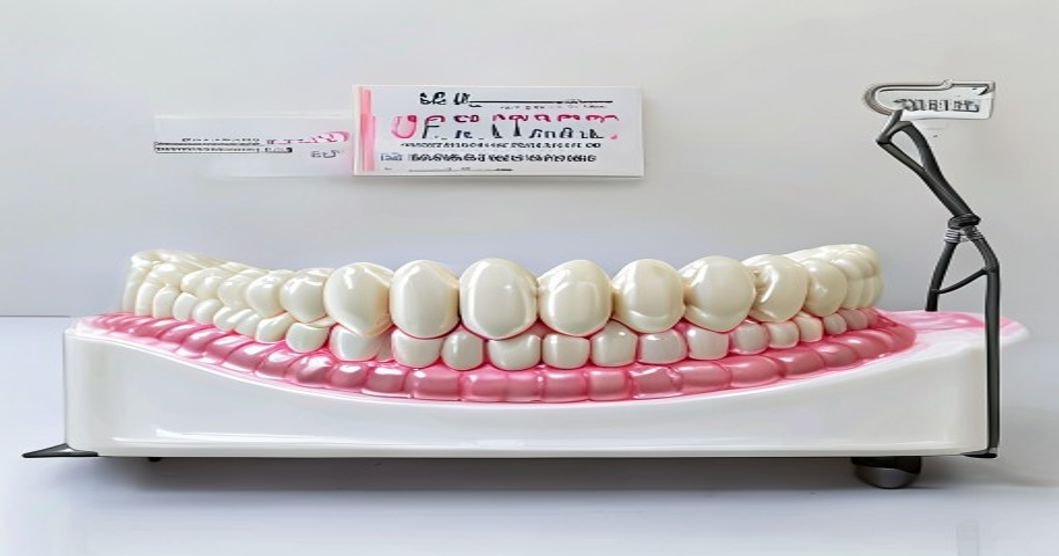
Learn everything about the Maryland Dental Bridge, including procedure steps, average costs, insurance coverage, and aftercare tips for a lasting smile.
Missing a single tooth, especially in the visible front of your mouth, can significantly impact your confidence, speech, and overall oral health. A Maryland Dental Bridge offers a conservative, highly effective solution to fill this gap seamlessly. Unlike traditional bridges that require aggressively grinding down adjacent healthy teeth, a Maryland Dental Bridge uses small metal or porcelain wings bonded directly to the back of neighboring teeth. Who needs this procedure? It is ideal for patients missing one or two front teeth who have strong, healthy adjacent teeth with no large fillings. It is also a highly popular, safe choice for teenagers whose jaws are still growing and who are not yet candidates for permanent dental implants.In this comprehensive guide, you will learn exactly what a Maryland Dental Bridge involves, the signs that indicate you are a good candidate, and what to expect during the procedure. We will also cover average costs, insurance coverage, essential aftercare, and how to find the right dental professional. Understanding this process empowers you to make informed decisions about restoring your smile. Early intervention prevents neighboring teeth from shifting and preserves your long-term oral health.
| Topic | Key Point |
|---|---|
| Purpose | Replaces a single missing tooth, usually in the front, using bonded wings. |
| Ideal Candidates | Patients with healthy adjacent teeth, often teens, young adults, or those avoiding drills. |
| Procedure Time | Typically requires two short visits, spaced about two to three weeks apart. |
| Pain Level | Minimally invasive; usually requires little to no local anesthesia or numbing. |
| Average Cost | Ranges from $1,000 to $2,500 per tooth replaced, depending on materials. |
| Insurance Coverage | Often covered at 50% under major restorative dental insurance benefits. |
| Longevity | Lasts 5 to 15 years with proper care and strict avoidance of hard, sticky foods. |
| Crucial Aftercare | Special flossing techniques are required to clean under the false tooth and wings. |
A Maryland Dental Bridge, also clinically known as a resin-bonded bridge, is a specialized type of dental prosthesis used to replace a missing tooth. It consists of a false tooth, called a pontic, which is flanked by two thin “wings” or frameworks. These wings are bonded directly to the lingual (back) surfaces of the adjacent natural teeth, anchoring the false tooth securely in place.The primary advantage of a Maryland Dental Bridge is its highly conservative nature. Traditional dental bridges require the dentist to aggressively shave down the neighboring teeth to create room for full-coverage crowns. In contrast, the Maryland design requires only minimal etching or superficial preparation of the back of the adjacent teeth. This preserves the maximum amount of healthy, natural tooth structure for the patient’s lifetime.These bridges are typically fabricated from a combination of advanced dental materials. The framework can be made of cast metal, which offers superior strength and bondability, or zirconia and porcelain, which provide a highly aesthetic, completely metal-free appearance. The pontic itself is usually crafted from high-quality porcelain or composite resin to match the exact color, shape, and translucency of your natural teeth.Because the bond relies heavily on the enamel of the adjacent teeth, a Maryland Dental Bridge is generally not recommended for back teeth (molars). The heavy chewing and grinding forces in the posterior region can easily dislodge the wings. Therefore, this solution is predominantly used for replacing missing incisors or canines in the anterior (front) region of the mouth.This type of bridge is particularly valuable for younger patients. Teenagers and young adults often cannot receive dental implants because their jawbones are still actively developing. A Maryland Dental Bridge serves as an excellent, non-invasive transitional or long-term restoration until the patient is old enough for a permanent implant. It restores chewing function, prevents adjacent teeth from drifting into the empty space, and maintains a beautiful, natural-looking smile.
Recognizing the signs that you are a candidate for this specific restoration is the first step toward reclaiming your smile. The ideal scenario involves a combination of missing teeth and specific oral health conditions.
Losing an incisor or canine due to trauma, severe decay, or congenital absence creates a visible, functionally limiting gap. A Maryland Dental Bridge is specifically designed for the anterior region, providing an aesthetic and functional replacement without altering healthy neighboring teeth. If you have a visible gap, consult your dentist promptly to prevent shifting.
For this bridge to succeed long-term, the teeth next to the gap must be strong, healthy, and free of large fillings or active decay. The wings need solid, intact enamel to bond to securely. If your adjacent teeth are heavily restored or weakened, a traditional bridge or implant may be a structurally safer option.
Dental implants require a fully matured jawbone, which typically does not happen until the early twenties. A Maryland Dental Bridge is the gold standard for adolescents missing a front tooth. It preserves bone and tooth structure while safely bridging the gap until the patient reaches implant eligibility.
If you are anxious about dental drills or want to preserve every bit of your natural tooth structure, this is an ideal choice. The preparation for a Maryland Dental Bridge is minimal, often requiring no numbing and causing little to no post-procedure sensitivity or discomfort.
Understanding the steps of a Maryland Dental Bridge placement helps ease anxiety. The process is highly refined, efficient, and prioritizes patient comfort throughout.
Every dental procedure carries some level of risk, but the benefits of a Maryland Dental Bridge far outweigh the minimal downsides for appropriately selected patients.
The cost of a Maryland Dental Bridge varies based on the materials used and the provider’s expertise. Below is a breakdown of typical expenses in the United States based on 2024-2026 national averages.
| Item / Service | Average Cost (no insurance) | Typical Insurance Coverage | Notes |
|---|---|---|---|
| Initial Consultation & X-Rays | $100 – $200 | 80% – 100% | Comprehensive exam and diagnostic imaging. |
| Digital Scan or Impressions | $50 – $150 | 50% – 80% | Required for custom laboratory fabrication. |
| Maryland Bridge (Metal Framework) | $1,000 – $1,500 | 50% | Most durable and cost-effective option. |
| Maryland Bridge (Zirconia/Porcelain) | $1,500 – $2,500 | 50% | Highly aesthetic, metal-free alternative. |
| Temporary Flipper (Optional) | $300 – $500 | 50% | Worn while the permanent bridge is fabricated. |
| Bonding and Cementation Materials | $100 – $200 | 50% | Specialized resin cements for maximum retention. |
| Follow-Up Adjustment Visit | $50 – $100 | 80% – 100% | To check bite and ensure the bond is secure. |
| Typical Total Range | $1,200 – $2,800 | ~50% Covered | Total out-of-pocket varies by plan and material. |
The main factors that cause cost variation include geography, the dental laboratory used, and the material chosen. Patients in major urban centers or coastal cities will typically pay 20% to 30% more than those in rural areas due to higher clinic overhead. Additionally, choosing a high-end zirconia framework will cost more than a traditional cast metal framework, though it offers superior aesthetics. The complexity of the case, such as the need for minor orthodontic alignment before placement, can also increase the overall investment.
Yes, dental insurance typically covers a Maryland Dental Bridge, but it is usually classified under “major restorative” benefits rather than basic or preventive care.Applicable ADA Procedure Codes: The most common codes are D6250 (pontic, resin bonded to enamel of abutment teeth) and D6251 (retainer, resin bonded to enamel of abutment teeth). Accurate coding is essential for proper reimbursement.Plan Types and Coverage: Preferred Provider Organization (PPO) plans typically cover this procedure at 50% of the allowed amount, after you have met your annual deductible. Health Maintenance Organization (HMO) plans may cover it with a fixed copay, provided you use an in-network provider.Waiting Periods: Because it is a major restorative procedure, many PPO and indemnity plans impose a 6-to-12-month waiting period before you can claim this benefit. Always check your specific policy details before scheduling.Predetermination of Benefits: Always request a predetermination of benefits before starting treatment. Your dentist will submit the ADA codes and a clinical narrative to your insurance company. They will reply with a precise breakdown of what they will pay and your exact out-of-pocket responsibility.Tips for Patients Without Insurance: If you are uninsured, ask your dental office about in-house membership or discount plans, which can reduce the cost of the bridge by 15% to 25%. Many clinics also offer third-party financing options like CareCredit, allowing you to pay for the procedure in manageable, interest-free monthly installments.
While a resin-bonded bridge is an excellent choice for many, patients and providers sometimes explore alternative approaches based on the severity of the situation and long-term goals.
The longevity of a Maryland Dental Bridge relies heavily on proper aftercare and mindful habits. The mouth adapts quickly, but the bond requires protection.First 24 hours:
Days 2-7:
Long-term care:
Red-flag symptoms:
Call your dentist immediately if the bridge feels loose or pops off, if you experience sharp pain when biting down, or if you notice persistent bad breath or swelling around the adjacent teeth, which could indicate hidden decay.
Choosing a provider who understands the nuances of adhesive dentistry is crucial for a successful, long-lasting outcome. Consider these factors when making your choice:
Questions to Ask at Your Consultation:
With proper care and good oral hygiene, a Maryland Dental Bridge typically lasts between 5 to 15 years. The longevity depends heavily on your biting habits, the material used, and the skill of the dentist during the bonding process. Avoiding hard or sticky foods significantly extends its lifespan. Regular dental checkups allow your dentist to monitor the bond and address any minor issues before the bridge fails completely.
Generally, no. A Maryland Dental Bridge is specifically designed for the anterior (front) region of the mouth. The molars and premolars endure immense chewing and grinding forces. These heavy occlusal loads can easily break the resin bond or fracture the thin wings of the bridge. For missing back teeth, a traditional bridge or a dental implant is a much stronger and more reliable long-term solution.
No, the procedure is considered minimally invasive and is typically painless. Because the preparation only involves lightly roughening or etching the back of the adjacent teeth, it rarely requires local anesthesia or numbing injections. Most patients report feeling only slight pressure or vibration during the process. Any post-procedure sensitivity to hot or cold is usually mild and resolves within a few days.
If your bridge debonds, do not panic, but contact your dentist immediately. Save the bridge and bring it to your appointment. In many cases, if the bridge and the adjacent teeth are undamaged and free of decay, the dentist can simply clean the surfaces and re-bond the bridge in a single, quick visit. Do not attempt to glue it back on yourself with household adhesives.
Yes, but timing is crucial. If you currently have braces, your orthodontist and general dentist must coordinate. Often, the Maryland Dental Bridge is placed after the braces are removed and the teeth have settled into their final positions. In some cases, a temporary retainer with a fake tooth is used during orthodontic treatment, with the permanent bridge placed afterward.
Cleaning under the false tooth (pontic) is essential to prevent gum disease and decay. You cannot use regular floss normally. Instead, use a floss threader to pull the floss underneath the pontic, or invest in a water flosser, which is highly effective at blasting away food particles and plaque from the wing margins. Your dental hygienist can demonstrate the best technique for your specific bridge.
Yes, one of the greatest advantages of a Maryland Dental Bridge is its reversibility. Because it requires little to no removal of healthy tooth enamel, the bridge can be removed by a dentist with minimal impact on the adjacent teeth. This makes it an excellent transitional restoration for young patients who plan to get a dental implant once their jawbone has fully matured.
A Maryland Dental Bridge is a highly effective, conservative solution for replacing a missing front tooth. By preserving healthy adjacent tooth structure, offering excellent aesthetics, and providing a minimally invasive procedure, it remains a top choice for teenagers, young adults, and anyone seeking to avoid aggressive dental work. Remember that early intervention is crucial; replacing a missing tooth promptly prevents neighboring teeth from shifting, protects your bite alignment, and preserves your jawbone health.If you are missing a tooth and want to explore your restorative options, do not delay. Schedule a comprehensive consultation with a licensed, experienced dentist today. A professional evaluation will determine if a Maryland Dental Bridge is the right fit for your unique oral health needs, ensuring a beautiful, functional, and long-lasting smile.