Physical Address
304 North Cardinal St.
Dorchester Center, MA 02124
Physical Address
304 North Cardinal St.
Dorchester Center, MA 02124

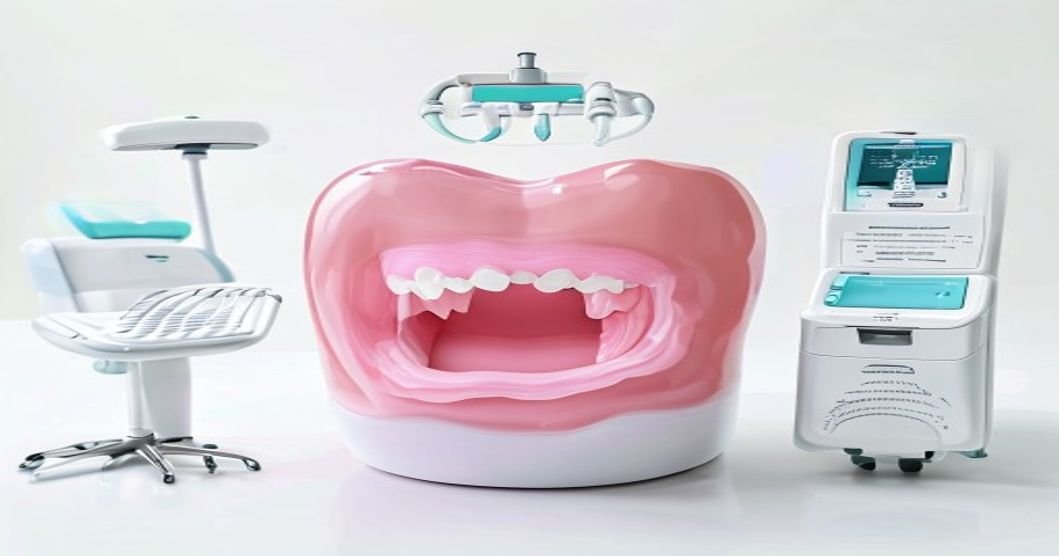
Discover how Pericoronitis Treatment relieves painful wisdom tooth infections. Learn about costs, recovery steps, and what to expect at the dentist today.
Pain and swelling at the very back of your mouth can make eating, speaking, and sleeping incredibly difficult. This discomfort is often caused by an infection around a partially erupted wisdom tooth, a condition known as pericoronitis. When a flap of gum tissue traps food and bacteria, professional Pericoronitis Treatment becomes absolutely necessary. This specialized care cleans the infected area, reduces inflammation, and prevents the infection from spreading to your jaw or neck. In this comprehensive guide, you will learn exactly what Pericoronitis Treatment involves and why it is critical for your oral health. We will explore the common warning signs, the step-by-step clinical procedure, and what to expect during your recovery. You will also discover realistic cost estimates, insurance coverage details, and alternative treatment options. Understanding your choices empowers you to take swift action and protect your smile.
| Topic | Key Point |
|---|---|
| Core Definition | Professional care to clean and resolve infections around partially erupted wisdom teeth. |
| Primary Cause | A gum flap, called an operculum, trapping food debris and bacteria over an emerging tooth. |
| Common Methods | Professional irrigation, debridement, operculectomy, or definitive wisdom tooth extraction. |
| Procedure Time | Initial cleaning and irrigation typically take 30 to 45 minutes in a single office visit. |
| Recovery Speed | Most patients feel significant pain relief within 24 to 48 hours after professional cleaning. |
| Cost Range | Averages $150 to $400 for irrigation, or $200 to $600+ per tooth for surgical extraction. |
| Ideal Candidates | Anyone experiencing pain, swelling, or bad breath localized around a back wisdom tooth. |
| Long-Term Outlook | Definitive extraction is often recommended to prevent the infection from permanently recurring. |
To understand this condition, it helps to know a bit about dental anatomy. Wisdom teeth, or third molars, are the last teeth to emerge in the back of your mouth. Often, there is not enough room in the jaw for them to come in fully. When a wisdom tooth only partially breaks through the gums, a flap of soft tissue remains over part of the tooth. This flap is called an operculum. The space between the operculum and the tooth creates a perfect trap for food particles and oral bacteria. Because this area is so far back, it is nearly impossible to clean effectively with a regular toothbrush or floss. Over time, the trapped bacteria multiply, leading to localized inflammation and infection. This specific infection is called pericoronitis. If left untreated, the infection can spread to the surrounding gums, cheek, jawbone, or even the neck, causing severe health complications.Pericoronitis Treatment is the clinical process of eliminating this infection and managing the inflamed tissue. The most common initial treatment involves a dentist thoroughly flushing the area under the gum flap with antimicrobial solutions, such as chlorhexidine or sterile saline. The dentist will also gently remove any trapped debris, a process known as debridement. In some cases, the dentist may recommend removing the gum flap entirely, a minor procedure called an operculectomy. However, the most definitive and permanent Pericoronitis Treatment is the extraction of the problematic wisdom tooth itself. By addressing the root cause, dentists can eliminate the pain and protect your overall oral health from further damage.
Identifying the early signs of a wisdom tooth infection is crucial for preventing severe complications. If you notice any of the following symptoms, you should schedule an evaluation with a dentist promptly.
The most common symptom of pericoronitis is a dull ache or sharp, throbbing pain at the very back of your mouth. The gums surrounding the partially erupted tooth will often appear swollen, red, and puffy. This swelling can sometimes spread to your cheek or jaw. You should call a dentist promptly if the pain interferes with your daily activities or sleep.
As bacteria multiply under the gum flap, they produce foul-smelling waste products. This often results in a persistent, unpleasant metallic or sour taste in your mouth. You may also notice chronic bad breath that does not improve with regular brushing or mouthwash. This is a strong indicator of an active infection requiring professional cleaning.
In more advanced cases, the inflammation can spread to the muscles responsible for chewing. This causes a condition called trismus, or “lockjaw,” where you struggle to open your mouth fully. Trismus is a serious warning sign. If you experience significant difficulty opening your mouth, you should seek emergency dental care immediately, as the infection may be spreading to deeper facial spaces.
Your body’s immune system reacts to the localized infection by activating nearby lymph nodes. You may feel tender, swollen lumps under your jaw or in your neck. This systemic response indicates that your body is fighting a significant bacterial load. If accompanied by a fever, this requires urgent professional attention.
The gum tissue covering the wisdom tooth will often look angry and inflamed. It may bleed easily when you brush your teeth or eat firm foods. While mild irritation can sometimes wait for a scheduled checkup, active bleeding combined with pain and swelling means you need Pericoronitis Treatment as soon as possible to prevent tissue damage.
Understanding the step-by-step process will help you feel prepared and relaxed on the day of your dental visit. Here is exactly what happens from your initial consultation to your final healed result.
Every dental procedure carries a unique set of advantages and potential drawbacks. It is important to discuss these openly with your provider to ensure Pericoronitis Treatment is the right choice for your specific situation.
The cost of Pericoronitis Treatment depends heavily on the severity of the infection and the specific techniques required. Below is a breakdown of typical out-of-pocket expenses for patients paying without insurance in the current US market.
| Item / Service | Average Cost (no insurance) | Typical Insurance Coverage | Notes |
|---|---|---|---|
| Emergency Exam and Panoramic X-Ray | $100 – $250 | 80% – 100% | Includes the initial diagnosis and imaging of the jaw. |
| Localized Irrigation and Debridement | $150 – $300 | 50% – 80% | Billed under ADA code D4910 or similar periodontal code. |
| Operculectomy (Gum Flap Removal) | $200 – $500 | 50% – 80% | Minor surgical removal of the tissue covering the tooth. |
| Wisdom Tooth Extraction (Simple) | $150 – $300 per tooth | 50% – 80% | For fully erupted teeth that can be pulled easily. |
| Wisdom Tooth Extraction (Surgical) | $300 – $600+ per tooth | 50% – 80% | Required for impacted teeth requiring bone removal. |
| Prescription Antibiotics | $15 – $50 | Varies by medical plan | Typically Amoxicillin or Clindamycin for 5-7 days. |
| Follow-Up Visit | $50 – $150 | 80% – 100% | Checks healing and ensures the infection is fully cleared. |
| Typical Total Range (Irrigation Only) | $250 – $550 | Varies by plan | Does not include the cost of definitive tooth extraction. |
Several key factors cause cost variation across the United States. Geography is a major driver; patients in high-cost metropolitan areas will pay significantly more than those in rural regions. Provider specialty also impacts the price, as oral and maxillofacial surgeons typically charge more than general dentists for surgical extractions or complex operculectomies. Finally, the complexity of the case matters. A fully erupted tooth requiring simple irrigation costs far less than a deeply impacted tooth requiring surgical removal and bone grafting.
Navigating insurance for emergency dental care can be confusing, but understanding your benefits will help you plan financially. Dentists typically bill localized irrigation and debridement under the ADA procedure code D4910 (periodontal maintenance) or D4381 (localized delivery of antimicrobial agents). If surgical removal of the tooth is required, codes like D7140 (extraction of erupted tooth) or D7240 (removal of impacted tooth) are used. Because these are medically necessary procedures to stop an active infection, most dental insurance plans will cover a portion of the cost.PPO (Preferred Provider Organization) plans are the most flexible. They typically cover 50% to 80% of the cost of the treatment after you meet your annual deductible. Unlike purely cosmetic procedures, emergency infection control rarely has a waiting period. HMO (Health Maintenance Organization) plans usually require you to see a specific in-network provider, but they will cover the procedure with a small, fixed copay. Indemnity plans may cover a set percentage, but they often have lower annual maximums that could be quickly exhausted by surgical extractions.Always request a predetermination of benefits if your situation allows for a brief delay. Your dentist will submit the proposed treatment plan and specific codes to your insurer. The insurance company will then send you a written explanation of what they will pay, preventing surprise bills.If you lack dental insurance, ask your dentist about in-house membership plans or dental discount plans. These programs can reduce the cost of emergency procedures and extractions by 20% to 30%. You can also utilize third-party medical lenders like CareCredit for interest-free payment plans. Additionally, local dental schools often provide Pericoronitis Treatment and extractions at a significantly reduced rate under the supervision of experienced faculty.
While professional Pericoronitis Treatment is the standard response to an infected wisdom tooth, your dentist may recommend one of the following alternative or complementary approaches based on your specific anatomy and the severity of the infection.
Extraction is the definitive alternative to repeated cleanings. The dentist or oral surgeon numbs the area and removes the entire problematic wisdom tooth. This is preferred when the tooth is impacted, poorly positioned, or when pericoronitis has recurred multiple times. The approximate cost is $150 to $600+ per tooth. The key tradeoff compared to simple irrigation is that it is a more invasive surgical procedure with a longer recovery time, but it provides a permanent cure and prevents future infections.
An operculectomy is a minor surgical procedure where the dentist removes only the flap of gum tissue covering the tooth, leaving the wisdom tooth in place. This is preferred when the wisdom tooth is erupting in a good, functional position and is expected to fully emerge soon. The cost is typically $200 to $500. The key tradeoff is that the gum tissue can sometimes grow back, meaning the pericoronitis could potentially return, requiring eventual extraction anyway.
In specific cases where there is severe swelling but no immediate access to a dentist, a doctor or dentist might prescribe antibiotics to manage the infection temporarily. This is preferred only as a short-term measure to reduce severe swelling before a definitive procedure can be performed. The cost is $15 to $50. The key tradeoff is that antibiotics cannot penetrate the physical trap under the gum flap effectively. This is not a permanent cure, and mechanical cleaning or extraction is still required.
For very mild, initial irritation without active pus or severe swelling, a dentist might recommend strict home care. This involves rigorous warm salt water rinses and meticulous cleaning with a mono-tufted brush. This is preferred only for minor, first-time inflammation. The cost is $0 to $20 for supplies. The key tradeoff is the high risk of recurrence, as the anatomical trap remains, and the infection can rapidly escalate if hygiene slips.
Proper aftercare is essential to ensure the inflamed tissue heals cleanly and the infection does not return. Follow these guidelines closely to minimize discomfort and prevent complications.
Once fully healed, maintain excellent oral hygiene to prevent future flare-ups. Use a mono-tufted brush or a water flosser on a low setting to keep the area around the wisdom tooth clean. Attend all scheduled follow-up appointments to discuss long-term solutions, such as extraction, to permanently resolve the issue.Red-Flag Symptoms: Call your dentist or go to an emergency room immediately if you experience uncontrolled bleeding, severe pain that medication does not relieve, a fever over 101°F, difficulty swallowing or breathing, or if the facial swelling rapidly increases.
Choosing a highly skilled provider is critical for a safe, effective outcome. Use this checklist to evaluate your options for emergency dental care.
Questions to Ask at the Consultation:
The initial Pericoronitis Treatment procedure is relatively quick and straightforward. Once the area is completely numb, the actual irrigation and debridement process typically takes only 15 to 30 minutes. However, your total time in the dental chair will be closer to 45 to 60 minutes. This includes the initial emergency examination, taking panoramic X-rays to evaluate the tooth’s position, and waiting for the local anesthetic to take full effect before cleaning begins.
Most patients are surprised by how comfortable Pericoronitis Treatment actually is. During the procedure, local anesthesia ensures you feel absolutely no pain. You may feel a brief pinch from the numbing injection and some mild water pressure as the dentist flushes the area, but no sharp pain. Afterward, you may experience mild soreness or tenderness in the gums for a few days. This is easily managed with over-the-counter pain relievers like ibuprofen.
In very mild cases, pericoronitis might temporarily improve with rigorous home care, such as warm salt water rinses and meticulous brushing. However, it rarely goes away permanently on its own. Because the anatomical trap (the gum flap) remains, food and bacteria will inevitably accumulate again. Without professional Pericoronitis Treatment or definitive extraction, the infection is highly likely to return, often more severely than before.
In the majority of cases, yes. While initial irrigation provides immediate relief, it is often just a temporary fix. If the wisdom tooth is impacted, growing at an angle, or if you have experienced multiple episodes of pericoronitis, your dentist will strongly recommend extraction. Removing the tooth is the only way to permanently eliminate the gum flap and guarantee that the infection will not return.
While awaiting your dental appointment, the best home remedy is a warm salt water rinse. Dissolve half a teaspoon of salt in a glass of warm water and gently swish it around the back of your mouth for 30 seconds, several times a day. This helps reduce inflammation and draws out some of the infection. Over-the-counter pain relievers like ibuprofen can also help manage discomfort, but they do not cure the underlying infection.
Yes, pericoronitis can cause systemic symptoms if the infection becomes severe or begins to spread. You may develop a low-grade fever, feel generally fatigued, or notice swollen, tender lymph nodes in your neck. These are signs that your body is fighting a significant bacterial infection. If you experience a fever alongside mouth pain and swelling, you should seek professional Pericoronitis Treatment immediately.
Without insurance, the cost of initial Pericoronitis Treatment (exam, X-ray, and irrigation) typically ranges from $250 to $550. If the infection is severe and requires an operculectomy, the cost may rise to $200 to $500. If definitive wisdom tooth extraction is required, surgical removal can cost $300 to $600 or more per tooth. Many dental offices offer payment plans or discount programs to help make these necessary treatments more affordable.
Pericoronitis Treatment is a vital, highly effective intervention for anyone suffering from the pain and swelling of an infected wisdom tooth. By professionally cleaning the area and removing trapped bacteria, this treatment provides rapid pain relief, reduces dangerous inflammation, and prevents the infection from spreading to your jaw or neck. While initial irrigation is a minimally invasive and quick procedure, it is often just the first step in a comprehensive care plan. Following the initial relief, definitive care such as wisdom tooth extraction is frequently necessary to permanently resolve the issue and protect your long-term oral health. The financial investment in prompt professional care is minimal compared to the severe health risks and higher costs associated with ignoring the problem. If you are experiencing throbbing pain, gum swelling, or difficulty opening your mouth, do not wait. Schedule an immediate consultation with a licensed dental professional to receive the prompt, expert care you need. Early intervention is always safer, less painful, and more affordable than delaying treatment.