Physical Address
304 North Cardinal St.
Dorchester Center, MA 02124
Physical Address
304 North Cardinal St.
Dorchester Center, MA 02124

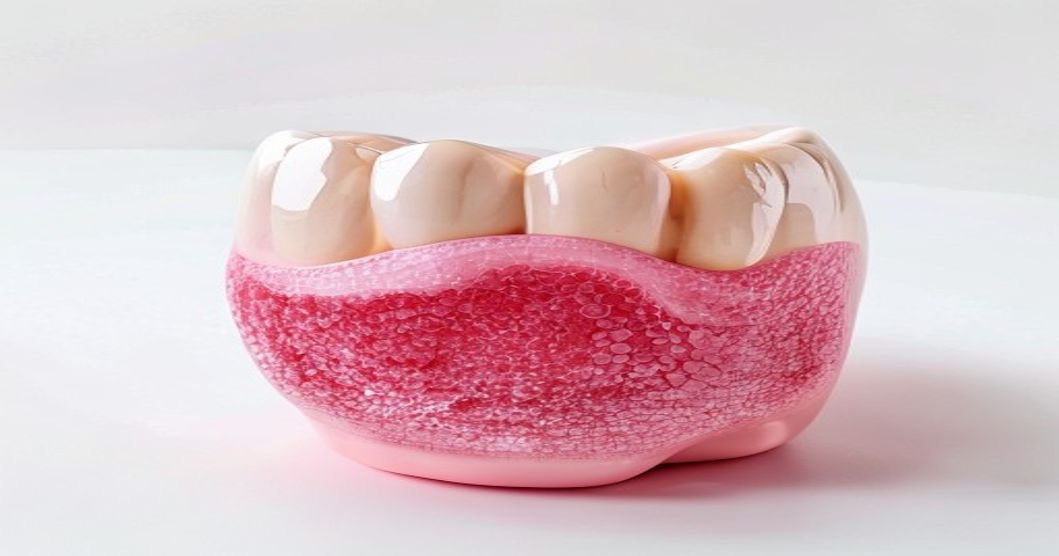
Learn how to treat dry socket after tooth extraction fast. Discover procedure costs, recovery steps, and what to expect at the dentist for immediate relief.
Experiencing severe pain a few days after a tooth removal is a common and distressing complication. This condition is widely known as a dry socket, and it requires prompt professional care to resolve. If you are suffering from Dry Socket After Tooth Extraction, you are not alone, and effective relief is readily available. This specialized treatment cleans the affected area, soothes exposed nerves, and promotes proper healing. In this comprehensive guide, you will learn exactly what this condition is and how dental professionals treat it. We will walk you through the common warning signs, the step-by-step clinical procedure, and what to expect during your recovery. You will also discover realistic cost estimates, insurance coverage details, and alternative management options. Understanding your choices empowers you to take swift action and protect your oral health. Do not ignore worsening pain, as early intervention is always safer, less painful, and more affordable than waiting for the condition to worsen.
| Topic | Key Point |
|---|---|
| Core Definition | A painful condition where the protective blood clot dislodges from the extraction site, exposing bone and nerves. |
| Primary Cause | Premature loss of the blood clot due to smoking, using straws, vigorous rinsing, or natural healing disruptions. |
| Common Treatment | Professional irrigation of the socket followed by the placement of a medicated, soothing dressing. |
| Procedure Time | The in-office treatment typically takes 15 to 30 minutes per visit, providing rapid pain relief. |
| Recovery Speed | Most patients feel significant pain reduction within a few hours of the medicated dressing placement. |
| Cost Range | Averages $150 to $350 per treatment visit, excluding the initial emergency examination fees. |
| Ideal Candidates | Anyone experiencing severe, radiating pain and delayed healing 2 to 4 days after a tooth extraction. |
| Long-Term Outlook | With proper professional treatment, the socket will heal completely within 7 to 10 days without permanent damage. |
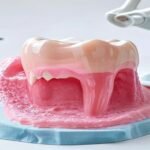
To understand this condition, it helps to know a bit about dental anatomy and the normal healing process. When a tooth is removed, a blood clot naturally forms in the empty socket. This clot acts as a protective bandage. It covers the underlying alveolar bone and delicate nerve endings, creating a foundation for new tissue and bone to grow. Dry Socket After Tooth Extraction, clinically known as alveolar osteitis, occurs when this protective blood clot fails to form, dissolves prematurely, or becomes dislodged. Without this vital barrier, the bare bone and nerves are exposed to air, food, fluids, and oral bacteria. This exposure is what causes the intense, characteristic pain associated with the condition. Several factors can increase your risk of developing this complication. Smoking or using tobacco products significantly restricts blood flow and introduces toxins that disrupt clotting. Using a drinking straw creates suction in the mouth that can physically pull the clot out of the socket. Additionally, vigorous spitting, aggressive rinsing, or a pre-existing gum infection can also prevent proper clot formation. Professional treatment for Dry Socket After Tooth Extraction is essential because the condition rarely resolves quickly on its own. A dentist must gently clean the socket to remove any food debris or bacterial buildup. They then pack the area with a specialized medicated dressing. This dressing soothes the exposed nerves, protects the bone, and creates a new environment for healthy tissue to regenerate. It fits into overall oral health care by preventing secondary infections and ensuring the extraction site heals predictably and safely.
Identifying the early signs of a dry socket is crucial for getting prompt relief and preventing further complications. If you notice any of the following symptoms, you should contact your dentist immediately for an evaluation.
The most hallmark symptom is intense, throbbing pain that begins 2 to 4 days after the extraction. Unlike normal post-operative soreness, which gradually improves, dry socket pain worsens over time. This pain frequently radiates from the extraction site to your ear, eye, temple, or neck on the same side of your face. You should call your dentist promptly, as over-the-counter pain medication often provides little to no relief for this specific type of nerve pain.
If you look in the mirror and gently pull your cheek aside, you might notice that the extraction site looks different than expected. Instead of a dark, jelly-like blood clot, you may see a dry-looking, empty hole. In some cases, you might even see whitish, bare bone at the bottom of the socket. This visual confirmation is a clear sign that professional intervention is needed to protect the exposed area.
As food particles and bacteria accumulate in the unprotected socket, they begin to decompose. This process produces a distinct, unpleasant odor and a persistent foul or metallic taste in your mouth. This bad breath will not go away with regular brushing or commercial mouthwashes. It is a strong indicator of localized bacterial activity that requires professional cleaning.
Normal extraction sites show steady signs of improvement within the first 48 hours. If your pain, swelling, or discomfort is increasing after the third day rather than decreasing, your healing process has been disrupted. This deviation from the normal recovery timeline is a major red flag. Do not wait for it to resolve on its own, as early treatment is the most effective way to restart the healing process.
Understanding the step-by-step process will help you feel prepared and relaxed on the day of your emergency dental visit. Here is exactly what happens from your initial consultation to your final healed result.
Every dental procedure carries a unique set of advantages and potential drawbacks. It is important to discuss these openly with your provider to ensure the treatment plan is the right choice for your specific situation.
The cost of treating this condition depends on the severity of the symptoms and the number of follow-up visits required. Below is a breakdown of typical out-of-pocket expenses for patients paying without insurance in the current US market.
| Item / Service | Average Cost (no insurance) | Typical Insurance Coverage | Notes |
|---|---|---|---|
| Emergency Post-Op Examination | $100 – $200 | 80% – 100% | Includes the clinical evaluation of the extraction site. |
| Socket Irrigation and Debridement | $75 – $150 | 50% – 80% | Professional flushing to remove debris and bacteria. |
| Medicated Dressing Placement (Per Visit) | $150 – $300 | 50% – 80% | Application of soothing, therapeutic paste into the socket. |
| Follow-Up Dressing Change | $100 – $200 | 50% – 80% | Required if pain persists and the initial dressing dissolves. |
| Prescription Pain Medication | $15 – $40 | Varies by medical plan | Stronger analgesics if over-the-counter options are insufficient. |
| Prescription Antibiotics | $15 – $50 | Varies by medical plan | Only prescribed if there are signs of spreading infection. |
| Therapeutic Mouthwash | $15 – $25 | 0% – 50% | Chlorhexidine rinse to keep the area clean at home. |
| Typical Total Range (Initial Visit) | $325 – $650 | Varies by plan | Total cost depends on whether follow-up visits are needed. |
Several key factors cause cost variation across the United States. Geography is a major driver; patients in high-cost metropolitan areas will pay significantly more than those in rural regions. Provider specialty also impacts the price, as oral surgeons may charge differently than general dentists for post-operative complication management. Finally, the complexity of the case matters. A simple, single-visit dressing placement costs far less than a case requiring multiple visits, prescription medications, and advanced irrigation techniques.
Navigating insurance for post-operative complications can be confusing, but understanding your benefits will help you plan financially. Dentists typically bill this treatment under specific ADA procedure codes. The most common code is D9930 (Treatment of complications (post-surgical) – unusual circumstances, by report) or D9999 (Unspecified procedure, by report). Some plans may also allow billing under D4266 (guided tissue regeneration) or specific palliative care codes, depending on the exact materials used. Because this is a medically necessary procedure to resolve a painful complication, most dental insurance plans will cover a portion of the cost.PPO (Preferred Provider Organization) plans are the most flexible. They typically cover 50% to 80% of the cost of the treatment after you meet your annual deductible. It is important to note that some insurance policies consider post-operative care within a certain window (e.g., 30 days) to be part of the original extraction fee. However, many will still pay for the specific complication code if documented properly. HMO (Health Maintenance Organization) plans usually require you to see your assigned primary dentist, but they will cover the emergency visit with a small, fixed copay. Always request a predetermination of benefits if your situation allows for a brief delay, though in true pain emergencies, dentists will often treat first and submit the claim retroactively. Your dentist will send the proposed treatment plan and specific codes to your insurer to get a written explanation of what they will pay.If you lack dental insurance, ask your clinic about in-house membership plans or dental discount plans. These programs can reduce the cost of emergency procedures by 20% to 30%. You can also utilize third-party medical lenders like CareCredit for interest-free payment plans. Additionally, local dental schools often provide complication management at a significantly reduced rate under the supervision of experienced faculty.
While professional in-office care is the gold standard for resolving this condition, your dentist may discuss the following alternative or complementary management approaches based on your specific symptoms.
For very mild cases where the pain is just beginning and there is no exposed bone, a dentist might recommend strict conservative management. This involves gently rinsing with warm salt water several times a day to keep the area clean. It costs $0 to $10 for supplies. The key tradeoff is that this does not provide the immediate, powerful pain relief of a medicated dressing, and the healing process will be slower and more uncomfortable.
Some patients attempt to manage the condition using high doses of ibuprofen or acetaminophen without seeing a dentist. While this can temporarily dull the pain, it does not address the underlying exposed bone. The approximate cost is $10 to $20. The key tradeoff is that it masks the symptoms while the risk of bacterial infection remains high, and prolonged use of high-dose NSAIDs can cause stomach or kidney issues.
In rare cases where a patient cannot tolerate the taste or texture of a medicated dressing, a dentist might prescribe stronger analgesics to manage the pain while the body heals naturally. This costs $15 to $50. The key tradeoff is that it relies entirely on systemic pain relief rather than targeted, local soothing, and it carries the risks associated with stronger pain medications, including drowsiness or dependency.
Some advanced dental clinics offer LLLT as an adjunct or alternative to traditional packing. The dentist uses a specialized, low-intensity laser to stimulate cellular activity, reduce inflammation, and promote pain relief in the socket. This costs $50 to $150 per session. The key tradeoff is that it is not universally available, is rarely covered by insurance, and may still require traditional dressing for severe cases.
Proper aftercare is essential to ensure the medicated dressing stays in place and the extraction site heals cleanly. Follow these guidelines closely to minimize discomfort and prevent the condition from recurring.
Once the pain has subsided and the dressing is no longer needed, maintain excellent oral hygiene to support the final stages of bone and gum healing. Continue to use a soft-bristled toothbrush. Attend all scheduled follow-up appointments so your dentist can confirm the socket is closing properly. Red-Flag Symptoms: Call your dentist or go to an urgent care facility immediately if you experience a fever over 101°F, visible pus draining from the socket, rapidly increasing facial swelling, difficulty swallowing or breathing, or uncontrolled bleeding that does not stop with gentle pressure.
Choosing a highly skilled and responsive provider is critical for a safe, effective, and comfortable resolution. Use this checklist to evaluate your options for emergency post-operative care.
Questions to Ask at the Consultation:
The actual in-office treatment for Dry Socket After Tooth Extraction is very quick. Once the dentist has examined the area, the irrigation and placement of the medicated dressing typically takes only 15 to 30 minutes. However, complete resolution of the condition is a process. While the pain relief is almost immediate, you may need to return to the clinic every 1 to 3 days for dressing changes until the socket begins to heal on its own, which usually takes about 7 to 10 days in total.
Most patients are highly relieved to find that the treatment itself is not painful. In fact, it provides the opposite effect. While the exposed socket is sensitive, the dentist works gently and may use a topical numbing agent. The placement of the medicated dressing immediately soothes the exposed nerves. Most patients report a dramatic reduction in their severe pain within just a few hours of leaving the dental office.
You should not attempt to definitively treat Dry Socket After Tooth Extraction entirely at home. While gentle warm salt water rinses can help keep the area clean and provide minor soothing, they cannot replicate the protective, pain-relieving effects of a professional medicated dressing. Attempting to pack the socket yourself with over-the-counter products can introduce bacteria, cause tissue damage, or push debris deeper into the wound, leading to a more serious infection.
Without insurance, the total cost to fix a dry socket typically ranges from $325 to $650 for the initial emergency visit. This includes the examination, professional irrigation, and the placement of the medicated dressing. If your case is severe and requires multiple follow-up visits for dressing changes, or if prescription medications are needed, the total cost may be higher. Dental insurance often covers 50% to 80% of these medically necessary complication codes.
The type of dressing used for Dry Socket After Tooth Extraction depends on the specific product your dentist chooses. Some medicated pastes are designed to dissolve naturally and wash out gently as you rinse with salt water over a few days. Others are solid or semi-solid ribbons that must be physically removed by the dentist during a follow-up visit. Your dentist will clearly explain which type they are using and what your specific removal instructions are.
While dry socket itself is primarily an inflammatory condition rather than a bacterial infection, the exposed bone and tissue are highly vulnerable. If food debris and bacteria are allowed to accumulate in the unprotected socket, it can develop into a secondary bacterial infection. In rare, severe cases, this can spread to the jawbone (osteomyelitis) or surrounding facial spaces. Prompt professional treatment effectively eliminates this risk.
Prevention is highly effective. After any extraction, strictly avoid smoking or using tobacco products for at least 72 hours. Do not use drinking straws, and avoid vigorous spitting or rinsing for the first 24 hours. Stick to a soft food diet and chew on the opposite side of your mouth. Finally, follow all post-operative instructions provided by your dentist meticulously, and attend your scheduled follow-up appointments to ensure the blood clot remains securely in place.
Dry Socket After Tooth Extraction is a highly painful but entirely treatable complication. By understanding the signs—such as severe radiating pain, an empty-looking socket, and a foul taste—you can seek help before the condition worsens. Professional treatment involving gentle irrigation and the placement of a medicated dressing provides rapid, effective pain relief and creates the ideal environment for your gums and bone to heal properly. While the out-of-pocket costs for emergency care can vary, the investment is minimal compared to the severe discomfort and potential health risks of ignoring the problem. If you are experiencing worsening pain a few days after a tooth removal, do not try to tough it out at home. Schedule an immediate consultation with a licensed dental professional to receive the prompt, expert care you need. Early intervention is always safer, less painful, and more effective than delaying treatment.