Physical Address
304 North Cardinal St.
Dorchester Center, MA 02124
Physical Address
304 North Cardinal St.
Dorchester Center, MA 02124

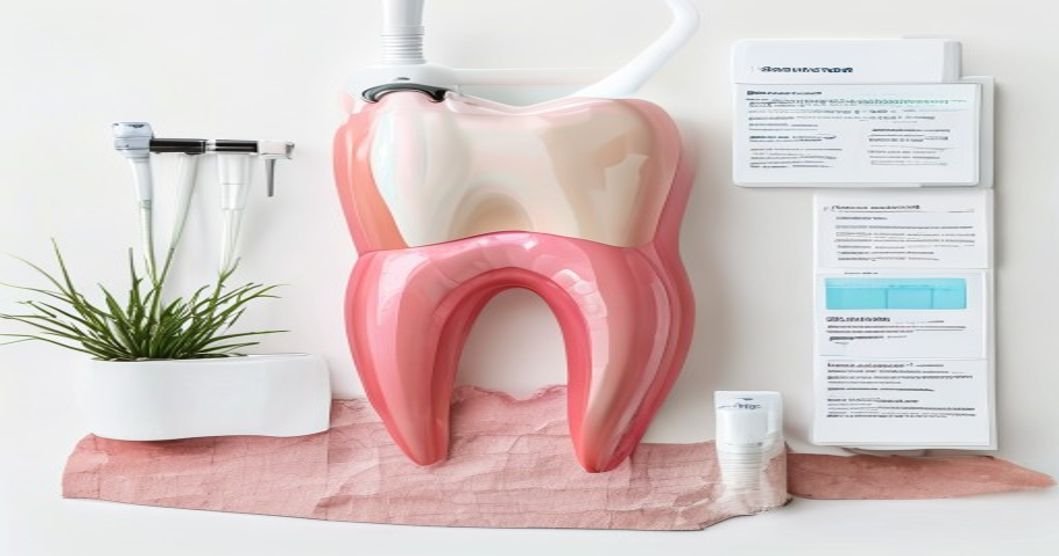
Discover the true cost of root canal treatment in 2026. Learn about average prices, insurance coverage, and hidden fees to plan your dental care budget.
Severe tooth pain can strike without warning, leaving you worried about both your health and your wallet. When a dentist recommends an endodontic procedure, understanding the cost of root canal treatment is essential for making informed decisions. This comprehensive guide breaks down everything you need to know about pricing, insurance coverage, and what to expect during the process. A root canal is a common dental procedure designed to save a severely decayed or infected tooth. Instead of pulling the tooth, the dentist removes the damaged pulp, cleans the inside, and seals it. Millions of Americans need this treatment every year to relieve pain and keep their natural smiles intact. In this article, we will explore the average prices across the United States, the factors that drive up or lower the final bill, and how dental insurance can help offset the expense. You will also learn about the step-by-step procedure, recovery tips, and alternative options if a root canal is not the right choice for you. By the end of this guide, you will feel confident and prepared to discuss your treatment plan and budget with your dental provider. Let us dive into the details of saving your tooth and managing the financial side of your dental care.
| Topic | Key Point |
|---|---|
| Average Price | Expect to pay between $700 and $1,500 per tooth without insurance. |
| Insurance Coverage | Most PPO plans cover 50% to 80% of the procedure after a deductible. |
| Molar vs. Front Tooth | Molars cost more due to complex root anatomy and extra time required. |
| Endodontist vs. Dentist | Specialists typically charge 20% to 30% more than general dentists. |
| Crown Costs | A dental crown is usually required afterward, adding $1,000 to $2,500. |
| Retreatment | If a previous root canal fails, retreatment costs slightly more initially. |
| Pain Relief | The procedure itself relieves severe tooth pain rather than causing it. |
| Payment Options | Dental schools and discount plans can significantly reduce out-of-pocket costs. |
To understand the cost of root canal treatment, it helps to know exactly what the procedure involves and why it is necessary. Inside every tooth, beneath the hard white enamel and the dentin layer, is a soft tissue called the dental pulp. This pulp contains blood vessels, nerves, and connective tissue that help the tooth root grow during development. However, once the tooth is fully mature, it can survive without the pulp. When deep decay, repeated dental procedures, or a crack allows bacteria to enter the pulp chamber, infection sets in. If left untreated, this infection can cause severe pain, lead to an abscess at the root tip, and eventually result in tooth loss. The primary goal of this treatment is to save the natural tooth. By removing the infected or inflamed pulp, carefully cleaning and shaping the inside of the root canals, and then filling and sealing the space, the dentist eliminates the infection. This preserves the natural structure of your mouth and prevents further complications. Maintaining your natural tooth is crucial for efficient chewing, biting force, and natural appearance. It also prevents neighboring teeth from shifting out of position, which can cause bite issues and jaw pain. The cost of root canal treatment reflects the specialized skills, precision instruments, and time required to perform this delicate microscopic surgery. Modern techniques, including dental microscopes and digital imaging, allow dentists to navigate complex root anatomy with incredible accuracy. While the idea of a root canal might sound intimidating, modern anesthesia ensures the procedure is no more uncomfortable than getting a routine filling. Ultimately, investing in this treatment is a proactive step to maintain your overall oral health and avoid more expensive replacements like implants or bridges in the future.
Pain is the most obvious warning sign that your tooth nerve is in trouble. If you experience a dull ache or sharp pain that lingers, especially when chewing or applying pressure, the nerve inside your tooth may be damaged. This pain can radiate to your jaw, face, or other teeth, making it hard to pinpoint the exact source. When to call: Contact your dentist immediately if the pain is severe, keeps you awake at night, or is not relieved by over-the-counter pain medication.
It is normal for teeth to feel slightly sensitive after a recent filling, but this should fade quickly. However, if a tooth continues to hurt long after the hot or cold stimulus is removed, it indicates pulp inflammation or necrosis. The pain might feel like a deep, throbbing ache that lingers for minutes after eating ice cream or drinking hot coffee. When to call: Schedule an appointment within a few days, but if the sensitivity is sudden and excruciating, call right away.
Infection in the tooth root can easily spread to the surrounding gum tissue. You might notice swelling, redness, or tender bumps on the gums near the painful tooth. Sometimes, a pimple-like bump called a dental abscess or fistula appears, which may drain pus and cause a bad taste in your mouth. When to call: Call your dentist promptly for an evaluation, and seek emergency medical care immediately if you have facial swelling, a fever, or difficulty swallowing.
A tooth that has suffered trauma or internal nerve death may turn gray, brown, or dark yellow. This discoloration happens because the blood supply to the pulp has been compromised, causing the internal tissues to break down and stain the dentin. It is a clear visual indicator that the nerve inside the tooth is no longer viable. When to call: Mention this at your next regular checkup, but if the darkening is accompanied by pain or swelling, schedule an urgent visit.
Cracks can occur from chewing hard foods, sports injuries, or even grinding your teeth at night. These cracks provide a direct pathway for bacteria to reach the sensitive pulp inside the tooth. You might feel a sharp pain when biting down, which mysteriously disappears when you release the bite. When to call: See your dentist as soon as possible to prevent the crack from deepening and the infection from spreading.
| Item / Service | Average Cost (no insurance) | Typical Insurance Coverage | Notes |
|---|---|---|---|
| Initial Exam & X-Rays | $100 – $250 | 80% – 100% | Includes diagnostic imaging to assess the tooth. |
| Front Tooth (Anterior) | $700 – $1,100 | 50% – 80% | Usually has one root, making it less complex. |
| Premolar (Bicuspid) | $800 – $1,200 | 50% – 80% | Typically has one or two roots. |
| Molar (Posterior) | $1,000 – $1,600 | 50% – 80% | Has three or four roots, requiring more time. |
| Endodontist Specialist Fee | +$200 – $500 | Varies by plan | Specialists charge more for complex cases. |
| Retreatment (if needed) | $900 – $1,500 | 50% – 80% | Required if the initial root canal fails. |
| Temporary Filling | $30 – $80 | 80% – 100% | Placed between visits to protect the tooth. |
| Dental Crown (Post-Procedure) | $1,000 – $2,500 | 50% | Usually required to protect the treated tooth. |
| Typical Total Range | $1,700 – $4,100 | Varies | Includes the root canal and final crown. |
The final cost of root canal treatment varies widely based on several key factors. Geography plays a major role, as patients in major metropolitan areas like New York or San Francisco will pay significantly more than those in rural Midwest towns due to higher overhead costs. The provider’s specialty also impacts the price, since complex cases are often referred to an endodontist whose specialized training commands a higher fee. Additionally, the complexity of the tooth’s anatomy affects the bill. Molars with multiple, curved, or calcified canals take longer to treat and require more advanced technology, such as dental microscopes, which increases the cost. Finally, the type of materials used for the final restoration, like a high-quality porcelain crown, will add to your overall out-of-pocket expenses.
Understanding your dental benefits can significantly lower your out-of-pocket cost of root canal treatment. Most dental insurance plans classify this procedure as a major or basic service, depending on the specific plan design. The relevant American Dental Association (ADA) procedure codes are D3310 for anterior teeth, D3320 for premolars, and D3330 for molars. Preferred Provider Organization (PPO) and indemnity plans typically offer the best coverage, often paying 50% to 80% of the allowed fee after you meet your annual deductible. Health Maintenance Organization (HMO) plans may cover the procedure at a fixed copay, but you must use an in-network dentist. Be aware that some plans impose a 6- to 12-month waiting period for major procedures, though emergency pain relief might waive this requirement. Always request a predetermination of benefits before starting treatment. This is a pre-authorization where your insurance company reviews the treatment plan and tells you exactly what they will pay. It is the absolute best way to avoid surprise bills and understand your financial responsibility. If you do not have dental insurance, you still have excellent options available. Dental schools offer high-quality care at a fraction of the cost, as procedures are performed by supervised students. Dental discount plans are another alternative, offering 10% to 60% off standard rates at participating dentists for a small annual fee. Finally, most dental offices offer in-house payment plans or partner with third-party medical credit cards to help you spread the cost over several months.
This involves completely removing the damaged tooth from the socket. It is preferred when the tooth is too fractured to save or if the patient cannot afford a root canal. The upfront cost is low, typically ranging from $150 to $400 for a simple extraction. The major tradeoff is that losing a tooth can lead to bone loss, shifting of adjacent teeth, and chewing difficulties, often requiring a costly replacement like an implant later.
If a tooth is extracted, an implant replaces the root with a titanium post and a crown. This is the best alternative when a root canal is impossible or has failed. The cost ranges from $3,000 to $6,000. While it preserves jawbone and looks natural, the tradeoff is the high initial cost and the lengthy surgical process, which can take several months to complete.
A bridge uses the adjacent teeth as anchors to hold a false tooth in the gap. It is chosen when a patient wants a fixed replacement but cannot afford an implant. The cost is usually $2,000 to $5,000. The primary tradeoff is that the healthy neighboring teeth must be filed down to support the bridge, permanently altering their structure.
This is a conservative procedure where a medicated material is placed over a nearly exposed or slightly exposed pulp to help it heal. It is only preferred for very early-stage decay or minor trauma in young patients. The cost is minimal, around $50 to $150. The tradeoff is that it only works in very specific, early scenarios; if the pulp is already severely infected, it will fail, and a root canal will still be necessary.
First 24 Hours:
Take over-the-counter pain medication as directed before the numbness fully wears off. Eat soft foods like yogurt, applesauce, or scrambled eggs to avoid irritating the area. Do not chew on the side of your mouth with the treated tooth, and avoid hot liquids if you are still numb to prevent accidental burns. Finally, do not use a straw, as the suction can disrupt the temporary filling.Days 2-7:
Continue to avoid hard, crunchy, or sticky foods, and stay away from extremely hot or cold items if sensitivity persists. Resume gentle brushing and flossing, but be careful around the treated tooth. You can rinse with warm salt water to soothe the gums, and you can return to normal daily activities immediately. However, avoid strenuous exercise for the first 24 to 48 hours to minimize throbbing.Long-Term Care:
Once the permanent crown is placed, treat the tooth exactly like your natural teeth. Brush twice a day with fluoride toothpaste, floss daily, and visit your dentist for regular cleanings. Avoid using your teeth to open packages or chew on ice, which can fracture the crown and ruin the underlying root canal work.Red-Flag Symptoms:
Call your dentist immediately if you experience severe pain that worsens after a few days instead of improving. You should also seek immediate help if you notice visible swelling inside your mouth or on your face, or if you develop an allergic reaction like a rash or hives. Additionally, call if the temporary filling falls out completely or if the original symptoms return, indicating a possible reinfection.
Questions to Ask at Your Consultation:
Most patients feel completely normal within a few days to a week. You may experience mild tenderness or sensitivity when biting down for the first few days, which is easily managed with over-the-counter pain relievers like ibuprofen. The soft tissues around the tooth usually heal within a week. However, the tooth is not fully restored until you return for your final crown placement, which typically happens two to four weeks after the initial procedure. Following your dentist’s aftercare instructions carefully will ensure the smoothest and fastest recovery possible.
No, a root canal is generally less painful than an extraction. Thanks to modern local anesthesia, the procedure itself feels no different than getting a routine cavity filling. In fact, the primary purpose of a root canal is to relieve the severe pain caused by an infected tooth nerve. While an extraction removes the problem tooth, it requires a surgical healing period and often leads to more post-operative discomfort. Most patients report that the relief they feel after a root canal far outweighs any temporary soreness experienced during the recovery process.
During a root canal, the access hole and the removal of the inner pulp leave the tooth hollow and significantly weaker. Without the vital blood supply from the pulp, the tooth structure becomes brittle and highly susceptible to cracking or fracturing under normal chewing forces. A dental crown acts like a protective helmet, covering the entire visible portion of the tooth above the gum line. It restores the tooth’s original shape, strength, and function, ensuring your investment in the root canal lasts for many years.
Yes, although root canals have a high success rate of over 95%, they can occasionally fail. Failure usually occurs if a hidden canal was missed during the initial cleaning, if the permanent seal is compromised, or if the tooth cracks. If this happens, you may experience pain or swelling months or even years later. The dentist will first attempt endodontic retreatment, which involves reopening the tooth, cleaning it again, and resealing it. If retreatment is not possible, an apicoectomy or extraction may be necessary.
If you lack insurance, start by asking your dentist about in-house membership or discount plans, which can reduce the fee by 20% to 50%. You can also look into dental schools in your area, where supervised students perform procedures at a fraction of the cost. Many dental offices partner with medical credit companies like CareCredit, offering zero-interest promotional periods to help you pay off the balance over time. Finally, some local community health centers offer sliding-scale fees based on your income, making essential dental care accessible to everyone.
A general dentist provides comprehensive oral health care, including routine cleanings, fillings, and basic root canals. An endodontist is a dental specialist who has completed two or more additional years of advanced training specifically focused on diagnosing tooth pain and performing root canal treatments. Endodontists use specialized equipment, like 3D imaging and operating microscopes, to handle complex cases, such as teeth with curved roots or calcified canals. While your general dentist can handle most standard root canals, they will refer you to an endodontist if your case requires specialized expertise.
Sometimes, a tooth can darken or turn gray after a root canal. This happens because the removal of the blood-containing pulp tissue can cause the tooth to lose its internal moisture and vitality, similar to how a tree branch turns dark when it dies. Additionally, old trauma or the materials used to fill the canal can contribute to discoloration. Fortunately, this is purely a cosmetic issue and does not mean the procedure failed. Your dentist can easily correct this with internal tooth bleaching or by placing a porcelain crown over the tooth to match your natural smile.
Understanding the cost of root canal treatment empowers you to make confident decisions about your oral health. We have covered the average national prices, the factors that influence your final bill, and the various ways dental insurance and discount plans can help manage the expense. Remember that this procedure is a highly successful, pain-relieving treatment designed to save your natural tooth and prevent more costly replacements like implants in the future. If you are experiencing tooth pain, sensitivity, or swelling, do not wait. Delaying treatment only allows the infection to spread, which can lead to more complex procedures and significantly higher dental bills. Schedule a consultation with a licensed dentist today to protect your smile and your budget. Early intervention is always the most effective and affordable approach to maintaining your dental health.