Physical Address
304 North Cardinal St.
Dorchester Center, MA 02124
Physical Address
304 North Cardinal St.
Dorchester Center, MA 02124

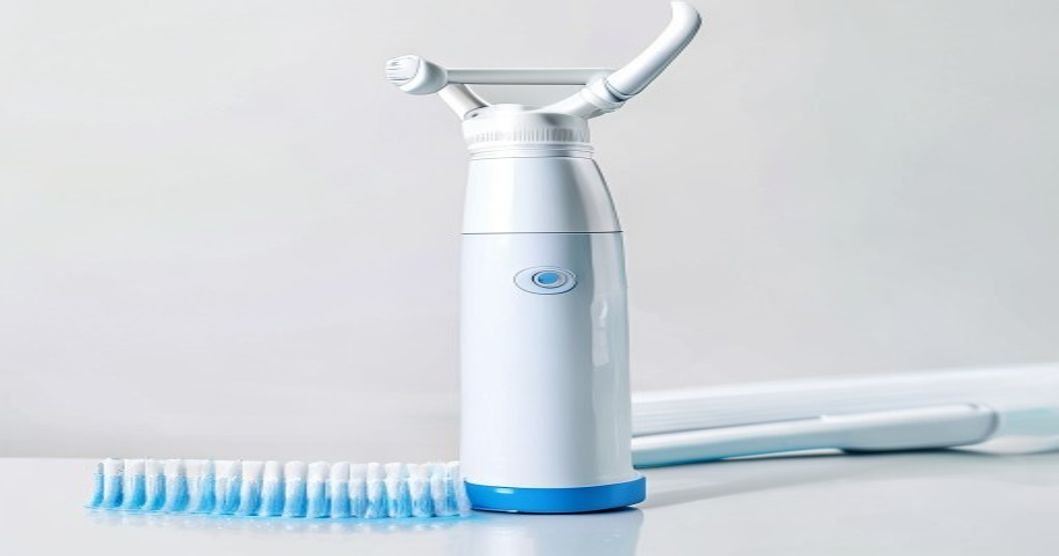
Discover the real differences in the Water Flosser vs Traditional Floss debate. Learn about costs, benefits, and which option is best for your oral health.
Keeping your gums healthy requires cleaning between your teeth every single day. The debate of Water Flosser vs Traditional Floss is one of the most common conversations in modern dental offices across the United States. Both tools aim to remove hidden plaque and food debris, but they achieve this goal in very different ways. Understanding the clinical differences, costs, and specific benefits of each method will help you make an informed choice for your daily routine.This comprehensive guide will walk you through everything you need to know about interdental cleaning. You will learn about the mechanics of both methods and the specific signs that indicate you should upgrade your routine. We will also break down the realistic costs, explain how dental insurance factors into your decision, and provide actionable aftercare tips. Whether you have braces, dental implants, or simply hate string floss, reading this article will give you the confidence to select the best tool for your needs.
Establishing an effective daily hygiene routine is the foundation of preventive dental care. The comparison of Water Flosser vs Traditional Floss is not just about personal preference or convenience. It is a critical evaluation of how well a tool can disrupt dental plaque and support your specific oral health goals over a lifetime. Many patients assume that as long as they brush twice a day, the type of interdental cleaner does not matter. However, clinical research shows that the mechanics of the cleaner significantly impact plaque removal and gum health. Toothbrush bristles simply cannot reach the tight spaces between teeth or deep below the gumline. During this guide, we will explore the exact clinical steps of transitioning between cleaning methods. We will discuss the signs that indicate your current routine is failing to protect your teeth and gums from periodontal disease. You will also find detailed information on pricing, insurance coverage, and how to choose the right dental professional for personalized hygiene instruction. Let us dive into the essentials of optimizing your daily oral care and protecting your smile.
| Topic | Key Point |
|---|---|
| Plaque Removal | Traditional floss excels at scraping flat surfaces, while water flossers flush out deep pockets. |
| Gum Health | Water flossers significantly reduce gingival bleeding and inflammation compared to string floss. |
| Ease of Use | Water flossers require less manual dexterity, making them ideal for patients with arthritis. |
| Braces and Implants | Water flossers effortlessly clean around orthodontic brackets, wires, and dental implants. |
| Cost Over Time | Traditional floss costs $15–$40 annually, while water flossers cost $80–$270 in the first year. |
| ADA Acceptance | Both traditional floss and specific water flossers carry the ADA Seal of Acceptance. |
| Environmental Impact | Traditional floss creates plastic waste, while water flossers require electricity and replacement tips. |
| Professional Recommendation | Dentists frequently recommend water flossers for patients with deep periodontal pockets. |
The comparison of Water Flosser vs Traditional Floss centers on how effectively each tool cleans the interdental spaces and the gingival sulcus. Traditional floss is a thin string, usually made of nylon or Teflon, that physically scrapes the sides of adjacent teeth. When used correctly with a C-shape motion, it mechanically disrupts the sticky biofilm known as dental plaque. Plaque is a colony of bacteria that constantly forms on teeth and hardens into calculus if left undisturbed.In contrast, a water flosser uses a targeted, pulsating stream of pressurized water to clean between teeth and below the gumline. The device features a reservoir for water and a handheld wand with a specialized tip. The pulsating action creates hydrokinetic activity, which flushes out food particles and disrupts bacterial colonies without needing to physically scrape the tooth surface. This comparison is a critical component of preventive dental care for patients of all ages.The anatomy of the mouth includes tight contact points between teeth and a small pocket of space around each tooth called the gingival sulcus. While string floss excels at scraping flat tooth surfaces, it often struggles to reach deep into these sulcular pockets. A water flosser can penetrate up to 6 millimeters below the gumline, making it highly effective for patients with deep periodontal pockets. Understanding the clinical mechanics behind the Water Flosser vs Traditional Floss debate empowers patients to choose the right tool.Dentists often evaluate your specific risk factors before recommending one method over the other. Factors like gum recession, tooth crowding, and manual dexterity all play a major role in this clinical decision.
While both tools can be effective, certain symptoms or lifestyle factors indicate a strong need to re-evaluate your interdental cleaning method. Do not wait for your next routine cleaning if you notice any of the following signs.
If your gums bleed regularly when you brush or attempt to use string floss, this is a primary sign of gingivitis. Many patients avoid flossing because of the bleeding, which only allows the bacterial infection to worsen over time. Switching to a water flosser can provide a gentle, soothing massage that flushes out bacteria without the harsh scraping of string. This allows inflamed gums to heal and stop bleeding within a few weeks of consistent use.
Braces create numerous nooks and crannies where food and plaque easily become trapped around brackets and wires. Manual string flossing requires threading the floss under the main wire for every single tooth, which is incredibly tedious and time-consuming. Most orthodontists strongly recommend water flossers for patients with braces. The pressurized water easily navigates around orthodontic hardware, dislodging debris much faster and more effectively than traditional methods.
Restorative work like dental implants and fixed bridges have unique contours that are difficult to clean with standard string floss. Plaque accumulation around the base of an implant can lead to a severe condition called peri-implantitis, which can cause implant failure. A water flosser with a specialized implant tip can safely clean deep around these restorations without risking damage to the delicate gum seal. This makes it an essential tool for protecting your expensive dental investments.
Conditions like arthritis, carpal tunnel syndrome, or Parkinson’s disease can severely limit fine motor skills in the hands. The repetitive, precise finger movements required to wrap and maneuver traditional string floss become painful or impossible for these patients. An electric water flosser does the hard work for you. You only need to hold the wand and guide it along the gumline, drastically reducing physical strain while maintaining excellent interdental hygiene.
When you visit the dentist to evaluate or transition your interdental cleaning method, they will perform a structured Professional Oral Hygiene Instruction Procedure. Understanding this step-by-step process can greatly reduce anxiety and ensure you get the most out of the appointment.
Like any change in health routine, the transition between Water Flosser vs Traditional Floss carries both significant benefits and minimal risks. Understanding both sides helps you make an informed decision about your daily care.
The cost of your daily oral hygiene routine varies based on the type of cleaner you choose, the brand, and the frequency of replacement. Below is a breakdown of average out-of-pocket costs in the United States based on 2024-2025 market rates.
| Item / Service | Average Cost (no insurance) | Typical Insurance Coverage | Notes |
|---|---|---|---|
| Traditional Waxed String Floss | $2 – $5 | 0% | Lasts 1 to 2 months with daily use. |
| Traditional Floss Picks | $4 – $8 | 0% | Pack of 75-100 counts; higher cost per use. |
| Entry-Level Countertop Water Flosser | $40 – $70 | 0% | Basic pressure settings, no advanced features. |
| Mid-Range Countertop Water Flosser | $70 – $120 | 0% | Includes multiple tips and 10 pressure settings. |
| Premium Cordless Water Flosser | $80 – $150 | 0% | Rechargeable, portable, great for travel. |
| Replacement Water Flosser Tips (Pack of 4) | $10 – $20 | 0% | Should be replaced every 3 to 6 months. |
| Professional Hygiene Instruction Session | $0 – $50 | 80% – 100% | Often bundled with routine cleaning (ADA D1110). |
| Typical Total First-Year Cost (Water Flosser) | $80 – $270 | 0% – 100% | Includes device, extra tips, and electricity. |
| Typical Total First-Year Cost (Traditional) | $15 – $40 | 0% | Includes 6 to 12 spools of floss or picks. |
Several factors cause cost variations across the country for these oral hygiene tools. Geography plays a minor role in retail prices, but urban areas may have higher costs for professional hygiene instruction if billed separately by a specialist. The provider’s specialty does not change the retail cost of the device, but a periodontist may recommend specific, higher-end models tailored to deep gum pockets. Finally, the complexity of the case dictates the necessary features; a patient with severe gum disease or full-mouth implants may require a $150 cordless model with specialized tips, while a healthy adult might do perfectly well with a $40 basic countertop unit.
Navigating dental insurance for daily hygiene tools can be confusing, as they are generally considered personal care items. Here is what you need to know about your benefits.
While choosing between a water flosser or traditional string floss is the primary decision, several alternative tools can enhance your oral hygiene routine.
These are tiny, cone-shaped brushes designed to clean the wider spaces between teeth where regular floss cannot reach effectively. They are highly effective for patients with gum recession or open embrasures.
These are small plastic tools that hold a single piece of floss taut, eliminating the need to wrap string around your fingers. They are widely available and very easy to use on the go.
These are thin, triangular wooden sticks designed to be softened in water and then gently rubbed along the gumline and between teeth. They help stimulate blood flow to the gums while removing soft plaque.
These devices use a burst of compressed air and micro-droplets of water to clean between teeth. They are generally smaller and use much less water than traditional water flossers.
Because transitioning your interdental cleaning method is a preventive adjustment rather than a surgical procedure, recovery is minimal. However, proper aftercare ensures the best results and protects your oral tissues.
Protect the results of your new routine by replacing your water flosser tips every 3 to 6 months, or sooner if they become bent or discolored. Bent tips cannot properly direct the water stream into the gum pocket, reducing their effectiveness. Maintain your six-month professional recall appointments to allow the dentist to monitor your gum health and pocket depths. Consistent daily interdental cleaning is the only way to prevent plaque from hardening into calculus between professional visits.
Call your dentist immediately if you experience persistent, heavy bleeding that does not resolve after 7 to 10 days of proper cleaning. You should also seek care if you notice severe, sharp pain in a specific gum area or sudden loosening of a tooth.
Choosing the right dental provider is critical for receiving personalized, effective hygiene instruction. Use this numbered checklist to evaluate your options before booking an appointment.
Questions to Ask at the Consultation:
For many patients, a water flosser can effectively replace traditional string floss, especially if they have braces, implants, or deep gum pockets. Clinical studies show that water flossers are highly effective at reducing gingivitis and bleeding. However, the American Dental Association notes that string floss is still superior at physically scraping thick, sticky plaque off the flat surfaces of tightly spaced teeth. If your teeth are very crowded, your dentist may recommend using both methods for optimal cleaning.
A water flosser is widely considered the superior choice for patients with braces. Traditional string floss requires threading the floss under the main archwire for every single tooth, which is incredibly tedious and time-consuming. A water flosser easily navigates around brackets and wires, flushing out trapped food particles in a fraction of the time. Orthodontists strongly recommend water irrigation to prevent permanent white spot lesions and decalcification during orthodontic treatment.
When used correctly, a water flosser will not damage your gums or cause recession. In fact, the pulsating water stimulates blood flow and promotes tissue healing. Damage usually only occurs if a user sets the pressure too high and aims the stream directly into the gum tissue at a harsh angle. Always start on the lowest pressure setting and aim the tip at a 90-degree angle to the tooth, following the gumline gently.
The American Dental Association recommends cleaning between your teeth at least once per day, regardless of whether you use a water flosser or traditional string floss. Most dental professionals suggest doing this at night before bed to remove all the food and plaque accumulated throughout the day. If you are prone to food impaction or have active gum disease, your dentist may recommend cleaning between your teeth after every meal.
Modern cordless water flossers are highly effective and offer excellent portability for travel or small bathrooms. However, they typically have smaller water reservoirs, meaning you may need to refill them halfway through your cleaning session. Countertop models generally offer a wider range of pressure settings and a continuous water supply for a full 90 seconds. If you have severe periodontal disease, a countertop model with higher maximum pressure is usually preferred.
You can add a small amount of therapeutic mouthwash to your water flosser reservoir, but it should never completely replace the water. Most manufacturers recommend a ratio of one part mouthwash to three parts warm water to prevent damaging the internal pump. Using undiluted mouthwash can clog the device and void the warranty. Always rinse the reservoir with plain water after using a mouthwash mixture to prevent sticky residue buildup.
If you have sensitive or inflamed gums, you should always start your water flosser on the lowest possible pressure setting. This allows your tissues to gradually acclimate to the pulsating sensation without causing discomfort or bleeding. As your gum health improves and the inflammation subsides over a few weeks, you can slowly increase the pressure. The ideal setting is the highest pressure that feels comfortable and effectively flushes out debris without causing pain.
The decision between a Water Flosser vs Traditional Floss is a pivotal factor in your long-term periodontal health. While traditional string floss excels at scraping tight contact points, water flossers offer superior pocket cleaning, ease of use, and significant benefits for patients with dental work. They are especially beneficial for individuals with braces, implants, or limited manual dexterity. Remember that the best interdental cleaner is the one you will use consistently and correctly every single day. While the upfront cost of a water flosser is higher, the investment pays dividends by preventing costly gum disease treatments and tooth loss down the road. Do not leave your gum health to chance or rely solely on brushing. Schedule a consultation with a licensed dentist or dental hygienist today to receive personalized instruction and find the perfect interdental tool for your unique needs.