Physical Address
304 North Cardinal St.
Dorchester Center, MA 02124
Physical Address
304 North Cardinal St.
Dorchester Center, MA 02124

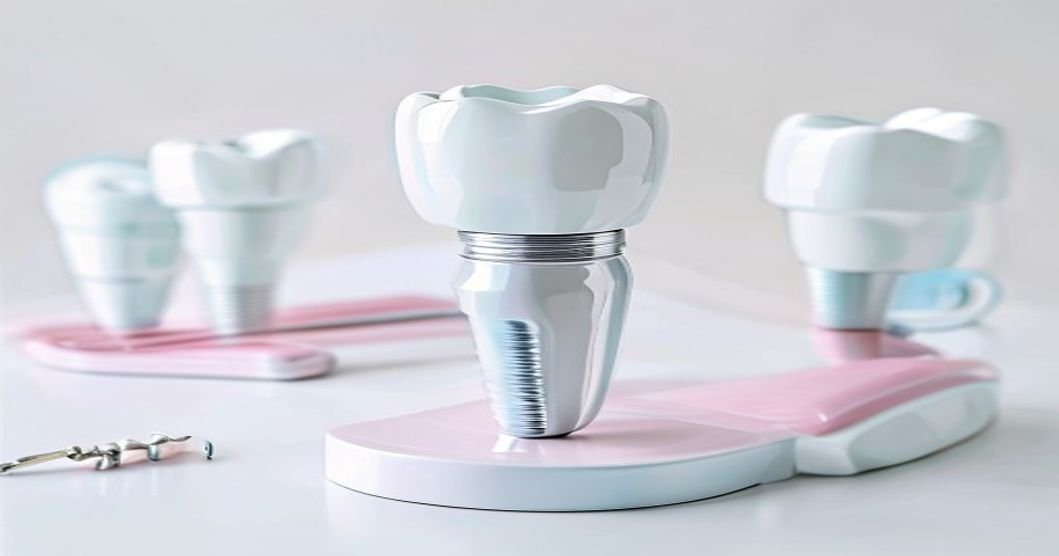
Discover everything about Dental Implants. Learn about the procedure, recovery, costs, and benefits to restore missing teeth with a trusted dentist today.
Missing teeth can make you feel self-conscious and significantly impact your daily life. It makes chewing your favorite foods and speaking clearly much more difficult. Fortunately, modern dentistry offers a permanent, highly effective solution. Dental Implants are the gold standard for replacing missing teeth because they look, feel, and function just like your natural teeth. Millions of people choose this treatment every year to restore their smiles and regain their confidence. But what exactly is the process, and who is a good candidate? In this comprehensive guide, we will explain everything you need to know about Dental Implants. You will learn about the step-by-step procedure, the recovery process, and the true out-of-pocket costs. We will also cover dental insurance options and alternative treatments you might consider. Whether you are missing one tooth or an entire arch, this guide has you covered. We will break down complex dental terms into simple, easy-to-understand language. Let us explore how this life-changing procedure works and if it is the right choice for your oral health.
| Topic | Key Point |
|---|---|
| Success Rate | Over 95% of implants integrate successfully with the jawbone when placed by a qualified professional. |
| Lifespan | The titanium implant post can last a lifetime with proper oral hygiene and regular dental checkups. |
| Procedure Time | Placing a single implant typically takes 45 to 90 minutes in the dental chair. |
| Healing Time | Full bone integration requires 3 to 6 months of undisturbed healing before the final crown is placed. |
| Average Cost | A single tooth implant costs between $3,500 and $5,500 out-of-pocket without dental insurance. |
| Bone Preservation | Implants stimulate the jawbone, preventing the severe bone loss typically seen with traditional dentures. |
| Maintenance | Care for implants exactly like natural teeth with daily brushing, flossing, and routine professional cleanings. |
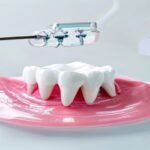
Dental Implants are artificial tooth roots made from biocompatible titanium. They are surgically placed into your jawbone to provide a strong foundation for replacement teeth. Unlike other options that rest on the gums, implants fuse directly with your bone in a process called osseointegration. This creates a permanent, stable anchor that mimics the root of a natural tooth.A complete implant restoration consists of three main parts. The first is the titanium post, which acts as the artificial root inside the bone. The second is the abutment, a small connector piece that attaches to the post and holds the new tooth. The third is the custom crown, which is the visible part of the tooth made from durable porcelain or zirconia. This treatment is performed to replace missing teeth caused by injury, decay, or periodontal disease. When you lose a tooth, the underlying jawbone begins to deteriorate due to a lack of stimulation. Dental Implants prevent this bone loss by transferring chewing forces directly into the jaw, just like natural tooth roots. Maintaining your facial structure is another crucial benefit of this procedure. Missing teeth can cause your face to sag prematurely, making you look older. By preserving the jawbone, implants help maintain your natural facial shape and profile. They also restore your full biting force, allowing you to eat a wide variety of foods without pain or embarrassment.
The most obvious sign that you need an implant is a visible gap in your smile. Missing teeth shift the surrounding teeth out of alignment, leading to bite issues and jaw pain. If you recently had a tooth extracted, you should schedule a consultation within a few weeks to evaluate implant placement before bone loss begins.
Sometimes a tooth is too damaged by decay or infection to be saved with a filling or root canal. If your dentist determines the tooth must be pulled, an implant is the best long-term replacement. If you experience severe pain, facial swelling, or a fever, call your dentist immediately, as these are signs of an active infection requiring urgent care.
Traditional dental bridges require grinding down the healthy teeth on either side of the gap for support. Over time, these anchor teeth can decay or fail, requiring a new bridge. If your current bridge is failing or you want to avoid altering healthy teeth, transitioning to an implant is a wise choice. This can be discussed at your next routine checkup unless you are in pain.
Traditional dentures often slip, rub, and cause sore spots on your gums. They also restrict your diet because you cannot bite into hard or sticky foods. If you are struggling with loose dentures, implants can securely anchor them in place. You can schedule a consultation to discuss implant-supported dentures at your convenience.
If you have been missing teeth for a long time, you may have experienced significant jawbone shrinkage. This can change the shape of your face and make wearing dentures nearly impossible. A prompt evaluation with a 3D scan is necessary to see if you need a bone graft before implants can be successfully placed.
| Item / Service | Average Cost (no insurance) | Typical Insurance Coverage | Notes |
|---|---|---|---|
| Initial Consultation & Exam | $150 – $300 | 80% – 100% | Includes basic visual exam and X-rays. |
| 3D CBCT Imaging | $150 – $400 | 50% – 80% | Required for precise surgical planning. |
| Tooth Extraction | $150 – $400 | 50% – 80% | Simple extraction; surgical extractions cost more. |
| Bone Grafting (if needed) | $300 – $1,200 | 0% – 50% | Often considered a major procedure by insurers. |
| Implant Post Placement | $1,500 – $2,500 | 0% – 50% | The surgical placement of the titanium root. |
| Abutment | $300 – $600 | 0% – 50% | The connector piece between post and crown. |
| Custom Crown | $1,000 – $2,000 | 50% – 80% | The visible tooth; often covered like a normal crown. |
| Typical Total Range (Single) | $3,500 – $5,500 | Varies Widely | Total out-of-pocket without insurance. |
The final cost of Dental Implants varies significantly based on several key factors. Geography plays a major role; practices in high-cost urban areas like New York City or San Francisco charge more than those in rural regions. The provider’s specialty also affects the price, as oral surgeons and periodontists typically charge higher surgical fees than general dentists. The materials used impact the final bill as well. Premium zirconia crowns and brand-name implant systems cost more than basic porcelain and generic titanium posts. Finally, the complexity of the case is a major factor. If you require extractions, sinus lifts, or extensive bone grafting, your overall treatment cost will increase accordingly.
Historically, dental insurance considered implants a cosmetic procedure, but coverage has improved significantly. Under the American Dental Association (ADA) guidelines, implants fall under specific procedure codes like D6010 (implant body) and D6065 (implant maintenance). Most PPO and indemnity plans offer some level of coverage, while HMO plans rarely cover the surgical placement. Typically, insurance will cover the crown portion (50% to 80%) because it is the same code as a standard crown. However, coverage for the actual titanium post ranges from 0% to 50%, depending on your specific plan. Many plans enforce a waiting period of 6 to 12 months before major procedures are covered. It is highly recommended to request a predetermination of benefits before starting treatment. This is a document your dentist sends to your insurance company to get a written estimate of exactly what they will pay.If you do not have dental insurance, there are still affordable options. Dental schools offer implant placement at a fraction of the cost, performed by supervised students. Dental discount plans charge a small annual fee for 10% to 60% off procedure fees. Additionally, most offices offer in-house membership plans or third-party financing like CareCredit to help you pay in monthly installments.
A dental bridge uses the teeth on either side of the gap to anchor a false tooth in the middle. This option costs between $2,000 and $4,000 and can be completed in just two weeks. The main tradeoff is that the dentist must permanently grind down the healthy adjacent teeth, which can weaken them over time.
This is a removable appliance with replacement teeth attached to a gum-colored base and metal framework. It typically costs between $1,000 and $2,500, making it a budget-friendly choice. The tradeoff is that it is less stable than an implant, can slip while eating, and must be removed every night for cleaning.
For patients missing all their teeth, traditional acrylic dentures rest directly on the gums. A full set costs between $1,500 and $3,500 and is the most affordable way to replace a full arch. The significant tradeoff is that they do not prevent jawbone loss, and they often require messy adhesives to stay in place.
This hybrid option uses 4 to 6 implants to securely snap a full denture into place. It costs between $15,000 and $25,000 for a full arch, making it the most expensive alternative. The tradeoff is the high upfront cost, but it completely eliminates the slipping and bone loss associated with traditional dentures.
Bite down gently on the provided gauze to control bleeding, changing it every 30 to 45 minutes. Apply an ice pack to the outside of your cheek for 15 minutes on and 15 minutes off to minimize swelling. Stick to a soft, cool diet like yogurt or applesauce, and absolutely avoid using straws, as the suction can dislodge the blood clot.
Begin gently rinsing your mouth with warm salt water three times a day to keep the surgical site clean. Continue eating soft foods like scrambled eggs, mashed potatoes, and lukewarm soups. Avoid strenuous exercise, heavy lifting, and bending over, as increased blood pressure can cause throbbing or bleeding at the implant site.
Once fully healed, treat your implant exactly like a natural tooth. Brush twice a day with a soft-bristled brush and low-abrasive toothpaste to avoid scratching the crown. Floss daily using implant-specific floss or a water flosser to clean deeply around the abutment and prevent gum disease. Commit to visiting your dentist every six months for professional cleanings and checkups.
Call your dentist immediately if you experience severe, throbbing pain that is not relieved by over-the-counter medication after the third day. Other warning signs include a fever over 101°F, visible pus or foul-tasting discharge from the surgical site, or swelling that worsens after the first three days. If your lip or tongue remains completely numb after the anesthesia should have worn off, seek prompt evaluation.
Most patients report that getting a dental implant is much less painful than a tooth extraction. The procedure is performed under local anesthesia, so you will feel only mild pressure, not pain. After the numbness wears off, you may experience mild soreness and swelling for 2 to 3 days. This discomfort is easily managed with over-the-counter ibuprofen and ice packs.
The titanium implant post itself is designed to last a lifetime because it fuses directly with your jawbone. However, the custom porcelain crown attached to the top will experience normal wear and tear. With excellent oral hygiene and regular dental visits, the crown typically lasts 10 to 15 years before it may need to be replaced due to normal chipping or fading.
Not everyone needs a bone graft, but it is required if your jawbone is too thin or soft to support the implant. This often happens if you have been missing a tooth for many years or had severe periodontal disease. Your dentist will determine this during your 3D CBCT scan. If needed, the graft adds a few months to your overall treatment timeline.
Most adults in good general health are excellent candidates for dental implants. However, you must have healthy gums and adequate bone density. Uncontrolled diabetes, heavy smoking, or active gum disease can lower the success rate and may require medical clearance or lifestyle changes first. Teenagers are usually not candidates because their jawbones are still actively growing.
You should clean your implants exactly as you would your natural teeth. Brush twice a day with a soft-bristled toothbrush and non-abrasive toothpaste. Floss daily to remove plaque from around the base of the abutment. Using a water flosser is highly recommended, as it flushes out bacteria from deep under the gumline where traditional floss cannot reach.
Dental implants have one of the highest success rates in all of dentistry, typically ranging from 95% to 98%. The lower jaw generally has a slightly higher success rate than the upper jaw because the lower bone is denser. Success largely depends on the patient’s overall health, oral hygiene habits, and avoiding smoking during the healing process.
The complete process usually takes between 3 to 9 months from the initial consultation to the final crown placement. If you need a tooth extraction and a bone graft, the timeline will lean toward the 6 to 9-month mark to allow for adequate bone healing. If you have dense, healthy bone and opt for immediate loading, it can sometimes be completed in just a few weeks.
Dental Implants offer a permanent, natural-looking solution for missing teeth, boasting a success rate of over 95%. They not only restore your ability to chew and speak normally but also preserve your jawbone and maintain your facial structure. While the initial investment and healing time are greater than alternative options, the long-term benefits to your oral health and quality of life are unmatched.If you are missing teeth, do not wait until the jawbone deteriorates further. Schedule a consultation with a licensed, experienced dentist to evaluate your candidacy for implants. Early intervention is almost always less expensive, less complex, and more effective than delaying treatment for years. Taking action today will protect your smile and your overall health for decades to come.