Physical Address
304 North Cardinal St.
Dorchester Center, MA 02124
Physical Address
304 North Cardinal St.
Dorchester Center, MA 02124

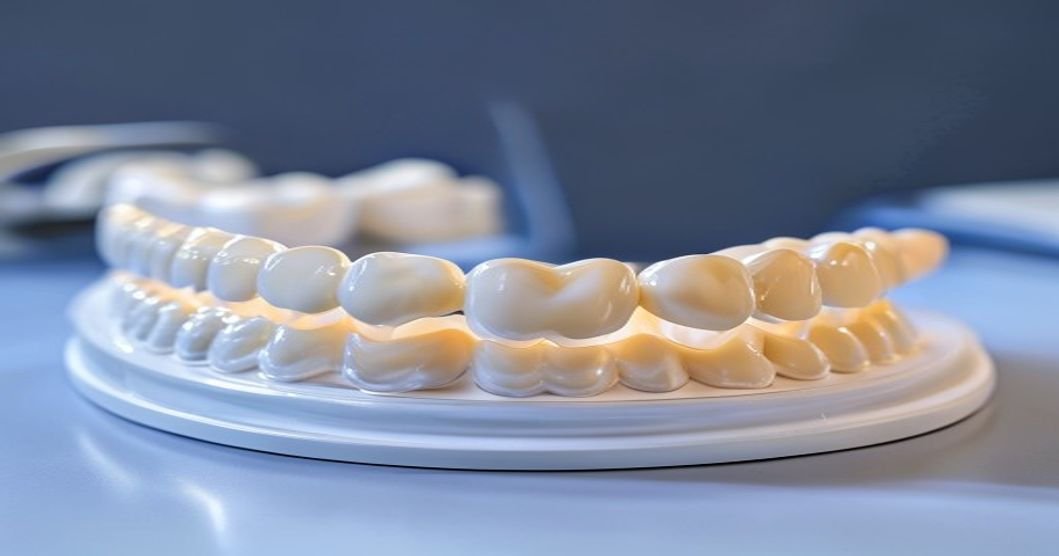
Discover how night guards for teeth grinding protect your smile. Learn about custom fits, costs, insurance coverage, and benefits in our 2026 guide.
Waking up with a sore jaw, a dull headache, or sensitive teeth? You might be experiencing bruxism, a condition where you unconsciously clench or grind your teeth. Night guards for teeth grinding are custom-fitted dental appliances designed to protect your smile from these destructive nighttime forces. They act as a protective barrier, absorbing the intense pressure that your jaw muscles generate while you sleep.Both children and adults can suffer from bruxism, though it is most commonly diagnosed in adults under high stress. Dentists highly recommend these protective devices for anyone showing early signs of enamel wear or jaw joint strain. Reading this comprehensive guide will give you a complete understanding of night guards for teeth grinding. You will learn exactly how the procedure works, what it costs, and whether your dental insurance covers it. We will also explore the clinical benefits, potential risks, and what to expect during your adaptation period. By the end, you will know exactly how this simple intervention can safeguard your oral health and improve your sleep quality.
| Topic | Key Point |
|---|---|
| Primary Purpose | Night guards for teeth grinding absorb bite force, preventing enamel wear, tooth fractures, and jaw pain. |
| Ideal Candidates | Adults or children diagnosed with bruxism, TMJ disorders, or those showing visible signs of tooth wear. |
| Procedure Time | The initial appointment takes 30 to 45 minutes for examination and digital scanning or impressions. |
| Longevity | A well-maintained custom night guard typically lasts between 3 to 5 years before needing replacement. |
| Average Cost | Without insurance, expect to pay between $300 and $800 for a high-quality, custom-fitted appliance. |
| Insurance Coverage | Many plans cover 50% of the cost, though some classify it as a major procedure with a 6 to 12-month waiting period. |
| Maintenance | Daily cleaning with a soft brush and cool water is required to prevent bacterial buildup and odors. |
| Safety Profile | Completely non-invasive, reversible, and highly effective at preventing costly, irreversible dental damage. |
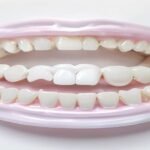
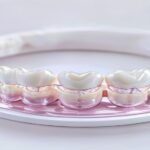
Night guards for teeth grinding, clinically known as occlusal splints or bite guards, are removable dental appliances worn primarily during sleep. Their primary function is to create a physical separation between your upper and lower teeth. This separation prevents the enamel surfaces from grinding directly against one another.To understand why this is necessary, you have to look at the mechanics of bruxism. When you sleep, your brain can trigger your jaw muscles, specifically the masseter and temporalis muscles, to contract with immense force. This force can be up to three times stronger than your normal daytime chewing pressure. Over time, this relentless pressure strips away the hard, outer layer of your teeth called enamel. Once the enamel is compromised, the softer, sensitive layer underneath, known as dentin, becomes exposed. This leads to severe tooth sensitivity, increased risk of decay, and even cracked or fractured teeth. Night guards for teeth grinding fit perfectly into a comprehensive preventive oral health care routine. They do not cure the underlying habit of grinding, but they manage the symptoms and prevent the physical damage. By distributing the biting force evenly across the entire surface of the guard, the appliance protects individual teeth from bearing the brunt of the pressure.The guard also helps to relax the jaw muscles. By providing a smooth, even surface for the teeth to rest on, it prevents the jaw from locking into a strained, clenched position. This can significantly reduce morning headaches and temporomandibular joint (TMJ) pain. It is important to note that these are medical-grade devices. While over-the-counter options exist, professionally crafted night guards for teeth grinding are tailored to your unique bite, ensuring comfort, durability, and optimal protection.
You might not be aware that you grind your teeth at night, but your body and your teeth often show clear warning signs. Here are the most common indicators that you may need intervention.
Waking up with a dull, aching pain in your jaw muscles or a tension headache around your temples is a classic sign of nighttime clenching. Your jaw muscles have been working overtime all night, leading to fatigue and soreness similar to a muscle strain after heavy exercise.
If your dentist points out that the chewing surfaces of your teeth look unusually flat, or if you notice small chips on the edges of your front teeth, grinding is likely the culprit. Healthy teeth have distinct, rounded cusps. Flattened teeth indicate that enamel is being actively worn away.
As the protective enamel layer thins from grinding, the underlying dentin becomes exposed. Dentin contains microscopic tubes that lead directly to the tooth nerve. If you suddenly feel sharp zings of pain when drinking cold water or hot coffee, your enamel may be compromised.
Often, you will not know you are grinding until a sleep partner complains about the loud, grating sound. Additionally, severe bruxism can fragment your sleep cycle, leading to daytime fatigue, even if you do not fully wake up during the grinding episodes.
If you notice mild morning jaw stiffness or a partner mentions occasional grinding, you can address this at your next routine dental checkup. However, if you experience sharp, shooting tooth pain, a jaw that locks or clicks painfully, or visible cracks in your teeth, call your dentist promptly. These are signs of active damage that require immediate evaluation to prevent tooth loss or severe TMJ disorders.
Getting custom night guards for teeth grinding is a straightforward, non-invasive process. There is no drilling, and no numbing or anesthesia is required. Here is exactly what happens from start to finish.
Like any dental intervention, it is important to weigh the advantages against the potential drawbacks. Fortunately, professionally made night guards for teeth grinding have an overwhelmingly positive safety and efficacy profile.
The cost of night guards for teeth grinding varies based on the type of material and the level of customization. Below is a breakdown of typical out-of-pocket expenses in the United States for 2026.
| Item / Service | Average Cost (no insurance) | Typical Insurance Coverage | Notes |
|---|---|---|---|
| Comprehensive Exam | $75 – $150 | 80% – 100% | Required to diagnose bruxism and assess damage. |
| Digital Scan / Impressions | $50 – $100 | Often bundled | Creates the precise 3D model for the lab. |
| Custom Hard Night Guard | $400 – $800 | 50% (Major/Prosthetic) | Most durable; ideal for heavy grinders. |
| Custom Soft Night Guard | $300 – $600 | 50% (Major/Prosthetic) | More comfortable initially, but wears faster. |
| Dual-Laminate Guard | $500 – $900 | 50% (Major/Prosthetic) | Soft inside for comfort, hard outside for durability. |
| Replacement Guard | $400 – $800 | 50% (Subject to frequency limits) | Needed every 3 to 5 years due to wear. |
| Professional Cleaning Tablets | $10 – $20 | 0% | Recommended for daily, safe sanitization. |
| Typical Total (Single Custom Guard) | $450 – $900 | Varies | Estimated total including initial exam fees. |
Several factors cause cost variations across the country. Geography plays a major role; urban centers and coastal cities generally charge more than rural areas. The provider specialty also affects the price; a prosthodontist or a dentist specializing in TMJ disorders may charge more due to their advanced expertise. Additionally, the materials used impact the final bill, as premium dual-laminate materials cost more than standard single-layer acrylics. Finally, the complexity of the case, such as the need for a specialized splint to treat severe TMJ dysfunction rather than simple bruxism, will increase the overall fee.
Because night guards for teeth grinding are considered a medically necessary device to prevent further dental damage, many dental insurance plans offer partial coverage. The specific ADA procedure code for this treatment is D7880 (occlusal guard, by report). When your dentist submits a claim, they will use this code along with a narrative explaining the medical necessity, such as documented enamel wear or TMJ pain.Coverage largely depends on your plan type. PPO (Preferred Provider Organization) and indemnity plans typically cover about 50% of the cost, classifying the guard under “major” or “prosthodontic” services. HMO (Health Maintenance Organization) plans may cover a portion with a set copay, but often have stricter limitations on custom appliances. It is crucial to check for waiting periods. Many insurance plans impose a 6 to 12-month waiting period for major procedures before they will contribute to the cost of a night guard. Additionally, most plans have a frequency limitation, such as covering only one guard every 3 to 5 years.If you are unsure about your coverage, ask your dental office to submit a predetermination of benefits. This is a request sent to your insurance company before the procedure to confirm exactly what they will pay and what your out-of-pocket cost will be.If you do not have dental insurance, there are still affordable options. Dental schools often provide custom appliances at a fraction of the private practice cost, crafted by supervised students. You can also look into dental discount plans, which are annual membership programs that provide 20% to 50% off standard fees. Finally, most dental offices offer in-house payment plans or accept third-party medical credit cards to help spread the cost over several months.
While custom night guards for teeth grinding are the gold standard for protecting your teeth, they are not the only option. Depending on your specific situation, your dentist might recommend one of these alternatives.
These are store-bought plastic guards that you soften in hot water and bite into to create a rough mold of your teeth. They are preferred for patients on a very strict budget or those who only grind occasionally. They cost about $20 to $50. The key tradeoff is that they are bulky, can easily fall out during sleep, and may actually encourage more grinding or cause jaw misalignment due to their poor fit.
Botox (botulinum toxin) can be injected directly into the masseter jaw muscles to temporarily weaken them, reducing the force of clenching and grinding. It is preferred for patients with severe, painful bruxism who do not tolerate wearing a mouthguard. It costs about $300 to $600 per session and lasts 3 to 4 months. The major tradeoff is that it is a recurring expense, requires a skilled injector, and does not physically protect the teeth from any residual grinding force.
Since stress and anxiety are primary triggers for bruxism, psychological interventions can address the root cause. CBT, meditation, and physical therapy are preferred for patients whose grinding is directly linked to high anxiety or sleep disorders. Costs vary widely, from $50 to $150 per therapy session. The tradeoff is that it requires significant time, effort, and lifestyle changes, and may not provide immediate physical protection for the teeth.
Sometimes, bruxism is exacerbated by a misaligned bite, where the teeth do not fit together properly, causing the jaw to search for a comfortable resting position. Orthodontics is preferred for patients with underlying malocclusion. It costs between $3,000 and $7,000. The tradeoff is the high cost and long treatment time (1 to 2 years), though it offers the permanent benefit of a corrected bite.
One of the best aspects of night guards for teeth grinding is that there is no surgical recovery time. However, following a few simple aftercare guidelines will ensure your appliance lasts as long as possible and remains hygienic.
Wear the guard to sleep on the first night, even if it feels slightly strange. You may experience excess salivation or a mild gag reflex; this is a normal reaction to a new object in your mouth. Do not attempt to adjust or trim the guard yourself with scissors or clippers, as this will ruin the precise fit. If it feels painfully high or causes sharp pressure on a single tooth, contact your dentist for a quick adjustment.
Continue wearing the guard every night. Your jaw muscles and tongue will gradually adapt to the new appliance. Begin a strict daily cleaning routine. Every morning, remove the guard and rinse it under cool water. Brush it gently with a soft-bristled toothbrush and mild, non-abrasive soap or a dedicated denture cleaner. Never use hot water, as it can warp the plastic material.
To protect your investment long-term, always store your guard in a rigid, ventilated case when not in use. Leaving it on a nightstand or in a pocket exposes it to crushing damage and bacteria. Bring the guard to your regular dental checkups every six months so your dentist can evaluate it for wear, cracks, or changes in your bite.
Call your dentist immediately if you experience any of the following:
Choosing the right dental professional ensures a comfortable experience and a high-quality, durable result. Here are the most important factors to consider when selecting a provider.
When you go in for your consultation, ask these specific questions:
A professionally made night guard for teeth grinding typically lasts between 3 to 5 years. However, this lifespan depends heavily on the severity of your bruxism and how well you care for the appliance. Heavy grinders may wear through the material faster, requiring replacement every 1 to 2 years. Regular dental checkups allow your dentist to monitor the guard for thinning or cracking and advise you on when a replacement is necessary.
While they are designed for nighttime use, you can wear your guard during the day if you consciously catch yourself clenching or grinding while awake. Daytime bruxism is often stress-related. Wearing the guard during high-stress activities, like working at a computer or driving, can help break the clenching habit and protect your teeth. However, you should remove it while eating or drinking anything other than water.
No, a night guard for teeth grinding does not cure the underlying neurological or muscular habit of bruxism. You will likely continue to grind or clench while wearing it. However, the guard acts as a protective shield, absorbing the destructive forces and preventing damage to your natural teeth. It also helps to reposition the jaw slightly, which can reduce the muscle strain and pain associated with the grinding.
Clean your guard every morning immediately after removing it. Rinse it under cool running water to remove saliva. Then, gently brush it with a soft-bristled toothbrush and a mild, non-abrasive soap or a specialized denture cleaning solution. Avoid regular toothpaste, as it is abrasive and can create microscopic scratches where bacteria can hide. Never use hot or boiling water, as it will warp the plastic and ruin the custom fit.
A properly designed, custom-fitted night guard for teeth grinding should not cause your teeth to shift. It is designed to fit passively over your teeth without applying active orthodontic pressure. However, poorly made, over-the-counter boil-and-bite guards that only cover the front teeth or fit unevenly can exert uneven pressure, potentially causing minor, unwanted tooth movement over time. This is why professional customization is critical.
Soft night guards are made of flexible thermoplastic. They are comfortable initially but can actually encourage heavy grinders to chew on them, leading to rapid wear. Hard night guards are made of rigid acrylic. They are highly durable, provide a smooth surface that discourages chewing, and are the gold standard for moderate to severe bruxism. Dual-laminate guards combine a soft inner layer for comfort with a hard outer shell for durability.
Yes, it is completely normal to experience excess salivation or mild drooling during the first few nights of wearing a new night guard for teeth grinding. Your mouth recognizes the appliance as a foreign object and produces extra saliva in response. This is a temporary reaction. As your brain and mouth adapt to the guard over the first week or two, your saliva production will return to normal, and the drooling will stop.
Night guards for teeth grinding are a simple, non-invasive, and highly effective way to protect your teeth from the destructive forces of bruxism. By absorbing intense bite pressure, they prevent irreversible enamel wear, tooth fractures, and painful jaw disorders. The process of getting a custom guard is quick, painless, and tailored precisely to your unique bite for maximum comfort. If you wake up with jaw pain, headaches, or sensitive teeth, do not ignore these warning signs. Schedule a consultation with a licensed dentist today to see if a custom occlusal splint is right for you. Early intervention with a professional night guard is always less expensive and more effective than waiting to repair cracked teeth or treat advanced TMJ disorders.