Physical Address
304 North Cardinal St.
Dorchester Center, MA 02124
Physical Address
304 North Cardinal St.
Dorchester Center, MA 02124

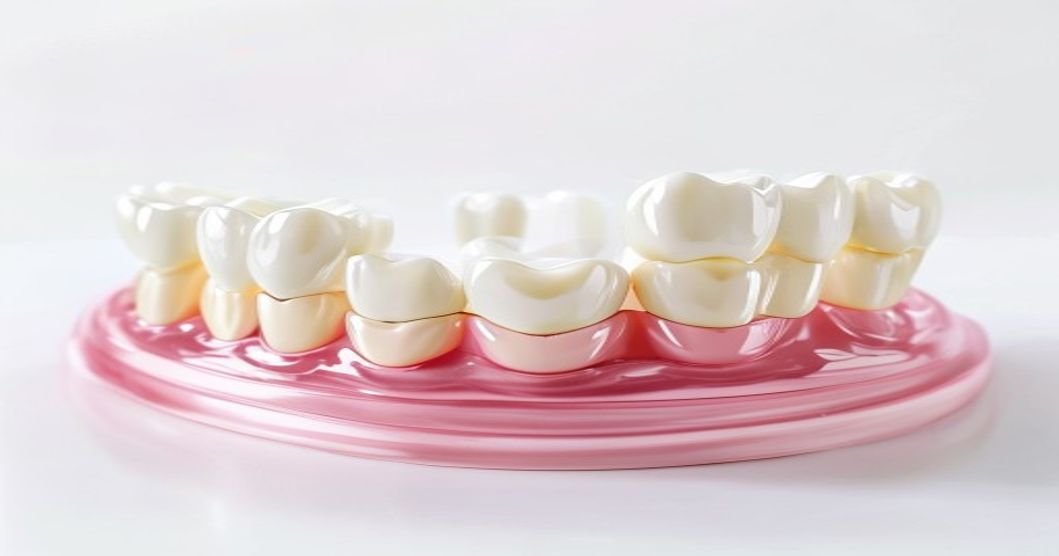
Learn everything about dental crowns. Discover symptoms, procedure steps, 2026 costs, insurance coverage, and recovery tips from expert dentists today.
If you have a damaged, decayed, or weakened tooth, your dentist will likely recommend dental crowns to restore its function, strength, and appearance. A damaged tooth can cause significant discomfort and make everyday activities like chewing or smiling difficult. Fortunately, modern restorative dentistry offers highly effective solutions. Dental crowns, often referred to as “caps,” are custom-made restorations that completely cover a compromised tooth, protecting it from further damage while blending seamlessly with your natural smile.Many patients feel anxious when they hear they need a crown, but the procedure is routine, comfortable, and highly predictable. In this comprehensive guide, we will explain exactly what to expect from the initial consultation through your final recovery. You will learn about the warning signs that indicate you need a crown, the step-by-step placement process, realistic 2026 costs, and proven aftercare strategies. By the end of this article, you will feel confident and fully informed about making the best decisions for your long-term oral health.
| Topic | Key Point |
|---|---|
| Primary Purpose | Restores the strength, function, and appearance of a damaged tooth. |
| Ideal Candidates | Patients with large fillings, cracks, severe wear, or post-root canal teeth. |
| Procedure Time | Typically requires two visits, spaced 2 to 3 weeks apart, or one visit with CAD/CAM. |
| Pain Level | The procedure is painless due to local anesthesia; mild sensitivity may follow. |
| Average Cost | Ranges from $1,000 to $1,800 per tooth, depending on the material used. |
| Lifespan | With proper care, high-quality dental crowns last 10 to 15 years or longer. |
| Main Risk | Decay can occur at the margin (gumline) if oral hygiene is neglected. |
| Best Alternative | Inlays, onlays, or veneers, depending on the extent of the tooth damage. |
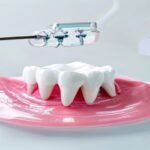
To understand dental crowns, it is helpful to know the basic anatomy of a human tooth. The visible part of your tooth above the gumline is called the crown, which is protected by a hard, white outer layer called enamel. Beneath the enamel is a softer layer called dentin, which surrounds the innermost part of the tooth known as the dental pulp. The pulp contains the nerves and blood vessels that keep the tooth alive.When a tooth suffers from severe decay, a large fracture, or extensive wear, the protective enamel is compromised. This leaves the vulnerable dentin and pulp exposed to bacteria, temperature changes, and chewing forces. A dental crown acts as a new, artificial enamel layer. It is a tooth-shaped “cap” that is custom-crafted to fit snugly over the entire visible portion of the damaged tooth, extending down to the gumline.Dental crowns are fabricated from several different materials, each with unique benefits. All-ceramic or all-porcelain crowns (such as E.max) are highly popular for front teeth because they offer the most natural, translucent appearance. Zirconia crowns are incredibly strong and durable, making them an excellent choice for back molars that endure heavy chewing forces, while still providing a tooth-colored aesthetic. Porcelain-fused-to-metal (PFM) crowns combine a strong metal substructure with a porcelain exterior, offering a balance of durability and aesthetics, though a dark metal line may sometimes show at the gumline over time. Finally, gold alloy crowns are the most durable and gentle on opposing teeth, though their metallic color makes them less popular for visible areas.By encasing the damaged tooth, a crown restores its original shape, size, and strength. This prevents the need for a tooth extraction and helps maintain proper bite alignment. Dental crowns are a cornerstone of restorative dentistry, providing a reliable, long-term solution for preserving your natural smile.
When a cavity is small, a simple dental filling is sufficient. However, if decay is extensive, a large filling can weaken the remaining tooth structure. If a filling makes up more than half of the tooth’s width, the tooth is at high risk of fracturing. A dental crown encases the entire tooth, providing the structural support needed to prevent a catastrophic break.
Trauma from a sports injury, a fall, or chewing on hard objects like ice can crack a tooth. Cracks can range from minor craze lines in the enamel to deep fractures that reach the root. A crown holds the cracked pieces of the tooth together, preventing the crack from spreading further and relieving the sharp pain often associated with chewing.
A root canal removes the infected pulp from inside the tooth, which also removes the tooth’s blood supply. Without this moisture, the tooth becomes dry and brittle over time. Placing a dental crown over a root-canaled tooth is almost always required to protect it from shattering under normal chewing forces.
Conditions like bruxism (chronic teeth grinding) or acid erosion from dietary habits and acid reflux can wear down the enamel, making teeth short, flat, and sensitive. Crowns can rebuild the lost tooth structure, restoring the proper vertical dimension of your bite and protecting the underlying dentin from further wear.
Sometimes, teeth become severely discolored due to trauma, certain medications (like tetracycline), or excessive fluoride exposure. If professional teeth whitening is ineffective, a porcelain dental crown can be placed over the tooth to completely mask the discoloration and provide a bright, uniform appearance.
If you are missing one or more teeth, a dental bridge is a common replacement option. A bridge consists of artificial teeth (pontics) anchored to the natural teeth on either side of the gap. These supporting natural teeth must be prepared and covered with dental crowns to serve as sturdy, stable abutments for the entire bridge structure.
The entire traditional dental crown process typically requires two visits, each lasting about 60 to 90 minutes. Same-day crowns can be completed in a single 2-hour appointment. After the final cementation, you may experience mild gum soreness or temperature sensitivity for 2 to 3 days, which can be easily managed with over-the-counter pain relievers.
| Item / Service | Average Cost (no insurance) | Typical Insurance Coverage | Notes |
|---|---|---|---|
| Initial Consultation & X-rays | $100 – $250 | 80% – 100% | Includes exam and necessary digital imaging. |
| Porcelain-Fused-to-Metal (PFM) Crown | $900 – $1,400 | 50% | Durable, but may show a dark line at the gum. |
| All-Ceramic / Zirconia Crown | $1,000 – $1,800 | 50% | Most popular for aesthetics and strength. |
| Gold Alloy Crown | $1,200 – $2,000 | 50% | Most durable, best for back molars, less aesthetic. |
| Temporary Crown | $100 – $300 | 50% – 80% | Often bundled into the total crown fee. |
| Core Build-Up (if needed) | $250 – $400 | 50% | Required if the tooth lacks enough structure to hold the crown. |
| Post and Core (if needed) | $300 – $500 | 50% | Used to anchor the build-up in a root-canaled tooth. |
| Typical Total Range (per tooth) | $1,250 – $2,500 | Varies by plan | Out-of-pocket depends on your annual maximum. |
The cost of dental crowns varies significantly based on several key factors. Geography plays a major role, with procedures in major metropolitan areas or coastal cities typically costing more than those in rural regions. The provider’s expertise also impacts the price; a highly experienced cosmetic dentist or prosthodontist may charge more for their advanced aesthetic skills. Additionally, the choice of material dictates the final bill. Zirconia and high-end lithium disilicate (E.max) crowns are more expensive to fabricate than basic PFM crowns. Finally, the complexity of the case matters. If the tooth requires a core build-up, a post, or gum contouring (crown lengthening) before the crown can be placed, these additional procedures will increase the total cost.
Most dental insurance plans cover dental crowns, but they are typically classified as a “major” restorative procedure. This means insurance companies usually cover 50% of the allowed amount, after you have met your annual deductible. The American Dental Association (ADA) uses specific procedure codes for billing. Code D2740 is used for an all-ceramic or porcelain crown. Code D2750 is for a porcelain-fused-to-metal crown. Code D2790 is for a base metal (non-precious) crown.Plan types dictate your exact coverage levels. PPO (Preferred Provider Organization) plans generally offer the best coverage, paying 50% of the negotiated rate when you see an in-network provider. HMO (Health Maintenance Organization) plans may cover the crown for a fixed, low copay, but you are strictly required to use an in-network dentist, and material choices may be limited. Be aware of annual maximums and waiting periods. Most dental plans have an annual maximum benefit of $1,000 to $2,000. A single crown, especially with a core build-up, can consume a large portion of this maximum. Additionally, many insurance plans impose a 6- to 12-month waiting period for major procedures, meaning you cannot get a crown covered immediately after enrolling. Some plans also have a “replacement clause,” refusing to pay for a new crown on the same tooth if the previous one was placed less than 5 to 7 years ago.Always request a predetermination of benefits before starting treatment. Your dentist’s office will submit the X-rays and procedure codes to your insurance company to receive a written estimate of exactly what they will pay. If you do not have dental insurance, consider enrolling in a dental discount plan, which can reduce laboratory and procedural fees by 15% to 50% for a small annual membership fee. Many dental practices also partner with third-party financing companies like CareCredit or Sunbit, allowing you to break the total cost into manageable, interest-free monthly payments.
Dental veneers are thin shells of porcelain or composite resin that are bonded only to the front surface of a tooth. They are preferred for patients seeking cosmetic improvements for chipped, gapped, or discolored front teeth that are otherwise structurally sound. The approximate cost is $800 to $1,500 per tooth. The key tradeoff is that veneers do not provide the 360-degree structural protection of a crown and are not suitable for teeth with large fillings or severe decay.
Dental bonding involves applying a tooth-colored composite resin directly to the tooth, shaping it, and hardening it with a special light. It is preferred for minor chips, small gaps, or localized decay. The approximate cost is $200 to $500 per tooth, and it can often be completed in a single visit. The major tradeoff is that bonding material is not as strong or stain-resistant as porcelain, typically lasting only 3 to 7 years before needing repair or replacement.
Also known as “partial crowns,” inlays and onlays are custom-made restorations that fit into or onto the chewing surface of a tooth, but do not cover the entire tooth structure like a full crown. They are preferred when the damage is too extensive for a regular filling, but the tooth still has enough healthy structure to avoid a full crown. The approximate cost is $800 to $1,200. The tradeoff is that they are not suitable for teeth that are severely compromised, cracked, or have undergone root canal treatment.
If a tooth is damaged beyond repair, with decay extending far below the gumline or a vertical root fracture, a crown is no longer a viable option. The alternative is extracting the tooth and replacing it with a dental implant and crown. The approximate cost is $3,000 to $5,000. The tradeoff is that this is a surgical procedure with a much higher cost and a longer treatment timeline, though it is the only way to replace a completely unsalvageable tooth.
After your permanent crown is cemented, the local anesthesia will take a few hours to wear off. Avoid eating until the numbness is completely gone to prevent accidentally biting your cheek, tongue, or lip. Stick to soft foods and avoid chewing directly on the new crown for the first day. Do not eat sticky or hard foods like caramel, taffy, or ice, as these can dislodge a temporary crown or place undue stress on a newly cemented permanent crown.
You may experience mild sensitivity to hot or cold temperatures, or slight gum soreness around the treated tooth. This is normal and should subside within a few days. You can manage this with over-the-counter pain relievers like ibuprofen. Resume your normal oral hygiene routine, but be gentle when flossing. Instead of pulling the floss straight up, which could catch the edge of the crown, slide the floss out sideways through the contact point.
Treat your dental crown with the same care as your natural teeth. Brush twice a day with fluoride toothpaste and floss daily, paying special attention to the gumline where the crown meets the tooth. This margin is the most vulnerable area for plaque accumulation and secondary decay. If you grind or clench your teeth at night (bruxism), ask your dentist about a custom nightguard to protect your crown from excessive wear and chipping.
Contact your dentist immediately if you experience severe, throbbing pain that is not relieved by medication. Other warning signs include a feeling that your bite is uneven or “high” when you close your mouth, visible swelling or redness in the gums, a persistent bad taste or odor (indicating potential decay or infection under the crown), or if the crown feels loose or falls out entirely.
Questions to Ask at Your Consultation:
With proper care and maintenance, a high-quality dental crown can last anywhere from 10 to 15 years, and many last 20 years or more. The lifespan depends heavily on the material used, the location of the tooth in the mouth, and your personal habits. Avoiding chewing on hard objects like ice or pens, wearing a nightguard if you grind your teeth, and maintaining excellent oral hygiene will significantly extend the life of your crown.
No, getting a dental crown should not hurt. The entire tooth preparation process is performed under local anesthesia, ensuring the area is completely numb. You will feel pressure and vibration from the dental drill, but no sharp pain. After the procedure, once the anesthesia wears off, you may experience mild gum soreness or temperature sensitivity for a few days, which is easily managed with over-the-counter pain relievers like ibuprofen.
Yes, many dental offices now offer same-day dental crowns using CAD/CAM (Computer-Aided Design/Computer-Aided Manufacturing) technology, such as CEREC. During a single appointment lasting about two hours, the dentist prepares the tooth, takes a digital scan, and mills a custom ceramic or zirconia crown right in the office. This eliminates the need for a temporary crown and a second visit, though it may not be suitable for every clinical situation.
A dental crown covers the entire visible portion of the tooth, extending down to the gumline, and is used to restore strength and function to a damaged or weakened tooth. A veneer, on the other hand, is a thin shell that only covers the front surface of the tooth. Veneers are primarily used for cosmetic improvements on teeth that are otherwise structurally healthy, while crowns are restorative and protective.
The crown itself, whether made of porcelain, zirconia, or metal, cannot decay. However, the natural tooth structure underneath and at the margin (where the crown meets the gumline) is still vulnerable to bacteria. If you do not brush and floss effectively, plaque can accumulate at this margin, leading to decay under the crown. If this happens, the crown must be removed, the decay treated, and a new crown fabricated.
You should clean a dental crown exactly as you clean your natural teeth. Brush twice a day with a soft-bristled toothbrush and fluoride toothpaste. Floss daily, making sure to gently curve the floss around the base of the crown to remove plaque from the gumline. You may also benefit from using an antibacterial mouthwash. Regular professional cleanings every six months are essential to remove hardened tartar that your toothbrush cannot reach.
If your temporary crown falls out, do not panic, but contact your dentist promptly to have it re-cemented. In the meantime, keep the area clean by gently brushing it. You can temporarily reattach the crown using a small amount of over-the-counter dental cement or temporary tooth filling material available at pharmacies. Do not use super glue or household adhesives. Avoid chewing on that side of your mouth to prevent the exposed tooth from fracturing or becoming sensitive.
Dental crowns are a highly effective, predictable, and essential restorative treatment for protecting and preserving damaged, decayed, or weakened teeth. By encasing the compromised tooth in a strong, custom-crafted shell, crowns restore your ability to chew comfortably, eliminate pain, and enhance the natural appearance of your smile. While the procedure requires a minor investment of time and money, it is far more conservative and cost-effective than extracting the tooth and replacing it with an implant or bridge.If you are experiencing tooth pain, sensitivity, or have been told you have a large, failing filling, do not ignore these warning signs. Delaying treatment only allows the damage to worsen, potentially leading to a dental emergency, more complex procedures, and higher out-of-pocket costs. Schedule a consultation with a licensed dentist today. Early evaluation and timely intervention are always the most effective ways to safeguard your oral health and maintain a confident, functional smile for years to come.