Physical Address
304 North Cardinal St.
Dorchester Center, MA 02124
Physical Address
304 North Cardinal St.
Dorchester Center, MA 02124

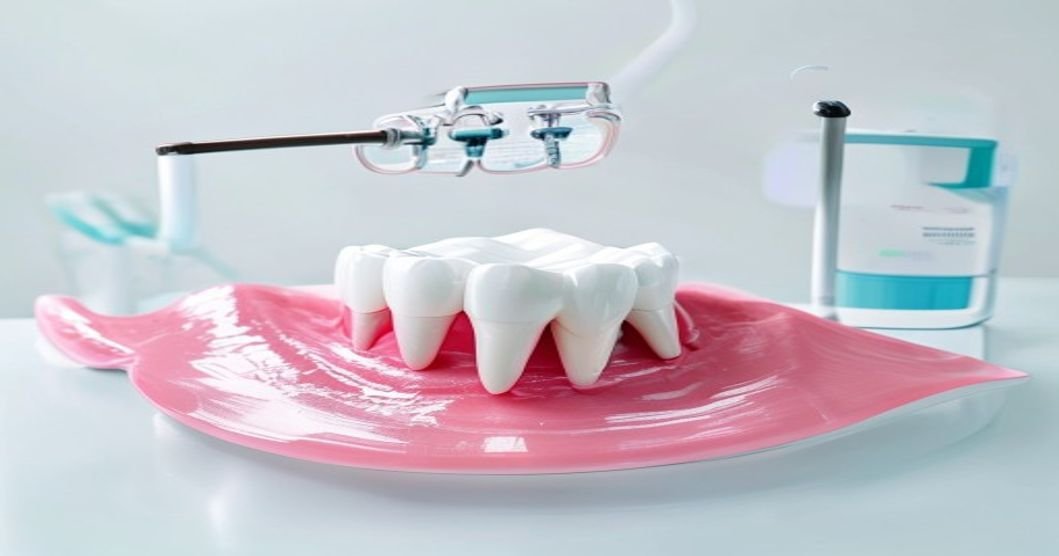
Discover everything about Teeth Cleaning and Dental Prophylaxis, including costs, procedure steps, benefits, and aftercare tips for optimal oral health.
Maintaining a bright, healthy smile starts with a solid foundation of preventive care. At the heart of this preventive care is Teeth Cleaning and Dental Prophylaxis, a routine yet vital procedure designed to keep your mouth free of disease. If you have noticed persistent bad breath, visible tartar buildup, or it has been more than six months since your last dental visit, this guide is for you.Teeth Cleaning and Dental Prophylaxis is the professional removal of plaque, calculus (tartar), and surface stains from your teeth. Unlike your daily at-home brushing and flossing, this clinical procedure reaches areas that standard toothbrushes simply cannot. It is recommended for nearly all patients with healthy gums or mild, reversible gingivitis.In this comprehensive article, you will learn exactly what to expect during your appointment. We will break down the step-by-step procedure, outline the realistic costs you might face, and explain how dental insurance typically handles these visits. You will also discover the clear signs that indicate you need a professional cleaning, the benefits of staying on schedule, and practical aftercare tips to maximize your results. Understanding Teeth Cleaning and Dental Prophylaxis empowers you to take control of your oral health and avoid costly restorative treatments down the road.
| Topic | Key Point |
|---|---|
| Definition | Professional removal of plaque, tartar, and stains to prevent gum disease and decay. |
| Recommended Frequency | Every six months for most patients; every 3-4 months for those with active gum disease. |
| Procedure Duration | Typically takes 45 to 60 minutes for a standard adult cleaning and evaluation. |
| Pain Level | Generally painless; mild sensitivity may occur, especially if gums are currently inflamed. |
| Average Cost | $100 to $200 without insurance; often 100% covered by preventive dental insurance plans. |
| Primary Benefit | Prevents the progression of gingivitis to periodontitis, protecting the bone that holds teeth. |
| Insurance Coverage | Most PPO and HMO plans cover two routine cleanings per calendar year at 80% to 100%. |
| Aftercare | Avoid hot, cold, or highly pigmented foods for 24 hours to reduce sensitivity and staining. |
Teeth Cleaning and Dental Prophylaxis is a preventive dental treatment focused on maintaining optimal oral hygiene and preventing the onset of gum disease. The term “prophylaxis” comes from the Greek word meaning “to guard or prevent beforehand.” In dentistry, it refers specifically to the thorough cleaning of the crowns of the teeth in patients who have healthy gums or only mild, reversible gum inflammation known as gingivitis.To understand why this is necessary, it helps to know a bit about dental anatomy. Every day, a sticky, colorless film of bacteria called plaque forms on your teeth. If plaque is not removed daily through proper brushing and flossing, it hardens into calculus, commonly known as tartar. Tartar is a calcified deposit that bonds strongly to the tooth enamel, particularly near the gumline and between teeth.Once tartar forms, it cannot be removed by a toothbrush or dental floss. It requires specialized dental instruments. If left untreated, the bacteria within tartar produce toxins that irritate the delicate gum tissue. This irritation leads to gingivitis, characterized by red, swollen, and bleeding gums. If gingivitis is ignored, it can advance to periodontitis, a severe form of gum disease that destroys the periodontal ligament and bone supporting your teeth, eventually leading to tooth loss.Therefore, Teeth Cleaning and Dental Prophylaxis is not just about achieving a cosmetically bright smile. It is a critical medical intervention. By removing the bacterial biofilm and calculus, your dental hygienist eliminates the root cause of gum inflammation. This procedure also includes polishing the teeth to remove extrinsic stains from coffee, tea, wine, or tobacco, leaving your mouth feeling exceptionally smooth and fresh. Regular prophylaxis disrupts the bacterial cycle, giving your gums a chance to heal and remain firmly attached to your teeth.
While everyone benefits from routine preventive care, certain symptoms strongly indicate that you should schedule an appointment promptly. Ignoring these signs can allow minor issues to develop into complex, painful, and expensive dental problems.
If you notice yellow or brown hard deposits along your gumline or between your teeth, you have tartar. Unlike soft plaque, tartar cannot be brushed away at home. Action: Schedule a routine cleaning. This can usually wait a few weeks, but do not delay for months.
Healthy gums do not bleed. If you see pink in the sink after brushing, it is a primary indicator of gingivitis. Action: Call your dentist promptly. Early intervention with a professional cleaning can completely reverse this condition.
Chronic bad breath that does not go away after brushing or using mouthwash is often caused by trapped bacteria and decaying food particles in tartar deposits. Action: Schedule an evaluation. If accompanied by pain or swelling, seek care within a few days.
If your teeth appear longer than usual or you feel sharp zings of pain when consuming hot or cold items, your gums may be receding due to underlying inflammation and tartar buildup. Action: Contact your dentist promptly for an assessment to prevent further bone loss.
If your teeth feel fuzzy or rough to your tongue, especially near the gums, plaque and early calculus are accumulating rapidly. Action: This is a standard sign you are overdue for your six-month Teeth Cleaning and Dental Prophylaxis.
Knowing exactly what will happen during your visit can significantly reduce dental anxiety. A standard Teeth Cleaning and Dental Prophylaxis appointment is straightforward, efficient, and designed for your comfort. Here is the step-by-step breakdown of what to expect:
Duration and Sensations: A standard Teeth Cleaning and Dental Prophylaxis typically takes 45 to 60 minutes. The procedure is generally painless. You may feel mild pressure, vibrations, or temporary sensitivity, especially if your gums are already inflamed. Local anesthesia or numbing is rarely needed for a standard prophylaxis, though topical numbing gel can be requested if you have sensitive gums.Recovery Timeline: There is virtually no downtime. You can resume normal activities immediately. Any mild gum soreness or temperature sensitivity usually resolves within 24 to 48 hours.
Understanding both sides of the treatment helps you make informed decisions about your oral healthcare.
The cost of preventive dental care can vary, but understanding the national averages helps you budget effectively. Below is a breakdown of typical costs for Teeth Cleaning and Dental Prophylaxis in the United States based on current market rates.
| Item / Service | Average Cost (no insurance) | Typical Insurance Coverage | Notes |
|---|---|---|---|
| New Patient Exam & Consultation | $75 – $150 | 80% – 100% | Often bundled with cleaning or covered separately under diagnostic benefits. |
| Routine Dental X-Rays (Bitewings) | $50 – $150 | 80% – 100% | Usually taken once a year; essential for detecting hidden decay between teeth. |
| Adult Prophylaxis (Teeth Cleaning) | $100 – $200 | 100% | ADA Code D1110. Most plans cover two per calendar year at no out-of-pocket cost. |
| Fluoride Treatment (Adult) | $30 – $60 | 50% – 80% | Often considered a preventive or basic service depending on the specific plan. |
| Full Mouth X-Rays (FMX) | $150 – $300 | 80% – 100% | Typically covered once every 3 to 5 years for comprehensive baseline assessment. |
| Periodontal Maintenance (if needed) | $150 – $250 | 80% – 100% | ADA Code D4910. For patients with a history of gum disease; not a standard prophylaxis. |
| Typical Total Range (Routine Visit) | $225 – $510 | $0 – $50 out-of-pocket | Assumes 100% coverage for the cleaning and exam, with minor copays for X-rays. |
Factors Influencing Cost Variation:
Several key factors cause these prices to fluctuate. Geography plays a massive role; a cleaning in a major metropolitan area like New York City or San Francisco will naturally cost more than the same procedure in a rural Midwestern town due to higher overhead costs. Provider specialty and practice type also matter; a boutique cosmetic dental practice may charge premium fees compared to a high-volume community clinic. Finally, the complexity of the case impacts the price. If a patient has not been to the dentist in years and requires extensive debridement before a standard cleaning can even be performed, the cost will be significantly higher than a routine prophylaxis.
Yes, in the vast majority of cases, dental insurance is designed to heavily incentivize and cover preventive care. Understanding how your plan works can save you hundreds of dollars.Applicable ADA Procedure Codes:
The standard code for an adult prophylaxis is D1110. For children under age 14, the code is D1120. If you have existing gum disease, the cleaning may be coded as D4910 (Periodontal Maintenance) or D4355 (Full Mouth Debridement), which have different coverage rules.Plan Types and Coverage:
Waiting Periods:
One of the biggest advantages of dental insurance is that preventive services like Teeth Cleaning and Dental Prophylaxis rarely have waiting periods. You can usually use this benefit immediately upon your policy’s effective date.Predetermination of Benefits:
A predetermination (or pre-authorization) is when your dentist submits the proposed treatment plan to your insurance company before the appointment. While not strictly necessary for a routine D1110 cleaning, it is highly recommended if the dentist suspects you might need a debridement or periodontal maintenance, ensuring you are not surprised by a large bill.Tips for Patients Without Insurance:
If you are uninsured, do not skip your cleaning. Consider joining a dental discount plan, which can reduce cleaning costs by 20% to 50% for a small annual membership fee. You can also seek care at a local dental school or community health center, where supervised students provide high-quality cleanings at a fraction of the private practice cost. Many private offices also offer in-house membership plans or flexible payment options like CareCredit.
While Teeth Cleaning and Dental Prophylaxis is the gold standard for healthy mouths, certain clinical situations or patient preferences might lead a dentist to recommend an alternative or adjunctive treatment.
Proper aftercare ensures your gums heal quickly and your teeth remain free of plaque for as long as possible. Follow these guidelines to protect the results of your Teeth Cleaning and Dental Prophylaxis.First 24 Hours:
Days 2-7:
Long-Term Care:
Red-Flag Symptoms:
Contact your dentist immediately if you experience:
Choosing the right dental provider is crucial for a comfortable, effective, and transparent preventive care experience. Consider these 8 factors when making your decision:
Questions to Ask at Your Consultation:
For most adults and children with healthy gums, the American Dental Association (ADA