Physical Address
304 North Cardinal St.
Dorchester Center, MA 02124
Physical Address
304 North Cardinal St.
Dorchester Center, MA 02124

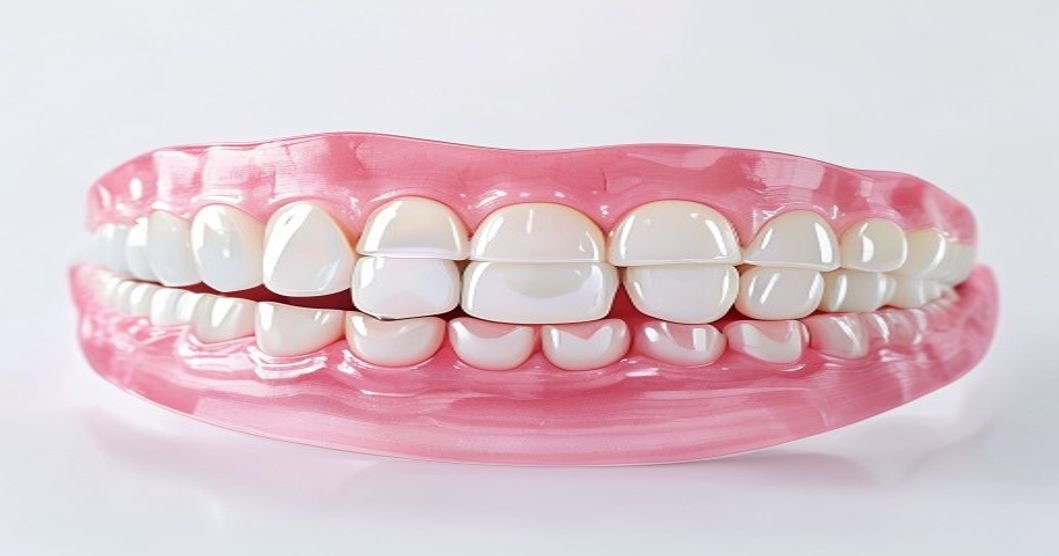
Learn everything about dental veneers. Discover costs, procedure steps, 2026 pricing, aftercare tips, and alternatives from expert cosmetic dentists.
A confident smile can transform your self-esteem and leave a lasting first impression. If you are unhappy with the color, shape, or alignment of your front teeth, dental veneers offer a highly effective cosmetic solution. Dental veneers are custom-made, ultra-thin shells of tooth-colored material designed to cover the front surface of teeth. They are a popular choice for patients seeking a dramatic, yet natural-looking smile makeover without the need for extensive orthodontic work.Many people wonder if veneers are right for them or if the preparation process is too invasive. Fortunately, modern cosmetic dentistry has made the procedure highly predictable, minimally invasive, and comfortable. In this comprehensive guide, we will explain exactly what to expect from the initial consultation through long-term maintenance. You will learn about the signs that indicate you are a good candidate, the step-by-step placement process, realistic 2026 costs, and proven aftercare strategies. By the end of this article, you will feel confident and fully informed about making the best decisions for your aesthetic and oral health goals.
| Topic | Key Point |
|---|---|
| Primary Purpose | Masks cosmetic flaws like stains, chips, gaps, and minor misalignment. |
| Ideal Candidates | Patients with healthy gums and sufficient tooth enamel seeking aesthetic improvement. |
| Procedure Time | Typically requires two to three visits, spaced 2 to 3 weeks apart. |
| Pain Level | Minimal discomfort; local anesthesia is used, and the procedure is generally painless. |
| Average Cost | Ranges from $1,200 to $2,500 per tooth for porcelain, depending on location. |
| Lifespan | Porcelain veneers last 10 to 15 years; composite veneers last 5 to 7 years. |
| Main Risk | The procedure is irreversible, as a small amount of enamel is permanently removed. |
| Best Alternative | Professional teeth whitening or clear aligners, depending on the specific flaw. |
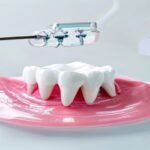
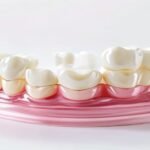
To understand dental veneers, it is helpful to know the basic anatomy of a human tooth. The visible part of your tooth is protected by a hard, white outer layer called enamel. Beneath the enamel is a softer layer called dentin, which gives the tooth its underlying color. When enamel becomes stained, chipped, or worn, the aesthetic appearance of the tooth is compromised. A dental veneer acts like a custom-designed false fingernail for your tooth. It is a thin, custom-crafted shell, typically ranging from 0.3 to 0.7 millimeters in thickness, that is permanently bonded to the front surface of the tooth. Because they are so thin, they require minimal alteration to your natural tooth structure compared to a full dental crown.There are two primary materials used for dental veneers. Porcelain veneers (often made from lithium disilicate, known as E.max) are the gold standard in cosmetic dentistry. They are highly durable, resist staining exceptionally well, and mimic the light-reflecting properties of natural enamel. Composite resin veneers are made from the same tooth-colored filling material used for cavities. They are less expensive and can often be placed in a single visit, but they are more prone to staining and chipping over time.The placement of dental veneers relies on a strong chemical bond between the veneer, a specialized adhesive, and your natural tooth enamel. This process, known as acid etching and resin bonding, creates a seal that is incredibly strong and durable. While primarily a cosmetic treatment, veneers also provide a protective layer for the underlying tooth, shielding it from minor wear and tear. However, they require a foundation of healthy teeth and gums to be successful long-term.
Some teeth develop deep, intrinsic stains that do not respond to professional teeth whitening. This can be caused by certain medications (like tetracycline antibiotics), excessive fluoride exposure during childhood, or trauma to the tooth nerve. Dental veneers completely cover the front surface of the tooth, masking even the most stubborn discoloration and providing a bright, uniform smile.
Minor accidents, biting down on hard objects, or chronic teeth grinding can chip or flatten the edges of your front teeth. Instead of rebuilding the tooth with composite bonding, which can wear down, a porcelain veneer restores the original length and shape of the tooth. This provides a durable, natural-looking repair that withstands normal chewing forces.
Small to moderate gaps between the front teeth are a common cosmetic concern. While orthodontics can close these spaces, some patients prefer a faster solution. Dental veneers can be made slightly wider than the natural tooth to bridge small gaps, creating the illusion of a perfectly aligned smile without the need for braces or clear aligners.
If your teeth are slightly rotated, overlapped, or uneven, veneers can create the appearance of a straight smile. This is often referred to as “instant orthodontics.” It is important to note that veneers only mask minor alignment issues; they do not actually move the roots of the teeth. Severe crowding or bite issues still require traditional orthodontic treatment.
Some people naturally have teeth that are unusually small, peg-shaped, or irregularly sized, which can disrupt the harmony of their smile. Dental veneers are custom-sculpted to create ideal proportions and symmetry. Your dentist will work with you to design a shape that complements your facial features, gum line, and lip dynamics.
The entire dental veneer process typically requires two to three visits, with each appointment lasting 60 to 90 minutes. The laboratory phase takes about 2 to 3 weeks. After the final bonding, you may experience mild gum irritation or temperature sensitivity for 2 to 3 days, which resolves quickly.
| Item / Service | Average Cost (no insurance) | Typical Insurance Coverage | Notes |
|---|---|---|---|
| Initial Consultation & Digital Imaging | $100 – $250 | 80% – 100% | Includes exam, X-rays, and digital smile design preview. |
| Porcelain Veneer (per tooth) | $1,200 – $2,500 | 0% – 50% | Considered cosmetic; coverage varies wildly by plan. |
| Composite Resin Veneer (per tooth) | $400 – $800 | 0% – 50% | Less expensive, but shorter lifespan and more prone to staining. |
| Temporary Veneers (per arch) | $300 – $600 | 0% – 50% | Protects teeth while permanent veneers are fabricated. |
| Gum Contouring (if needed) | $300 – $800 per tooth | 0% – 50% | Used to correct a “gummy smile” for better veneer proportions. |
| Custom Nightguard (post-procedure) | $400 – $800 | 50% | Highly recommended to protect veneers from nighttime grinding. |
| Veneer Repair or Replacement | $1,200 – $2,500 | 0% – 50% | Required if a veneer chips, cracks, or debonds. |
| Typical Total Range (Smile Makeover, 6-8 teeth) | $7,200 – $20,000 | Varies by plan | Out-of-pocket depends on your specific plan’s cosmetic limits. |
The cost of dental veneers varies significantly based on several key factors. Geography plays a major role, with procedures in major metropolitan areas or coastal cities typically costing more than those in rural regions due to higher overhead and cost of living. The provider’s expertise and credentials also impact the price; a dentist accredited by the American Academy of Cosmetic Dentistry (AACD) or a specialized prosthodontist will charge more for their advanced artistic and technical skills.Additionally, the choice of material dictates the final bill. Premium lithium disilicate (E.max) or layered feldspathic porcelain veneers are more expensive to fabricate than basic composite resin or machine-milled alternatives. Finally, the complexity of the case matters. If you require preliminary treatments like gum contouring, orthodontic alignment, or treatment for underlying gum disease before veneers can be placed, these additional procedures will increase the total investment.
Most dental insurance plans classify dental veneers as a cosmetic procedure, meaning they are often not covered, or coverage is very limited. The American Dental Association (ADA) uses specific procedure codes for billing. Code D2962 is used for a porcelain or ceramic veneer. Code D2960 is for a resin-based composite veneer. Code D2961 is used for the laboratory fabrication of a veneer.Plan types dictate your exact coverage levels. PPO (Preferred Provider Organization) plans may cover a portion of the cost (typically 50%) only if the veneer is deemed “medically necessary.” For example, if a front tooth is severely fractured due to trauma and a veneer is the most conservative way to restore it, insurance may contribute. However, if the veneer is purely for aesthetic improvement, the claim will likely be denied. HMO (Health Maintenance Organization) plans rarely cover cosmetic procedures at all.Be aware of “alternate benefit” clauses. Even if a veneer is deemed medically necessary, an insurance company may only pay up to the cost of a less expensive alternative, such as a large composite filling or a dental crown, leaving you responsible for the difference in price. Always request a predetermination of benefits before starting treatment. Your dentist’s office will submit the clinical notes, photographs, and X-rays to your insurance company to receive a written estimate of exactly what they will pay, preventing unexpected financial surprises.If you do not have dental insurance, or if your plan denies cosmetic claims, consider enrolling in a dental discount plan. These are not insurance, but membership programs that negotiate reduced fees with participating dentists, often saving you 15% to 50% on veneer costs. Many cosmetic dental practices also partner with third-party financing companies like CareCredit or Sunbit, allowing you to break the total cost into manageable, interest-free monthly payments. Additionally, dental schools with advanced prosthodontic or cosmetic clinics may offer significantly reduced rates for treatment performed by supervised residents.
Professional in-office or take-home teeth whitening is the most conservative and affordable way to address tooth discoloration. It is preferred for patients whose teeth are healthy and well-shaped but simply stained or yellowed. The approximate cost is $300 to $600. The key tradeoff is that whitening only changes the color of the tooth; it cannot fix chips, gaps, or misalignment, and the results require periodic maintenance.
Dental bonding involves applying a tooth-colored composite resin directly to the tooth, sculpting it to the desired shape, and hardening it with a special curing light. It is preferred for minor chips, small gaps, or localized aesthetic flaws. The approximate cost is $200 to $500 per tooth, and it can be completed in a single visit without removing enamel. The major tradeoff is that composite resin is not as strong or stain-resistant as porcelain, typically lasting only 5 to 7 years before needing polishing, repair, or replacement.
Orthodontics physically moves the teeth into their correct positions using clear aligners (like Invisalign) or traditional braces. It is preferred for patients with moderate to severe crowding, spacing, or bite misalignment. The approximate cost is $3,000 to $6,000. The tradeoff is the extended treatment time, which can take 12 to 24 months, and the fact that it does not change the inherent color or shape of the teeth, though it provides a highly stable, natural result.
A dental crown is a “cap” that covers the entire visible portion of the tooth, whereas a veneer only covers the front. Crowns are preferred when a tooth is severely damaged, has a large filling, or has undergone root canal treatment, requiring full structural reinforcement. The approximate cost is $1,000 to $1,800 per tooth. The tradeoff is that crown preparation is much more invasive, requiring the removal of significantly more healthy tooth structure from all sides of the tooth.
After your permanent veneers are bonded, the local anesthesia will take a few hours to wear off. Avoid eating until the numbness is completely gone to prevent accidentally biting your cheek, tongue, or lip. Stick to soft foods and avoid chewing directly on the front teeth for the first day. Do not consume heavily pigmented foods or drinks (like coffee, red wine, or berries) immediately after placement, as the bonding cement can be slightly susceptible to staining in the first few hours.
You may experience mild sensitivity to hot or cold temperatures, or slight gum soreness around the treated teeth. This is a normal inflammatory response to the preparation and bonding process and should subside within a few days. You can manage this with over-the-counter pain relievers like ibuprofen. Resume your normal oral hygiene routine, but be gentle when brushing and flossing near the gumline to allow the tissues to heal fully.
Treat your dental veneers with the same care as your natural teeth, with a few extra precautions. Brush twice a day with a non-abrasive fluoride toothpaste and floss daily to prevent plaque buildup at the margins. Avoid using your front teeth to bite into hard objects like apples, corn on the cob, or hard candy; cut these foods into smaller pieces instead. If you play contact sports or grind your teeth at night, wear a custom-fitted mouthguard or nightguard to protect your investment from traumatic fractures.
Contact your dentist immediately if you experience severe, throbbing pain that is not relieved by medication, as this could indicate nerve inflammation. Other warning signs include a visible chip or crack in the veneer, a feeling that the veneer is loose or has shifted, persistent gum swelling or bleeding around the restoration, or a dark line appearing at the gum margin, which may indicate underlying decay or cement failure.
Questions to Ask at Your Consultation:
When designed and placed by a skilled cosmetic dentist, dental veneers should look entirely natural. Modern porcelain materials mimic the translucency, texture, and light-reflecting properties of natural tooth enamel. The key to avoiding a “fake” or bulky appearance lies in minimal tooth preparation and working with a master dental technician who customizes the shade, shape, and surface characterization to blend seamlessly with your surrounding natural teeth and facial features.
With proper care and maintenance, high-quality porcelain dental veneers can last anywhere from 10 to 15 years, and many last 20 years or more. Composite resin veneers have a shorter lifespan, typically lasting 5 to 7 years. The longevity of your veneers depends heavily on your oral hygiene habits, whether you wear a nightguard if you grind your teeth, and avoiding the habit of biting on hard objects like ice or pens.
No, the dental veneer procedure is generally not painful. The tooth preparation phase is performed under local anesthesia, ensuring the area is completely numb. You will feel pressure and vibration from the dental drill, but no sharp pain. After the procedure, once the anesthesia wears off, you may experience mild gum soreness or temporary temperature sensitivity for a few days, which is easily managed with over-the-counter pain relievers like ibuprofen.
No, dental veneers are not a substitute for orthodontics. While they can mask minor misalignment, slight rotations, or small gaps (often called “instant orthodontics”), they cannot correct severe crowding, deep overbites, or significant jaw misalignment. Attempting to place veneers on severely crooked teeth would require excessive, unhealthy removal of tooth structure and would likely result in poor aesthetics and bite dysfunction. Orthodontic treatment should always precede veneers in complex cases.
One of the primary advantages of high-quality porcelain dental veneers is that they are highly resistant to staining. Unlike natural tooth enamel, which is porous and absorbs pigments from coffee, tea, red wine, and tobacco, the glazed surface of porcelain is non-porous. However, the bonding cement at the very edge of the veneer can occasionally stain if oral hygiene is poor, and your natural, untreated teeth may darken over time, creating a slight color mismatch.
If a veneer debonds and falls off, do not panic, but contact your dentist promptly. Save the veneer and keep it safe in a small container. Do not attempt to glue it back on yourself with household adhesives, as this can ruin the restoration and damage the tooth. Your dentist can usually clean the tooth and the inside of the veneer, and re-cement it permanently, provided the veneer is intact and the underlying tooth is healthy.
Yes, but with important caveats. Chronic teeth grinding (bruxism) places extreme force on the front teeth, significantly increasing the risk of chipping or fracturing porcelain veneers. If you are a heavy grinder, your dentist may recommend composite veneers, which are more flexible and less prone to catastrophic fracture, or they may insist that you commit to wearing a custom-fitted, hard acrylic nightguard every single night to protect your investment.
Dental veneers are a highly effective, predictable, and transformative cosmetic treatment for patients seeking to enhance the color, shape, and alignment of their smile. By bonding a thin, custom-crafted shell of porcelain or composite resin to the front of the teeth, veneers can mask severe stains, close gaps, and repair minor chips with stunning, natural-looking results. While the procedure requires a minor, irreversible alteration to the natural enamel, the long-term aesthetic and psychological benefits are profound for the right candidate.If you are unhappy with your smile and have healthy teeth and gums, do not settle for hiding your teeth in photos. Delaying a consultation only prolongs your dissatisfaction. Schedule an evaluation with a qualified cosmetic dentist today to discuss your goals, explore digital smile previews, and understand your financial options. Early planning and professional guidance are the most effective ways to achieve a beautiful, confident smile that you will be proud to share with the world.