Physical Address
304 North Cardinal St.
Dorchester Center, MA 02124
Physical Address
304 North Cardinal St.
Dorchester Center, MA 02124

Discover everything about Partial Dentures, including costs, procedure steps, recovery, and insurance coverage. Restore your missing teeth and smile today!
Missing one or more teeth can disrupt your daily life, but you do not have to live with the gaps. If you have lost some of your natural teeth but still have healthy ones remaining, Partial Dentures might be the perfect solution for you. These custom-made dental appliances fill in the empty spaces, giving you back the ability to chew, speak clearly, and smile with confidence. Tooth loss affects millions of adults, impacting everything from nutrition to self-esteem. Fortunately, modern partial dentures are more comfortable, natural-looking, and durable than ever before. In this comprehensive guide, we will explore everything you need to know about partial dentures. You will learn how the procedure works, what signs indicate you might need them, and what to expect during recovery. We will also break down the costs, explain how dental insurance works, and compare them to alternative tooth replacement options. Whether you recently lost a tooth or are planning for the future, understanding your options is the first step toward better oral health. By the end of this article, you will feel empowered to make an informed decision. You will be ready to take the next step toward a healthier, more confident smile with your new prosthetic teeth.
| Topic | Key Point |
|---|---|
| Definition | Partial Dentures are removable prosthetic devices that replace one or more missing teeth while relying on remaining natural teeth for support. |
| Ideal Candidates | Best for patients who have lost some teeth but retain enough healthy, stable teeth to anchor the prosthetic appliance. |
| Procedure Time | The process from initial consultation to final fitting typically takes 3 to 5 weeks with multiple short visits. |
| Average Cost | Costs generally range from $700 to $2,500 per arch, depending on the materials used and case complexity. |
| Lifespan | With proper care and regular adjustments, partial dentures typically last 5 to 8 years before needing replacement. |
| Maintenance | Require daily removal, thorough cleaning, overnight soaking, and regular dental check-ups to protect natural teeth. |
| Alternatives | Dental implants and fixed bridges offer permanent solutions but come at a significantly higher upfront price point. |
| Insurance | Most dental insurance plans cover 50% of the cost after a waiting period, subject to annual maximum limits. |
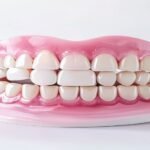
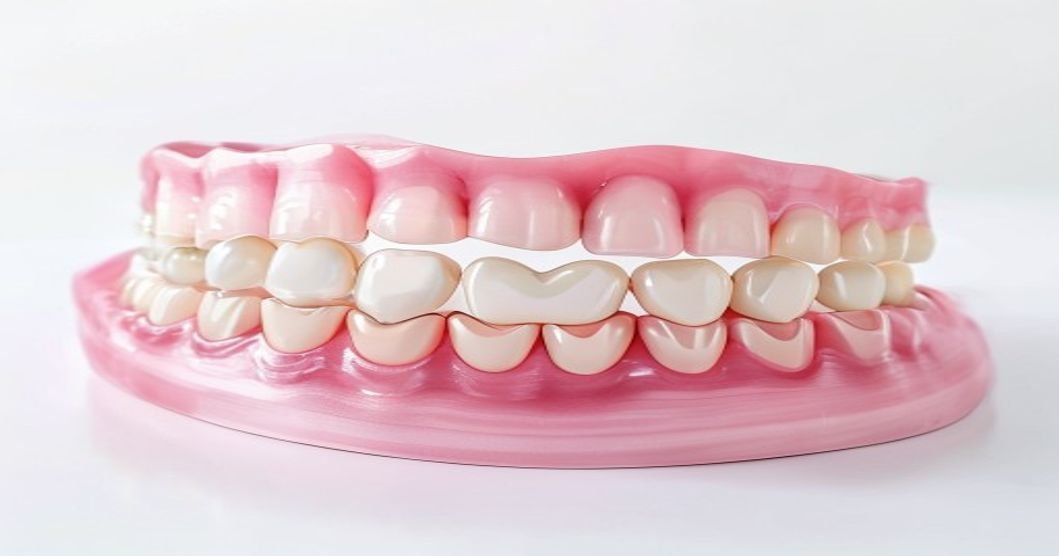
When patients ask what partial dentures involve, they are asking about a versatile and time-tested method of tooth replacement. Partial Dentures are removable oral appliances designed to replace one or more missing teeth in a single arch. Unlike complete dentures, which replace an entire jaw of teeth, partial dentures work alongside your remaining natural teeth. They consist of artificial teeth, typically made from high-quality acrylic or porcelain, attached to a gum-colored base. This base is supported by a framework that holds the entire appliance together. There are three primary types of frameworks. Cast metal frameworks are the most common and durable. They are made from a lightweight cobalt-chromium alloy and use small metal clasps that hook around your natural teeth for stability. Flexible partial dentures are made from a thermoplastic material, such as nylon. They are metal-free, making them highly aesthetic and comfortable, as the flexible clasps blend seamlessly with your gum tissue. Finally, acrylic interim partials are often used as temporary solutions. They are less expensive and easier to adjust but are more prone to breaking and wear over time.From a clinical perspective, a well-designed partial denture does more than just fill a gap. It prevents your remaining natural teeth from shifting, tilting, or drifting into the empty space. This is critical because shifting teeth can ruin your bite alignment, known as occlusion, leading to jaw pain, uneven wear, and further tooth loss. The partial denture also helps distribute the forces of chewing evenly across your jaw. Integrating partial dentures into your overall oral health care requires a dedicated hygiene routine. Because the appliance rests against your natural teeth, plaque can easily build up at the contact points. Your dentist will monitor the health of your abutment teeth (the teeth supporting the partial) and your gum tissue during routine visits. They will also perform regular adjustments to ensure the clasps remain snug but not overly tight, protecting the long-term health of your natural smile.
The most obvious sign is the physical absence of teeth due to extraction, trauma, or severe decay. If you have one or more gaps in your smile, a partial denture can seamlessly fill those spaces. While a single missing back tooth might not seem urgent, you should call your dentist promptly to discuss options. Delaying treatment allows neighboring teeth to shift, which can complicate future restorative work.
Teeth naturally want to move into empty spaces. If you notice that your remaining teeth are leaning, rotating, or developing new gaps between them, this is a strong indicator that you need a space maintainer or partial denture. This is not typically a dental emergency, but it requires a scheduled evaluation soon to prevent permanent bite misalignment and potential tooth loss.
Missing teeth, especially molars, significantly reduce your chewing efficiency. If you find yourself avoiding crunchy vegetables, tough meats, or chewy foods because they get stuck in gaps or cause discomfort, your nutrition may be suffering. This functional decline is a clear sign that you should book a non-urgent consultation to explore restorative options that restore your chewing power.
Aesthetics play a major role in oral health and self-confidence. If missing front or side teeth make you feel self-conscious when speaking, laughing, or taking photos, a partial denture can provide an immediate cosmetic improvement. While this is an elective concern rather than a medical emergency, scheduling a consultation can help you regain your confidence and improve your quality of life.
| Item / Service | Average Cost (no insurance) | Typical Insurance Coverage | Notes |
|---|---|---|---|
| Comprehensive Exam & X-Rays | $150 – $300 | 80% – 100% | Includes necessary imaging to assess abutment teeth. |
| Tooth Extractions (If Needed) | $150 – $250 per tooth | 50% – 80% | Cost varies if surgical extraction is required. |
| Cast Metal Partial Denture | $1,000 – $2,000 per arch | 50% | Most durable and common option; highly stable. |
| Flexible Partial Denture | $1,200 – $2,500 per arch | 50% | Metal-free, highly aesthetic, and comfortable. |
| Acrylic Interim Partial Denture | $400 – $800 per arch | 50% | Temporary solution; less durable long-term. |
| Denture Adjustments and Relines | $100 – $300 per visit | 50% – 80% | Needed periodically as gums and bone change shape. |
| Cleaning Solutions and Brushes | $10 – $25 per month | 0% | Out-of-pocket ongoing maintenance cost. |
| Typical Total Range (Per Arch) | $1,150 – $2,800 | Varies by plan | Assumes no extractions; adds $150-$250 per tooth if needed. |
Several factors cause the final cost of partial dentures to vary. Geography plays a major role; patients in major metropolitan areas or coastal cities typically pay 20% to 30% more than those in rural regions due to higher overhead costs. Provider specialty also impacts the price, as prosthodontists (dentists specializing in tooth replacement) often charge more than general dentists for complex cases. The materials used heavily influence the final bill. Premium flexible thermoplastic partials or high-density cast metal frameworks cost more than standard economy acrylic options. Finally, the complexity of the case matters. Patients requiring multiple extractions, treatment for active gum disease, or extensive modifications to the partial design will see their overall costs increase.
Most dental insurance plans consider partial dentures a major restorative service. The specific ADA procedure codes your dentist will use depend on the material. Codes D5211 (maxillary cast metal) and D5212 (mandibular cast metal) are common. For acrylic partials, codes D5213 (maxillary) and D5214 (mandibular) apply. Flexible partials often use codes D5225 or D5226.Coverage depends heavily on your plan type. PPO (Preferred Provider Organization) and indemnity plans usually offer the best coverage, often paying 50% of the cost for major procedures. HMO (Health Maintenance Organization) or DHMO plans may cover partial dentures but require you to use a specific network dentist and often involve fixed copays rather than percentages.Most plans cover 50% of the partial denture cost, but there is usually a waiting period of 6 to 12 months for major services if you just enrolled in the policy. Additionally, benefits are subject to an annual maximum, which typically ranges from $1,000 to $2,000. This means your insurance will stop paying once you hit that limit for the calendar year.Before starting treatment, always ask your dental office to submit a predetermination of benefits (also called a pre-authorization) to your insurance company. This is a request that tells the insurer exactly what work is needed and asks them to confirm in writing how much they will pay. This prevents surprise out-of-pocket bills.If you do not have dental insurance, look into dental discount plans, which charge a low annual fee for 15% to 50% off procedures at participating offices. You can also contact local dental schools, where supervised students provide high-quality care at a fraction of the cost. Finally, most dental offices offer in-house payment plans or partner with third-party medical credit cards like CareCredit to help you manage the expense over time.
A dental implant is a titanium post surgically placed into the jawbone to act as an artificial tooth root, topped with a custom crown. It is preferred for patients who want a permanent, fixed solution that does not rely on adjacent teeth. The cost typically ranges from $3,000 to $5,000 per tooth. The key tradeoff is the high upfront cost, the requirement for sufficient jawbone density, and the need for minor oral surgery, but it offers the highest level of stability and prevents bone loss.
A traditional fixed bridge uses the healthy teeth on either side of a gap as anchors. These abutment teeth are crowned, and a false tooth (pontic) is suspended between them. It is ideal for patients missing one or two consecutive teeth who want a non-removable solution. Costs average $2,500 to $5,000 depending on the number of units. The main tradeoff is that it requires permanently grinding down healthy adjacent teeth, which can compromise their long-term structural integrity.
This conservative alternative uses a false tooth with metal or porcelain wings that are bonded to the back of the adjacent natural teeth. It is preferred for replacing a single missing front tooth where chewing forces are low. Costs typically range from $1,500 to $2,500. The key tradeoff is that it is less durable than a traditional bridge or implant and has a higher risk of debonding (popping off) over time, especially if you bite into hard foods.
First 24 Hours:
Days 2-7:
Long-Term Care:
Red-Flag Symptoms:
Call your dentist immediately if you experience severe, sharp pain that is not relieved by minor adjustments. You should also seek prompt care if you notice persistent sores or white/red patches on your gums that do not heal within a few days. Finally, contact your office if a clasp breaks, the acrylic cracks, or the partial becomes so loose that it poses a choking hazard.
Questions to Ask at Your Consultation:
Partial dentures typically last between 5 to 8 years. However, this lifespan depends heavily on how well you care for them and how your mouth changes over time. Because the jawbone and gum tissue naturally change shape, the partial denture base will eventually lose its snug fit. Your dentist will need to perform periodic “relines” to fill in the gaps and maintain comfort. Even with excellent maintenance, the artificial teeth will eventually wear down from chewing, and the materials will degrade, necessitating a full replacement to ensure proper function.
You can eat most foods, but you will need to make some initial adjustments. Start with soft foods cut into small pieces. Chew slowly and use both sides of your mouth at the same time to keep the partial denture stable and prevent it from tipping. Over time, you will regain most of your chewing efficiency. However, you should always avoid extremely hard foods like ice or hard candy, and very sticky foods like caramel, as these can dislodge the clasps or crack the acrylic base.
When properly designed, fitted, and maintained, partial dentures do not damage natural teeth. In fact, they protect them by preventing shifting. However, if the partial is ill-fitting or if you neglect your oral hygiene, the clasps can trap plaque and food debris. This can lead to an increased risk of tooth decay and gum disease on the supporting abutment teeth. Meticulous daily cleaning of both your natural teeth and the partial denture is essential to prevent this.
Clean your partial dentures daily to remove food particles and plaque. Remove them and rinse under running water first to prevent breakage if dropped. Brush them using a soft-bristled denture brush and a non-abrasive denture cleanser. Never use regular toothpaste, as it is too harsh and can scratch the acrylic or metal. Avoid using bleach or hot water, which can weaken the materials and fade the tooth color. When not in your mouth, store them in water or a mild denture-soaking solution to keep them from drying out.
You may experience a temporary lisp or difficulty pronouncing certain words when you first get partial dentures. This is completely normal as your tongue and cheek muscles adjust to the new appliance and its clasps. Reading aloud for 15 to 20 minutes a day can help your mouth adapt much faster. If you struggle with specific sounds, practice repeating those words slowly. Within a few weeks, your muscle memory will adjust, and your speech will return to normal.
It is highly recommended that you remove your partial dentures before going to sleep. Taking them out at night gives your gum tissues and supporting natural teeth a much-needed rest from constant pressure. This helps prevent irritation, sore spots, and fungal infections. Overnight removal also allows you to soak the dentures in water or a cleaning solution, which keeps the acrylic moist so it does not warp or crack. The only exception is if your dentist specifically instructs you to wear it continuously for the first 24 hours after delivery.
Cast metal partial dentures use a rigid cobalt-chromium framework with metal clasps. They are highly durable, offer excellent stability, and are generally less expensive. However, the metal clasps may be visible when you smile. Flexible partial dentures are made from a thermoplastic nylon material. They are metal-free, making them highly aesthetic because the clasps blend with your gum tissue. They are also more comfortable and lightweight, but they are more expensive, cannot be easily adjusted or relined, and may wear out faster than metal.
Losing some of your natural teeth is a significant challenge, but Partial Dentures offer a reliable, cost-effective way to restore your smile, chewing function, and facial structure. We have covered how modern partials are customized for a natural appearance, the step-by-step procedure you can expect, and the realistic costs and insurance coverage associated with treatment. While alternatives like dental implants and fixed bridges exist, traditional partial dentures remain a highly successful, minimally invasive solution for replacing missing teeth. The most important step you can take is to schedule a consultation with a licensed, experienced dentist. Do not delay treatment, as addressing tooth loss early prevents further bone deterioration, protects your remaining oral health, and is almost always less expensive and more effective than waiting until complications arise.