Physical Address
304 North Cardinal St.
Dorchester Center, MA 02124
Physical Address
304 North Cardinal St.
Dorchester Center, MA 02124

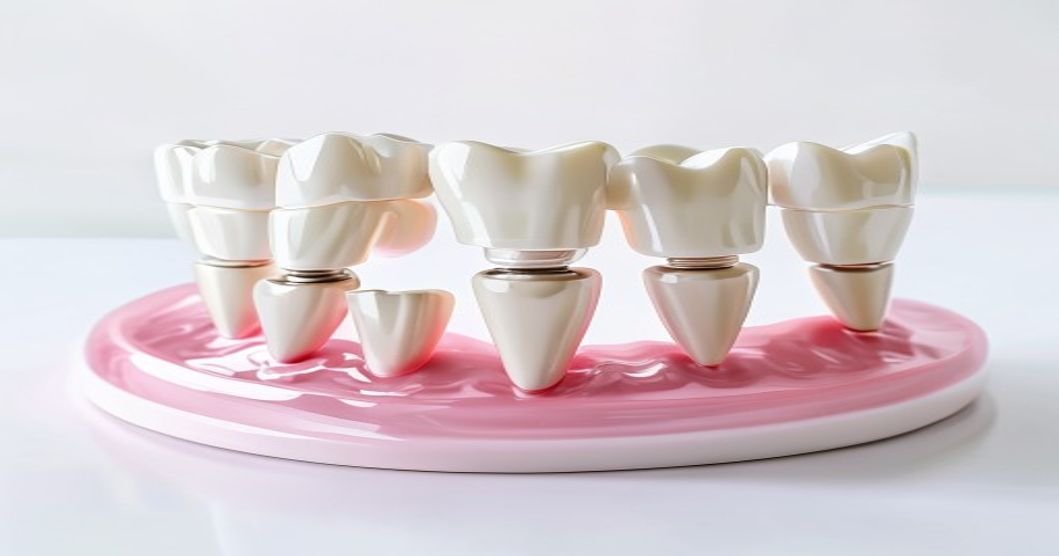
Discover everything about Implant-Supported Dentures, including costs, procedure steps, recovery, and insurance coverage. Restore your beautiful smile today!
Missing all your teeth can be a life-altering experience, but modern dentistry offers a revolutionary solution that feels and functions just like natural teeth. If you are looking for maximum stability, comfort, and confidence, Implant-Supported Dentures might be the perfect option for you. These advanced prosthetic devices replace missing teeth and are securely anchored directly to your jawbone using titanium dental implants. Unlike traditional removable dentures that simply rest on the gums, implant-supported options snap or screw firmly into place. This eliminates the slipping, clicking, and discomfort that many denture wearers experience. Tooth loss affects millions of adults, deeply impacting nutrition, speech, and overall self-esteem. Fortunately, today’s implant technology provides a durable, long-lasting restoration that can truly transform your quality of life.In this comprehensive guide, we will explore everything you need to know about implant-supported dentures. You will learn how the surgical and restorative procedures work, what signs indicate you might be a candidate, and what to expect during the healing process. We will also break down the realistic costs, explain how dental insurance applies to these procedures, and compare them to alternative tooth replacement options. Whether you currently struggle with loose traditional dentures or are planning for a full-mouth restoration, understanding your options is the crucial first step toward better oral health. By the end of this article, you will feel empowered to make an informed decision. You will be ready to take the next step toward a confident, functional smile with your new prosthetic teeth.
| Topic | Key Point |
|---|---|
| Definition | Implant-supported dentures are removable or fixed prosthetics anchored to the jawbone by titanium dental implants. |
| Ideal Candidates | Best for patients missing all teeth in an arch who want superior stability and wish to prevent further jawbone loss. |
| Procedure Time | The entire process typically takes 4 to 8 months, including implant healing and custom prosthetic fabrication. |
| Average Cost | Costs generally range from $15,000 to $30,000 per arch, depending on the number of implants and materials used. |
| Lifespan | The titanium implants can last a lifetime with proper care, while the prosthetic teeth may need replacement every 10 to 15 years. |
| Maintenance | Require daily brushing, specialized flossing around the implants, and regular professional cleanings to prevent infection. |
| Alternatives | Traditional complete dentures and fixed implant bridges offer different tradeoffs in cost, stability, and surgical invasiveness. |
| Insurance | Most dental insurance plans cover a portion of the prosthetic, but implant surgery coverage is often limited or excluded. |
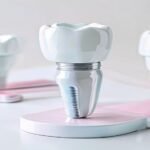
When patients ask what implant-supported dentures involve, they are asking about the gold standard of full-arch tooth replacement. Implant-Supported Dentures are advanced dental prosthetics designed to replace an entire arch of missing teeth. Instead of resting solely on the gums like traditional dentures, these appliances are securely anchored to the jawbone using titanium dental implants. An implant acts as an artificial tooth root. Over several months, it fuses with the surrounding bone through a biological process called osseointegration. This strong bond provides unparalleled stability and strength that gums alone cannot offer.There are two primary types of implant-supported dentures: removable overdentures and fixed hybrid dentures. Removable overdentures, often called “snap-in” dentures, typically use two to four implants per arch. The denture features special attachments, such as locator abutments or a metal bar, that snap securely into place. You can easily remove this type of denture daily for thorough cleaning. Fixed hybrid dentures, sometimes referred to as “All-on-4” or “All-on-6,” are permanently screwed onto four to six implants. Only a dentist can remove these, and they feel and function much closer to natural teeth than removable options.From a clinical perspective, the benefits of implant-supported dentures extend far beyond just holding teeth in place. When natural teeth are lost, the jawbone no longer receives the mechanical stimulation it needs. This leads to progressive bone resorption, or shrinkage, over time. Dental implants mimic natural tooth roots by transmitting chewing forces directly into the jawbone. This continuous stimulation halts bone loss and helps preserve your natural facial structure, preventing the sunken appearance often associated with long-term tooth loss.Integrating implant-supported dentures into your overall oral health care requires a commitment to meticulous hygiene. Because the implants penetrate the gum tissue, they are susceptible to a condition called peri-implantitis, which is similar to gum disease. Your dentist will monitor the health of your gums and the stability of the implants during routine visits. They will also perform periodic maintenance, such as tightening screws or replacing worn attachment components, to ensure your restoration continues to function flawlessly for decades.
If your current dentures constantly rub, pinch, or create painful sore spots on your gums, you may be a prime candidate for implant support. Traditional dentures rely on suction or adhesives, which can fail and cause friction. While minor soreness can sometimes be adjusted by your dentist, chronic, unresolvable pain is a strong sign that you need the stability of implants. You should call your dentist promptly to discuss upgrading your restoration before the friction causes permanent tissue damage.
When you lose teeth, your jawbone begins to shrink rapidly. If you notice your face looking more sunken, your lips thinning, or your chin protruding forward, you are experiencing bone resorption. Traditional dentures cannot stop this process and may even accelerate it by pressing on the gums. Implant-supported dentures stimulate the bone, halting further deterioration. This is not a dental emergency, but scheduling a consultation soon is vital to preserve your remaining bone structure.
Missing teeth or unstable dentures significantly reduce your chewing efficiency. If you find yourself avoiding crunchy vegetables, tough meats, or nuts because your dentures slip or cause pain, your nutrition may be suffering. Many patients resort to a soft, processed diet, which can lead to vitamin deficiencies and other health issues. If your diet has changed due to chewing difficulties, book a non-urgent consultation to explore how implants can restore your full chewing power.
Dentures that shift while you talk can cause embarrassing clicking sounds or affect your ability to pronounce certain words clearly. This lack of stability can severely impact your social confidence and professional interactions. While a temporary slip might be fixed with a better adhesive, frequent movement indicates that the denture no longer fits your changing jaw. Contact your dentist to evaluate if implant-supported dentures can provide the secure, permanent fit you need.
| Item / Service | Average Cost (no insurance) | Typical Insurance Coverage | Notes |
|---|---|---|---|
| Comprehensive Exam & 3D CBCT Scan | $300 – $600 | 50% – 80% | Essential for precise surgical planning and nerve mapping. |
| Tooth Extractions (If Needed) | $150 – $350 per tooth | 50% – 80% | Cost varies if surgical extraction or bone grafting is required. |
| Dental Implant Placement (Per Implant) | $1,500 – $2,500 | 0% – 50% | Often considered a medical/surgical procedure; coverage varies widely. |
| Abutment Placement (Per Implant) | $300 – $500 | 50% | The connector piece that attaches the implant to the denture. |
| Removable Implant Overdenture (Per Arch) | $6,000 – $12,000 | 50% | Cost depends on whether a bar or individual locator attachments are used. |
| Fixed Hybrid Prosthesis (All-on-4/6) | $15,000 – $25,000 per arch | 50% | Premium option; permanently screwed in, feels most like natural teeth. |
| Bone Grafting (If Required) | $500 – $1,500 per site | 0% – 50% | Necessary if jawbone density is insufficient to support the implants. |
| Typical Total Range (Per Arch) | $15,000 – $30,000 | Varies by plan | Assumes 4-6 implants and a high-quality final prosthesis. |
Several factors cause the final cost of implant-supported dentures to vary significantly. Geography plays a major role; patients in major metropolitan areas or coastal cities typically pay 20% to 30% more than those in rural regions due to higher overhead and living costs. Provider specialty also impacts the price, as oral surgeons and prosthodontists often charge more than general dentists for complex surgical and restorative cases. The materials used heavily influence the final bill. Premium fixed hybrid dentures made from high-density zirconia cost more than standard acrylic removable overdentures. Finally, the complexity of the case matters. Patients requiring extensive bone grafting, sinus lifts, or full-mouth extractions will see their overall costs increase substantially.
Most dental insurance plans consider implant-supported dentures a major restorative service, but coverage is often fragmented. The specific ADA procedure codes your dentist will use include D6010 (surgical placement of implant body), D6056 (prefabricated abutment), D6058 (abutment supported retainer), and D6199 (unlisted implant procedure). For the prosthetic itself, codes like D5225 (maxillary removable partial denture) or D6199 may be applied depending on the design.Coverage depends heavily on your plan type. PPO (Preferred Provider Organization) plans usually offer the best coverage, often paying 50% of the cost for the prosthetic portion of the treatment. HMO (Health Maintenance Organization) plans may cover a portion but require you to use a specific network dentist and often have strict limitations on implant surgery. Many insurance companies still classify the surgical placement of the implant itself as a cosmetic or elective procedure, meaning they may cover the denture but pay 0% for the implants.Most plans that do cover the procedure will pay 50% of the allowable amount, but there is usually a waiting period of 6 to 12 months for major services if you just enrolled. Additionally, benefits are subject to an annual maximum, which typically ranges from $1,000 to $2,000. Because implant-supported dentures often exceed this maximum, you may need to split the treatment across two calendar years to maximize your benefits.Before starting treatment, always ask your dental office to submit a predetermination of benefits (also called a pre-authorization) to your insurance company. This is a request that tells the insurer exactly what work is needed and asks them to confirm in writing how much they will pay. This prevents surprise out-of-pocket bills.If you do not have dental insurance, look into dental discount plans, which charge a low annual fee for 15% to 50% off procedures at participating offices. You can also contact local dental schools or oral surgery residency programs, where supervised specialists provide high-quality care at a fraction of the cost. Finally, most dental offices offer in-house payment plans or partner with third-party medical credit cards like CareCredit to help you manage the expense over time with low or zero interest.
Traditional complete dentures are removable acrylic appliances that rest directly on the gums, relying on suction or adhesives for retention. They are preferred for patients who have insufficient bone for implants, have severe health conditions that preclude surgery, or have a strict budget. The cost typically ranges from $1,500 to $3,500 per arch. The key tradeoff is that they offer significantly less stability and chewing power, and they do not prevent the ongoing jawbone shrinkage associated with tooth loss.
While similar to implant-supported dentures, fixed hybrid bridges are a distinct, premium category. They are permanently screwed onto four to six implants and cannot be removed by the patient. This option is preferred for patients who want the absolute closest experience to natural teeth and are willing to invest more. Costs typically range from $20,000 to $35,000 per arch. The main tradeoff is the higher upfront cost and the fact that professional removal is required for deep cleaning underneath the prosthesis.
Mini dental implants are narrower than standard titanium implants and are often used to stabilize a lower removable denture. They are preferred for patients with thin jawbones who want to avoid bone grafting, or those seeking a faster, less invasive, and more affordable implant option. The cost typically ranges from $5,000 to $10,000 per arch. The key tradeoff is that MDIs are not as strong as standard implants, making them better suited for lower jaws where chewing forces are slightly less intense, and they may have a higher long-term failure rate.
First 24 Hours:
Days 2-7:
Long-Term Care:
Red-Flag Symptoms:
Call your dentist immediately if you experience severe, uncontrolled bleeding that does not stop after biting on gauze for an hour. You should also seek prompt care for intense pain that is not relieved by prescribed medication, a fever over 101°F, or sudden, severe swelling in your face or jaw. Finally, contact your office if you notice the implant or prosthesis feels loose, or if you develop persistent, painful sores that do not heal within a few days.
Questions to Ask at Your Consultation:
The titanium dental implants themselves are designed to last a lifetime with proper care and good oral hygiene. However, the prosthetic teeth attached to them will experience normal wear and tear from chewing. Depending on the materials used, the acrylic or zirconia denture typically needs to be replaced or significantly refurbished every 10 to 15 years. Regular dental check-ups are essential to monitor the health of the implants and the condition of the prosthetic.
It depends on the type you choose. Removable implant overdentures, often called “snap-in” dentures, are designed to be taken out by the patient daily for thorough cleaning and overnight soaking. Fixed hybrid dentures, such as the All-on-4 system, are permanently screwed onto the implants. Only a dentist has the specialized tools required to remove a fixed hybrid prosthesis for deep cleaning or maintenance. Your dentist will help you choose the best option for your lifestyle.
The procedure itself is performed under local anesthesia, and most patients also opt for IV sedation or nitrous oxide to ensure maximum comfort. You will feel pressure and vibration during the drilling, but you should not feel sharp pain. After the anesthesia wears off, it is normal to experience mild to moderate soreness, swelling, and bruising for a few days. This post-operative discomfort is typically well-managed with over-the-counter pain relievers or prescribed medications.
Cleaning depends on the type of prosthesis. For removable overdentures, take them out and brush them daily with a soft brush and non-abrasive cleanser, just like traditional dentures. For fixed hybrids, you must brush the prosthetic teeth and the gum line twice a day. Crucially, you must use specialized tools like super floss, water flossers, or interdental brushes to clean underneath the prosthesis and around the abutments to prevent plaque buildup and peri-implantitis.
Yes, a procedure often called “Teeth in a Day” or immediate load implants is possible for eligible candidates. During this procedure, the dentist extracts failing teeth, places the implants, and attaches a temporary set of teeth all in a single visit. However, you must still follow a strict soft-food diet for several months while the implants fuse with the bone. The final, permanent, and more durable prosthesis is fabricated and placed after the healing phase is complete.
Implant failure is rare, occurring in only about 2% to 5% of cases, usually due to infection, poor bone integration, or excessive grinding. If an implant fails, the dentist will remove it and allow the area to heal. In many cases, a bone graft can be placed to rebuild the site, and a new implant can be placed a few months later. Most reputable dental offices offer warranties that cover the cost of replacing a failed implant within a certain timeframe.
Age is not a determining factor for implant success; overall health and bone density are. Many patients in their 70s, 80s, and beyond successfully receive implant-supported dentures and experience a dramatic improvement in their quality of life. As long as you are healthy enough to undergo minor oral surgery and can commit to the necessary oral hygiene routine, you can be an excellent candidate for implants, regardless of your age.
Losing your natural teeth is a significant challenge, but Implant-Supported Dentures offer a reliable, transformative way to restore your smile, chewing function, and facial structure. We have covered how modern implant technology provides unparalleled stability, the step-by-step surgical and restorative procedure you can expect, and the realistic costs and insurance coverage associated with treatment. While alternatives like traditional dentures exist, implant-supported options remain the gold standard for preventing bone loss and providing a natural, confident feel. The most important step you can take is to schedule a consultation with a licensed, experienced dental professional. Do not delay treatment, as addressing tooth loss early prevents further bone deterioration, protects your overall health, and is almost always less expensive and more effective than waiting until complications arise.