Physical Address
304 North Cardinal St.
Dorchester Center, MA 02124
Physical Address
304 North Cardinal St.
Dorchester Center, MA 02124


Learn everything about Scaling and Root Planing, including costs, procedure steps, recovery tips, and insurance coverage to restore your gum health.
Welcome to the complete guide on Scaling and Root Planing, the gold standard professional treatment for reversing early to moderate gum disease. If your dentist has recommended this procedure, you might feel anxious. However, understanding the process is the best way to ease your mind and protect your smile. Scaling and Root Planing is a non-surgical deep cleaning designed to remove harmful plaque and hardened tartar from deep below the gumline. This article explains exactly what the procedure involves, who needs it, and what you can expect from start to finish. Many people ignore early warning signs like bleeding gums, assuming they will resolve on their own. Unfortunately, without professional intervention, gum inflammation can quickly progress to permanent bone loss. You will learn about the detailed steps of the procedure, realistic out-of-pocket costs, dental insurance coverage, and proven aftercare strategies. By the end of this guide, you will feel empowered to make informed decisions about your oral health. Taking proactive action now can save your natural teeth, protect your overall health, and prevent costly dental repairs in the future.
| Topic | Key Point |
|---|---|
| Primary Goal | Scaling and Root Planing removes deep tartar and smooths roots to allow gums to reattach. |
| Reversibility | It is highly effective at halting early gum disease and preventing progression to severe bone loss. |
| Warning Signs | Bleeding gums, deep periodontal pockets, and persistent bad breath indicate you need this treatment. |
| Procedure Time | A typical session takes 45 to 90 minutes per quadrant, often split into two appointments. |
| Recovery Period | Most patients experience mild soreness for 2 to 3 days, with full gum healing in 1 to 2 weeks. |
| Average Cost | Full-mouth treatment typically ranges from $800 to $1,600 without dental insurance. |
| Insurance Coverage | Most PPO plans cover 80% of the cost after the annual deductible is met. |
| Long-Term Care | Maintaining results requires strict daily hygiene and professional cleanings every three to four months. |
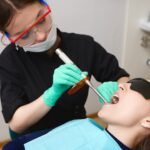
Scaling and Root Planing encompasses two distinct but related clinical steps designed to treat gum disease. To understand the procedure, it helps to know a bit about dental anatomy. In a healthy mouth, the gum tissue fits snugly around each tooth, creating a shallow space called the gingival sulcus. This space is normally one to three millimeters deep. When plaque is not removed through daily brushing and flossing, it hardens into calculus, also known as tartar. Tartar cannot be removed with a toothbrush. As it builds up, it pushes the gums away from the teeth, creating deeper spaces called periodontal pockets. These pockets trap bacteria, leading to chronic inflammation and infection.The first step, scaling, involves the meticulous removal of this plaque and calculus from the tooth surfaces, both above and below the gumline. Dental professionals use specialized ultrasonic instruments that vibrate to break up large tartar deposits, along with fine hand instruments called curettes to scrape away smaller particles.The second step, root planing, focuses on the root surfaces of the teeth. Inflammation causes the roots to become rough and contaminated with bacterial toxins. Root planing smooths these surfaces. This smoothing process removes the toxins and creates a clean, glass-like surface. A smooth root surface is crucial because it allows the inflamed gum tissue to heal and reattach firmly to the tooth. By disrupting the bacterial biofilm and eliminating the rough surfaces where bacteria hide, Scaling and Root Planing stops the disease process. It is a foundational, non-surgical therapy that protects the bone and ligaments supporting your teeth.
Recognizing the warning signs of advancing gum disease is essential for timely intervention. If you notice any of the following symptoms, it is time to evaluate your need for professional care.
Healthy gums do not bleed during normal brushing or flossing. If you see pink or red streaks on your toothbrush, this is a primary indicator of inflammation. Swollen, puffy, or bright red gums signal an active immune response to bacterial infection. You should call your dentist promptly if this persists for more than a week despite improved home care.
During a dental exam, your hygienist uses a small probe to measure the space between your teeth and gums. Healthy pockets measure one to three millimeters. Depths of four millimeters or more indicate that tartar has accumulated below the gumline. You should schedule Scaling and Root Planing promptly if your chart shows pocket depths of four millimeters or greater with bleeding.
Also known as halitosis, chronic bad breath that does not go away after brushing or using mouthwash is a strong warning sign. The anaerobic bacteria responsible for gum disease produce volatile sulfur compounds. These compounds create a distinct, unpleasant odor. If your breath remains foul despite good hygiene, schedule a dental evaluation within the next few weeks.
If your teeth appear longer than they used to, your gums may be pulling away from the teeth. This recession exposes the sensitive root surfaces. You might experience sharp twinges of pain when consuming hot, cold, or sweet foods. You should contact your dentist as soon as you notice this, as receded gums do not grow back on their own.
As the underlying bone is slowly destroyed by chronic infection, your teeth lose their foundational support. This leads to noticeable mobility, where teeth feel loose when you chew. You may also notice your teeth shifting position. You should contact your dentist immediately if you experience any tooth mobility, as this is a late-stage sign requiring urgent care.
Understanding the steps of the procedure can help reduce dental anxiety. Here is a detailed walkthrough of what happens from your initial visit through full recovery.
Like all medical procedures, Scaling and Root Planing carries specific benefits and potential risks. Understanding both helps you make an informed decision about your oral health.
The cost of treating gum disease varies based on the extent of the disease and the specific services required. Below is a breakdown of typical expenses based on current United States market rates.
| Item / Service | Average Cost (no insurance) | Typical Insurance Coverage | Notes |
|---|---|---|---|
| Initial Consultation & Exam | $75 – $200 | 80% – 100% | Includes visual exam and periodontal charting. |
| Dental X-Rays (Bitewing/Panoramic) | $50 – $150 | 80% – 100% | Necessary to assess underlying bone health. |
| Scaling and Root Planing (per quadrant) | $200 – $400 | 80% (after deductible) | Cost is multiplied by 2 or 4 depending on severity. |
| Full Mouth Scaling and Root Planing | $800 – $1,600 | 80% (after deductible) | Often split into two separate appointments for comfort. |
| Local Anesthesia | $50 – $100 | 80% – 100% | Sometimes bundled into the procedure fee. |
| Prescription Antimicrobial Rinse | $30 – $60 | Varies (often pharmacy benefit) | E.g., Chlorhexidine gluconate 0.12% for healing. |
| Follow-up Periodontal Maintenance | $125 – $250 | 80% – 100% | Required 4–6 weeks post-treatment to evaluate healing. |
| Total Estimated Range | $1,005 – $2,160 | Varies by plan | Out-of-pocket cost depends on deductible and annual max. |
Several main factors cause cost variation in periodontal care. Geography plays a significant role, with urban centers and coastal cities typically charging 20% to 30% more than rural areas due to higher overhead costs. Provider specialty also affects pricing; a board-certified periodontist may charge more than a general dentist for the same procedure. The complexity of the case is another major factor. A patient with heavy, tenacious calculus buildup will require more time and specialized instruments than a patient with mild tartar. Finally, the materials used, such as advanced desensitizing agents or localized antibiotics, can add to the final bill.
Yes, dental insurance typically covers Scaling and Root Planing, as it is considered a medically necessary procedure to prevent tooth loss. Understanding how your specific plan works is key to maximizing your benefits.The American Dental Association (ADA) uses specific procedure codes for billing. A regular cleaning is coded as D1110. However, Scaling and Root Planing involves deeper cleaning. If four or more teeth in a quadrant are treated, the code is D4341. If one to three teeth in a quadrant are treated, the code is D4342. Plan Types and Coverage:
Waiting Periods: Some insurance plans impose a waiting period of 6 to 12 months for “basic” or “major” procedures like Scaling and Root Planing. However, many plans waive this waiting period if you can provide proof of prior continuous dental coverage.Predetermination of Benefits: This is a pre-treatment estimate submitted by your dentist to the insurance company. It is highly recommended to request one before starting treatment. It tells you exactly what the insurance will pay and what your out-of-pocket responsibility will be, preventing unexpected bills.Tips for Patients Without Insurance: If you are uninsured, ask your dental office about in-house membership plans, which offer discounted rates for a flat annual fee. You can also seek care at a local dental school, where supervised students provide high-quality care at a fraction of the cost. Additionally, third-party financing options like CareCredit offer interest-free payment plans for qualified applicants.
Depending on the severity of your condition, your dentist might suggest alternative or adjunctive approaches alongside or instead of traditional Scaling and Root Planing.
Proper aftercare is critical to ensure your gums heal correctly and the benefits of your Scaling and Root Planing last. Follow these guidelines to support your recovery.First 24 Hours:
Days 2 to 7:
Long-Term Care:
Red-Flag Symptoms: Call your dentist immediately if you experience a fever, severe or worsening swelling, pus discharge from the gums, uncontrolled bleeding that does not stop with gentle pressure, or an allergic reaction such as a rash or difficulty breathing.
Choosing the right provider ensures your treatment is effective, comfortable, and fairly priced. Consider these factors when making your decision:
Questions to Ask at Your Consultation:
Most patients report minimal discomfort during the actual procedures due to the use of highly effective local anesthesia. You may feel pressure, vibrations, or mild pushing sensations, but you should not feel sharp pain. After the procedure, mild to moderate soreness is normal for a few days, but this is easily managed with over-the-counter pain relievers like ibuprofen.
The duration depends on the severity of the buildup and whether the dentist treats the entire mouth at once. A standard session for one half of the mouth (two quadrants) typically takes 45 to 90 minutes. Full-mouth treatment is often split into two separate appointments to maximize patient comfort and allow for adequate numbing.
Yes, it is the most effective non-surgical treatment for saving teeth affected by early to moderate gum disease. By thoroughly removing the bacterial biofilm and smoothing the root surfaces, the disease progression stops completely. With strict daily oral hygiene and regular professional maintenance, you can keep your natural teeth for a lifetime.
Gum tissue does not naturally regenerate or grow back once it has receded. However, Scaling and Root Planing reduces the swelling and inflammation that make gums look puffy. As the gums heal and tighten around the teeth, they may appear slightly lower, but this is a sign of healthy, firm tissue reattaching to the tooth.
For most patients, Scaling and Root Planing is a one-time treatment to resolve active gum disease. However, because you are at a higher risk for recurrence, you will need to transition to “periodontal maintenance” cleanings. These specialized cleanings are typically required every three to four months to prevent aggressive bacteria from returning.
A regular dental cleaning (prophylaxis) only removes plaque and tartar from the visible surfaces of the teeth above the gumline. Scaling and Root Planing is a “deep cleaning.” It involves numbing the gums and meticulously cleaning the root surfaces below the gumline to remove toxins and allow the inflamed tissue to heal and reattach.
You should wait until the numbness wears off completely before eating to avoid biting your cheek or tongue. For the first 24 to 48 hours, stick to a soft-food diet including yogurt, mashed potatoes, and scrambled eggs. Avoid hot, spicy, or crunchy foods that could physically traumatize the healing gum tissue.
Scaling and Root Planing is a highly effective, non-surgical intervention that serves as the cornerstone of preventive dental care. By removing the plaque and tartar that cause inflammation, this treatment halts early gum disease, eliminates bad breath, and protects your teeth from permanent damage. The procedure is straightforward, typically well-tolerated with local anesthesia, and followed by a brief, manageable recovery period. While costs can vary based on geography and case complexity, most dental insurance plans cover a significant portion of the expense, and affordable alternatives exist for uninsured patients. The most critical step you can take is to act early. Delaying care allows gum disease to progress into periodontitis, which is far more complex, painful, and expensive to treat. Do not wait for symptoms to worsen. Schedule a consultation with a licensed dental professional today to evaluate your gum health and establish a personalized path to a healthy, confident smile.