Physical Address
304 North Cardinal St.
Dorchester Center, MA 02124
Physical Address
304 North Cardinal St.
Dorchester Center, MA 02124

Learn everything about All-on-4 Dental Implants including costs, procedure steps, recovery time, risks, and insurance coverage in this 2026 patient guide.
Missing most or all of your teeth can make eating, speaking, and smiling feel impossible. All-on-4 Dental Implants offer a permanent solution that replaces an entire arch of teeth using just four strategically placed titanium posts. Unlike traditional dentures that slip and slide, this approach gives you a fixed set of teeth that look, feel, and function like natural ones.The concept was pioneered in the 1990s by Portuguese dentist Dr. Paulo Maló and has since become one of the most popular full-arch restoration methods in the United States. Today, tens of thousands of Americans choose All-on-4 Dental Implants every year to reclaim their confidence and oral health.In this comprehensive guide, you will learn exactly what the procedure involves, how to know if you are a good candidate, what to expect during surgery and recovery, and how much it really costs in 2026. We will also cover insurance coverage, alternative treatments, and practical tips for finding the right implant dentist near you.Whether you are currently wearing dentures, dealing with severe tooth decay, or facing full-mouth extractions, this article will give you the clear, honest information you need to make an informed decision about All-on-4 Dental Implants.
| Topic | Key Point |
|---|---|
| What it is | A full-arch tooth replacement using four titanium implants per jaw |
| Ideal candidates | Patients missing most or all teeth, or those with failing dentures |
| Procedure time | Typically 2–4 hours per arch under local anesthesia or IV sedation |
| Recovery period | Most patients resume normal activities within 3–7 days |
| Average cost | $20,000–$35,000 per arch without insurance |
| Success rate | Clinical studies report 94–98% long-term implant survival |
| Lifespan | Implant posts can last 20+ years; prosthetic teeth may need replacement after 10–15 years |
| Insurance | Partial coverage possible under some PPO plans; predetermination recommended |
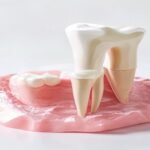
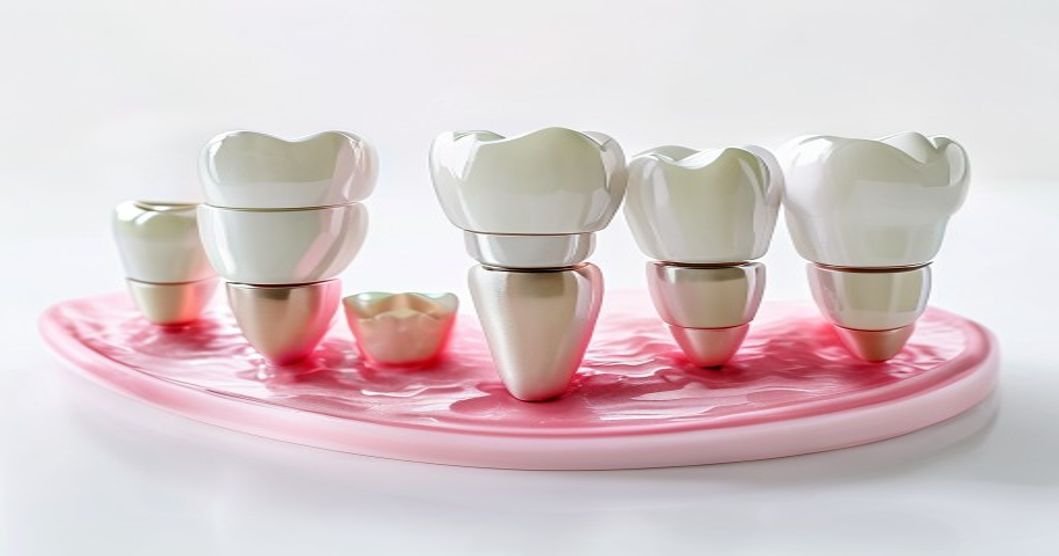
All-on-4 Dental Implants is a surgical and restorative technique that replaces all the teeth in your upper jaw, lower jaw, or both. The name comes from the fact that only four dental implants are used to support a full arch of prosthetic teeth — usually 10 to 14 individual crowns fused into a single bridge.Two implants are placed vertically near the front of the jaw, where bone density is naturally higher. The other two are tilted at an angle of up to 45 degrees toward the back of the mouth. This tilt allows the implants to anchor into stronger bone and avoid critical structures like the maxillary sinus in the upper jaw or the inferior alveolar nerve in the lower jaw. In many cases, this angled placement eliminates the need for bone grafting, which is often required with traditional implant methods.Once the four titanium posts are secured in the jawbone, a custom-made acrylic or zirconia prosthesis is attached to them. On the day of surgery, patients typically receive a temporary set of teeth so they can leave the office with a functional smile. After a healing period of three to six months, the final permanent prosthesis is fabricated and placed.The entire concept relies on a biological process called osseointegration, where the jawbone fuses directly to the titanium surface of the implant. This creates a bond that is nearly as strong as a natural tooth root. Because the implants stimulate the jawbone just like real roots do, they also help prevent the bone resorption (shrinkage) that commonly occurs after tooth loss — a major advantage over conventional dentures.All-on-4 Dental Implants fit into a broader category of full-arch implant rehabilitation and are considered a gold-standard option for patients who need complete tooth replacement but want to avoid the cost and complexity of placing six, eight, or more individual implants.
When advanced periodontal disease or widespread cavities have destroyed most of your natural teeth, individual restorations like fillings or single crowns may no longer be realistic. If your dentist tells you that multiple extractions are unavoidable, All-on-4 Dental Implants can replace all remaining teeth in a single treatment plan. Call your dentist promptly if you have persistent tooth pain, loose teeth, or bleeding gums.
Traditional dentures can become loose over time as the jawbone shrinks beneath them. If you rely on denture adhesive daily, struggle to chew firm foods, or experience painful sore spots, you may be a strong candidate for a fixed implant solution. This situation is not an emergency, but scheduling a consultation within the next few months is wise.
Patients who have been missing teeth for years often develop alveolar bone atrophy. While bone grafting can sometimes rebuild lost bone, the tilted-implant design of All-on-4 Dental Implants often makes grafting unnecessary. If a panoramic X-ray or CBCT scan shows moderate to severe bone loss, ask your dentist whether this technique is right for you.
Accidents, injuries, or conditions like ectodermal dysplasia can leave patients with very few functional teeth from a young age. In these cases, a full-arch implant restoration may be the most practical long-term solution. Seek a consultation with an oral surgeon or prosthodontist as soon as your jaw growth is complete, typically around age 18–21.
If poorly fitting dentures prevent you from chewing food properly, you may develop nutritional deficiencies or digestive issues. This is a sign that a more stable tooth replacement method could significantly improve your overall health.
The total chair time on surgery day usually ranges from 2 to 4 hours per arch. Most patients report 2–3 days of mild to moderate soreness, manageable with over-the-counter pain relievers.
| Item / Service | Average Cost (No Insurance) | Typical Insurance Coverage | Notes |
|---|---|---|---|
| Initial consultation and exam | $150–$350 | Often covered at 80–100% | May be waived if you proceed with treatment |
| 3D CBCT scan | $250–$600 | Varies; often 50–80% | Essential for surgical planning |
| Tooth extractions (per tooth) | $150–$400 | 50–80% under basic coverage | Cost increases for surgical extractions |
| All-on-4 surgery per arch | $20,000–$35,000 | 10–50% if major coverage applies | Includes implants, abutments, and surgical fees |
| Temporary prosthesis (same day) | $1,000–$3,000 | Rarely covered separately | Often bundled into the surgical fee |
| Final zirconia prosthesis | $5,000–$10,000 | 10–50% under major restorative | Delivered 4–6 months after surgery |
| Bone grafting (if needed) | $500–$3,000 per site | 20–50% | Often avoided with the All-on-4 technique |
| IV sedation or anesthesia | $500–$1,500 | Rarely covered | Optional but commonly chosen |
| Follow-up visits (each) | $100–$250 | Usually covered at 80–100% | 3–6 visits in the first year |
| Typical total per arch | $25,000–$45,000 | Varies widely | Both arches: $45,000–$80,000 |
The wide cost range for All-on-4 Dental Implants reflects several real-world variables. Geography plays a major role — practices in major metropolitan areas like New York, Los Angeles, or San Francisco often charge 20–40% more than those in smaller cities or rural regions. Provider specialty also matters; an oral surgeon or board-certified prosthodontist may charge more than a general dentist with implant training, though their advanced expertise can reduce complication rates. The materials used for the final prosthesis significantly affect price — a full zirconia bridge costs more than an acrylic one but offers superior durability and aesthetics. Finally, case complexity drives variation; patients who need extractions, sinus lifts, or management of medical conditions will see higher total bills.
Coverage for All-on-4 Dental Implants varies dramatically depending on your plan. Most dental insurance companies classify implants under major restorative services, which means they may cover a portion of the cost after you meet your annual deductible.The relevant ADA procedure codes include D6010 (surgical placement of implant body), D6056 (prefabricated abutment), D6065 (implant-supported porcelain/ceramic crown), and D6199 (unspecified implant procedure). Your dentist’s billing team will submit these codes to your insurer.PPO plans generally offer the best coverage, typically paying 30–50% of major procedures after a 12-month waiting period. HMO plans may not cover implants at all or may require you to see an in-network specialist. Indemnity plans offer the most flexibility but often have low annual maximums of $1,000–$2,000, which covers only a small fraction of the total cost.Before committing to treatment, request a predetermination of benefits from your insurance company. This is a written estimate of what the plan will pay based on the specific procedure codes your dentist submits. It is not a guarantee of payment, but it gives you a realistic picture of your out-of-pocket responsibility.If you do not have dental insurance, consider these options: dental school clinics often provide implant treatment at 30–50% below private practice rates; dental discount plans (not insurance) can reduce fees by 10–25%; and most implant practices offer in-house financing or third-party payment plans through companies like CareCredit or Sunbit with terms of 12–60 months.
This approach uses six or eight implants per arch instead of four, providing additional support for the prosthetic bridge. It is often preferred for patients with heavy bite forces, those who grind their teeth, or cases where bone quality is excellent and can accommodate more implants. The cost is higher — typically $30,000–$50,000 per arch — but the added stability may extend the lifespan of the prosthesis. The key tradeoff is increased surgical complexity and cost.
These removable dentures attach to two to four implants using ball or locator attachments. They offer much better stability than conventional dentures but can still be taken out for cleaning. Cost ranges from $5,000–$15,000 per arch, making them a more budget-friendly option. The tradeoff is that they are not fixed and may need periodic relining or attachment replacement.
Complete dentures remain the least expensive option at $1,000–$3,500 per arch. They require no surgery and can be fabricated in a few weeks. However, they do not prevent bone loss, often become loose over time, and restore only about 20% of natural chewing power. They are best suited for patients who cannot undergo surgery due to medical conditions or budget constraints.
Replacing each missing tooth with its own implant and crown is the most natural-looking option but is impractical for full-arch cases due to cost ($3,000–$6,000 per tooth) and the number of surgeries required. This approach is typically reserved for patients missing only a few teeth.
For patients with extreme upper jaw bone loss who cannot receive standard implants or bone grafts, zygomatic implants anchor into the cheekbone instead of the jaw. This is a highly specialized procedure costing $30,000–$50,000 per arch and is performed only by experienced oral surgeons.
First 24 hours: Keep your head elevated with extra pillows to reduce swelling. Apply ice packs to your cheeks for 20 minutes on and 20 minutes off. Bite gently on gauze pads to control any bleeding. Do not spit forcefully, use a straw, or rinse your mouth vigorously, as this can dislodge blood clots. Take all prescribed antibiotics and pain medication as directed. Stick to cool, soft foods like yogurt, applesauce, and smoothies.Days 2–7: Swelling typically peaks around day 2 or 3 and then gradually subsides. Transition to a soft diet — scrambled eggs, mashed potatoes, pasta, and soups are good choices. Avoid crunchy, hard, or sticky foods entirely. Begin gently rinsing with warm salt water after meals. Brush your temporary teeth carefully with a soft-bristled toothbrush, avoiding the surgical sites. Limit physical activity and avoid heavy lifting for at least one week. Most patients return to desk work within 3–5 days.Long-term care: Once your final prosthesis is in place, treat it like natural teeth. Brush twice daily, floss or use a water flosser around the implant abutments, and visit your dentist for professional cleanings every 3–6 months. Avoid chewing ice, hard candy, or other extremely hard objects that could fracture the prosthetic teeth. If you grind your teeth at night, ask your dentist about a custom night guard to protect your investment.Red-flag symptoms — call your dentist immediately if you experience:
Questions to ask at your consultation:
The titanium implant posts themselves can last 20 years or more with proper care, and many last a lifetime. The prosthetic teeth attached to them typically need replacement or refurbishment after 10–15 years due to normal wear. Acrylic prostheses tend to wear faster than zirconia ones. Regular dental check-ups and good oral hygiene are the most important factors in maximizing longevity.
Most patients report surprisingly little pain during the procedure thanks to local anesthesia and optional IV sedation. After surgery, mild to moderate soreness is normal for 2–5 days and is usually well-controlled with ibuprofen or prescribed pain medication. Many patients describe the discomfort as less severe than a tooth extraction. Swelling and bruising peak around day 3 and then resolve quickly.
In many cases, yes. The angled placement of the rear implants allows the surgeon to use available bone more efficiently, often eliminating the need for bone grafting. However, patients with extreme bone loss may still require a graft or may be better candidates for zygomatic implants. A CBCT scan during your consultation will give your dentist a definitive answer.
You will need to follow a soft diet for 6–8 weeks while the implants integrate with your jawbone. After your final prosthesis is placed at the 4–6 month mark, most patients can return to a normal diet, including firm foods like steak and raw vegetables. Your dentist will give you specific dietary guidelines based on your healing progress.
The main difference is the number of implants supporting the prosthetic bridge. All-on-6 uses two additional implants for extra stability, which may be recommended for patients with strong bite forces or those who grind their teeth. All-on-4 is less invasive and more affordable, making it suitable for the majority of patients. Your dentist will recommend the best option based on your bone quality and functional needs.
Smoking significantly increases the risk of implant failure and infection because it reduces blood flow to the healing bone. Most implant surgeons strongly recommend quitting smoking at least two weeks before and eight weeks after surgery. Some practices will decline to perform the procedure on active heavy smokers due to the elevated complication rate, which can be two to three times higher than in non-smokers.
Brush your implant-supported teeth twice daily with a soft-bristled or electric toothbrush. Use a water flosser or super floss to clean under the bridge and around the implant abutments at least once a day. Avoid abrasive toothpaste that could scratch the prosthetic surface. Schedule professional cleanings with your dentist or hygienist every 3–6 months to remove calculus buildup that home care cannot reach.
All-on-4 Dental Implants represent one of the most effective and efficient solutions available for full-arch tooth replacement. With a success rate exceeding 94%, same-day temporary teeth, and the ability to preserve jawbone structure, this treatment can dramatically improve both oral function and quality of life. While the upfront cost of $25,000–$45,000 per arch is a significant investment, the long-term benefits — including durability, comfort, and restored confidence — far outweigh the recurring expense and limitations of conventional dentures.The most important step you can take is to schedule a consultation with a qualified implant dentist as soon as possible. Delaying treatment allows bone loss to progress, which can make the procedure more complex and more expensive over time. Early intervention almost always leads to better outcomes, shorter healing times, and lower overall costs. During your consultation, you will receive a personalized treatment plan, a clear cost estimate, and the information you need to decide whether All-on-4 Dental Implants are the right choice for your smile.