Physical Address
304 North Cardinal St.
Dorchester Center, MA 02124
Physical Address
304 North Cardinal St.
Dorchester Center, MA 02124

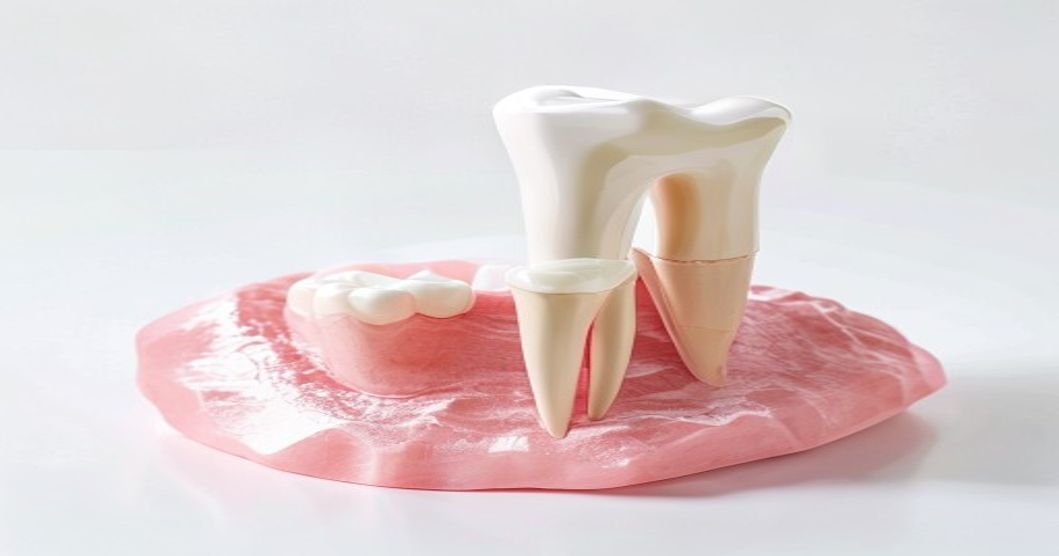
Discover everything about Bone Grafting for Dental Implants, including costs, procedure steps, recovery tips, and insurance coverage to secure your smile.
Welcome to the complete guide on Bone Grafting for Dental Implants, your essential resource for understanding how to rebuild your jawbone and secure a lasting, functional smile. Losing a tooth is a stressful experience, but replacing it with a modern dental implant offers a permanent, natural-looking solution. However, a successful implant requires a strong, healthy foundation. When you lose a tooth, the jawbone beneath it begins to shrink over time due to a lack of chewing stimulation. Bone grafting for dental implants is a specialized surgical procedure designed to reverse this bone loss. It rebuilds the volume and density of your jaw, creating a sturdy base for the titanium implant post. This article explains exactly who needs this procedure, how it works, and what you can expect from start to finish. Many patients feel anxious about the idea of oral surgery. Understanding the process is the best way to ease your mind and protect your investment. You will learn about the detailed steps of the surgery, realistic out-of-pocket costs, dental insurance coverage, and proven aftercare strategies. By the end of this guide, you will feel empowered to make informed decisions about your oral health. Taking proactive action now can save your facial structure, restore your chewing ability, and prevent costly dental complications in the future.
| Topic | Key Point |
|---|---|
| Primary Purpose | Bone grafting for dental implants rebuilds lost jawbone volume to ensure the implant has a stable foundation. |
| Healing Timeline | Initial soft tissue healing takes 1 to 2 weeks, but full bone integration requires 3 to 6 months. |
| Warning Signs | Long-term tooth loss, severe gum disease history, or facial trauma indicate you may need a graft. |
| Procedure Duration | The surgical placement of the graft typically takes 45 to 90 minutes under local anesthesia or sedation. |
| Success Rate | Modern bone grafting has a high success rate, often exceeding 90% when performed by a specialist. |
| Average Cost | Procedures typically range from $300 for minor socket preservation to $3,000+ for major block grafts. |
| Insurance Coverage | Most PPO plans cover 50% of the cost, as it is often classified as a major surgical procedure. |
| Long-Term Care | Maintaining results requires strict oral hygiene, avoiding smoking, and regular professional dental cleanings. |
Bone grafting for dental implants encompasses a range of surgical techniques used to augment or regenerate the alveolar bone in your jaw. To understand why this is necessary, it helps to know a bit about dental anatomy. The alveolar bone is the thick ridge of bone that contains the tooth sockets. In a healthy mouth, the roots of your teeth constantly stimulate this bone every time you chew. When a tooth is extracted or lost, this vital stimulation stops. The body naturally begins to resorb, or break down, the unused bone. Within the first year of tooth loss, you can lose up to 25% of your bone width. Over time, this shrinkage can make the jaw too thin or too short to support a standard dental implant. An implant requires at least one to two millimeters of healthy bone surrounding it to successfully osseointegrate, which is the process of the bone fusing directly to the titanium post.The grafting procedure solves this problem by introducing bone material into the deficient area. This material acts as a biological scaffold. Your body’s natural healing cells, called osteoblasts, migrate into this scaffold. Over several months, your body gradually replaces the graft material with your own new, living bone. There are several types of graft materials used. Autografts use bone harvested from another area of your own body, such as the chin. Allografts use processed human donor bone, while xenografts use safe, sterilized animal bone, usually from cows. Synthetic materials are also highly effective. By providing this structural support, bone grafting for dental implants ensures that your final restoration will be strong, stable, and capable of lasting a lifetime.
Recognizing the indicators of bone deficiency is essential for proper treatment planning. If you fall into any of the following categories, you should discuss grafting with your dental provider.
If you have been missing a tooth for several months or years, significant bone resorption has likely occurred. The longer a space remains empty, the more the jawbone shrinks. You should call your dentist promptly to schedule a 3D scan if you are considering an implant after a long period of tooth loss, as this will determine if a graft is necessary before proceeding.
Periodontitis is a chronic bacterial infection that actively destroys the bone and ligaments supporting your teeth. Even after the infected tooth is removed, the surrounding bone may remain compromised and thin. You should seek a periodontal evaluation before implant planning if you have a history of advanced gum disease, as grafting may be required to rebuild the damaged foundation.
Accidents, sports injuries, or falls can fracture the jaw or damage the alveolar ridge. This trauma can create uneven bone surfaces or significant defects. You should contact an oral surgeon immediately following any facial trauma to assess the damage. Early intervention can sometimes preserve bone, but delayed treatment often requires grafting to correct the deformity before an implant can be placed.
The roots of your upper back teeth are located very close to the maxillary sinus cavity. When these teeth are lost, the sinus floor can expand downward into the empty space, leaving very little bone for an implant. You will likely need a specialized procedure called a sinus lift if a 3D scan shows insufficient bone height in the upper posterior region.
Occasionally, a dental implant may fail to integrate with the bone due to infection, premature loading, or inadequate initial bone volume. If an implant is removed, it often leaves a crater-like defect in the jaw. You should consult a specialist promptly, as the site will require thorough cleaning and bone grafting before a second implant attempt can be made.
Understanding the steps of the surgery can help reduce dental anxiety and prepare you for a smooth healing process. Here is a detailed walkthrough of what happens from your initial visit through full recovery.
Like all surgical procedures, bone grafting for dental implants carries specific benefits and potential risks. Understanding both helps you make an informed decision about your oral health.
The cost of bone augmentation varies significantly based on the type of graft, the amount of material needed, and the complexity of the case. Below is a breakdown of typical expenses based on current United States market rates.
| Item / Service | Average Cost (no insurance) | Typical Insurance Coverage | Notes |
|---|---|---|---|
| Initial Consultation & CBCT Scan | $150 – $400 | 80% – 100% | 3D imaging is essential for precise surgical planning. |
| Minor Socket Preservation Graft | $300 – $600 | 50% – 80% | Placed immediately after a tooth extraction to prevent shrinkage. |
| Major Block Bone Graft | $1,000 – $3,000 | 50% (Major service) | Uses a solid piece of bone for severe horizontal or vertical defects. |
| Sinus Lift Procedure | $1,500 – $2,500 | 50% (Major service) | Required for upper back teeth to create vertical bone height. |
| Barrier Membrane Placement | $200 – $500 | 50% (Major service) | Often bundled with the graft cost, but sometimes billed separately. |
| Post-Op Medications & Rinse | $40 – $100 | Varies (often pharmacy benefit) | Includes antibiotics and chlorhexidine mouthwash. |
| Follow-Up Evaluation Visits | $50 – $150 | 80% – 100% | Checks healing progress before implant placement. |
| Total Estimated Range | $500 – $3,500+ | Varies by plan | Depends heavily on whether a minor or major graft is required. |
Several main factors cause cost variation in these procedures. Geography plays a significant role, with major metropolitan areas and coastal cities charging substantially more than rural regions due to higher overhead and cost of living. Provider specialty also affects pricing, as board-certified oral and maxillofacial surgeons or periodontists typically charge more for complex grafting than general dentists. The type of graft material used is another major factor; autografts require a second surgical site, increasing time and cost, while advanced synthetic or xenograft materials can be more expensive to purchase. Finally, the complexity of the case dictates the time required, with severe bone defects demanding more intricate surgical techniques.
Yes, dental insurance often covers bone grafting for dental implants, but the level of coverage depends heavily on how the procedure is classified by your specific plan. Understanding these details is crucial for financial planning.The American Dental Association (ADA) uses specific procedure codes for billing. Socket preservation after an extraction is coded as D7953. A bone replacement graft for ridge preservation is coded as D7950. If the graft is performed in conjunction with periodontal surgery, codes like D4263 may apply. Plan Types and Coverage:
Waiting Periods: Many insurance plans impose a 6 to 12-month waiting period for major procedures like bone grafting. If you recently enrolled in a new plan, you may have to pay out-of-pocket until this period expires.Predetermination of Benefits: Because this surgery can be expensive, you should always request a predetermination. This document tells you exactly what the insurance will pay for each specific ADA code and what your out-of-pocket responsibility will be, preventing unexpected financial surprises.Tips for Patients Without Insurance: If you lack coverage, seek treatment at a university-affiliated oral surgery or periodontal residency program, where care is heavily discounted. You can also negotiate a flat fee for the procedure or utilize third-party financing like CareCredit to spread the cost over 12 to 24 months with low or no interest.
Depending on the severity of your bone loss and your personal preferences, your dental provider might suggest alternative approaches alongside or instead of traditional bone augmentation.
Proper aftercare is critical to ensure the graft integrates successfully and the benefits of your bone grafting for dental implants last. Follow these guidelines to support your recovery.First 24 Hours:
Days 2 to 7:
Long-Term Care:
Red-Flag Symptoms: Call your surgeon immediately if you experience a fever over 101°F, severe swelling that worsens after day three, pus discharge from the incision, uncontrolled bleeding that does not stop with gauze pressure, or numbness in your lip or chin that lasts longer than 24 hours.
Choosing the right provider ensures your surgery is safe, effective, and tailored to your specific anatomical needs. Consider these factors when making your decision:
Questions to Ask at Your Consultation:
The healing process occurs in two distinct phases. Initial soft tissue healing, where the gums close and swelling subsides, typically takes one to two weeks. However, the biological process of osseointegration, where your body replaces the graft material with new, solid bone, takes much longer. Most surgeons require a waiting period of three to six months before placing the actual dental implant to ensure the foundation is fully mature and stable.
Most patients report minimal discomfort during the actual procedure due to the use of highly effective local anesthesia, often combined with sedation. You may feel pressure or vibrations, but you should not feel sharp pain. After the procedure, mild to moderate soreness is normal for a few days. This is easily managed with over-the-counter pain relievers like ibuprofen or prescribed medications provided by your surgeon.
There are four main types of graft materials. Autografts use bone harvested from your own body, such as the chin or hip, offering the highest success rate. Allografts use processed, sterilized human donor bone. Xenografts use safe, mineral-based animal bone, usually from cows. Finally, synthetic alloplasts use biocompatible materials like calcium phosphate. Your surgeon will recommend the best option based on the size of your defect and your medical history.
Yes, this is often possible and is called “immediate implant placement with simultaneous grafting.” If you have enough native bone to stabilize the implant initially, the surgeon can place the implant and pack graft material around any remaining gaps at the same time. This reduces the total number of surgeries and overall treatment time, but it requires precise anatomical conditions to be successful.
Graft failure is rare, occurring in less than five percent of cases. If the graft does not integrate, it may become infected or simply wash away. Signs include persistent pain, swelling, or visible graft particles in the mouth. If this occurs, the surgeon will remove the failed material, thoroughly clean the area, and allow it to heal. A second grafting attempt can usually be performed a few months later with a high chance of success.
Without insurance, the cost depends entirely on the complexity of the procedure. A minor socket preservation graft performed immediately after an extraction typically costs between $300 and $600. A more complex sinus lift or major block bone graft can range from $1,500 to $3,000 or more. Many dental offices offer in-house membership plans or partner with third-party financing companies like CareCredit to help manage these out-of-pocket expenses.
Smoking significantly increases the risk of bone graft failure. Nicotine constricts blood vessels, reducing the vital blood flow and oxygen needed for the new bone to form. Most surgeons strongly advise patients to stop smoking at least two weeks before the surgery and for at least eight weeks after. Some surgeons may refuse to perform the procedure on active smokers due to the unacceptably high risk of complications and graft loss.
Bone grafting for dental implants is a highly predictable, essential surgical intervention that serves as the foundation for a successful, long-lasting tooth replacement. By rebuilding lost jawbone volume and density, this procedure ensures that your dental implant will have the stable support it needs to function like a natural tooth. While the process requires a commitment to a multi-month healing timeline, the procedure itself is straightforward, well-tolerated, and followed by a manageable recovery period. Although costs can vary based on the complexity of the defect and the type of graft material used, most dental insurance plans cover a significant portion of the expense, and flexible financing options are widely available. The most critical step you can take is to address tooth loss promptly. Delaying treatment allows the jawbone to shrink further, making future reconstruction more complex, invasive, and expensive. Do not wait for your bone to deteriorate. Schedule a consultation with a board-certified oral surgeon or periodontist today to evaluate your jawbone health and secure a confident, functional smile for the future.