Physical Address
304 North Cardinal St.
Dorchester Center, MA 02124
Physical Address
304 North Cardinal St.
Dorchester Center, MA 02124

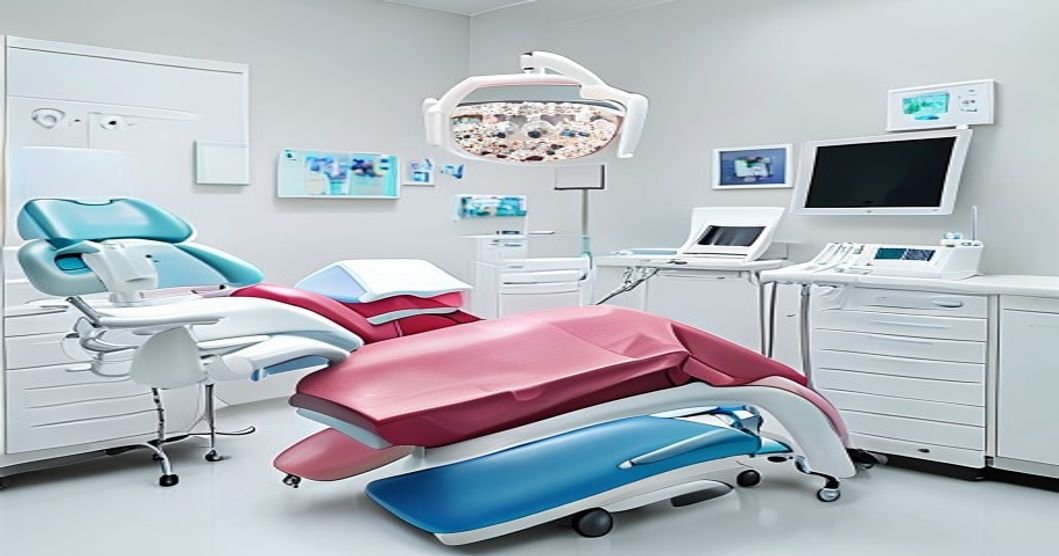
Discover how Sedation Dentistry eases dental anxiety. Learn about costs, procedure steps, recovery tips, and insurance coverage for a pain-free visit.
Dreading a trip to the dentist is incredibly common, but it should never prevent you from getting the care you need. If the thought of the dental chair makes your heart race, Sedation Dentistry offers a safe, effective solution. This specialized approach uses carefully controlled medications to help you relax, manage pain, and remain completely comfortable during your dental visit. Understanding your options is the first step toward reclaiming your oral health. Millions of adults avoid necessary dental work due to fear, which often leads to more complex and painful problems down the road. This guide will walk you through everything you need to know about identifying, experiencing, and recovering from sedation procedures.You will learn how to recognize if you are a good candidate for dental sedation. We will also explain the different types of sedation available, what to expect during your appointment, and the typical costs involved. By the end of this article, you will feel empowered and prepared to schedule a stress-free dental visit.
| Topic | Key Point |
|---|---|
| Definition | Sedation Dentistry uses medication to induce a relaxed, calm state during dental procedures, ranging from mild relaxation to deep sleep. |
| Types of Sedation | Options include nitrous oxide (laughing gas), oral conscious sedation, IV sedation, and general anesthesia, tailored to your anxiety level. |
| Ideal Candidates | Best for patients with severe dental phobia, a strong gag reflex, low pain tolerance, or those requiring extensive, multi-hour dental work. |
| Average Costs | Without insurance, sedation fees typically range from $50 for nitrous oxide to $900 for IV sedation, separate from the dental procedure cost. |
| Insurance Coverage | Many plans cover sedation at 50% to 80% if it is deemed medically necessary for complex extractions or oral surgery. |
| Recovery Time | Nitrous oxide wears off in minutes, while oral and IV sedation require 24 hours of rest and a designated driver to take you home. |
| Safety Protocols | Reputable clinics continuously monitor your heart rate, blood pressure, and oxygen levels throughout the entire sedation process. |
Sedation Dentistry refers to the use of pharmacological agents to create a relaxed, anxiety-free state for patients undergoing dental treatments. Unlike general anesthesia used in major hospital surgeries, most dental sedation keeps you in a state of “conscious sedation.” This means you remain able to breathe on your own and respond to verbal commands, but you feel profoundly detached from the stress and discomfort of the procedure.The process works by targeting the central nervous system. Sedative medications enhance the activity of gamma-aminobutyric acid (GABA), a neurotransmitter that slows down brain activity. This chemical interaction reduces your perception of pain, dulls your memory of the event, and eliminates the physical symptoms of anxiety, such as a racing heart or sweaty palms. There are four primary levels of sedation used in modern dental practices. Minimal sedation keeps you awake but deeply relaxed, often achieved with nitrous oxide. Moderate sedation, frequently administered via oral pills or IV, may cause you to slur your words and remember very little of the procedure. Deep sedation puts you on the edge of consciousness, though you can still be awakened with a gentle shake. Finally, general anesthesia renders you completely unconscious and is typically reserved for complex oral surgeries or patients with severe special needs.By carefully matching the level of sedation to your specific needs, dentists can perform everything from routine cleanings to complex root canals with minimal patient distress. This approach transforms a traumatic experience into a manageable, often forgettable, event. It ensures that your oral health does not suffer simply because you are afraid of the dentist.
Not every dental visit requires medication to manage anxiety. However, certain physical and emotional responses strongly indicate that Sedation Dentistry would greatly benefit your experience and overall health.
If the mere thought of a dental appointment triggers panic attacks, sweating, or an overwhelming urge to cancel, you are a prime candidate. Dental phobia is a recognized psychological condition. Sedation breaks the cycle of fear, allowing you to receive care without the debilitating emotional distress that usually accompanies it.
Some patients have highly sensitive nerve endings or an exaggerated gag reflex that makes even routine cleanings unbearable. Sedative medications raise your pain threshold and suppress the gag reflex. This allows the dentist to work efficiently in the back of your mouth without causing you to choke or experience unnecessary discomfort.
If you require multiple procedures in a single visit, such as several extractions, crown preparations, or full-mouth rehabilitation, the appointment can last for hours. Sitting still for that long is physically and mentally exhausting. Sedation helps time pass quickly, often making a three-hour procedure feel like only a few minutes.
Patients with autism, dementia, cerebral palsy, or other cognitive challenges may find it difficult to understand instructions or remain still in a dental chair. Sedation provides a safe, controlled environment where the dental team can perform necessary treatments without causing the patient psychological trauma or physical injury.
If you had a painful or frightening dental experience in childhood, that trauma can linger into adulthood. Sedation Dentistry helps rewrite that narrative. By ensuring your current visit is completely painless and relaxed, you can begin to rebuild trust with your dental care team.
Walking into a dental office for a sedated procedure can feel daunting, but the process is highly structured and designed with your safety as the top priority. Here is exactly what happens from your initial consultation through your full recovery.
Choosing to undergo sedation offers profound advantages for both your immediate comfort and long-term oral health.
While Sedation Dentistry is overwhelmingly safe when administered by trained professionals, it carries some standard medical risks.
The cost of Sedation Dentistry varies significantly based on the type of medication used, the length of the procedure, and the level of monitoring required. Below is a breakdown of average out-of-pocket costs for uninsured patients in the United States for 2026.
| Item / Service | Average Cost (no insurance) | Typical Insurance Coverage | Notes |
|---|---|---|---|
| Pre-Sedation Consultation | $75 – $150 | 80% – 100% | Required medical history review and treatment planning. |
| Nitrous Oxide (Laughing Gas) | $50 – $100 per visit | 50% – 80% | Billed per visit or per 15-minute increment; wears off quickly. |
| Oral Conscious Sedation | $200 – $400 per visit | 50% – 80% | Cost includes the prescription medication and monitoring. |
| IV Sedation (Moderate to Deep) | $500 – $900 per hour | 50% – 80% | Requires an anesthesiologist or specially trained dentist. |
| General Anesthesia | $1,000 – $2,500+ | Varies widely | Typically performed in a hospital or surgical center setting. |
| Continuous Vital Sign Monitoring | $100 – $250 | 50% – 80% | Often bundled with IV sedation fees for safety compliance. |
| Typical Total Range (Oral/IV + Procedure) | $700 – $1,500+ | Varies by plan | Excludes the actual cost of the dental restoration or extraction. |
Several key factors cause these costs to fluctuate. Geography plays a major role, as clinics in major metropolitan areas like New York or Los Angeles typically charge 20% to 30% more than those in rural regions. The provider’s specialty also impacts the bill; a board-certified dental anesthesiologist will charge higher fees than a general dentist who has completed basic sedation certification. Additionally, the complexity and duration of the case will alter the final price, as IV sedation is often billed in hourly increments. Finally, the type of facility matters, as hospital-based general anesthesia incurs significant facility fees that a standard dental office does not.
Navigating dental insurance for sedation can be tricky, but coverage is frequently available if the procedure is deemed medically necessary. Understanding your policy helps you avoid unexpected out-of-pocket expenses.Most dental insurance plans evaluate sedation based on specific American Dental Association (ADA) procedure codes. Common codes include D9239 (nitrous oxide), D9243 (intravenous moderate conscious sedation), and D9248 (non-intravenous conscious sedation). Insurers are most likely to cover these codes when the sedation is directly tied to a complex, covered procedure, such as a surgical tooth extraction, bone grafting, or extensive oral surgery. The type of plan you have dictates your coverage. PPO (Preferred Provider Organization) plans typically cover moderate to deep sedation at 50% to 80% of the allowed fee, after you have met your annual deductible. HMO (Health Maintenance Organization) plans may cover basic nitrous oxide but often exclude IV sedation entirely unless pre-authorized. Indemnity plans reimburse a fixed percentage of a “usual, customary, and reasonable” fee, which may not cover the full cost of a specialized anesthesiologist.It is important to note that many insurance companies consider sedation for routine cleanings or simple fillings to be “cosmetic” or “elective,” and will deny those claims. Coverage usually requires a documented history of severe anxiety, a strong gag reflex, or the medical necessity of completing a lengthy procedure. Always request a predetermination of benefits before your appointment. Your dentist’s office will submit the proposed treatment plan and sedation codes to your insurance company to receive a written guarantee of exactly what they will pay. If you lack insurance, ask the clinic about CareCredit or similar healthcare financing plans, which often offer 0% interest for 6 to 12 months. You can also seek treatment at an accredited dental school, where supervised students provide sedation services at a significantly reduced rate.
While medication is highly effective, it is not the only way to manage dental discomfort. Your dentist might discuss a few alternative options depending on your specific situation and comfort level.
This involves working with a licensed therapist to identify and reframe the negative thoughts and fears associated with dental visits. It is preferred for patients who want to overcome their phobia long-term without relying on medication. The cost typically ranges from $100 to $200 per therapy session. The key tradeoff is that CBT requires a significant time commitment, often taking several months to show results, and does not provide immediate physical pain relief during the procedure itself.
This involves the application of strong numbing gels to the gums before any injection, followed by the use of computer-controlled local anesthetic delivery systems (like The Wand). It is preferred for patients who are primarily afraid of the pain of the needle, rather than the dental environment itself. The cost is minimal, usually $10 to $30, and is often included in the procedure fee. The major tradeoff is that while it eliminates injection pain, it does nothing to calm the psychological anxiety or suppress a sensitive gag reflex.
This involves using virtual reality (VR) headsets, noise-canceling headphones with calming music, or weighted blankets to divert your attention away from the dental sounds and sensations. It is preferred for patients with mild to moderate anxiety who want to maintain full control and consciousness. The cost is usually free or a nominal $10 to $20 fee for VR rental at the clinic. The critical tradeoff is that distraction techniques are often insufficient for patients with severe phobias or those undergoing highly invasive, lengthy surgical procedures.
These holistic approaches aim to relax the nervous system and reduce pain perception through targeted pressure points or guided suggestion. It is preferred by patients who strongly oppose pharmaceutical interventions and prefer natural wellness practices. The cost ranges from $75 to $150 per session. The tradeoff is that scientific evidence supporting their efficacy for acute dental procedures is limited, and they require finding a practitioner who specializes in dental applications.
Proper aftercare is essential for a smooth recovery and to ensure the sedative medications leave your system safely. Follow these guidelines to protect your health after Sedation Dentistry.First 24 Hours:
Days 2 to 7:
Long-Term Care:
Build positive associations with your dental visits by praising yourself for overcoming your anxiety. Continue to communicate openly with your dentist about your comfort levels at every future appointment. Maintain excellent daily oral hygiene to reduce the need for complex, anxiety-inducing procedures in the future.Red-Flag Symptoms:
Call your dentist or seek emergency medical care immediately if you experience persistent nausea or vomiting that prevents you from keeping fluids down, difficulty breathing or shortness of breath, a high fever, or severe, worsening pain at the treatment site that is not relieved by prescribed medication.
Choosing the right provider for sedation is critical for your safety and peace of mind. Consider these factors when selecting a clinic.
Questions to Ask at the Consultation:
Yes, Sedation Dentistry is overwhelmingly safe when performed by a licensed, properly trained dental professional. The medications used have a long history of clinical use and are carefully dosed based on your weight, age, and medical history. Furthermore, your vital signs, including heart rate, blood pressure, and oxygen levels, are continuously monitored throughout the entire procedure. The risk of serious complications is extremely low, especially when you fully disclose your medical history and follow all pre-operative fasting instructions.
For most dental procedures, no. The most common forms of dental sedation, such as nitrous oxide and oral conscious sedation, are designed to keep you in a state of “conscious sedation.” This means you are deeply relaxed, your anxiety is eliminated, and you may even drift into a light sleep, but you can still breathe on your own and respond to simple verbal commands from the dentist. Only general anesthesia, which is rare in standard dental offices, renders you completely unconscious.
Recovery from IV sedation is relatively quick, but it requires a full 24 hours for the medications to completely leave your system. You will likely feel groggy, uncoordinated, and sleepy for the first few hours after the procedure. While you may feel “normal” after a long nap, your reflexes and judgment remain impaired. Therefore, you must not drive, operate machinery, or return to work for a full 24 hours following an IV sedation appointment.
This depends entirely on the type of sedation used. If you only receive nitrous oxide (laughing gas), the effects wear off within minutes after the mask is removed and pure oxygen is administered. In this specific case, you can safely drive yourself home. However, if you receive oral conscious sedation or IV sedation, the medications linger in your system. For these methods, it is a strict, non-negotiable safety requirement that a responsible adult drives you to and from the clinic.
Nitrous oxide is a gas inhaled through a nasal mask. It takes effect in minutes, provides mild relaxation, and wears off almost immediately, allowing you to drive yourself home. Oral sedation involves taking a prescription pill (like Halcion or Valium) about an hour before your appointment. It provides a much deeper level of relaxation, often causing you to feel heavy, slur your words, and remember little of the procedure. Unlike nitrous oxide, oral sedation requires a 24-hour recovery period and a designated driver.
Traditional Medicare generally does not cover routine dental care or the sedation associated with it. However, Medicare Part B may cover sedation if it is deemed medically necessary for a covered medical procedure, such as jaw reconstruction after an accident. Medicaid coverage varies drastically by state. Some state Medicaid programs cover basic nitrous oxide or oral sedation for children or adults with documented special needs, while others offer no sedation coverage at all. You must check with your specific state Medicaid office.
Yes, children can safely receive sedation for dental work, and it is frequently used in pediatric dentistry. It is particularly helpful for young children who cannot sit still, have severe anxiety, or require extensive restorative work. Pediatric dentists use carefully calculated, weight-based doses of nitrous oxide or oral sedatives specifically formulated for children. The dentist will thoroughly review your child’s medical history and explain all safety protocols to ensure a secure and positive experience.
Sedation Dentistry is a transformative, highly safe approach that removes the barrier of fear, allowing you to receive essential oral healthcare with comfort and dignity. Recognizing your own anxiety triggers, understanding the different levels of available sedation, and knowing what to expect during the procedure empowers you to take control of your dental experience. While there are costs and recovery considerations involved, the long-term benefits of maintaining a healthy, pain-free smile far outweigh the temporary inconvenience. Delaying dental care due to fear only allows minor issues to develop into complex, painful, and expensive emergencies. If you have been avoiding the dentist, do not let fear dictate your health any longer. Schedule a consultation with a licensed, credentialed sedation dentist today. Early intervention, facilitated by a calm and relaxed state of mind, is always the most effective, least painful, and most cost-efficient path to optimal oral health.