Physical Address
304 North Cardinal St.
Dorchester Center, MA 02124
Physical Address
304 North Cardinal St.
Dorchester Center, MA 02124

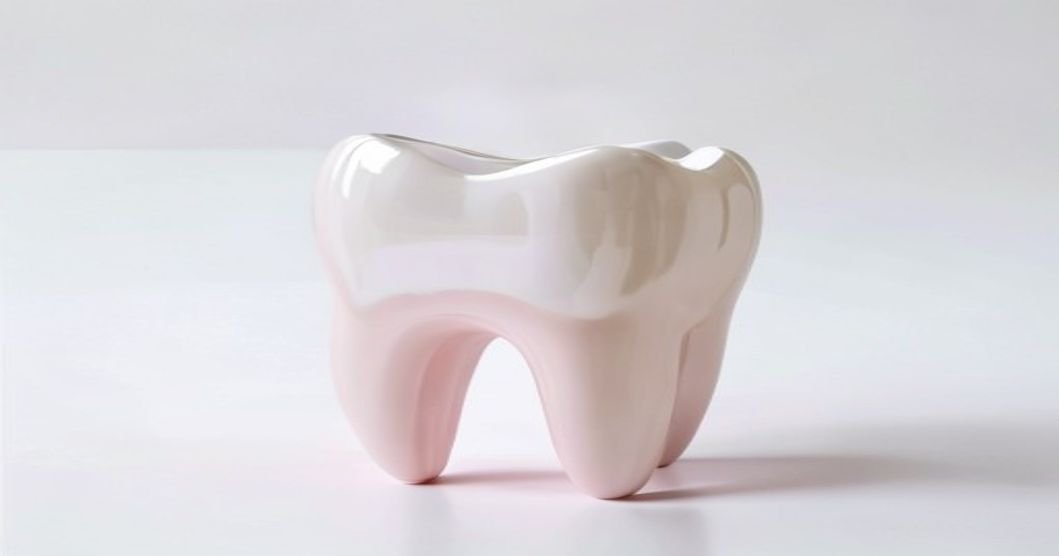
Discover effective Tooth Sensitivity Treatment options, average costs, insurance coverage, and expert recovery tips for lasting, professional pain relief.
Experiencing a sharp, sudden jolt of pain when drinking cold water or eating sweet foods is a common but highly disruptive problem. Tooth Sensitivity Treatment is a targeted, professional approach designed to diagnose and resolve the underlying causes of this discomfort, known clinically as dentin hypersensitivity. This condition affects nearly one in eight adults, making it one of the most frequent complaints in dental offices across the United States. Patients typically seek this care when everyday activities, like breathing in cold air or brushing their teeth, become painful. While over-the-counter products can offer temporary relief, professional Tooth Sensitivity Treatment addresses the root cause, whether that is receding gums, enamel erosion, or microscopic cracks. In this comprehensive guide, you will learn exactly what these treatments involve, realistic cost expectations, insurance coverage details, and step-by-step aftercare tips. Understanding your options empowers you to take control of your oral health and enjoy your favorite foods without fear.
| Topic | Key Point |
|---|---|
| Definition | Professional interventions designed to block exposed dentin tubules and stop nerve pain. |
| Primary Causes | Gum recession, enamel erosion from acid, aggressive brushing, and teeth grinding. |
| Common Treatments | In-office desensitizing varnishes, dental bonding, laser therapy, and gum grafting. |
| Timeline | Relief can be immediate after in-office treatment, or take 2 to 4 weeks with prescription products. |
| Average Cost | Ranges from $50 for in-office varnish to $1,200 for surgical gum grafting per site. |
| Insurance Coverage | Often partially covers restorative or periodontal treatments, but rarely covers preventive varnishes. |
| Longevity | In-office treatments last 3 to 6 months, while bonding or grafting can last 5 to 10+ years. |
| Prevention | Using a soft-bristled brush, non-abrasive toothpaste, and wearing a nightguard prevents recurrence. |
Tooth Sensitivity Treatment encompasses a range of professional dental procedures aimed at eliminating the sharp, transient pain associated with dentin hypersensitivity. To understand why these treatments work, it is helpful to understand basic dental anatomy. A healthy tooth is protected by a hard, outer layer called enamel above the gumline, and cementum below the gumline. Beneath these protective layers lies dentin, a softer, porous tissue. Dentin contains thousands of microscopic channels called dentinal tubules. These tubules lead directly to the tooth’s inner core, the pulp, which houses the nerve and blood supply. When enamel wears away or gums recede, the dentin becomes exposed. According to the widely accepted hydrodynamic theory, stimuli such as cold temperatures, sweet foods, or even the physical touch of a toothbrush cause the fluid inside these microscopic tubules to shift rapidly. This sudden fluid movement stimulates the nerve endings in the pulp, resulting in a sharp, shooting pain. Tooth Sensitivity Treatment works by interrupting this process. Dentists use specialized materials to physically plug or seal these open tubules, preventing fluid movement. Alternatively, some treatments use active ingredients to calm the nerve itself. By addressing the specific cause of the exposure, whether it is a worn filling, a receding gumline, or acid erosion, professional treatment provides a long-term solution that over-the-counter products simply cannot match.
You might be a candidate for professional intervention if you experience specific types of dental discomfort. Below are the most common indicators that it is time to see a dentist.
The most classic sign of dentin hypersensitivity is a sudden, sharp pain when consuming hot coffee, ice water, or cold ice cream. This pain typically peaks quickly and fades within seconds after the temperature stimulus is removed. If this happens frequently, the protective layers of your teeth are likely compromised.
Sensitivity is not limited to temperature. Sugary candies, citrus fruits, or carbonated sodas can trigger a noticeable ache. The sugar and acid draw fluid out of the dentinal tubules through osmosis, triggering the same nerve response as a cold drink. Call your dentist promptly if this pain begins to linger, as it may indicate an active cavity rather than simple sensitivity.
If the bristles of your toothbrush or the strand of dental floss causes a jolt of pain, your gums may be receding, or your enamel may be severely thinned. This is a clear signal that your current oral hygiene routine is causing trauma to exposed root surfaces and requires professional adjustment.
Look in the mirror and lift your lip. If you see that the roots of your teeth are exposed, or if you notice small, V-shaped notches at the gumline (a condition called abfraction), you are at high risk for sensitivity. These physical defects leave the dentin completely unprotected and usually require restorative treatment to fix.
While typical sensitivity fades in seconds, a dull ache that lingers for minutes or hours after eating or drinking is a red flag. This suggests that the inflammation has reached the inner pulp of the tooth. You should call your dentist immediately for an evaluation, as this may indicate irreversible pulpitis requiring a root canal, rather than simple sensitivity.
Receiving professional care for sensitive teeth is typically straightforward and minimally invasive. Here is a step-by-step walkthrough of what you can expect from your dental visit.
Professional Tooth Sensitivity Treatment is highly safe and effective, but it is important to understand both the advantages and the potential drawbacks.
The cost of treating sensitive teeth varies widely depending on the severity of the condition and the specific procedure required. Below is a breakdown of average costs based on current 2024-2026 US market rates.
| Item / Service | Average Cost (no insurance) | Typical Insurance Coverage | Notes |
|---|---|---|---|
| Initial Consultation & Exam | $100 – $250 | 80% – 100% | Includes visual exam and necessary X-rays. |
| In-Office Desensitizing Varnish | $50 – $150 per application | 0% – 50% | Often considered preventive; coverage varies. |
| Prescription Desensitizing Toothpaste | $15 – $30 per tube | 0% | Usually paid out-of-pocket or via FSA/HSA. |
| Dental Bonding (per tooth) | $300 – $600 | 50% – 80% | Covers exposed roots or abfraction notches. |
| Laser Desensitization Therapy | $200 – $500 per session | 0% – 50% | Often coded as an adjunctive or laser procedure. |
| Gum Grafting (per site) | $600 – $1,200 | 50% – 80% | Surgical procedure to cover severely receded roots. |
| Custom Occlusal Nightguard | $400 – $800 | 50% | Prevents sensitivity caused by nighttime grinding. |
| Typical Total Range | $50 – $1,200+ | Varies greatly | Depends entirely on the chosen treatment path. |
Several main factors cause this cost variation. Geography plays a major role; practices in major urban centers like New York, Los Angeles, or Boston charge significantly more than those in rural or midwestern areas. Provider specialty also affects price. A periodontist performing a gum graft will typically charge more than a general dentist applying a simple varnish due to advanced surgical training. The materials used are another factor; high-quality, nano-hybrid composite resins cost more than basic bonding agents. Finally, the complexity of the case dictates the price. A patient needing a full mouth of bonding for severe abrasion will naturally incur higher costs than someone needing a single varnish application.
Navigating dental insurance for sensitivity can be tricky, as coverage depends heavily on how the procedure is coded and justified. Insurance companies evaluate claims based on ADA (American Dental Association) procedure codes. For example, an in-office desensitizing medicament is coded as D9920. A resin-based composite restoration (bonding) is coded as D2391. Surgical gum grafting falls under periodontal codes like D4266. Insurance does not cover “sensitivity” as a blanket diagnosis; they cover the specific, medically necessary procedure used to treat it.Plan types matter significantly. Preferred Provider Organization (PPO) plans typically cover 50% to 80% of restorative procedures (like bonding) and periodontal surgeries (like gum grafts) after you meet your deductible. However, preventive codes like D9920 (varnish) are frequently denied or only covered at a low percentage for adults, as insurers often view them as optional. Health Maintenance Organization (HMO) plans may cover a portion but restrict you to a specific network of providers.Most dental insurance plans have an annual maximum, typically ranging from $1,500 to $2,500. If you require extensive bonding or gum grafting, you may hit this maximum quickly. Additionally, many plans impose a 6- to 12-month waiting period for major restorative procedures, though this rarely applies to basic periodontal or preventive treatments.To avoid surprise bills, always request a predetermination of benefits. Your dentist submits the planned treatment codes to your insurance company before starting. The insurer then returns a document detailing exactly what they will pay and what your out-of-pocket responsibility will be.If you do not have dental insurance, explore alternative options. Dental schools offer supervised, high-quality care at a fraction of the cost, though appointments take longer. Dental discount plans charge an annual fee of $100 to $200 and provide 15% to 50% discounts at participating offices. Finally, you can use pre-tax dollars from a Flexible Spending Account (FSA) or Health Savings Account (HSA) to pay for prescription toothpaste, varnishes, and nightguards.
Depending on the severity of your symptoms and your budget, your dentist might suggest alternative management strategies instead of, or alongside, professional in-office procedures.
What it is: Over-the-counter or prescription oral care products containing active ingredients like potassium nitrate or stannous fluoride.
When it is preferred: For mild, generalized sensitivity or as a maintenance routine after professional treatment.
Approximate Cost: $10 to $30 per tube or bottle.
Key Tradeoff: These products are highly affordable and easy to use. However, they require strict, consistent twice-daily use for 2 to 4 weeks to see results, and they are often ineffective for severe, localized sensitivity caused by deep gum recession or cracks.
What it is: Making conscious lifestyle changes to reduce acid exposure and mechanical wear on the teeth. This includes avoiding citrus and soda, not brushing immediately after eating acidic foods, and using a soft-bristled brush.
When it is preferred: As a foundational, preventive measure for all patients, especially those with early signs of enamel erosion.
Approximate Cost: $0 (free).
Key Tradeoff: This approach costs nothing and protects overall oral health. However, it requires a high degree of daily discipline and does nothing to repair structural damage or exposed dentin that has already occurred.
What it is: Using a custom-made acrylic appliance worn at night, or minor reshaping of the biting surfaces of the teeth, to reduce excessive force.
When it is preferred: When the primary cause of sensitivity is bruxism (teeth grinding) or clenching, which flexes the teeth and opens dentinal tubules at the gumline.
Approximate Cost: $400 to $800 for a custom nightguard.
Key Tradeoff: A nightguard is highly effective at stopping the mechanical cause of sensitivity and protecting existing dental work. However, it is a passive treatment; it prevents further damage but does not actively seal tubules that are already exposed, often requiring pairing with desensitizing toothpaste.
Proper aftercare is critical to maximizing the effectiveness and longevity of your Tooth Sensitivity Treatment. Follow these guidelines to ensure smooth healing and lasting comfort.First 24 Hours
Days 2 to 7
Long-Term Care
To protect your results, maintain impeccable oral hygiene. Brush twice daily and floss every day using proper technique to avoid scrubbing the gums away. If you grind your teeth, wear your custom nightguard every single night. Attend professional cleanings every six months, and remind your hygienist to use a gentle, low-abrasion polishing paste on your sensitive areas.Red-Flag Symptoms
Call your dentist immediately if you experience:
Choosing the right provider ensures an accurate diagnosis and a comfortable, effective treatment experience. Consider these factors when evaluating your options:
Questions to Ask at Your Consultation:
The timeline depends entirely on the treatment method. In-office desensitizing varnishes and dental bonding often provide immediate or near-immediate relief, as they physically block the exposed tubules right away. However, if your dentist prescribes a high-fluoride or potassium nitrate toothpaste, it typically takes 2 to 4 weeks of consistent, twice-daily use for the active ingredients to build up a protective barrier and calm the nerve response. Patience and consistency are key for at-home regimens.
Mild sensitivity caused by temporary factors, such as recent teeth whitening or a minor change in diet, may resolve on its own within a few days to a week. However, sensitivity caused by structural issues like gum recession, enamel erosion, or a cracked tooth will not heal independently. Dentin does not regenerate. Without professional intervention to seal the exposed areas, the condition will likely worsen over time, potentially leading to more severe pain or the need for a root canal.
Most professional Tooth Sensitivity Treatment is entirely painless. Applying a desensitizing varnish feels like a cool, slightly sticky painting on the tooth and requires no needles. Dental bonding may require a small amount of local anesthesia to ensure you are completely comfortable while the dentist prepares the tooth and places the resin. Laser therapy is also generally well-tolerated, often described as a mild, warm tapping sensation. Your dentist will always prioritize your comfort and can provide numbing options if needed.
The best toothpastes contain specific active ingredients proven to block pain. Look for products containing potassium nitrate, which calms the nerve inside the tooth, or stannous fluoride and arginine, which physically plug the open dentinal tubules. Brands like Sensodyne, Colgate Sensitive, and Crest Gum and Sensitivity are widely recommended by dentists. For severe cases, your dentist can prescribe a high-concentration 5,000 ppm fluoride toothpaste, which offers significantly stronger protection than over-the-counter options.
Yes, tooth decay is a very common cause of sensitivity. When a cavity forms, it destroys the hard outer enamel, creating a pathway for hot, cold, and sweet stimuli to reach the softer, sensitive dentin layer underneath. If a cavity is left untreated, the decay will progress deeper into the tooth, eventually reaching the pulp. This can cause the temporary, sharp pain of sensitivity to evolve into a severe, lingering toothache that requires a root canal or extraction.
In-office desensitizing varnishes are very safe and can be applied as often as needed, though they are typically administered every 3 to 6 months during your regular dental cleanings. Because the varnish gradually wears away from normal chewing and brushing, periodic reapplication is necessary to maintain the protective barrier. Your dentist will evaluate your sensitivity levels at each check-up and recommend a reapplication schedule tailored to your specific rate of wear and symptom severity.
No, teeth whitening does not cause permanent sensitivity. Whitening gels contain peroxide, which temporarily opens the microscopic pores in the enamel to lift stains. This can allow stimuli to reach the nerve more easily, causing temporary sensitivity during or shortly after the treatment. This discomfort is almost always reversible and typically resolves completely within 24 to 48 hours after you stop using the whitening product. Using a desensitizing toothpaste before and after whitening can significantly minimize this temporary effect.
Tooth Sensitivity Treatment is a highly effective, often minimally invasive way to reclaim your comfort and confidence. Whether the solution is a simple in-office varnish, a protective bonding restoration, or a surgical gum graft, modern dentistry offers reliable methods to seal exposed dentin and calm irritated nerves. The cost of these treatments is an investment in your long-term oral health, preventing minor discomfort from escalating into severe pain or the need for extensive, expensive procedures like root canals.Do not ignore sharp, sudden dental pain or attempt to mask it indefinitely with over-the-counter products. Early intervention is almost always less expensive, less invasive, and more effective than waiting for the damage to worsen. Take the first step toward lasting relief by scheduling a comprehensive consultation with a licensed, experienced dentist. They can accurately diagnose the root cause of your discomfort and build a customized, affordable roadmap to a pain-free, healthy smile.