Physical Address
304 North Cardinal St.
Dorchester Center, MA 02124
Physical Address
304 North Cardinal St.
Dorchester Center, MA 02124

Discover everything about Orthodontic Retainers, including types, costs, procedure steps, and daily aftercare tips to keep your smile perfectly straight.
Finishing your braces or clear aligners is a massive milestone, but your orthodontic journey is not quite over. To keep your newly straightened smile intact, you will need Orthodontic Retainers. These custom-made dental devices are specifically designed to hold your teeth in their new, corrected positions while the surrounding bone and gums stabilize. Without them, your teeth will naturally drift back to their original places, undoing months or years of careful treatment. Who needs these devices? Essentially, anyone who has just completed active orthodontic treatment with braces or aligners. In this comprehensive guide, you will learn exactly what Orthodontic Retainers are and why they are absolutely critical for long-term success. We will walk you through the different types available, the fitting procedure, and the daily aftercare required to keep them clean. You will also discover detailed cost breakdowns, insurance coverage tips, and alternative options if you experience relapse. Finally, we will cover how to choose the right dental professional and answer the most frequently asked questions. Reading this guide will empower you to protect your investment and maintain a beautiful, healthy smile for a lifetime.
| Topic | Key Point |
|---|---|
| Primary Purpose | Prevent teeth from shifting back to their original positions after braces or aligners. |
| Main Types | Removable clear plastic, removable wire-and-acrylic (Hawley), and permanent bonded wires. |
| Wear Schedule | Full-time wear for the first 3-6 months, transitioning to nightly wear indefinitely. |
| Average Cost | Ranges from $200 for basic removable retainers to $600 for permanent bonded options. |
| Cleaning Routine | Daily brushing with a soft toothbrush and soaking in specialized non-abrasive cleaning tablets. |
| Lifespan | Removable retainers last 2-5 years; permanent retainers can last 10+ years with care. |
| Relapse Risk | Teeth naturally shift over time; consistent nightly wear is the only way to prevent relapse. |
| Maintenance | Regular dental checkups should include professional evaluation of your retainer fit and condition. |
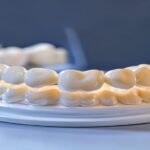
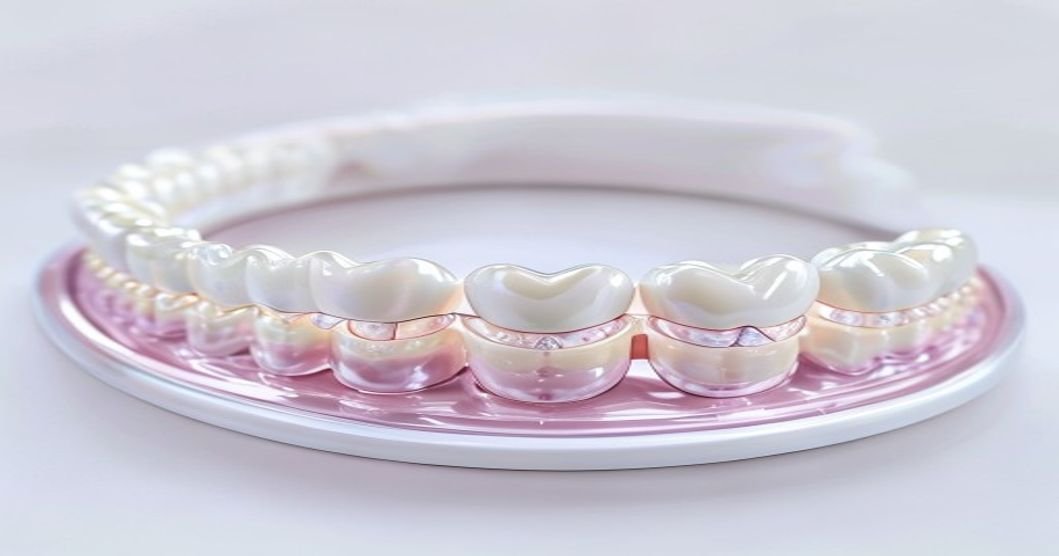
Orthodontic Retainers are custom-fitted oral appliances used during the retention phase of orthodontic treatment. When braces or clear aligners move your teeth, they alter the position of the roots within the jawbone. The periodontal ligaments, which are the elastic tissues connecting your teeth to the bone, are stretched and compressed during this process. Once the active movement stops, these ligaments have a natural “memory” and will try to pull your teeth back to their original, crooked positions. Retainers hold the teeth perfectly still while the bone remodels and the ligaments adapt to the new alignment.There are three primary categories of Orthodontic Retainers used in modern dentistry. The first type is the clear plastic retainer, often called an Essix retainer, which looks similar to a clear aligner tray and fits snugly over the entire dental arch. The second is the Hawley retainer, which consists of a customizable acrylic plate that rests against the roof of your mouth or behind your lower teeth, held in place by a metal wire across the front. The third option is a permanent or bonded retainer, which is a thin metal wire glued directly to the back surfaces of the front teeth.Understanding how these devices fit into your overall oral health care is essential. They are not just plastic or metal; they are vital medical devices that protect your bite function and jaw joint health. If your teeth shift out of alignment, it can lead to uneven wear on the enamel, jaw pain, and difficulty chewing. By keeping your teeth in their ideal positions, Orthodontic Retainers ensure that your orthodontic investment lasts a lifetime while maintaining optimal oral function and aesthetics.
The most obvious sign that you need Orthodontic Retainers is the recent removal of your braces or completion of your clear aligner therapy. Your orthodontist will always provide retainers immediately after active treatment ends. When to call: If you have finished treatment and your provider did not schedule a retention appointment or provide retainers, contact their office immediately to schedule your final records and fitting.
If it has been a few years since you stopped wearing your retainers, you might notice your teeth slowly moving out of place. This is known as orthodontic relapse. You might see minor crowding return, especially on the lower front teeth. When to call: If you notice visible shifting, call your dentist or orthodontist promptly. Early intervention might only require a new retainer, whereas severe relapse could mean starting treatment over.
Spaces that were successfully closed during your orthodontic treatment may begin to reopen if you are not wearing your retainers. The periodontal fibers around the teeth, particularly the transseptal fibers, are highly prone to pulling teeth apart. When to call: Schedule an appointment as soon as you see gaps widening. A retainer can sometimes push the teeth back together if caught early enough.
Sometimes, relapse does not just affect the look of your smile; it affects how your teeth fit together. You might notice that your bite feels “off,” or you experience new jaw clicking and discomfort when chewing. When to call: Bite changes require urgent professional evaluation. Call your provider right away, as an improper bite can lead to severe tooth wear and temporomandibular joint (TMJ) disorders.
| Item / Service | Average Cost (no insurance) | Typical Insurance Coverage | Notes |
|---|---|---|---|
| Initial Retainer Consult & Scan | $50 – $150 | 80% – 100% | Often bundled with final ortho records. |
| Clear Plastic Retainers (Pair) | $200 – $400 | 50% – 80% | Most popular removable option; Essix style. |
| Hawley Wire Retainers (Pair) | $250 – $500 | 50% – 80% | Durable, adjustable, but more visible. |
| Permanent Bonded Retainer (Per Arch) | $250 – $600 | 50% – 80% | Fixed wire; requires specialized removal. |
| Replacement Retainer (Single) | $150 – $300 | 50% – 80% | Cost varies by material and lab fees. |
| Retainer Adjustment / Repair Visit | $50 – $150 | 80% – 100% | For minor wire bends or acrylic smoothing. |
| Retainer Cleaning Tablets (3-month supply) | $15 – $30 | 0% | Out-of-pocket; essential for hygiene. |
| Typical Total Range (Removable Pair) | $400 – $800 | Varies by plan | Assumes no ortho lifetime max reached. |
The final cost of Orthodontic Retainers can vary significantly based on several factors. Geography plays a major role, with urban areas and coastal cities typically charging 20% to 30% more than rural practices. The provider’s specialty also impacts the price; orthodontists generally charge more than general dentists due to their advanced specialized training. Materials used are another variable, as custom-milled clear retainers or high-durability Hawley wires cost more than basic stock options. Finally, the complexity of your case, such as the need for extensive adjustments or specialized bonding techniques for permanent wires, will influence the final bill.
Dental insurance coverage for Orthodontic Retainers depends heavily on your specific plan type and the details of your policy. Most Preferred Provider Organization (PPO) and indemnity plans cover retainers under the “orthodontic” or “major restorative” benefit categories. They typically cover 50% to 80% of the cost, but this is subject to your plan’s orthodontic lifetime maximum, which usually ranges from $1,000 to $2,500. Health Maintenance Organization (HMO) plans may cover retainers at a fixed, discounted copay, provided you use an in-network orthodontist.The applicable American Dental Association (ADA) procedure codes are crucial for billing. Code D868 is used for orthodontic retention (removable retainers), while D869 is used for the removal of a fixed retainer. Placement of a fixed retainer is sometimes billed under D868 or bundled into the overall orthodontic package. It is important to note that many insurance plans have a waiting period for orthodontic benefits, though retainers provided immediately after braces are usually exempt from this waiting period.Before starting treatment, always request a predetermination of benefits from your insurance company. This document will tell you exactly what is covered, what your out-of-pocket costs will be, and how much of your lifetime maximum remains. If you do not have dental insurance, ask your orthodontist about in-house discount plans, which can reduce the cost of retainers by 15% to 25%. Additionally, you can use funds from a Flexible Spending Account (FSA) or Health Savings Account (HSA) to pay for Orthodontic Retainers with pre-tax dollars.
If your teeth have shifted significantly and a standard retainer no longer fits, clear aligner refinement (like Invisalign Express or Lite) is a common alternative. This involves wearing a short series of 5 to 10 clear trays to gently guide the teeth back into their correct positions. It is preferred when relapse is moderate and the patient wants a discreet, removable option. The cost typically ranges from $1,500 to $3,000. The key tradeoff is that it requires a new commitment to active treatment and daily wear time, whereas a retainer simply maintains the current position.
For severe orthodontic relapse where teeth have rotated or shifted drastically, traditional metal or ceramic braces may be necessary. This alternative is preferred when complex root movements or bite corrections are required that aligners cannot achieve. The cost ranges from $3,000 to $7,000, depending on the case length. The main tradeoff compared to simply getting Orthodontic Retainers is the high financial cost, the visible appearance of the brackets, and the extended treatment time of 12 to 24 months.
If the relapse consists of minor gaps or slight rotations, a cosmetic dentist might suggest porcelain veneers or composite bonding. This alternative physically alters the shape of the teeth to mask the misalignment, creating the illusion of a straight smile. It is preferred when the patient wants an immediate aesthetic fix without moving the teeth. The cost is $800 to $2,500 per tooth for veneers, or $300 to $600 per tooth for bonding. The tradeoff is that it requires the irreversible removal of healthy tooth enamel for veneers and does not fix the underlying bite issues.
The final alternative is simply choosing not to treat the relapse and accepting the natural shifting of the teeth. This is preferred when the shifting is extremely minimal, does not affect bite function, and the patient is unwilling to spend money on further dental work. The cost is $0. The obvious tradeoff is that your teeth will continue to crowd or shift over time, potentially leading to future oral health issues, and you will lose the aesthetic results of your previous orthodontic investment.
During the first day with your new Orthodontic Retainers, focus on gentle care and adaptation. Wear your removable retainers for the full prescribed time, even if they feel tight or cause a slight lisp. Avoid chewing sticky, hard, or crunchy foods if you are wearing a permanent bonded retainer, as the adhesive needs time to fully set. Drink plenty of water to help wash away excess saliva and keep your mouth comfortable.
As you move into the first week, establish a strict daily cleaning routine for your appliances. Brush your removable retainers gently every morning and night using a soft-bristled toothbrush and lukewarm water. Avoid hot water, which can warp the plastic. Continue to wear them as directed by your orthodontist, and use over-the-counter oral numbing gels if your gums feel sore from the edges of a Hawley retainer. Maintain normal physical activities, but remove clear retainers before playing contact sports.
Long-term success with Orthodontic Retainers relies entirely on consistent habits. Transition to nightly wear as soon as your orthodontist directs, and never skip a night, as teeth can shift in just a few days. Always store your removable retainers in their protective case when eating or brushing to prevent them from being thrown away. Keep up with your regular six-month dental cleanings, and bring your retainers to these appointments so the hygienist can check their fit and clean them professionally.
Call your dentist immediately if you experience severe, sharp pain that does not go away after a few days of wearing the retainer. Contact them promptly if a permanent bonded wire breaks, pokes your gums, or completely detaches from a tooth. You should also seek immediate care if your removable retainer cracks, breaks in half, or no longer fits over your teeth, as this indicates your teeth have shifted and the retainer is no longer effective.
When you go for your consultation, ask these specific questions: What type of retainer do you recommend for my specific bite and why? How long will I need to wear the retainers full-time before switching to nights only? What is the exact cost for a replacement if I lose or break the retainer? Do you offer a retainer replacement warranty or discount program for the first year?
You should wear your Orthodontic Retainers full-time (22 hours a day) for the first three to six months after your braces or aligners are removed. After this initial stabilization period, your orthodontist will transition you to nighttime-only wear. However, because teeth naturally shift throughout your entire life due to aging and oral muscle pressures, nightly wear is considered a lifelong commitment to maintain your perfect smile.
You should always remove your clear plastic and Hawley retainers before eating any food. Chewing with them in can easily crack the plastic or bend the metal wires. When drinking, you should only consume plain, cool water while wearing them. Drinking anything sugary, acidic, or hot with retainers in traps the liquid against your teeth, which can cause rapid tooth decay and warp the plastic material.
Clean your removable retainers every day by gently brushing them with a soft-bristled toothbrush and mild, unscented liquid soap or specialized retainer cleaner. Avoid using regular toothpaste, as it contains abrasive particles that will scratch the surface and create hiding spots for bacteria. Additionally, soak them two to three times a week in non-abrasive retainer cleaning tablets dissolved in lukewarm water to keep them fresh and disinfected.
Contact your orthodontist immediately if you lose or break your Orthodontic Retainers. Do not wait, as your teeth can begin shifting back to their original positions in as little as 24 to 48 hours. In the meantime, if you still have your previous set of retainers, wear them to hold the teeth in place. If you do not have a backup, your dentist may advise you to wear your old aligners or schedule an emergency appointment to take new impressions.
Mild soreness or pressure is completely normal when you first get your retainers or if you haven’t worn them for a few days. This sensation means the retainer is actively holding your teeth in the correct position against the natural tendency of the periodontal ligaments to shift. The discomfort should feel like a tight squeeze and typically subsides within a few hours. If the pain is sharp, severe, or lasts more than a couple of days, call your dentist for an adjustment.
Permanent bonded Orthodontic Retainers are made from a strong, braided metal wire that is glued to the back of your teeth. With excellent oral hygiene and careful avoidance of extremely hard foods, they can last anywhere from 5 to 10 years, and sometimes even longer. However, they are not indestructible. The bonding adhesive can eventually wear down, or the wire can snap if subjected to excessive force, requiring a quick visit to the dentist for a repair.
No, you should never use standard toothpaste to clean your clear plastic Orthodontic Retainers. Toothpaste contains mild abrasives designed to scrub hard tooth enamel, but these same abrasives will create microscopic scratches on the soft plastic of the retainer. These scratches make the retainer look cloudy and dull, and more importantly, they create rough surfaces where bacteria, plaque, and odors can easily accumulate and thrive.
Orthodontic Retainers are the essential final step in your orthodontic journey, protecting your straight smile from natural shifting and relapse. Whether you choose removable clear trays, traditional Hawley wires, or a permanent bonded option, consistent wear is the only way to guarantee your teeth stay perfectly aligned. Understanding the costs, insurance coverage, and proper aftercare routines will help you maintain your appliances effectively and avoid expensive retreatment. Do not wait until your teeth have visibly shifted to take action. Schedule a consultation with a licensed orthodontist or dentist today to get fitted for the right retainers. Early intervention and consistent nightly wear are always less expensive and far more effective than trying to fix severe relapse years down the road.