Physical Address
304 North Cardinal St.
Dorchester Center, MA 02124
Physical Address
304 North Cardinal St.
Dorchester Center, MA 02124

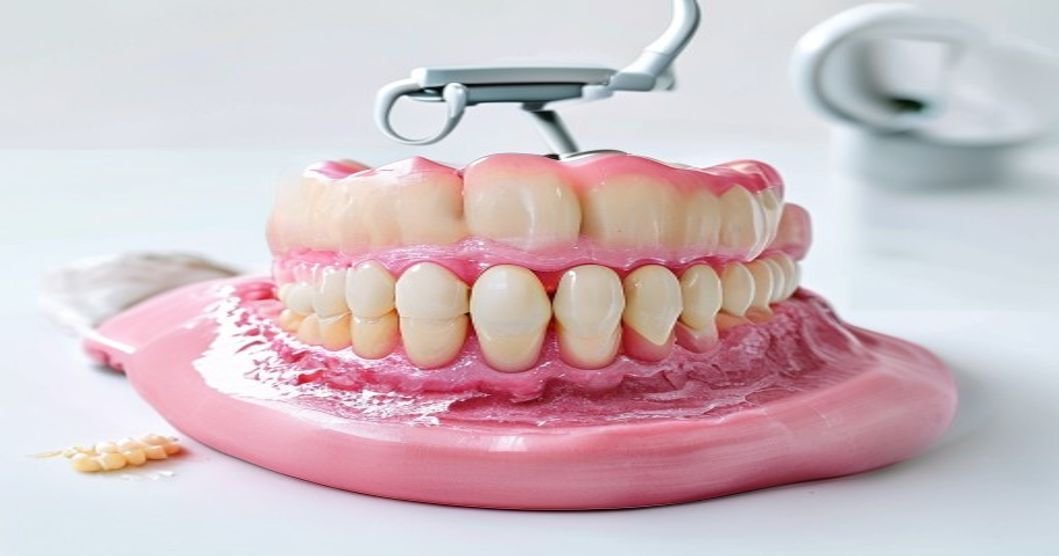
Discover everything about impacted wisdom teeth, including common symptoms, extraction costs, recovery tips, and dental insurance coverage in this guide.
Wisdom teeth are the final set of adult molars to emerge in the back of your mouth. For many people, these third molars do not have enough room to grow in properly. When this happens, the teeth become trapped beneath the gum line or jawbone. This condition is known as having Impacted Wisdom Teeth. If you are experiencing jaw pain, swelling, or difficulty chewing, you might be dealing with this common dental issue. Young adults between the ages of 17 and 25 are the most frequently affected demographic. However, impacted third molars can cause problems at any age if left unaddressed. Reading this comprehensive guide will empower you with the knowledge you need. You will learn about the early warning signs, what the extraction procedure entails, and realistic cost expectations. We will also cover insurance coverage, recovery protocols, and how to choose the right dental professional. Understanding Impacted Wisdom Teeth is the first step toward protecting your long-term oral health and avoiding costly complications down the road.
| Topic | Key Point |
|---|---|
| Definition | Impacted Wisdom Teeth occur when third molars fail to fully erupt through the gums due to lack of space or abnormal angles. |
| Common Symptoms | Jaw pain, swollen or bleeding gums, bad breath, headaches, and difficulty opening the mouth fully. |
| Diagnosis | Dentists use panoramic X-rays or 3D CBCT scans to evaluate the position of the teeth and plan treatment. |
| Procedure Time | The surgical removal typically takes between 45 to 90 minutes, depending on the complexity of the impaction. |
| Recovery Timeline | Most patients experience mild soreness for 2 to 3 days, with full gum healing occurring within 1 to 2 weeks. |
| Average Cost | Without insurance, removing all four impacted wisdom teeth typically ranges from $1,500 to $4,000+ in the United States. |
| Insurance Coverage | Most PPO dental plans cover 50% to 80% of the procedure after the annual deductible is met. |
| Primary Risk | Dry socket is the most common complication, occurring in about 2% to 5% of surgical extraction cases. |
To understand this condition, it helps to know a little about dental anatomy. Humans typically have 32 adult teeth, including four third molars located at the very back of the upper and lower jaws. These are the wisdom teeth. In our evolutionary past, these extra molars were useful for chewing tough, uncooked foods. Today, modern human jaws are generally smaller. Consequently, there is often insufficient space for these late-blooming teeth to emerge correctly. When a tooth cannot break through the gum tissue or align properly, it becomes Impacted Wisdom Teeth. There are four primary classifications of impaction based on the tooth’s angle. A mesial impaction is the most common, where the tooth tilts forward toward the front of the mouth. A distal impaction occurs when the tooth tilts backward toward the rear of the jaw. A vertical impaction means the tooth is straight up and down but remains trapped under the gum or bone. Finally, a horizontal impaction happens when the tooth grows completely sideways, pressing directly into the roots of the adjacent second molar. Dentists and oral surgeons diagnose this condition using advanced imaging. A standard panoramic X-ray provides a broad view of the entire mouth. For complex cases, a Cone Beam Computed Tomography (CBCT) scan offers a detailed 3D view of the tooth’s relationship to nearby nerves and sinuses. Addressing Impacted Wisdom Teeth proactively is a cornerstone of preventive oral health care, as it protects the structural integrity of your entire dental arch.
Recognizing the early warning signs can prevent severe dental emergencies. While some impacted teeth remain entirely asymptomatic for years, many eventually cause noticeable discomfort. Below are the most common indicators that you may need professional evaluation.
Persistent aching or throbbing at the back of the jaw is a primary symptom. This pain often radiates to the ear or neck. You may also notice visible swelling in the gums or the side of your face. This inflammation is your body’s response to the trapped tooth pressing against surrounding tissues.
The gum tissue covering a partially erupted wisdom tooth is highly susceptible to irritation. You might notice that the area is bright red, tender to the touch, or bleeds easily when you brush. This condition, known as pericoronitis, occurs when food debris and bacteria become trapped under the gum flap.
Chronic bad breath (halitosis) or a foul taste in your mouth that does not go away with brushing can be a major red flag. This is typically caused by bacterial infection or decaying food particles lodged in the hard-to-clean area around the impacted tooth.
A condition called trismus, or lockjaw, can develop if the inflammation spreads to the chewing muscles. If you find it painful or physically difficult to open your mouth to its normal width, the impacted tooth is likely causing significant muscle spasms or joint irritation.
Because the nerves in the lower jaw are closely connected to the rest of the head, pain from an impacted wisdom tooth can refer to other areas. Unexplained, recurring headaches or dull earaches on one side of the face are frequently linked to third molar issues.
If you experience mild, intermittent discomfort, you can schedule a routine evaluation within a few weeks. However, you should call a dentist immediately if you develop a high fever, severe swelling that affects your breathing or swallowing, or pus draining from the gums. These are signs of a spreading infection that requires urgent care.
Understanding the step-by-step process can significantly reduce anxiety. Here is exactly what happens from your first visit to your final healing stage.
While the condition itself is problematic, the benefits of addressing and treating impacted wisdom teeth through professional removal are substantial and well-documented.
Like any surgical procedure, wisdom tooth extraction carries some risks. However, complications are relatively uncommon when performed by a qualified professional.
The cost of removing Impacted Wisdom Teeth varies based on several factors. Below is a breakdown of realistic 2024-2025 national average costs in the United States for patients paying out of pocket.
| Item / Service | Average Cost (no insurance) | Typical Insurance Coverage | Notes |
|---|---|---|---|
| Initial Consultation & Exam | $100 – $250 | 80% – 100% | Often waived if you proceed with surgery at the same practice. |
| Panoramic X-Ray or 3D CBCT Scan | $150 – $300 | 80% – 100% | CBCT scans are on the higher end but are crucial for complex nerve proximity. |
| Simple Extraction (per tooth) | $200 – $400 | 50% – 80% | Applies only if the tooth is fully erupted and easy to remove. |
| Surgical Extraction (per tooth) | $300 – $600 | 50% – 80% | Required for soft tissue or partial bony impactions. |
| Fully Bony Impaction (per tooth) | $400 – $800 | 50% – 80% | The most complex code; requires significant bone removal and tooth sectioning. |
| IV Sedation or General Anesthesia | $400 – $800 | 40% – 50% | Billed separately; highly dependent on the duration of the surgery. |
| Post-Operative Follow-Up Visit | $50 – $150 | 80% – 100% | Usually includes suture removal and healing assessment. |
| Prescription Medications | $30 – $80 | Varies by medical plan | Includes antibiotics and strong pain relievers, if deemed necessary. |
| Typical Total Range (All 4 Teeth) | $1,500 – $4,000+ | Varies by plan maximums | Total depends heavily on the impaction severity and anesthesia choice. |
The main factors that cause cost variation include geography, provider specialty, and case complexity. Procedures performed in major metropolitan areas like New York City or San Francisco will naturally cost 20% to 40% more than those in rural Midwest regions due to higher overhead. Additionally, a Board-Certified Oral and Maxillofacial Surgeon typically charges more than a general dentist, reflecting their advanced training in handling complex nerve and bone anatomy. Finally, the materials used, such as advanced piezoelectric surgical tools that minimize bone trauma, can also influence the final bill.
Navigating dental insurance can be confusing, but understanding the basics can save you significant money. The removal of Impacted Wisdom Teeth is generally considered a “major” dental procedure. The American Dental Association (ADA) uses specific procedure codes for billing. These include D7210 for surgical removal of an erupted tooth, D7220 for soft tissue impaction, D7230 for partial bony impaction, and D7240 for complete bony impaction. Your dentist will submit the code that matches your specific clinical situation.Coverage depends heavily on your plan type. Dental PPO plans typically cover 50% to 80% of the cost of major procedures after you have met your annual deductible. Dental HMO plans usually require you to see an in-network provider and will charge a fixed, pre-determined copay for the extraction, regardless of the total cost. Indemnity plans reimburse you a set percentage of the “Usual, Customary, and Reasonable” (UCR) fee for your geographic area.Be aware of waiting periods. Many dental insurance policies impose a 6- to 12-month waiting period for major procedures. However, if the extraction is deemed a medical necessity due to active infection, cysts, or damage to adjacent teeth, your dentist can often request a waiver to bypass this waiting period.Always request a predetermination of benefits before scheduling the surgery. This is a formal request sent by your dentist to your insurance company, outlining the exact procedure codes and estimated costs. The insurer will respond with a written explanation of exactly what they will pay and what your out-of-pocket responsibility will be, preventing unexpected bills.If you do not have dental insurance, you still have viable options. Dental schools and oral surgery residency programs often perform these extractions at 30% to 50% less than private practice rates, supervised by experienced faculty. Dental discount plans (like Careington or Aetna Vital Savings) are not insurance, but they provide immediate access to a network of dentists who agree to charge reduced, pre-negotiated fees for an annual membership cost. Finally, most clinics offer third-party payment plans through services like CareCredit or Sunbit, allowing you to break the total cost into manageable, interest-free monthly installments.
While extraction is the most common solution, it is not the only option. Depending on your specific anatomy and symptoms, your dentist may discuss alternative approaches.
If your Impacted Wisdom Teeth are completely buried in the bone, show no signs of pathology on X-rays, and are not causing any pain, your dentist may recommend active monitoring. This involves taking annual X-rays to ensure the teeth are not shifting or developing cysts. The cost is simply the price of a routine exam and X-ray ($100 to $250 per visit). The key tradeoff is that a sudden issue, like an infection or cyst, could develop unexpectedly, requiring emergency surgery later in life when healing may be slower.
A coronectomy is a specialized surgical alternative where the dentist removes only the crown (the top part) of the wisdom tooth, leaving the roots intentionally embedded in the jawbone. This procedure is highly preferred when 3D scans show the tooth roots are wrapped directly around the inferior alveolar nerve, making full extraction highly risky for permanent nerve damage. The cost is similar to a surgical extraction, ranging from $400 to $700 per tooth. The main tradeoff is that the retained roots can occasionally migrate upward or become infected years later, potentially requiring a second surgery.
An operculectomy involves the surgical removal of the operculum, which is the flap of gum tissue covering a partially erupted wisdom tooth. This is sometimes preferred for patients experiencing recurrent pericoronitis (gum infection) but who do not have deep bony impaction or crowding issues. The cost typically ranges from $200 to $500. The significant tradeoff is that the gum tissue can sometimes grow back over the tooth, meaning the procedure may need to be repeated, and it does not solve any underlying alignment or crowding problems.
Proper aftercare is critical for a smooth, complication-free healing process after the removal of Impacted Wisdom Teeth. Follow these guidelines closely to protect your surgical sites.First 24 Hours:
Days 2 to 7:
Long-Term Care:
Once healed, maintain excellent oral hygiene to protect the results of your surgery. Brush twice daily with a soft-bristled toothbrush and floss daily. Attend your regular six-month dental cleanings to ensure the adjacent second molars remain healthy and free of decay.Red-Flag Symptoms:
Contact your dentist or oral surgeon immediately if you experience any of the following:
Choosing the right provider is one of the most important decisions you will make regarding your oral health. Consider these essential factors when making your choice:
Questions to Ask at Your Consultation:
The ideal age for removal is typically between 17 and 25 years old. During this window, the roots of the wisdom teeth are only about two-thirds formed, making them easier to extract. Additionally, the surrounding jawbone is less dense and more flexible, which promotes faster healing and reduces the risk of complications. Waiting until your thirties or beyond often means the bone has hardened, and the roots may be fully developed and curved, increasing surgical complexity and recovery time.
Yes, this is a common concern, particularly for patients who have previously undergone orthodontic treatment with braces. As Impacted Wisdom Teeth attempt to erupt, they can exert forward pressure on the adjacent second molars. This pressure can create a domino effect, gradually pushing the entire dental arch forward and causing the lower front teeth to become crooked or overlapping. Removing the wisdom teeth eliminates this source of pressure, helping to preserve your straight smile.
The procedure itself is not painful due to the use of effective local anesthesia, often combined with nitrous oxide or IV sedation. You will feel pressure, pushing, and vibrations, but no sharp pain. After the anesthesia wears off, most patients describe the post-operative sensation as moderate soreness or stiffness, similar to a mild bruise. This discomfort is highly manageable with over-the-counter pain relievers like ibuprofen or prescribed medications, and it typically peaks around the third day before steadily improving.
A dry socket (alveolar osteitis) occurs when the protective blood clot that forms in the extraction site is dislodged or dissolves prematurely. This exposes the underlying bone and nerves to air, food, and fluids, causing intense, radiating pain. You can prevent it by strictly avoiding straws, smoking, vigorous spitting, or rinsing for the first 24 to 48 hours. Eating soft foods and maintaining gentle, prescribed salt water rinses after the first day also support proper clot stabilization and healing.
In some cases, yes. If your dentist or oral surgeon determines via X-ray that the teeth are completely encased in bone, are not damaging adjacent teeth, and show no signs of cysts or decay, a “watchful waiting” approach may be appropriate. However, you must commit to regular monitoring with annual X-rays. It is important to note that the risk of complications, such as sudden infection or cyst formation, never entirely goes away, even if the teeth are currently asymptomatic.
The recovery process occurs in stages. Most patients feel well enough to return to school or desk work within 3 to 5 days. Visible swelling and mild soreness usually subside significantly within the first 7 to 10 days. The gum tissue will close and appear fully healed within 2 to 3 weeks. However, the complete regeneration of the underlying jawbone where the tooth roots used to be is a much slower biological process, typically taking 3 to 6 months to fully fill in and remodel.
Yes, IV sedation is considered very safe when administered by a qualified professional, such as an oral surgeon or a dentist with advanced anesthesia training. During the procedure, your vital signs (heart rate, blood pressure, and oxygen levels) are continuously monitored by a dedicated clinical team member. While all medical procedures carry some inherent risk, the safety protocols, emergency equipment, and specialized training required for IV sedation make serious complications exceedingly rare in a controlled clinical setting.
Dealing with Impacted Wisdom Teeth is a rite of passage for millions of young adults, but it requires informed decision-making. The most critical points to remember are that early evaluation through X-rays can prevent severe complications, the surgical procedure is highly routine and safe, and proactive removal is almost always less expensive and less complex than waiting for an emergency to develop. Do not ignore persistent jaw pain, swelling, or gum irritation. These are your body’s signals that professional intervention is needed. We strongly encourage you to schedule a consultation with a licensed dentist or board-certified oral surgeon to discuss your specific anatomical situation. By taking action now, you are making a vital investment in your long-term oral health, comfort, and overall well-being.