Physical Address
304 North Cardinal St.
Dorchester Center, MA 02124
Physical Address
304 North Cardinal St.
Dorchester Center, MA 02124

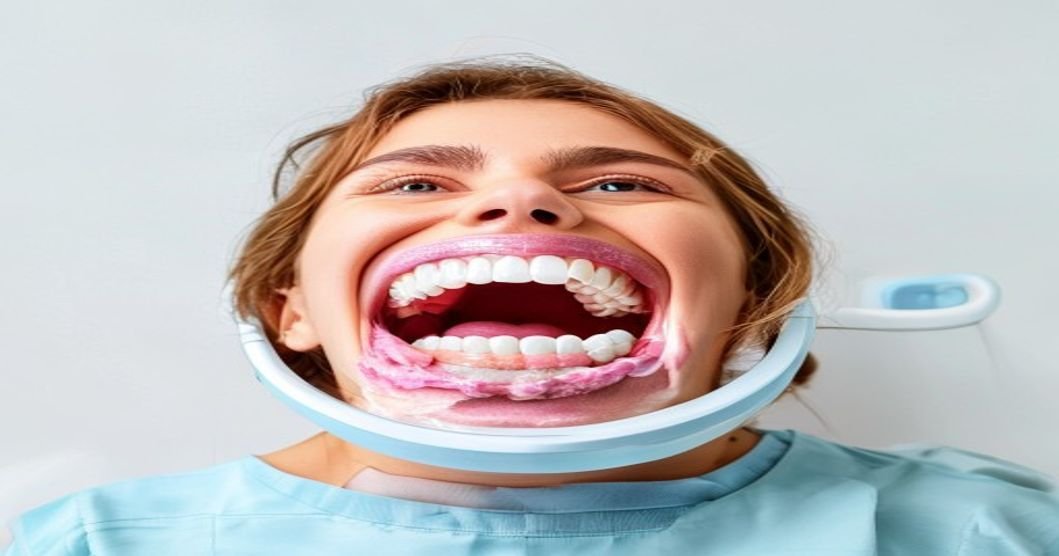
Learn the key differences between canker sores vs cold sores, including symptoms, treatment options, costs, and when to see a dentist for relief.
Mouth sores are a common and painful problem, but knowing the difference between Canker Sores vs Cold Sores is the first step toward effective relief. Many people confuse these two conditions because they both cause discomfort in the mouth. However, they have entirely different causes, locations, and treatment plans. Understanding Canker Sores vs Cold Sores helps you choose the right care and avoid unnecessary complications. This comprehensive guide is designed for patients who are currently experiencing mouth ulcers or blister-like lesions. It is also highly valuable for caregivers and parents managing oral health for their families. By reading this article, you will learn how to identify each condition accurately. You will also discover evidence-based treatment options, realistic cost estimates, and clear guidance on when to seek professional dental care. We will break down complex dental and medical terminology into plain, easy-to-understand language. Our goal is to empower you with actionable knowledge. You will know exactly what to expect during a dental visit for mouth sores. Ultimately, recognizing the signs of Canker Sores vs Cold Sores early can save you time, money, and significant discomfort.
| Topic | Key Point |
|---|---|
| Primary Cause | Canker sores are non-contagious immune responses. Cold sores are caused by the contagious Herpes Simplex Virus (HSV-1). |
| Location | Canker sores appear inside the mouth on soft tissues. Cold sores typically form on the outer lips or vermilion border. |
| Contagion Risk | Canker sores cannot be spread to others. Cold sores are highly contagious through direct contact or shared items. |
| Healing Time | Canker sores usually heal on their own within 7 to 14 days. Cold sores follow a similar timeline but may crust and scab. |
| Professional Diagnosis | A dentist can visually diagnose most cases, but may use a viral swab test if the presentation is atypical. |
| Treatment Focus | Canker sore treatment focuses on pain relief and reducing inflammation. Cold sore treatment focuses on antiviral therapy. |
| Prevention | Avoiding acidic foods and managing stress helps prevent canker sores. Sun protection and avoiding triggers prevent cold sores. |
| When to Seek Care | Seek professional help if sores last longer than two weeks, are unusually large, or are accompanied by a high fever. |
Understanding Canker Sores vs Cold Sores requires looking at the fundamental differences in oral anatomy and disease pathology. While both conditions affect the mouth, they involve different tissues and biological mechanisms. This distinction is critical for effective oral health care and proper treatment.Canker sores, medically known as aphthous ulcers, are shallow, painful lesions that develop exclusively on the non-keratinized oral mucosa. This includes the inner lining of the cheeks, the inside of the lips, the base of the gums, the soft palate, and under the tongue. They are not caused by a virus. Instead, they are believed to be an autoimmune response triggered by minor tissue trauma, stress, hormonal shifts, or certain acidic foods. Because they are not infectious, you cannot catch a canker sore from another person.Cold sores, also called fever blisters, are caused by the Herpes Simplex Virus type 1 (HSV-1). These lesions typically appear on the keratinized tissue of the mouth. This includes the outer edges of the lips (the vermilion border), the corners of the mouth, and occasionally the hard palate or attached gums. Cold sores begin as fluid-filled blisters that eventually burst, ooze, and form a yellowish crust before healing. Unlike canker sores, cold sores are highly contagious. The virus can be transmitted through kissing, sharing utensils, or even touching the sore and then touching another part of the body.Differentiating between Canker Sores vs Cold Sores is a routine but vital part of dental diagnostics. Misidentifying a cold sore as a canker sore can lead to accidental transmission of the virus to family members. Conversely, treating a canker sore with antiviral medication will be completely ineffective. A proper diagnosis ensures that the treatment aligns with the underlying cause, promoting faster healing and protecting your overall oral health.
Recognizing the early warning signs helps you determine whether you need professional evaluation for Canker Sores vs Cold Sores. While mild cases often resolve with home care, certain symptoms warrant a prompt visit to your dentist.
If you develop round or oval sores with a white or yellow center and a red border inside your mouth, you likely have a canker sore. These ulcers cause a sharp, stinging pain, especially when eating, drinking, or talking. If the pain is severe enough to prevent you from maintaining normal hydration or nutrition, you should call a dentist promptly. Mild discomfort that improves after a few days can usually be monitored at home.
A hallmark sign of an impending cold sore is a localized tingling, itching, or burning sensation on or around the lips. This “prodrome” phase occurs 12 to 24 hours before a visible blister forms. If you feel this sensation and have a history of cold sores, you should contact your dentist or doctor immediately. Early antiviral intervention is most effective during this specific window.
Systemic symptoms like swollen lymph nodes in the neck, mild fever, or general body aches often accompany a primary cold sore outbreak. This is especially common in children or individuals experiencing their first HSV-1 infection. If you experience a high fever, difficulty swallowing, or signs of dehydration alongside mouth sores, you must seek urgent dental or medical care. This is not a situation to wait out at home.
Most benign mouth sores, whether canker or cold, heal completely within 10 to 14 days. If a sore persists beyond this timeframe, grows unusually large, or continues to spread, it requires professional evaluation. Prolonged ulcers can sometimes indicate a more serious underlying condition, such as a nutritional deficiency, an autoimmune disorder, or, in rare cases, oral cancer. Never ignore a mouth sore that refuses to heal.
While “Canker Sores vs Cold Sores” refers to a diagnostic comparison rather than a single surgical operation, the clinical evaluation and treatment process follows a structured, predictable protocol. Here is exactly what you can expect from your initial consultation through full recovery.
Understanding the advantages and potential drawbacks of professional treatment for Canker Sores vs Cold Sores helps you make an informed decision about your oral health care.
The cost of evaluating and treating mouth sores varies based on the specific services rendered. Below is a breakdown of realistic 2024-2025 US market rates, which remain the standard baseline for 2026 pricing.
| Item / Service | Average Cost (no insurance) | Typical Insurance Coverage | Notes |
|---|---|---|---|
| Initial Consultation and Exam | $75 – $150 | 80% – 100% | Billed under ADA codes D0120 or D0140. |
| Viral Swab Test (if needed) | $50 – $120 | 50% – 80% | Billed as D1999 (unspecified procedure, by report). |
| Topical Prescription Medication | $30 – $60 | 50% – 80% | Cost varies depending on the specific pharmacy and generic availability. |
| Oral Antiviral Medication | $40 – $90 | 50% – 80% | Medical insurance often covers this better than dental insurance. |
| Low-Level Laser Therapy (LLLT) | $100 – $250 per session | 0% – 50% | Often considered an elective or advanced therapeutic procedure. |
| Follow-up Evaluation Visit | $50 – $100 | 80% – 100% | Usually only necessary for severe, non-healing, or complex cases. |
| Typical Total Range | $295 – $770 | Varies widely | Depends on the combination of services required. |
The main factors that cause cost variation include geography, provider specialty, materials used, and case complexity. Patients in major urban centers or high-cost-of-living areas will typically see fees at the higher end of these ranges. Conversely, rural clinics may charge less. Furthermore, an oral pathologist or a dentist with advanced laser certification may charge a premium for their specialized expertise compared to a general dentist. Finally, a simple, single canker sore requires minimal intervention, while a severe, recurrent cold sore outbreak requiring multiple medications and laser sessions will naturally cost more.
Navigating dental insurance for mouth sore treatment is generally straightforward, but it requires understanding how plans categorize these services. Applicable ADA Procedure Codes: Dentists typically use code D0120 (Periodic Oral Evaluation) or D0140 (Limited Oral Evaluation – Problem Focused) for the initial exam. If a viral swab or specialized treatment is performed, code D1999 (Unspecified Preventive Procedure, by Report) or a specific therapeutic code may be applied.Plan Types and Coverage:
Waiting Periods and Predetermination: Diagnostic exams rarely have waiting periods. However, if your dentist recommends an expensive, non-routine treatment like multiple LLLT sessions, your insurance might require a predetermination of benefits. This is a pre-authorization process where the dentist submits a treatment plan to the insurance company to confirm exactly what will be covered before you begin. You should always request this for costs exceeding $300.Tips for Patients Without Insurance: If you are uninsured, ask your dental office about in-house membership or discount plans, which can reduce examination costs by 15% to 20%. Additionally, local dental schools often provide diagnostic and treatment services at a fraction of private practice costs. For prescription medications, utilize discount programs like GoodRx to lower out-of-pocket pharmacy costs. Many clinics also offer third-party financing options like CareCredit for interest-free payment plans.
While professional dental treatment is highly effective, patients and dentists may consider several alternative or complementary approaches depending on the severity and frequency of the outbreaks.
Over-the-counter (OTC) products containing benzocaine, hydrogen peroxide, or protective hydrocolloid patches are widely available. They are preferred for mild, infrequent canker sores where the pain is manageable. The approximate cost is $5 to $15 per tube or box. The key tradeoff is that while they provide temporary numbing, they do not actively accelerate the biological healing process or address the root cause like prescription treatments do.
For cold sores, oral antiviral medications like valacyclovir or acyclovir are the gold standard alternative to in-office procedures. They are preferred for patients who experience frequent, severe cold sore outbreaks. The approximate cost is $40 to $90 per prescription. The key tradeoff is that these medications require a prescription, must be taken at the very first sign of tingling to be effective, and can cause mild systemic side effects like headaches.
As mentioned, LLLT is an in-office alternative to waiting for natural healing or relying solely on medications. It is preferred for patients who want immediate pain relief and the fastest possible healing time. The approximate cost is $100 to $250 per session. The key tradeoff is the higher upfront cost and the fact that it requires a physical visit to a dental office equipped with specific diode laser technology, which not all general dentists possess.
For recurrent canker sores, altering your diet and oral care routine is a foundational alternative to medical intervention. This involves switching to a sodium lauryl sulfate (SLS)-free toothpaste, avoiding highly acidic or spicy foods, and managing stress. The cost is minimal to zero. The key tradeoff is that this approach requires significant long-term discipline and patience, and it may not be sufficient to stop an active, painful outbreak that is already present.
Proper aftercare is essential to ensure your mouth heals quickly and to prevent the recurrence of Canker Sores vs Cold Sores. Follow these practical guidelines to protect your oral tissues.First 24 Hours
Days 2-7
Long-Term Care
Red-Flag Symptoms
Call your dentist or doctor immediately if you experience:
Choosing the right dental professional ensures you receive an accurate diagnosis and effective, compassionate care. Consider these factors when making your selection:
Questions to Ask at Your Consultation:
No, canker sores are absolutely not contagious. They are an inflammatory response of the immune system, often triggered by stress, minor mouth injuries, or certain foods. You cannot spread a canker sore to another person through kissing, sharing drinks, or using the same utensils. Cold sores, however, are caused by the Herpes Simplex Virus (HSV-1) and are highly contagious, especially when the blister is present, weeping, or crusting.
The fastest way to resolve a canker sore is to seek professional dental treatment early. A dentist can apply a protective barrier or prescribe a high-potency topical corticosteroid paste, which drastically reduces inflammation. In-office Low-Level Laser Therapy (LLLT) is also highly effective, often neutralizing the pain and accelerating tissue repair within minutes. At home, frequent warm saltwater rinses and avoiding acidic foods will support this professional treatment.
Yes, stress is a well-documented primary trigger for both conditions, though the biological mechanisms differ. For canker sores, high stress levels can weaken the local immune response in the oral mucosa, making it more susceptible to inflammatory ulcers. For cold sores, stress suppresses the overall immune system, allowing the dormant Herpes Simplex Virus hiding in the nerve ganglia to reactivate and travel to the surface of the skin, causing a blister outbreak.
Dentists primarily diagnose the difference through a visual clinical examination and a thorough review of your medical history. Canker sores appear as shallow, white or yellow ulcers with a red halo strictly on the soft, movable tissues inside the mouth. Cold sores present as clusters of fluid-filled blisters on the outer lips or hard, keratinized tissues. If the visual presentation is atypical or ambiguous, the dentist may perform a painless viral swab test to confirm the presence of HSV-1.
Currently, there is no permanent cure for either condition. The Herpes Simplex Virus remains dormant in the body’s nerve cells for life, meaning cold sores can potentially recur. Similarly, individuals prone to canker sores often have a genetic or immunological predisposition that makes them susceptible to recurrent aphthous ulcers. However, with proper professional management, trigger avoidance, and prompt treatment, outbreaks can be made rare, mild, and short-lived.
You should see a dentist first for any sore located primarily inside the mouth, on the gums, tongue, or inner cheeks, as dentists are specialists in oral mucosal diseases. Dentists are uniquely trained to differentiate between benign ulcers, traumatic injuries, and early signs of oral pathology. You should see a medical doctor if the sores are exclusively on the external skin of the face, if you have a high systemic fever, or if the sores are accompanied by a widespread skin rash.
For some individuals, yes. Many commercial toothpastes contain a foaming agent called sodium lauryl sulfate (SLS). Research has shown that SLS can strip away the protective mucous layer lining the inside of the mouth. This irritation can trigger the development of canker sores in susceptible people or make existing sores significantly more painful. Switching to an SLS-free toothpaste is a highly recommended, low-cost preventive measure for recurrent canker sore sufferers.
Understanding the critical differences between Canker Sores vs Cold Sores is essential for effective pain management and optimal oral health. Canker sores are non-contagious inflammatory ulcers inside the mouth, while cold sores are contagious viral blisters typically found on the outer lips. Accurate diagnosis by a licensed dental professional ensures you receive the correct treatment, whether that involves topical anesthetics, prescription antivirals, or advanced laser therapy. Delaying treatment for persistent mouth sores can lead to unnecessary pain, secondary infections, and a prolonged healing process. Early intervention is almost always less expensive and more effective than waiting for a severe outbreak to develop. If you are experiencing a mouth sore that is painful, persistent, or confusing, do not rely on guesswork. Schedule a consultation with a licensed dentist today to receive a definitive diagnosis and a personalized, evidence-based treatment plan.