Physical Address
304 North Cardinal St.
Dorchester Center, MA 02124
Physical Address
304 North Cardinal St.
Dorchester Center, MA 02124

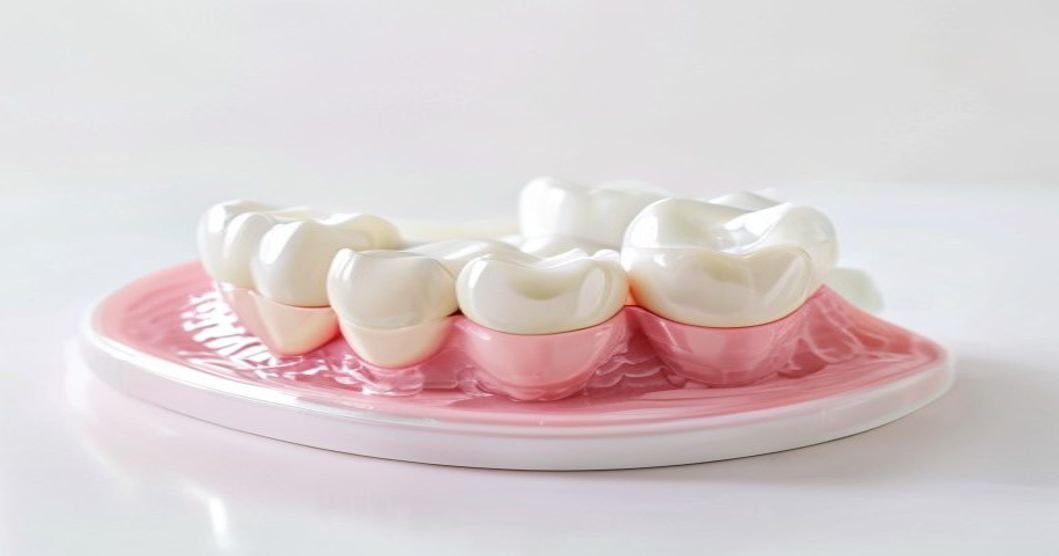
Learn everything about Dental Inlays and Onlays, including costs, procedure steps, benefits, and aftercare. Make an informed choice for your smile today.
Have you been told you need a restoration that is bigger than a standard filling but smaller than a full dental crown? You might be an ideal candidate for Dental Inlays and Onlays. These custom-made, indirect restorations are a cornerstone of modern conservative dentistry. They repair damaged teeth while preserving as much healthy, natural tooth structure as possible. If you are experiencing moderate tooth decay, a fractured cusp, or an old, failing silver filling, this guide is specifically for you. In this article, you will learn exactly what Dental Inlays and Onlays are, how the clinical procedure works, and what to expect during your recovery. We will also break down the typical costs in the United States, explain insurance coverage, and detail the best ways to care for your new restoration long-term. Understanding your dental options empowers you to make the best, most informed decision for your oral health. Whether you are researching for yourself or a loved one, this comprehensive overview provides clear, actionable, and dentally accurate information based on current American Dental Association (ADA) guidelines. We will cover everything from the initial consultation to long-term maintenance. Let us explore how these durable restorations can save your tooth, prevent further decay, and restore your confident, pain-free smile for years to come.
| Topic | Key Point |
|---|---|
| Definition | Custom restorations fitting between the cusps (inlay) or over the cusps (onlay) of a damaged tooth. |
| Primary Benefit | Preserves significantly more healthy tooth structure compared to a full coverage dental crown. |
| Materials Used | Typically crafted from durable porcelain, ceramic, composite resin, or high-strength gold alloys. |
| Procedure Time | Usually requires two separate visits spaced 1 to 3 weeks apart for custom laboratory fabrication. |
| Average Cost | Ranges from $650 to $1,500 per tooth, depending heavily on the material chosen and geographic location. |
| Insurance Coverage | Often covered at 50% to 80% under major dental insurance plans, subject to annual maximums and deductibles. |
| Expected Lifespan | With proper daily care and regular checkups, high-quality inlays and onlays can last 10 to 30 years. |
| Daily Aftercare | Requires standard brushing, daily flossing, and avoiding excessively hard or sticky foods initially. |
Dental Inlays and Onlays are specialized, custom-made restorations used to repair teeth that have moderate to severe decay or structural damage. Unlike a standard dental filling, which is molded directly into the tooth during a single visit, inlays and onlays are fabricated in a professional dental laboratory or with advanced in-office milling technology. This custom fabrication process makes them “indirect” restorations.To understand the difference, it helps to know basic tooth anatomy. The raised, pointed parts of your back teeth used for chewing are called cusps. An inlay fits precisely within the center of the tooth, resting safely between these cusps. It is essentially a high-strength, custom-made filling designed to restore the tooth’s natural chewing surface. An onlay, sometimes referred to as a partial crown, is slightly larger. It extends over one or more of the tooth’s cusps to provide additional structural support. This distinction is crucial for your treatment plan. If the damage is confined to the center of the chewing surface, an inlay is sufficient. However, if the decay or fracture compromises the structural integrity of the cusps, an onlay is required to prevent the tooth from splitting under normal biting pressure.These restorations are typically crafted from highly durable, biocompatible materials. Porcelain and ceramic are the most popular choices today. They can be precisely color-matched to blend seamlessly with your natural teeth, offering excellent aesthetics. Gold alloys are another outstanding option, renowned for their unmatched durability and gentle wear on opposing teeth, though they are less popular due to their metallic appearance. Composite resin is also used, offering a practical balance of aesthetics and affordability.The primary goal of choosing Dental Inlays and Onlays is to practice conservative dentistry. When a cavity is too large for a regular filling, a traditional approach might recommend a full crown. However, placing a crown requires grinding down the entire visible portion of the tooth. Inlays and onlays only require the removal of the specific decayed or damaged area. By preserving the maximum amount of healthy, natural tooth structure, these restorations maintain the tooth’s overall strength and vitality. This approach not only protects the tooth from future fractures but also promotes better long-term oral health.
Recognizing the early signs of tooth damage can save you from more extensive and expensive procedures later. Here are the most common indicators that you might need this type of restoration.
When tooth decay progresses beyond the outer enamel and into the softer dentin layer, it creates a cavity. If this cavity is too large for a standard filling but has not yet reached the inner pulp of the tooth, an inlay or onlay is the ideal solution. It provides a stronger seal than a large filling, preventing bacteria from leaking back into the tooth.
Chewing on hard objects, like ice or hard candy, can cause the cusps of your back teeth to crack. A cracked cusp often causes sharp pain when you bite down and release. An onlay is specifically designed to cover and protect these fractured cusps, binding the tooth together and preventing the crack from spreading deeper into the root.
Old silver amalgam fillings expand and contract with temperature changes. Over time, this can cause the surrounding natural tooth structure to crack or the filling itself to fracture. If your dentist notices a failing restoration during a routine exam, replacing it with a custom inlay or onlay is a proactive way to reinforce the tooth before it breaks completely.
If you experience lingering sensitivity to hot, cold, or sweet foods, it may indicate that a large filling is leaking or that decay is undermining the restoration. While mild sensitivity can sometimes wait for a scheduled checkup, sharp or throbbing pain requires prompt attention. Call your dentist immediately if the pain becomes severe or is accompanied by swelling, as this could indicate a dental infection.
Understanding the steps of the procedure can help alleviate any dental anxiety. The process typically spans two visits over a few weeks.
Like all dental procedures, this treatment comes with specific advantages and potential drawbacks. Understanding both helps you make an informed choice.
The cost of this procedure varies based on several factors. Below is a breakdown of typical out-of-pocket expenses in the United States based on current national averages.
| Item / Service | Average Cost (no insurance) | Typical Insurance Coverage | Notes |
|---|---|---|---|
| Initial Consultation & X-Rays | $75 – $150 | 80% – 100% | Often covered under preventive or basic diagnostic benefits. |
| Inlay/Onlay (Composite Resin) | $650 – $900 | 50% | Less expensive, but may not be as durable or stain-resistant as ceramic. |
| Inlay/Onlay (Porcelain/Ceramic) | $900 – $1,500 | 50% | The most popular choice for optimal strength and natural aesthetics. |
| Inlay/Onlay (Gold Alloy) | $1,000 – $1,600 | 50% | Highly durable and gentle on opposing teeth, but less aesthetically pleasing. |
| Temporary Restoration | $50 – $100 | 50% – 80% | Usually bundled into the overall procedure cost by many dental offices. |
| Follow-up Adjustment Visit | $0 – $75 | 100% | Often included in the primary procedure fee; charged only if extensive adjustment is needed. |
| Total Typical Range (per tooth) | $725 – $1,650 | Patient pays ~$360 – $825 | Assumes a 50% insurance coverage after the annual deductible is met. |
The main factors that cause cost variation include geography, provider specialty, materials used, and case complexity. Dental practices in major metropolitan areas like New York City or San Francisco typically charge 20% to 40% more than practices in rural or suburban areas due to higher overhead costs. Additionally, a specialist, such as a prosthodontist, may charge more than a general dentist due to their advanced training. Finally, the choice of material significantly impacts the price, with gold and high-strength ceramics commanding a premium over composite resins.
Yes, dental insurance typically covers Dental Inlays and Onlays, but the extent of coverage depends on your specific plan. These procedures are generally classified under “major restorative services” by insurance companies. The most common ADA procedure codes used for billing are D2530 (Inlay – porcelain/ceramic, indirect) and D2540 (Onlay – porcelain/ceramic, 2 surfaces, indirect).Preferred Provider Organization (PPO) and indemnity plans usually cover these procedures at 50% of the allowable fee, after you have met your annual deductible. Health Maintenance Organization (HMO) plans may cover a set copayment amount, but you must use an in-network provider. Be aware of waiting periods. Many insurance plans impose a 6 to 12-month waiting period for major services before you can claim benefits. Additionally, coverage is always subject to your plan’s annual maximum, which typically ranges from $1,000 to $2,000. If you have already met this maximum for the year, you will be responsible for the full cost.It is highly recommended to request a predetermination of benefits before starting treatment. Your dentist will submit the treatment plan and X-rays to your insurance company, who will then return a written estimate of exactly what they will pay. This prevents unexpected financial surprises.For patients without dental insurance, there are several viable options. Dental schools often provide high-quality care at a significantly reduced rate, as procedures are performed by supervised students. Dental discount plans offer an annual membership fee in exchange for 15% to 50% off standard procedure rates. Finally, many dental offices offer third-party payment plans through services like CareCredit, allowing you to pay for the procedure in manageable monthly installments, often with zero interest for a promotional period.
Depending on the extent of the damage, your dentist may discuss other treatment options. It is important to understand the tradeoffs of each alternative.
A traditional filling is a “direct” restoration placed and shaped directly into the cavity during a single visit.
A dental crown is a “cap” that completely encases the entire visible portion of the tooth above the gum line.
Veneers are thin shells of porcelain or composite resin bonded to the front surface of the teeth.
This involves removing the damaged tooth entirely and replacing it with a titanium post and a crown.
Proper aftercare is essential to ensure the longevity and comfort of your new restoration. Follow these guidelines to protect your investment.First 24 Hours:
Days 2-7:
Long-term Care:
Red-Flag Symptoms:
Call your dentist immediately if you experience severe, throbbing pain that is not relieved by medication, visible swelling in your gums or face, a persistent bad taste in your mouth, or if the restoration feels loose or falls out completely.
Choosing the right provider is critical for a successful, long-lasting outcome. Consider these factors when making your decision:
Questions to Ask at Your Consultation:
With proper oral hygiene and regular dental checkups, high-quality porcelain or gold inlays and onlays can last anywhere from 10 to 30 years. Composite resin options may have a slightly shorter lifespan, typically around 5 to 10 years, as they are more prone to wear and staining over time. Avoiding habits like teeth grinding and chewing on hard objects will significantly extend the life of your restoration.
No, the procedure should not be painful. Your dentist will administer a local anesthetic to completely numb the tooth and surrounding gum tissue before beginning any work. You may feel pressure or vibration during the preparation and scanning phases, but you should not feel sharp pain. After the anesthesia wears off, mild soreness or temperature sensitivity is normal for a few days but can be easily managed with over-the-counter pain relievers.
Traditionally, the process requires two visits spaced a few weeks apart to allow for laboratory fabrication. However, many modern dental offices now offer same-day inlays and onlays using CAD/CAM technology, such as CEREC. This technology allows the dentist to digitally scan your tooth, design the restoration on a computer, and mill it from a solid block of ceramic right in the office, all within a single 2-hour appointment.
Neither is universally “better”; the choice depends on your priorities. Porcelain and ceramic are highly preferred for their superior aesthetics, as they can be perfectly color-matched to blend invisibly with your natural teeth. Gold, however, is technically superior in terms of durability. It is incredibly strong, does not fracture easily, and wears down at a rate similar to natural enamel, making it gentler on opposing teeth. Gold is often recommended for second molars where aesthetics are less visible.
If your restoration falls out, contact your dentist immediately to schedule a repair. Do not attempt to glue it back in yourself with household adhesives, as this can damage the tooth and introduce toxins. Keep the area clean by gently rinsing with warm salt water. If you have the dislodged restoration, bring it with you to the appointment, as the dentist may be able to re-cement it if it is undamaged and the underlying tooth is still healthy.
Once the onlay is permanently bonded and any initial sensitivity has subsided, it is designed to withstand normal chewing forces. However, you should still exercise caution. Consistently chewing on extremely hard objects like ice cubes, hard candy, popcorn kernels, or using your teeth to open packages can generate forces that exceed the strength of the ceramic material, potentially causing it to chip or fracture.
You should clean an inlay or onlay exactly as you clean your natural teeth. Brush twice a day with a soft-bristled toothbrush and fluoride toothpaste. Floss daily, but use a gentle technique: slide the floss down between the teeth and pull it out sideways rather than snapping it upward, which could catch the edge of the restoration. Using an antimicrobial mouthwash can also help reduce plaque buildup around the margins of the restoration.
Dental Inlays and Onlays represent the ideal middle ground in restorative dentistry, offering a solution that is significantly stronger than a traditional filling yet far more conservative than a full dental crown. By preserving your healthy, natural tooth structure, these custom-crafted restorations protect your tooth from future fractures and decay. They provide excellent durability, superior aesthetics, and long-term cost effectiveness when properly maintained. If you suspect you have a large cavity, a cracked cusp, or a failing filling, do not delay treatment. Early intervention is almost always less expensive, less invasive, and more effective than waiting for the damage to worsen. We strongly encourage you to schedule a consultation with a licensed, experienced dentist to evaluate your specific needs. A professional examination and digital X-rays are the only ways to determine if an inlay or onlay is the right choice to restore your oral health and protect your smile for decades to come.