Physical Address
304 North Cardinal St.
Dorchester Center, MA 02124
Physical Address
304 North Cardinal St.
Dorchester Center, MA 02124

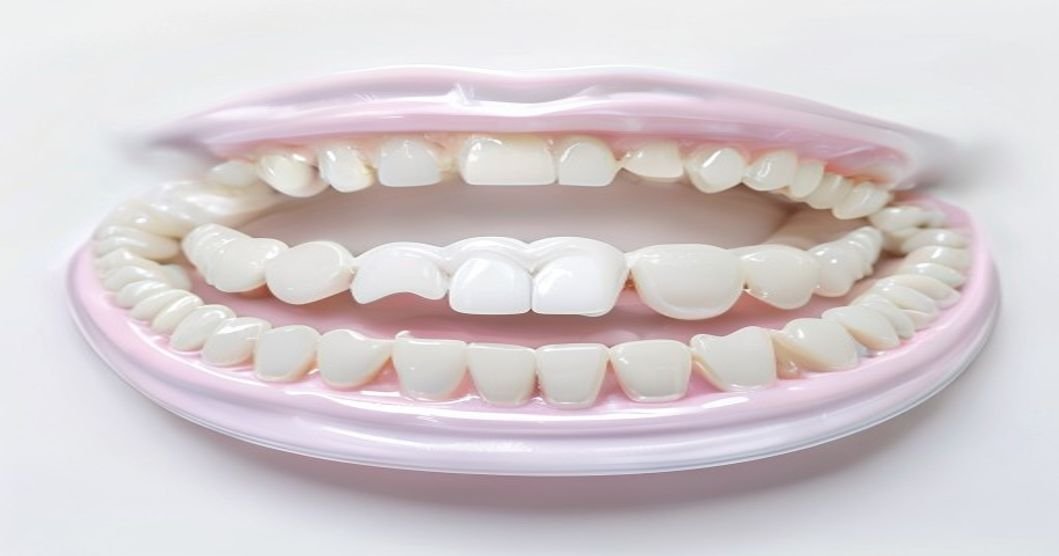
Protect your smile with custom Mouth Guards for Sports. Learn about costs, benefits, insurance coverage, and how to choose the best athletic mouthguard.
Every year, millions of athletes suffer preventable dental injuries on the field, court, or rink. Investing in high-quality Mouth Guards for Sports is one of the most effective ways to protect your smile, jaw, and soft tissues from sudden impact. Whether you are a weekend warrior or a competitive athlete, understanding your protective options is crucial for long-term oral health. The American Dental Association (ADA) strongly recommends the use of protective mouthguards for participants in a wide variety of sports and recreational activities. Athletes who do not wear a mouthguard are 60 times more likely to suffer harm to their teeth than those who do. This comprehensive guide explores everything you need to know about athletic mouth protection. You will learn about the different types of guards available, the step-by-step fitting procedure, realistic average costs, and how dental insurance coverage works. We will also cover essential aftercare tips to keep your investment in top condition. By the end of this article, you will be fully equipped to make an informed decision about safeguarding your oral health during physical activity.
| Topic | Key Point |
|---|---|
| Primary Purpose | To absorb and distribute impact forces, preventing tooth fractures, avulsions, and soft tissue injuries. |
| Best Type Available | Custom-fitted mouthguards made by a dentist offer the highest level of protection, comfort, and durability. |
| Average Cost | A professional custom mouthguard typically ranges from $300 to $600, depending on materials and location. |
| Insurance Coverage | Many dental PPO plans cover 50% to 80% of the cost under ADA code D9941, though HMOs may vary. |
| Procedure Time | The initial consultation and digital scanning take about 30 to 45 minutes, with no anesthesia required. |
| Lifespan | A well-maintained custom mouthguard lasts 1 to 2 years, or until significant dental changes occur. |
| When to Replace | Replace immediately if the guard shows tears, becomes loose, or after a significant growth spurt in children. |
| Maintenance | Clean daily with a soft toothbrush and mild soap; avoid hot water to prevent warping the material. |
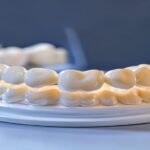
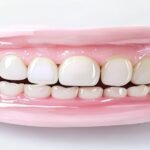
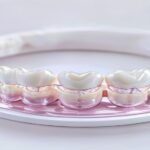
Mouth Guards for Sports are specialized protective dental devices designed to fit over the upper teeth and gums. Their primary function is to act as a shock absorber during physical activity. When an impact occurs, the mouthguard distributes the force across a wider area. This prevents the energy from concentrating on a single tooth or a specific part of the jaw.Understanding the dental anatomy involved highlights why this protection is so vital. The visible part of your tooth is covered by enamel, the hardest substance in the human body. However, enamel can still crack or chip under high-velocity impact. Beneath the enamel lies the dentin, which is softer and contains microscopic tubes leading to the pulp. The pulp houses the tooth’s nerves and blood vessels. A severe blow can damage the pulp, leading to intense pain, infection, or the need for a root canal. In worst-case scenarios, a tooth can be completely knocked out, an injury known as an avulsion. Beyond the teeth, mouthguards protect the soft tissues of the mouth. Without a guard, a sudden impact can crush the lips, cheeks, or tongue against the sharp edges of the teeth. This often results in deep lacerations that may require sutures. Furthermore, a properly fitted mouthguard helps stabilize the lower jaw. This reduces the risk of temporomandibular joint (TMJ) injuries and may help mitigate the forces that contribute to jaw fractures. While they are not a guaranteed shield against concussions, some studies suggest they help reduce the severity of lower-jar impacts that can contribute to mild traumatic brain injuries.There are three main categories of athletic mouthguards. Stock mouthguards are pre-formed and ready to wear, but they offer poor fit and minimal protection. Boil-and-bite guards are softened in hot water and molded to the teeth by the user, offering a moderate fit. Custom-fitted mouthguards are fabricated in a dental laboratory based on precise impressions of your teeth, providing superior retention, comfort, and protection.
Determining when you need protective gear is straightforward if you evaluate your lifestyle and dental history. Below are the most common indicators that you should invest in professional mouth protection.
If you regularly play football, ice hockey, lacrosse, rugby, or martial arts, a mouthguard is non-negotiable. These sports involve a high risk of direct facial impact from equipment, balls, or other players. Even in limited-contact sports like basketball, soccer, or baseball, accidental elbows or falls can cause severe dental trauma.
If you have previously chipped, cracked, or knocked out a tooth, your risk for future injury is elevated. Existing dental work, such as crowns, bridges, or veneers, can also be easily damaged by impact. A custom mouthguard provides a tailored shield that accommodates and protects these restorations.
Patients undergoing orthodontic treatment are at a uniquely high risk for oral injuries. A blow to the face can drive the brackets and wires of braces into the soft tissues of the lips and cheeks, causing significant lacerations. Additionally, impact can break the orthodontic appliances, delaying treatment and increasing costs.
Some athletes unconsciously clench their jaws during intense physical exertion. This can lead to TMJ pain, headaches, and excessive wear on the tooth enamel. A professionally made mouthguard can provide a balanced biting surface, reducing muscle strain and protecting the teeth from nocturnal or activity-related bruxism.When to Call a Dentist Promptly: If you experience a dental injury during sports, such as a loose tooth, severe pain, or a cut that will not stop bleeding, contact your dentist or seek emergency medical care immediately. For routine protection, schedule a consultation before the start of your athletic season.
Getting a custom athletic mouthguard is a straightforward, painless process. Here is a step-by-step walkthrough of what you can expect from the initial consultation to full recovery.
Like any medical or dental device, athletic mouthguards come with specific advantages and potential drawbacks. Understanding both helps you make an informed choice.
The cost of athletic mouth protection varies based on the type of guard and the provider. Below is a breakdown of typical expenses for a professional, custom-fitted mouthguard in the United States.
| Item / Service | Average Cost (no insurance) | Typical Insurance Coverage | Notes |
|---|---|---|---|
| Initial Consultation | $75 – $150 | 80% – 100% (often waived) | Includes oral exam and treatment planning. |
| Digital Impressions / Scanning | $50 – $100 | 50% – 80% | Fee for capturing the 3D model of your teeth. |
| Custom Mouthguard Fabrication | $300 – $600 | 50% – 80% | The main cost; varies by material thickness and layers. |
| Follow-up Adjustment Visit | $0 – $75 | 80% – 100% | Often included in the fabrication fee; charged if extensive reshaping is needed. |
| Replacement Guard (if lost) | $300 – $600 | 50% (subject to frequency limits) | Insurance may only cover one replacement per 12 to 24 months. |
| Protective Carrying Case | $10 – $25 | 0% | Usually provided by the dentist at no extra charge. |
| Typical Total Range | $425 – $850 | Patient pays ~$150 – $300 | Out-of-pocket cost depends heavily on individual plan details. |
Factors Causing Cost Variation:
Geography plays a significant role in pricing. Dental services in major metropolitan areas like New York City or San Francisco will naturally command higher fees than those in rural or midwestern regions. Provider specialty also affects cost; a general dentist may charge less than a prosthodontist or a dentist specializing in sports dentistry. The materials used are another major factor. A basic, single-layer custom guard will be less expensive than a multi-layered, shock-absorbing laminate designed for high-impact collision sports. Finally, the complexity of the case matters. Patients with extensive dental work, braces, or unique anatomical considerations may require additional laboratory time and specialized materials, increasing the overall price.
Navigating dental insurance can be confusing, but understanding the basics can help you maximize your benefits. Applicable ADA Procedure Codes:
Dentists typically use the ADA procedure code D9941 (“Fabrication of athletic mouthguard”) to bill for this service. In some cases, if the guard is also designed to address nighttime clenching, code D9940 (“Occlusal guard, by report”) might be applied, though D9941 is the standard for sports-specific devices.Plan Types and Coverage:
Dental PPO (Preferred Provider Organization) plans are the most likely to cover a portion of the cost. They typically cover 50% to 80% of the fee after your annual deductible is met. HMO (Health Maintenance Organization) plans may offer a fixed copay or require a referral from a primary care dentist, and coverage can be more restrictive. Indemnity plans usually reimburse a set percentage of the “usual and customary” fee in your area.Waiting Periods and Percentages:
Unlike major restorative work, athletic mouthguards are often classified under “minor prosthetics” or “preventive adjunctive services.” Many plans do not impose a waiting period for these services, meaning you can use your benefits immediately. However, some plans may limit coverage to one mouthguard per 12 or 24 months.Predetermination of Benefits:
A predetermination (or pre-authorization) is a request sent by your dentist to your insurance company before the procedure is performed. The insurer reviews the treatment plan and returns an estimate of what they will pay. It is highly recommended to request a predetermination for custom mouthguards, as it prevents unexpected out-of-pocket expenses.Tips for Patients Without Insurance:
If you are uninsured, do not let cost deter you from protecting your smile. Consider seeking treatment at an accredited dental school, where supervised students provide high-quality care at a significantly reduced rate. Dental discount plans (like Careington or Aetna Dental Access) offer immediate percentage discounts on services for a low annual membership fee. Additionally, many dental offices offer third-party financing options through companies like CareCredit or Sunbit, allowing you to pay for the mouthguard in manageable, interest-free monthly installments.
While custom-fitted guards are the gold standard, there are alternative options that patients and dentists might consider based on budget, age, or specific athletic needs.
Proper care of your custom mouthguard ensures it remains hygienic, retains its shape, and provides optimal protection season after season. First 24 Hours:
Days 2-7:
Long-Term Care:
Red-Flag Symptoms:
Contact your dentist immediately if you experience persistent jaw pain, notice that your teeth feel loose, observe signs of oral infection (such as swelling or pus), or if the mouthguard no longer fits snugly and falls out during use.
Choosing the right dental professional is critical to ensuring your mouthguard is effective and comfortable. Consider the following factors when making your selection:
Questions to Ask at Your Consultation:
A well-maintained custom sports mouthguard typically lasts between one and two years. However, its lifespan depends on several factors. The frequency of use, the intensity of the sport, and how well you clean and store the device all play a role. For children and teenagers, the mouthguard may need to be replaced sooner due to natural jaw growth and the eruption of new permanent teeth, which can alter the fit of the appliance.
Yes, and it is highly recommended. In fact, protecting your mouth is even more critical when you have braces. A standard mouthguard may not fit properly over brackets and wires. You should inform your dentist about your orthodontic treatment so they can fabricate a specialized orthodontic mouthguard. These are designed with extra material to accommodate the braces, protecting both your teeth and the soft tissues of your cheeks and lips from being cut by the hardware.
Many dental insurance plans do provide partial coverage for custom athletic mouthguards. They are typically billed under the ADA code D9941. Coverage varies by plan, but a typical PPO plan may cover 50% to 80% of the cost after your deductible is met. It is essential to contact your insurance provider or ask your dental office to submit a predetermination of benefits to confirm your specific out-of-pocket responsibility before the procedure begins.
To clean your mouthguard, rinse it with cool water before and after every use. At least once a day, brush it gently with a soft-bristled toothbrush and a mild, non-abrasive liquid soap or a specialized mouthguard cleaning solution. Avoid using regular toothpaste, as it is too abrasive and can scratch the surface, creating hiding spots for bacteria. Once a week, you can soak it in a denture cleaner or mouthguard cleaning tablet. Always let it air dry completely before storing it in its ventilated case.
The relationship between mouthguards and concussion prevention is a subject of ongoing scientific research. While a mouthguard cannot prevent the brain from moving inside the skull, some studies suggest that a properly fitted mouthguard may help absorb and dissipate some of the impact forces transmitted through the lower jaw to the base of the skull. While it should not be relied upon as a primary concussion-prevention device, it is a valuable component of overall head and facial safety in contact sports.
If you lose your mouthguard, contact your dentist immediately. Do not attempt to play without it, as your risk of dental injury skyrockets. Your dentist can often expedite the fabrication of a replacement. If you have digital scans on file, the process can be faster since new impressions may not be necessary. Check your dental insurance policy, as many plans cover one replacement mouthguard per year, though you may be responsible for a copay or deductible.
No, over-the-counter mouthguards are not as effective as custom-fitted ones. Stock and boil-and-bite guards are mass-produced and cannot account for the unique anatomy of your teeth and bite. They are often bulky, which can interfere with breathing and speech, and they require you to clench your jaw to keep them in place. Custom mouthguards, fabricated from precise dental impressions, offer superior retention, comfort, and shock absorption, making them the clear choice for serious athletes.
Investing in high-quality Mouth Guards for Sports is one of the most proactive and cost-effective decisions you can make for your long-term oral health. The evidence is clear: custom-fitted mouthguards provide superior protection against tooth fractures, soft tissue lacerations, and jaw injuries compared to over-the-counter alternatives. While the initial investment may seem higher, it pales in comparison to the thousands of dollars required to repair or replace damaged teeth. The process of obtaining a custom guard is simple, painless, and requires only a short visit to your dentist for digital scanning and fitting. With proper daily cleaning and storage, your mouthguard will serve as a reliable shield for multiple athletic seasons. Do not wait for a preventable injury to occur on the field or court. Schedule a consultation with a licensed dental professional today to discuss your specific needs, explore your insurance benefits, and get fitted for a custom athletic mouthguard. Early intervention and proper preparation are always less expensive and more effective than managing the aftermath of a severe dental trauma.