Physical Address
304 North Cardinal St.
Dorchester Center, MA 02124
Physical Address
304 North Cardinal St.
Dorchester Center, MA 02124

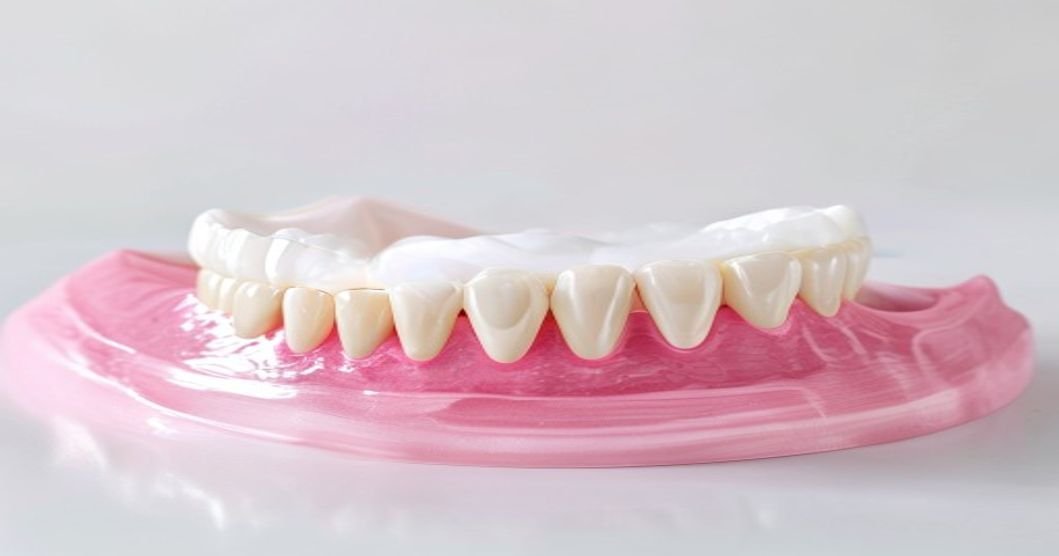
Discover safe Teeth Whitening for Sensitive Teeth. Learn about costs, desensitizing treatments, ADA guidelines, and how to get a brighter smile pain-free.
Millions of people desire a brighter, more confident smile, but tooth sensitivity often stands in the way. Fortunately, Teeth Whitening for Sensitive Teeth is a safe, highly effective solution designed specifically to brighten your smile without causing discomfort. This specialized approach combines gentle whitening agents with advanced desensitizing technologies to protect your enamel and nerves. If you experience sharp pains when consuming hot or cold foods, traditional whitening methods might seem impossible. However, modern dentistry offers tailored protocols that minimize irritation while maximizing aesthetic results. Whether your sensitivity stems from natural enamel thinning, gum recession, or previous reactions to harsh chemicals, there is a viable path forward.This comprehensive guide explores everything you need to know about safely brightening a sensitive smile. You will learn about the clinical science behind gentle whitening, the step-by-step professional procedure, and realistic cost expectations. We will also cover essential aftercare tips to maintain your results and prevent future discomfort. By the end of this article, you will be fully equipped to make an informed decision about achieving a radiant smile without the pain.
| Topic | Key Point |
|---|---|
| Primary Purpose | To safely lighten tooth discoloration while actively preventing or minimizing dentin hypersensitivity. |
| Best Method Available | Professionally supervised whitening using low-concentration peroxide gels paired with potassium nitrate or fluoride desensitizers. |
| Average Cost | A complete professional sensitive whitening protocol typically ranges from $300 to $800, depending on the method. |
| Insurance Coverage | Generally considered cosmetic and not covered, though associated desensitizing treatments (ADA code D9972) may be partially covered. |
| Procedure Time | An in-office session takes about 60 to 90 minutes, including preparation, desensitizing, and gel application cycles. |
| Lifespan of Results | Results typically last 1 to 3 years, heavily dependent on dietary habits and oral hygiene routines. |
| When to Avoid Whitening | Avoid whitening if you have untreated cavities, active gum disease, or severe, unexplained tooth pain. |
| Maintenance | Use sensitive-formula whitening toothpaste, avoid highly pigmented foods for 48 hours, and attend regular dental cleanings. |
Teeth Whitening for Sensitive Teeth is a specialized cosmetic dental procedure designed to lighten tooth color while actively protecting the nerve of the tooth. Standard whitening products rely on high concentrations of hydrogen peroxide or carbamide peroxide. While effective, these chemicals can temporarily open the microscopic pores in your enamel, leading to fluid movement inside the tooth and triggering sharp pain.To understand why this happens, we must look at basic dental anatomy. The outer layer of your tooth is called enamel. It is the hardest substance in the human body, but it is semi-translucent. Beneath the enamel lies the dentin, which is naturally yellow and contains thousands of microscopic tubes called dentinal tubules. These tubules lead directly to the pulp chamber, where the tooth’s nerves and blood vessels reside. When enamel wears down or gums recede, these tubules become exposed. Whitening gels can penetrate these tubules, irritating the nerve and causing the classic “zing” of sensitivity.Professional Teeth Whitening for Sensitive Teeth addresses this biological reality directly. Dentists achieve this by using lower concentrations of whitening agents, typically ranging from 10% to 15% carbamide peroxide, compared to the 35% to 40% used in standard in-office treatments. Furthermore, these gentle gels are often compounded with desensitizing ingredients. Potassium nitrate is a common additive that works by calming the nerve endings inside the tooth. Fluoride is another critical component, as it helps remineralize the enamel and physically plug the open dentinal tubules, blocking the pathway for pain signals.This dual-action approach ensures that the oxidation process, which breaks down stain molecules, occurs slowly and safely. The result is a visibly brighter smile achieved without the debilitating discomfort that often causes patients to abandon traditional whitening treatments prematurely.
Determining if you require a specialized approach to teeth whitening is crucial for a pain-free experience. Below are the most common indicators that you should seek professional, sensitivity-focused treatment.
If you have previously tried drugstore whitening strips, trays, or toothpaste and experienced sharp, shooting pains, this is a major red flag. Over-the-counter products are one-size-fits-all and often use unregulated peroxide concentrations. A history of adverse reactions to these products strongly indicates the need for a professionally managed, desensitizing protocol.
As we age, or due to aggressive brushing, the gum line can recede. This exposes the root surface of the tooth, which is covered by cementum, not enamel. Cementum is much softer and highly porous. Whitening exposed roots without professional desensitizing agents can cause severe, lingering pain. If you notice your teeth looking “longer” or see yellow areas near the gums, you need a specialized approach.
Frequent consumption of acidic foods, sodas, or citrus fruits can gradually erode tooth enamel. Additionally, conditions like acid reflux or bulimia accelerate this wear. Thinner enamel means the whitening gel is closer to the nerve. Patients with visible enamel erosion require careful evaluation and a modified whitening strategy to prevent irreversible nerve damage.
Many patients simply know they have sensitive teeth and want to avoid the risk altogether. If you desire the dramatic, uniform results of professional whitening but are anxious about the side effects, a customized sensitive whitening plan is the ideal solution. When to Call a Dentist Promptly: If you experience spontaneous tooth pain, pain that lingers for more than a few seconds after a hot or cold stimulus, or pain when biting down, do not attempt to whiten your teeth. These are signs of underlying issues like decay, cracked teeth, or nerve infection. Schedule an evaluation immediately to address the root cause before considering any cosmetic procedures.
Undergoing professional whitening for sensitive teeth is a controlled, comfortable process. Here is a step-by-step walkthrough of what you can expect from the initial consultation to full recovery.
Like any dental treatment, specialized whitening protocols come with specific advantages and potential drawbacks. Understanding both helps you set realistic expectations.
The cost of sensitivity-friendly whitening varies based on the method chosen and the provider. Below is a breakdown of typical expenses for professional treatment in the United States.
| Item / Service | Average Cost (no insurance) | Typical Insurance Coverage | Notes |
|---|---|---|---|
| Initial Consultation & Exam | $75 – $150 | 80% – 100% (often waived) | Includes X-rays and sensitivity evaluation. |
| In-Office Desensitizing Treatment | $50 – $100 | 50% – 80% | Often billed under ADA code D9972. |
| Custom Take-Home Whitening Trays | $200 – $400 | 0% – 50% | Includes impressions and low-concentration gel. |
| In-Office Whitening Session | $400 – $800 | 0% (Considered cosmetic) | Lower concentration gels may cost slightly less than standard Zoom. |
| Desensitizing Toothpaste (Professional) | $15 – $30 | 0% | Recommended for 2 weeks post-procedure. |
| Follow-Up Adjustment or Touch-Up | $0 – $75 | 0% | Often included in the initial package price. |
| Typical Total Range | $300 – $900 | Patient pays ~$250 – $850 | Out-of-pocket cost depends heavily on the chosen method. |
Factors Causing Cost Variation:
Geography plays a significant role in pricing. Dental services in major metropolitan areas like New York City or San Francisco will naturally command higher fees than those in rural or midwestern regions. Provider specialty also affects cost; a general dentist may charge less than a prosthodontist or a cosmetic dentistry specialist. The materials used are another major factor. A basic take-home tray kit will be less expensive than an in-office session that utilizes advanced nano-hydroxyapatite desensitizing pastes and multiple gel application cycles. Finally, the complexity of the case matters. Patients with severe recession may require additional gum protective treatments or longer desensitizing phases, increasing the overall price.
Navigating dental insurance for cosmetic procedures can be confusing, but understanding the distinctions can help you maximize any available benefits.Applicable ADA Procedure Codes:
The whitening procedure itself is typically billed under ADA code D9973 (“Take-home, custom bleaching tray”) or D9974 (“In-office bleaching”). These are almost universally classified as cosmetic and are not covered by insurance. However, the preparatory desensitizing treatment can be billed under ADA code D9972 (“In-office application of desensitizing medicament”), which is sometimes covered as a therapeutic procedure.Plan Types and Coverage:
Dental PPO (Preferred Provider Organization) plans are the most likely to cover the diagnostic and therapeutic portions of your visit, such as the initial exam (D0120) and the desensitizing varnish (D9972). They typically cover 50% to 80% of these specific fees. HMO (Health Maintenance Organization) plans may cover the exam but rarely cover any whitening-related materials. Indemnity plans usually reimburse a set percentage of the “usual and customary” fee for the exam, but deny the cosmetic codes.Waiting Periods and Percentages:
For the covered therapeutic codes (like the exam or desensitizing treatment), many PPO plans do not impose a waiting period. However, if your plan has an annual maximum (often $1,000 to $1,500), these costs will count toward that limit. The whitening gels and trays themselves will remain an out-of-pocket expense.Predetermination of Benefits:
A predetermination is a request sent by your dentist to your insurance company before the procedure. While not strictly necessary for the cosmetic portion, it is highly recommended for the diagnostic and desensitizing codes. This ensures you know exactly what the insurance will pay, preventing unexpected bills for the preparatory steps.Tips for Patients Without Insurance:
If you are uninsured, there are still affordable ways to achieve a brighter smile safely. Consider seeking treatment at an accredited dental school, where supervised students provide high-quality care at a significantly reduced rate. Dental discount plans (like Careington or Aetna Dental Access) offer immediate percentage discounts on both cosmetic and therapeutic services for a low annual membership fee. Additionally, many dental offices offer third-party financing options through companies like CareCredit or Sunbit, allowing you to pay for the treatment in manageable, interest-free monthly installments.
If professional desensitizing whitening is still not a viable option, or if you desire a different type of aesthetic improvement, there are alternative treatments to consider.
Proper care following your whitening procedure is essential to maintain your new shade and prevent the return of sensitivity. First 24 Hours:
Days 2-7:
Long-Term Care:
Red-Flag Symptoms:
Contact your dentist immediately if you experience severe, throbbing pain that keeps you awake, sensitivity that worsens after 48 hours instead of improving, or visible blistering or chemical burns on your gums. These are not normal side effects and require professional evaluation.
Choosing the right dental professional is critical to ensuring your whitening experience is safe, comfortable, and effective. Consider the following factors when making your selection:
Questions to Ask at Your Consultation:
Yes, you can absolutely whiten your teeth if you have sensitivity, provided you use the correct approach. The key is to avoid high-concentration, over-the-counter bleaching products. Instead, opt for a professionally supervised treatment that utilizes lower concentrations of peroxide combined with desensitizing agents like potassium nitrate or fluoride. A dentist can evaluate the root cause of your sensitivity to ensure whitening is safe for your specific situation.
The best whitening toothpaste for sensitive teeth contains both a mild polishing agent and a proven desensitizing ingredient. Look for products that feature potassium nitrate, stannous fluoride, or nano-hydroxyapatite. These ingredients work by blocking the microscopic tubules in the dentin, preventing pain signals from reaching the nerve. Avoid toothpastes labeled as “smoker’s” or “tartar control,” as they often contain harsh abrasives that can worsen sensitivity over time.
For most patients, any sensitivity experienced after professional whitening is mild and temporary. It typically peaks within the first 24 hours and subsides significantly within 48 to 72 hours. Using a desensitizing toothpaste immediately after the procedure and avoiding extreme hot or cold foods during this window can drastically reduce the duration and intensity of the discomfort. If pain persists beyond a week, contact your dentist.
When used correctly under professional supervision, hydrogen peroxide does not cause permanent damage to teeth, even those that are sensitive. The American Dental Association (ADA) has confirmed the safety of peroxide-based whitening when guidelines are followed. The temporary sensitivity is a result of fluid movement within the dentinal tubules, not permanent nerve damage. The enamel naturally rehydrates and remineralizes shortly after the treatment is complete.
You can use whitening strips if you have sensitive teeth, but you must choose products specifically formulated for sensitivity. These “gentle” or “sensitive” versions contain a much lower concentration of hydrogen peroxide (usually around 3% to 6%) compared to regular strips. While they are safer, they still carry a risk of irritation. It is always best to consult your dentist before starting any at-home whitening regimen to ensure your gums and enamel are healthy enough for the treatment.
Teeth hurt when drinking cold water after whitening because the peroxide gel temporarily increases the porosity of the enamel. This allows the cold stimulus to travel more easily through the microscopic dentinal tubules directly to the nerve of the tooth. Additionally, the whitening process temporarily dehydrates the tooth, making it more reactive to temperature changes. This is a normal, reversible side effect that resolves as the tooth rehydrates and the tubules are sealed by saliva or fluoride.
Laser or LED light-activated whitening can be safe for sensitive teeth, but it requires careful management. The light is intended to accelerate the chemical reaction of the whitening gel, potentially reducing the time the gel needs to stay on the teeth. However, the light can also generate heat, which may exacerbate sensitivity in some patients. A skilled dentist will monitor the temperature closely, use lower-concentration gels, and apply robust desensitizing protocols to ensure the light activation remains comfortable and safe.
Investing in Teeth Whitening for Sensitive Teeth is a highly effective way to achieve a radiant, confident smile without enduring unnecessary discomfort. The evidence is clear: professionally supervised treatments that combine low-concentration peroxide with advanced desensitizing agents provide superior, pain-free results compared to harsh over-the-counter alternatives. While the initial investment may be higher than drugstore options, the customized care ensures the long-term health of your enamel and gums.The process of obtaining a professional whitening treatment is straightforward, safe, and tailored to your unique biological needs. With proper daily maintenance, a white diet immediately following the procedure, and regular dental checkups, your brighter smile can last for years. Do not let the fear of sensitivity prevent you from achieving the aesthetic results you desire. Schedule a consultation with a licensed dental professional today to discuss your specific concerns, explore your options, and begin your journey toward a pain-free, brilliantly white smile. Early professional guidance is always more effective and safer than experimenting with unregulated products at home.