Physical Address
304 North Cardinal St.
Dorchester Center, MA 02124
Physical Address
304 North Cardinal St.
Dorchester Center, MA 02124

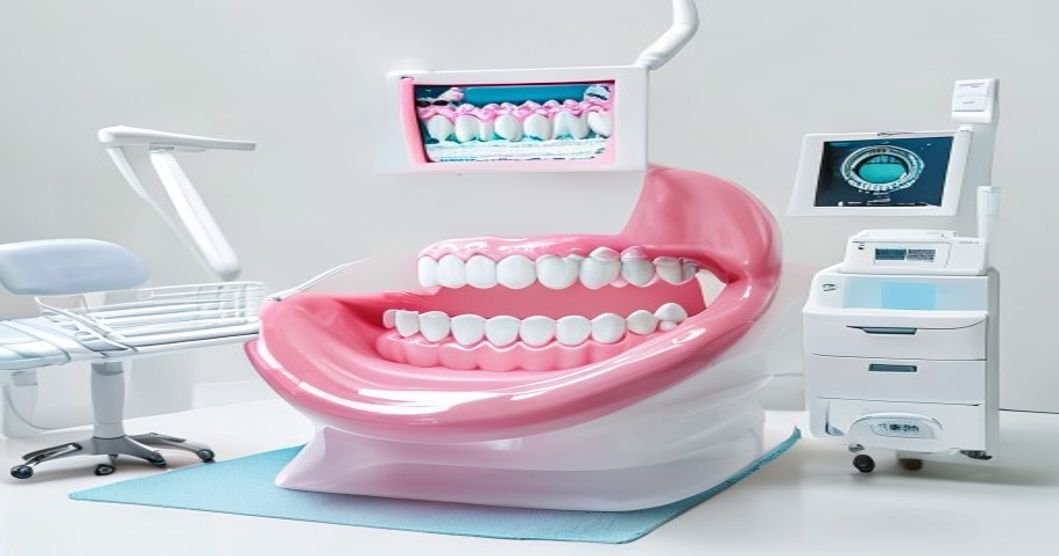
Discover exactly what happens if you don't brush your teeth, including the timeline of decay, treatment costs, and how to restore your oral health today.
Skipping your nightly routine might seem harmless for a night or two, but the biological consequences compound rapidly. Understanding exactly what happens if you don’t brush your teeth is crucial for preventing irreversible dental damage and avoiding costly medical procedures. When you neglect this basic hygiene habit, dental plaque—a sticky, colorless film of bacteria—begins to multiply aggressively on your tooth surfaces. Within mere hours, this bacteria metabolizes food particles and produces harsh acids that actively erode your protective enamel and irritate your delicate gum tissue.This guide is essential for anyone who has ever hit the snooze button and skipped brushing, parents teaching children proper habits, or individuals struggling with dental anxiety or physical limitations. You will learn the clinical timeline of dental neglect, the early warning signs of emerging problems, and the realistic financial costs of reversing the damage. We will explore the biological realities of plaque buildup, tartar formation, and periodontal disease based on American Dental Association (ADA) guidelines. By understanding what happens if you don’t brush your teeth, you can take proactive steps to protect your smile, avoid severe pain, and maintain your overall systemic health. Early intervention is always the most effective strategy for preserving your natural teeth.
If you are short on time, here is a quick, scannable summary of the most important facts about what happens if you don’t brush your teeth.
| Topic | Key Point |
|---|---|
| Plaque Formation | Plaque begins forming within 4 to 12 hours after your last brushing session. |
| Tartar Development | Unremoved plaque hardens into tartar (calculus) within 24 to 72 hours, requiring professional removal. |
| Gum Disease Onset | Gingivitis (gum inflammation) can develop in as little as one week of poor oral hygiene. |
| Enamel Erosion | Bacterial acids continuously demineralize tooth enamel, leading to irreversible cavities. |
| Systemic Health Risks | Chronic oral infections are linked to heart disease, diabetes complications, and respiratory issues. |
| Treatment Costs | Restoring damage from neglect can cost $1,000 to $5,000+ per tooth, compared to $150 for preventive care. |
| Reversibility | Early gingivitis is reversible with proper brushing, but advanced periodontitis and bone loss are permanent. |
To understand what happens if you don’t brush your teeth, it helps to know a little bit about dental biology. Your mouth is a complex ecosystem containing hundreds of species of bacteria. When you eat, especially carbohydrates and sugars, these bacteria feast on the leftover food particles trapped between your teeth and along the gumline. As they metabolize these sugars, they produce acidic byproducts as waste. If you brush regularly, you physically disrupt and remove this bacterial biofilm (plaque) before it can cause structural harm. However, when you skip brushing, this plaque is allowed to mature and thrive undisturbed. Within 24 to 72 hours, the minerals naturally present in your saliva interact with the plaque. This interaction causes the soft plaque to calcify and harden into tartar, also known as calculus. Unlike soft plaque, tartar bonds aggressively to the tooth enamel and root surfaces. No amount of home brushing or flossing can remove tartar once it forms. It requires specialized, sharp dental instruments used by a professional hygienist. As tartar accumulates, it acts as a physical wedge, pushing the gum tissue away from the teeth. This creates deep “periodontal pockets” that become ideal breeding grounds for anaerobic bacteria, which thrive without oxygen. These aggressive bacteria release potent toxins that trigger a chronic inflammatory response from your immune system. This persistent inflammation slowly destroys the periodontal ligament and the alveolar bone that anchors your teeth in your jaw. Understanding what happens if you don’t brush your teeth is fundamentally about understanding this cascade of destructive biological events. It is not merely about cosmetic staining or temporary bad breath. It is a progressive disease process that compromises the structural integrity of your entire mouth and can impact your whole-body health.
Only a licensed dentist can definitively diagnose the extent of dental damage after a clinical exam and X-rays. However, several common symptoms strongly indicate that your current hygiene routine is insufficient and that you are experiencing the effects of neglect.
Bad breath that does not go away after rinsing with water or using over-the-counter mints is a major red flag. The bacteria trapped in dental plaque and tartar produce volatile sulfur compounds, which cause a distinct, unpleasant odor. If your breath remains foul despite basic rinsing, it is time to seek professional care. This symptom can usually wait a few days for a scheduled appointment, but it should not be ignored, as it indicates active bacterial overgrowth.
Healthy gums should not bleed during normal oral hygiene routines or when eating firm foods. If you notice pink or red streaks on your toothbrush or dental floss, it is a primary sign of gingival inflammation. While occasional bleeding might just mean you brushed too aggressively, persistent bleeding is a hallmark of gingivitis. If this happens regularly, you should call your dentist promptly to schedule an evaluation, as it indicates the need for professional intervention.
If your teeth appear more yellow, brown, or dull than they used to, plaque and tartar are likely accumulating. Tartar is naturally porous and easily absorbs stains from coffee, tea, wine, and tobacco. Once these stains set into the hardened calculus, regular brushing will not remove them. You should contact your dentist within a few weeks for a professional cleaning to prevent the buildup from worsening and irritating your gums.
If you experience sharp, sudden zings of pain when consuming hot coffee, cold ice water, or sweet foods, your enamel may be compromised. Bacterial acids continuously demineralize the protective enamel layer, eventually exposing the sensitive dentin layer underneath. This symptom warrants a dental visit within a week or two, as early intervention with fluoride treatments can sometimes halt the progression before a cavity forms.
If you run your tongue over your teeth and they feel fuzzy, rough, or coated, plaque is actively building up. This tactile sensation is your body’s natural warning system indicating that the biofilm has reached a critical mass. While this is not a dental emergency, it is a clear signal that you need to resume a strict twice-daily brushing and daily flossing routine immediately to prevent tartar formation.
Knowing exactly what happens over time can significantly motivate better habits. Here is a step-by-step walkthrough of the biological timeline of what happens if you don’t brush your teeth.
Like all health behaviors, it is important to weigh the advantages of good habits against the potential drawbacks of neglect. Understanding the risks and benefits related to what happens if you don’t brush your teeth helps you make the best choice for your long-term health.
The cost of dental care can vary, but understanding the national averages helps you budget effectively. Below is a breakdown of the typical costs associated with reversing the damage of poor oral hygiene in the United States, based on 2024–2025 market rates.
| Item / Service | Average Cost (no insurance) | Typical Insurance Coverage | Notes |
|---|---|---|---|
| Comprehensive Exam & Full X-Rays | $150 – $300 | 80% – 100% | Required to assess hidden decay and bone loss. |
| Professional Dental Cleaning | $100 – $250 | 100% (Preventive) | Covered fully by most plans, usually twice per year. |
| Deep Cleaning (per quadrant) | $150 – $350 | 50% – 80% (Basic/Major) | Required if neglect has caused periodontal pockets. |
| Dental Filling (Composite) | $200 – $450 per tooth | 50% – 80% | Cost varies by tooth location and size of decay. |
| Dental Crown (per tooth) | $1,000 – $2,000 | 50% | Necessary when decay compromises the tooth structure. |
| Root Canal Therapy (per tooth) | $900 – $1,500 | 50% – 80% | Required if decay reaches the inner nerve of the tooth. |
| Simple Tooth Extraction | $150 – $400 | 50% – 80% | The last resort for a non-restorable, infected tooth. |
| Single Dental Implant with Crown | $3,000 – $5,000 | 10% – 50% (often excluded) | The premium solution for replacing a lost tooth. |
| Typical Total Range (Full Rehab) | $2,000 – $10,000+ | Varies by plan | Depends heavily on the number of affected teeth. |
The main factors that cause cost variation include geography, provider specialty, materials used, and case complexity. For example, procedures performed in major metropolitan areas like New York City or San Francisco will naturally cost 20% to 40% more than those in rural areas. Additionally, a specialist like an endodontist (for root canals) or a periodontist (for gum surgery) will charge higher fees than a general dentist due to their advanced training. The severity of your condition also plays a massive role; a single small filling is inexpensive, but neglecting your teeth until multiple root canals and crowns are needed will exponentially increase the final bill.
Navigating dental insurance can be confusing, but understanding the basics can save you hundreds of dollars when seeking restorative care. First, it helps to know the common ADA procedure codes. A regular cleaning is coded as D1110. A deep cleaning is D4341. A standard composite filling is D2391, a crown is D2740, a root canal is D3310, and a simple extraction is D7140. Most Preferred Provider Organization (PPO) and indemnity plans cover regular cleanings and exams at 100% as preventive care, usually with no waiting period. However, restorative procedures required due to neglect (like fillings, crowns, and root canals) are typically classified as “basic” or “major” care. Insurance companies usually cover 50% to 80% of basic care and around 50% of major care, but you must often meet your annual deductible first. Some HMO plans may require a referral from a primary dentist to a specialist for the procedure to be covered.Be highly aware of waiting periods. If you are enrolling in a new insurance policy, there may be a 6- to 12-month waiting period before major procedures like crowns or root canals are covered. Preventive care is usually covered immediately. Always request a predetermination of benefits (also called a pre-authorization) before undergoing extensive restorative work. Your dentist’s office will submit the proposed treatment plan and X-rays to your insurance company. The insurer will then return a written estimate of exactly what they will pay and what your out-of-pocket responsibility will be, preventing surprise bills. If you do not have dental insurance, do not skip treatment. Consider seeking care at an accredited dental school, where supervised students provide high-quality care at a fraction of the standard cost. You can also look into dental discount plans (which offer 20% to 50% off standard fees for an annual membership) or ask your dental office about third-party financing options like CareCredit or Sunbit, which often offer interest-free payment plans for 6 to 12 months.
If traditional brushing is difficult due to physical limitations, severe gag reflex, or sensory issues, there are alternative interventions a patient and dentist might consider to maintain oral health.
This involves a dentist applying a highly concentrated fluoride gel directly to the teeth to strengthen enamel and reverse early decay. It is preferred for patients who struggle with daily brushing but want to prevent cavities. The approximate cost is $30 to $75 per application. The key tradeoff is that it is a temporary protective measure; it does not remove existing plaque or tartar and must be paired with some form of mechanical cleaning to be truly effective.
SDF is a liquid brushed onto cavities to stop decay in its tracks without drilling. It is preferred for young children, elderly patients, or those with severe dental anxiety who cannot tolerate traditional restorative work. The approximate cost is $50 to $150 per tooth. The key tradeoff is that SDF permanently stains the decayed portion of the tooth black, making it a purely functional, non-cosmetic solution.
For individuals with arthritis, limited dexterity, or braces, a water flosser can effectively disrupt plaque biofilm where traditional brushing and flossing fail. It is preferred as an adjunct therapy for patients with physical limitations. The approximate cost is $40 to $100 for a quality device. The key tradeoff is that while excellent for flushing out debris, a water flosser does not provide the abrasive scrubbing action of bristles needed to fully remove sticky plaque from flat tooth surfaces.
Products like chlorhexidine gluconate are prescribed to aggressively reduce oral bacteria and treat active gum inflammation. They are preferred for short-term use following a deep cleaning or during periods when mechanical brushing is temporarily impossible (e.g., after jaw surgery). The approximate cost is $15 to $30 per bottle. The key tradeoff is that long-term use can cause significant tooth staining and alter your sense of taste, so it is never a permanent substitute for brushing.
If you are transitioning from a period of neglect to a proper oral hygiene routine, or if you have just received restorative dental treatment, proper aftercare is critical to your success. First 24 Hours:
Days 2–7:
Long-Term Care:
To protect the results of your renewed hygiene routine, you must commit to consistency. Consider upgrading to an electric toothbrush with a pressure sensor, which is clinically proven to remove more plaque than manual brushing. Floss or use interdental brushes daily without fail. Most importantly, adhere strictly to your dental visit schedule, seeing your provider every 3 to 6 months for professional monitoring and cleaning.Red-Flag Symptoms:
Call your dentist immediately if you experience:
Choosing the right provider can significantly impact your comfort, the quality of your results, and your overall experience, especially if you feel embarrassed about the state of your teeth. Consider these factors when making your decision:
Questions to Ask at Your Consultation:
Teeth do not “rot” overnight, but the destructive process begins immediately. Plaque forms within hours, and within 24 to 72 hours, it hardens into tartar. While it may take several months to a year for a cavity to fully penetrate the enamel and reach the sensitive inner layers of the tooth, the demineralization process starts within the first few weeks of neglect. The timeline accelerates significantly if you consume a diet high in sugar or acidic beverages.
You can reverse some damage, but not all of it. Early-stage gingivitis (gum inflammation) and microscopic enamel demineralization can be completely reversed by resuming a strict brushing and flossing routine, often aided by professional fluoride treatments. However, once a cavity has formed a physical hole in the tooth, or once periodontitis has caused permanent jawbone loss, that damage is irreversible. Professional dental intervention, such as fillings or deep cleanings, will be required to stop further destruction.
Brushing only once a day is better than not brushing at all, but it is generally insufficient for optimal oral health. Plaque begins to mature and produce harmful acids within 12 hours. If you only brush at night, you leave your teeth vulnerable to acid attacks throughout the day after meals. If you only brush in the morning, you leave the day’s food particles and bacterial buildup on your teeth overnight, which is when saliva flow decreases and decay risk is highest. Twice-daily brushing is the clinical standard.
Yes, it is entirely possible. While sugar is a primary fuel for cavity-causing bacteria, other carbohydrates like bread, crackers, chips, and even fruit contain starches that break down into simple sugars in the mouth. Additionally, acidic foods and beverages (like citrus, soda, or sports drinks) can directly erode tooth enamel through a process called acid erosion, independent of bacterial activity. Poor brushing habits leave these acids and food particles on the teeth, guaranteeing eventual damage.
If you stop brushing completely and permanently, yes, tooth loss is the eventual outcome. The unchecked bacterial growth will lead to severe, chronic periodontitis. This disease destroys the periodontal ligament and the alveolar bone that physically anchor your teeth in your jaw. Once enough bone is lost, the teeth will become loose, shift out of position, and ultimately fall out or require surgical extraction. This process typically takes several years but is entirely predictable without intervention.
Absolutely. The mouth is the gateway to the body, and chronic oral infections have well-documented systemic effects. The bacteria responsible for gum disease can enter the bloodstream through bleeding gums, contributing to the formation of arterial plaque and increasing the risk of heart disease and stroke. Furthermore, the chronic inflammation associated with periodontitis makes it significantly harder for the body to regulate blood sugar, worsening diabetes. There are also established links to respiratory infections and adverse pregnancy outcomes.
It is completely normal for inflamed gums to bleed when you first resume brushing. The best approach is to be gentle but consistent. Use an extra-soft bristled toothbrush and a fluoride toothpaste. Brush using gentle, circular motions at a 45-degree angle to the gumline for a full two minutes, twice a day. Do not stop brushing because of the bleeding; the bleeding is a sign that the area needs to be cleaned, not avoided. Within 7 to 10 days of consistent, gentle cleaning, the inflammation will subside, and the bleeding will stop.
Understanding exactly what happens if you don’t brush your teeth is a fundamental step in taking control of your long-term health. Neglecting this basic hygiene habit triggers a predictable, destructive cascade of biological events, starting with plaque accumulation and progressing to tartar buildup, gum disease, and eventual tooth loss. Recognizing the early warning signs, such as bleeding gums or persistent bad breath, can help you seek treatment before irreversible bone loss occurs. While the idea of facing a dentist after a period of neglect may cause anxiety, modern dental techniques and compassionate care make the restoration process highly manageable. The long-term benefits of preserving your natural teeth, improving your overall systemic health, and avoiding exorbitant costs far outweigh the temporary discomfort of re-establishing a routine. If you have fallen behind on your oral care, do not delay out of embarrassment. Schedule a consultation with a licensed dental professional today to discuss your specific needs, explore your insurance coverage, and take the first step toward a healthier, more stable smile. Early intervention is consistently the most effective and economical path to lifelong dental wellness.