Physical Address
304 North Cardinal St.
Dorchester Center, MA 02124
Physical Address
304 North Cardinal St.
Dorchester Center, MA 02124

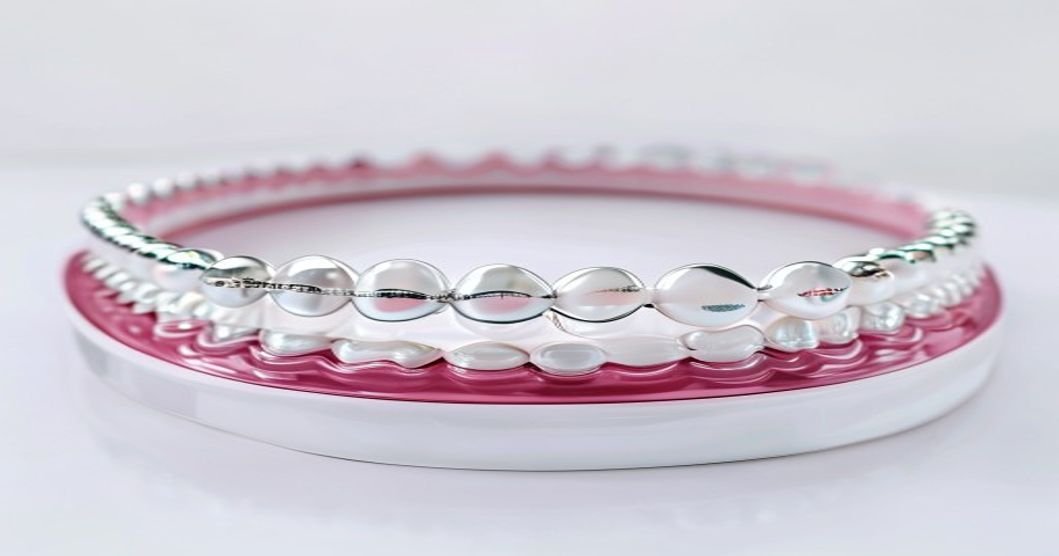
Discover the true cost of braces for adults, including treatment options, insurance coverage, and financing to confidently achieve your perfect smile today.
Crooked teeth, bite misalignments, and jaw discomfort are not just childhood concerns. Understanding the cost of braces for adults is the crucial first step toward achieving a straighter, healthier smile and preventing long-term dental complications. Many adults delay orthodontic treatment due to misconceptions about pricing, aesthetics, or the belief that it is too late to fix their teeth. However, modern orthodontics has evolved dramatically, offering discreet, comfortable, and highly effective solutions tailored specifically for mature patients. This comprehensive guide is designed for adults who are considering orthodontic treatment but feel overwhelmed by the financial and clinical details. You will learn exactly what drives the cost of braces for adults, from the initial 3D imaging and custom treatment planning to the final retainer phase. We will break down realistic pricing for different appliance types, explain how dental insurance applies to adult orthodontics, and explore alternative treatment options. By understanding the financial and clinical landscape of adult braces, you can make an informed, confident decision alongside your orthodontic care provider. Early intervention is almost always less expensive and more effective than waiting, as delaying treatment often leads to accelerated tooth wear, gum disease, and complex jaw issues.
If you are short on time, here is a quick, scannable summary of the most important facts about the cost of braces for adults and the treatment process.
| Topic | Key Point |
|---|---|
| Primary Goal | To correct malocclusion (bad bites), align teeth, and improve long-term oral health and function. |
| Ideal Candidate | Adults with healthy gums and adequate bone support who are committed to wearing retainers post-treatment. |
| Treatment Time | The average duration is 18 to 36 months, depending on the complexity of the case and appliance type. |
| Average Total Cost | Traditional metal braces typically cost between $3,000 and $7,000 out-of-pocket without insurance. |
| Insurance Coverage | Many PPO plans offer a lifetime orthodontic maximum (e.g., $1,500 to $3,000), but adult coverage varies. |
| Recovery Time | Initial adjustment takes 3 to 5 days of mild soreness; full treatment requires consistent monthly adjustments. |
| Longevity | Results are permanent only if you wear your prescribed retainers consistently for the rest of your life. |
| Financing Options | Flexible Spending Accounts (FSAs), Health Savings Accounts (HSAs), and in-house payment plans make care accessible. |
To understand the cost of braces for adults, it helps to know a little bit about dental anatomy and the mechanics of orthodontic movement. A malocclusion, or “bad bite,” occurs when the upper and lower teeth do not fit together properly. This can manifest as crowding, spacing, overbites, underbites, or crossbites. When teeth are misaligned, they are significantly harder to clean, leading to a higher risk of plaque buildup, tooth decay, and periodontal (gum) disease. The cost of braces for adults reflects the complexity of the biological process required to move teeth safely. Orthodontic treatment is not a one-time product purchase; it is a comprehensive, multi-year medical service. The total fee encompasses the expertise of a highly trained orthodontic specialist, advanced 3D digital imaging, custom treatment planning software, the physical appliances (brackets, wires, or aligners), and dozens of monthly adjustment appointments over several years. When an adult seeks orthodontic care, the treatment plan may also include preparatory procedures. For example, if the jaw is severely crowded, the orthodontist may need to coordinate with a general dentist for tooth extractions or the placement of temporary anchorage devices (TADs), which are mini-screws used to guide tooth movement. These additional clinical steps will naturally increase the overall cost of braces for adults. Understanding this cost means recognizing that you are investing in your long-term systemic health. Properly aligned teeth distribute chewing forces evenly, preventing premature enamel wear, jaw joint (TMJ) pain, and chronic headaches. While the upfront financial commitment is higher than cosmetic quick-fixes, the functional and health benefits make it a highly valuable investment in your quality of life.
Only a licensed orthodontist can definitively determine if you are a candidate for braces after a clinical exam and digital imaging. However, several common symptoms and situations strongly indicate that you should explore orthodontic treatment.
If your teeth are twisted, overlapping, or protruding at odd angles, you have dental crowding. This creates tight, unreachable spaces where plaque and tartar easily accumulate, drastically increasing your risk of cavities and gum disease. If you notice persistent bleeding when flossing between crowded teeth, you should call an orthodontist promptly to discuss alignment options before gum recession becomes permanent.
A misaligned bite occurs when the upper and lower jaws do not meet correctly. An overbite means the top teeth significantly overlap the bottom teeth, while an underbite is the reverse. A crossbite occurs when some upper teeth sit inside the lower teeth. These conditions place uneven stress on your jaw joints and teeth. You should seek an evaluation within a few weeks, as untreated bite issues can lead to chronic TMJ disorders and fractured teeth.
If you regularly experience pain, clicking, or popping in your jaw joint (the temporomandibular joint, or TMJ), or if you suffer from unexplained tension headaches, your bite may be the culprit. A misaligned bite forces your jaw muscles to work overtime to chew and speak. While this is not always a dental emergency, scheduling a consultation within a month can help identify if orthodontic correction can relieve your chronic discomfort.
If you find yourself avoiding certain foods because they are difficult to chew, or if you occasionally lisp or struggle with pronunciation, your tooth alignment may be interfering with normal function. This is a clear sign that your occlusion is compromised. You should contact an orthodontist promptly, as functional impairments can lead to digestive issues from poor chewing and social anxiety related to speech.
Many adults wore braces as children but did not wear their retainers as directed. Over time, teeth naturally shift back toward their original positions, a phenomenon known as orthodontic relapse. If you notice your teeth becoming crooked again or your retainer no longer fitting, you should schedule an evaluation soon. Minor relapse is much easier and less expensive to correct than waiting until the teeth have fully shifted back to their pre-treatment state.
Knowing exactly what will happen during your treatment can significantly reduce dental anxiety. Here is a step-by-step walkthrough of what to expect when undergoing the adult braces procedure.
Like all medical procedures, it is important to weigh the advantages against the potential drawbacks. Understanding the risks and benefits of adult orthodontics helps you make the best choice for your long-term health.
The total expense can seem daunting, but breaking it down into individual components provides clarity. Below is a detailed breakdown of the typical costs associated with adult orthodontic treatment in the United States, based on 2024–2025 market rates.
| Item / Service | Average Cost (no insurance) | Typical Insurance Coverage | Notes |
|---|---|---|---|
| Initial Consultation & Records | $100 – $300 | 80% – 100% | Often waived or applied toward total treatment cost. |
| Traditional Metal Braces | $3,000 – $7,000 | 50% (up to lifetime max) | Most affordable and effective for complex cases. |
| Ceramic (Clear) Braces | $4,000 – $8,000 | 50% (up to lifetime max) | Tooth-colored brackets for a more discreet appearance. |
| Lingual Braces | $8,000 – $10,000 | 50% (up to lifetime max) | Placed behind the teeth; highly customized and costly. |
| Clear Aligners (e.g., Invisalign) | $3,000 – $8,000 | 50% (up to lifetime max) | Removable, clear trays; cost varies by case complexity. |
| Tooth Extractions (if needed) | $150 – $400 per tooth | 50% – 80% | Performed by a general dentist or oral surgeon. |
| Permanent or Custom Retainers | $100 – $500 | 50% – 80% | Essential for maintaining results post-treatment. |
| Typical Total Range (Comprehensive) | $3,000 – $8,000 | Varies widely | Depends on appliance choice and case complexity. |
The main factors that cause cost variation include geography, provider specialty, materials used, and complexity of the case. For example, orthodontic treatment in major metropolitan areas like New York City or San Francisco will naturally cost 20% to 40% more than in rural areas due to higher practice overhead. Additionally, a board-certified orthodontist may charge higher fees than a general dentist offering braces, reflecting their advanced, specialized training in facial growth and tooth movement. The materials used also impact the price; custom-fabricated lingual braces or premium clear aligner systems cost significantly more than standard metal brackets. Finally, the complexity of your anatomy, such as the need for extractions or surgical assistance, will increase the overall investment.
Navigating dental insurance for orthodontics can be complex, but understanding the basics can help you maximize your benefits and minimize out-of-pocket expenses.First, it helps to know the common ADA procedure codes. Comprehensive orthodontic treatment for adolescents is coded as D8080, while comprehensive treatment for adults is coded as D8090. Limited orthodontic treatment is D8020.Historically, many dental plans excluded adult orthodontics entirely, viewing it as cosmetic. However, this is changing. Most Preferred Provider Organization (PPO) and indemnity plans now offer a “lifetime orthodontic maximum,” typically ranging from $1,000 to $3,000. This is a one-time benefit that can be used at any age. If your plan has this benefit, it will typically cover 50% of the orthodontic cost until that lifetime maximum is reached. HMO plans often have stricter limitations and may not cover adult braces at all.It is crucial to understand your plan’s waiting periods. Orthodontic benefits frequently have a 6- to 12-month waiting period before coverage begins. Additionally, some plans have an “age limit” clause, though this is becoming less common. Always request a predetermination of benefits before signing a contract. Your orthodontist’s office will submit a detailed narrative, the diagnostic records, and the proposed procedure code (D8090) to your insurance company. The insurer will then return a written estimate detailing exactly what they will pay and what your specific out-of-pocket responsibility will be.If you do not have dental insurance, do not let the cost of braces for adults prevent you from seeking care. You can utilize a Flexible Spending Account (FSA) or Health Savings Account (HSA) to pay for treatment with pre-tax dollars, effectively giving you a 20% to 30% discount. Additionally, most orthodontic offices offer in-house, interest-free monthly payment plans, and third-party healthcare financing companies like CareCredit frequently offer promotional 0% interest periods for 12 to 24 months.
Depending on your budget, aesthetic preferences, and the severity of your misalignment, your orthodontist might discuss alternative treatments. Here are four options to consider instead of traditional metal braces.
Clear aligners are a series of custom-made, removable, transparent plastic trays that gradually shift your teeth into place. They are preferred for adults who want a nearly invisible treatment option and the convenience of removing the trays to eat and brush. The approximate cost is $3,000 to $8,000. The key tradeoff is that they require strict patient compliance; you must wear them 20 to 22 hours per day, and they may not be suitable for severe rotations or complex bite corrections.
Ceramic braces function exactly like traditional metal braces, using brackets and wires to move teeth. However, the brackets are made of tooth-colored or clear polycrystalline alumina, making them much less noticeable. They are preferred for patients who need the robust corrective power of traditional braces but want a more discreet aesthetic. The approximate cost is $4,000 to $8,000. The key tradeoff is that ceramic brackets are slightly more brittle than metal and can stain if you consume heavily pigmented foods or drinks without proper cleaning.
Lingual braces are custom-made metal brackets and wires that are bonded to the back (lingual) surface of your teeth, making them completely invisible from the front. They are preferred for adults in highly visible professions (like actors or public speakers) who have complex orthodontic needs that aligners cannot address. The approximate cost is $8,000 to $10,000. The key tradeoff is that they are the most expensive option, can temporarily affect speech (causing a lisp), and may irritate the tongue more than front-facing braces.
For adults with only minor spacing or slight irregularities, porcelain veneers can be placed over the front of the teeth to create the illusion of a perfectly straight smile without moving the teeth at all. This is preferred for patients seeking an immediate aesthetic fix who do not have functional bite issues. The approximate cost is $900 to $2,500 per tooth. The key tradeoff is that this is a purely cosmetic solution that requires permanently shaving down healthy tooth enamel, and it does nothing to correct the underlying bite or improve long-term oral health.
Proper aftercare is critical to the success of your orthodontic treatment and the prevention of complications. Following your orthodontist’s instructions meticulously will ensure smooth progress and healthy teeth.First 24 Hours:
Days 2–7:
Long-Term Care:
To protect your investment, attend every scheduled adjustment appointment. Missing appointments prolongs your treatment time and can lead to unwanted tooth movements. Once your braces are removed, your long-term care shifts to retention. You must wear your prescribed retainers (usually full-time for the first 3 to 6 months, then nightly indefinitely) to prevent your teeth from shifting back.Red-Flag Symptoms:
Call your orthodontist immediately if you experience:
Choosing the right provider is the most critical factor in ensuring a safe, efficient, and aesthetically pleasing outcome. Consider these factors when making your decision:
Questions to Ask at Your Consultation:
The average cost of adult braces in the United States typically ranges from $3,000 to $7,000 for comprehensive treatment. This fee generally includes the initial consultation, all diagnostic records (X-rays and scans), the appliances themselves, all monthly adjustment appointments over the course of 18 to 36 months, and your final set of retainers. The exact price depends heavily on the type of braces chosen (metal, ceramic, or lingual) and the complexity of your specific orthodontic needs.
Many modern dental PPO plans do offer coverage for adult braces, but it is subject to specific limitations. Most plans provide a “lifetime orthodontic maximum,” which is a one-time benefit (often between $1,000 and $3,000) that can be used at any age. The insurance typically pays 50% of the cost until that maximum is reached. However, some plans still exclude adult orthodontics entirely or impose a 6- to 12-month waiting period. Always request a predetermination of benefits from your orthodontist to confirm your exact coverage.
The average treatment time for adults is typically between 18 and 36 months. Adult treatment can sometimes take slightly longer than childhood treatment because adult jawbones are fully developed and denser, meaning teeth move at a slightly slower, more deliberate pace. Additionally, adults may require more complex corrections for long-standing bite issues. Your orthodontist will provide a more accurate timeline estimate after your initial 3D diagnostic records are completed.
The level of discomfort is generally very similar, but adults may perceive it differently. You will experience mild to moderate soreness and pressure for 3 to 5 days after the braces are first placed and after each monthly adjustment. This is a normal sign that the teeth are moving. Adults sometimes report more initial discomfort simply because their periodontal ligaments are less flexible than a child’s. However, this soreness is highly manageable with over-the-counter pain relievers, soft foods, and orthodontic wax.
Yes, you can absolutely get braces if you have existing dental work. Orthodontists routinely treat patients with crowns, bridges, and missing teeth. In fact, braces are often used to create the ideal amount of space for a future dental implant or to properly align teeth before placing a new crown. Your orthodontist will use special bonding techniques to attach brackets to crowned teeth and will coordinate closely with your general dentist or prosthodontist to ensure your restorative and orthodontic treatments work together seamlessly.
The most cost-effective traditional option is standard metal braces, which are generally less expensive than ceramic, lingual, or clear aligner alternatives. To further reduce costs, consider using a Flexible Spending Account (FSA) or Health Savings Account (HSA) to pay with pre-tax dollars, effectively giving you a 20% to 30% discount. Additionally, many orthodontic offices offer interest-free in-house monthly payment plans, and dental schools often provide high-quality treatment at a significantly reduced rate under the supervision of experienced faculty.
Clear aligners, such as Invisalign, are highly effective for treating mild to moderate crowding, spacing, and certain bite issues in adults. For many patients, they produce results identical to traditional braces. However, for severe malocclusions, significant jaw discrepancies, or complex tooth rotations, traditional metal or ceramic braces are often more predictable and efficient. Your orthodontist will evaluate your specific anatomy during the consultation to determine which appliance will deliver the safest and most effective outcome for your unique case.
Understanding the true cost of braces for adults is essential for making a confident, informed decision about your oral health and self-confidence. While the upfront financial investment is higher than temporary cosmetic fixes, orthodontic treatment provides unparalleled, lifelong benefits. It corrects functional bite issues, makes daily oral hygiene significantly easier, prevents premature tooth wear, and protects your jaw joints from chronic strain. Breaking down the costs into clear components helps demystify the pricing and highlights the immense value of the specialized, multi-year care involved.Do not let financial concerns or the misconception that you are “too old” cause you to delay treatment. The longer you wait to address a misaligned bite, the more wear and tear your teeth and gums will endure, potentially leading to far more expensive restorative procedures down the road. We strongly encourage you to schedule a consultation with a licensed, board-certified orthodontist. Discuss your specific goals, explore your insurance benefits, and ask about flexible financing options. Taking proactive steps today is the most effective way to secure a healthy, functional, and beautiful smile for decades to come.