Physical Address
304 North Cardinal St.
Dorchester Center, MA 02124
Physical Address
304 North Cardinal St.
Dorchester Center, MA 02124

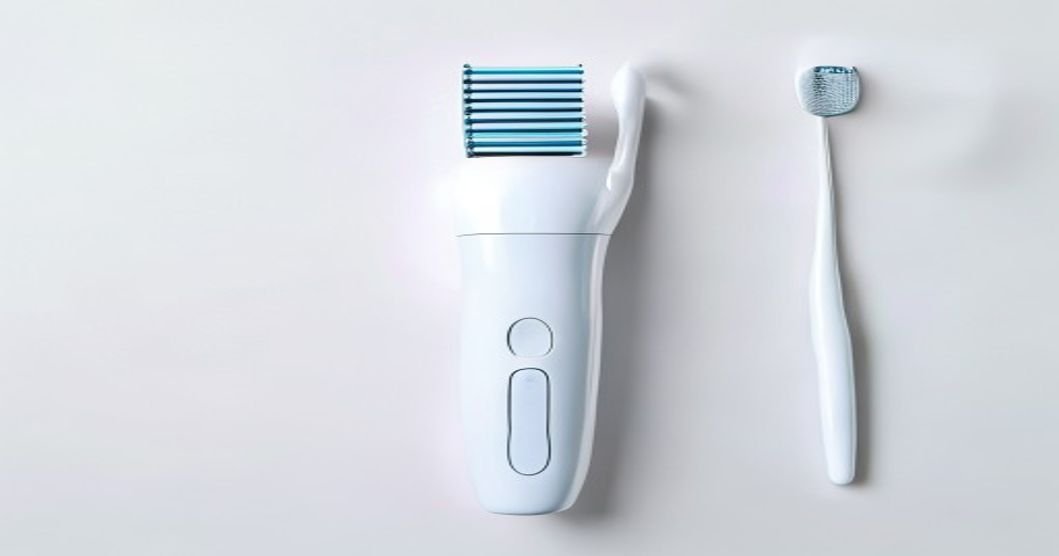
Discover the real differences between an electric toothbrush vs manual toothbrush. Learn about costs, benefits, and which option is best for your oral health.
Choosing the right tool for your daily oral hygiene routine is one of the most important decisions you can make for your long-term health. The debate of Electric Toothbrush vs Manual Toothbrush is a common topic in dental offices across the United States. Both options can effectively remove plaque and prevent gum disease, but they work in very different ways. Understanding the clinical differences, costs, and specific benefits of each will help you make an informed choice. This comprehensive guide will walk you through everything you need to know. You will learn about the mechanics of both brushing methods and the specific signs that indicate you should switch your routine. We will also break down the realistic costs, explain how dental insurance factors into your decision, and provide actionable aftercare tips. Whether you are a parent choosing for a child, an adult with dexterity issues, or simply someone looking to optimize their smile, reading this article will give you the confidence to select the best tool for your needs.
Establishing an effective daily hygiene routine is the foundation of preventive dental care. The comparison of Electric Toothbrush vs Manual Toothbrush is not just about personal preference. It is a critical evaluation of how well a tool can disrupt dental plaque and support your specific oral health goals. Many patients assume that as long as they brush twice a day, the type of brush does not matter. However, clinical research shows that the mechanics of the brush significantly impact plaque removal and gum health.During this guide, we will explore the exact clinical steps of transitioning between brushing methods. We will discuss the signs that indicate your current routine is failing to protect your teeth. You will also find detailed information on pricing, insurance coverage, and how to choose the right dental professional for personalized hygiene instruction. Let us dive into the essentials of optimizing your daily oral care.
| Topic | Key Point |
|---|---|
| Plaque Removal | Electric brushes remove up to 21% more plaque than manual brushes after three months of use. |
| Gum Health | Oscillating-rotating electric brushes significantly reduce gingivitis compared to manual brushing. |
| Ease of Use | Electric toothbrushes require less physical effort, making them ideal for patients with arthritis. |
| Built-in Timers | Most electric models include two-minute timers and quadrant pacers to ensure adequate brushing time. |
| Cost Over Time | Manual brushes cost $3–$10 each, while electric brushes cost $40–$250 upfront plus $10–$30 for replacement heads. |
| ADA Acceptance | Both manual and specific electric toothbrushes carry the ADA Seal of Acceptance for safety and efficacy. |
| Environmental Impact | Manual brushes generate more plastic waste, though electric brush heads also contribute to landfill volume. |
| Professional Recommendation | Dentists frequently recommend electric brushes for patients with a history of cavities or gum disease. |
The comparison of Electric Toothbrush vs Manual Toothbrush centers on the mechanics of plaque disruption and patient compliance. A manual toothbrush relies entirely on the user’s physical dexterity, technique, and consistency to sweep away dental plaque. Plaque is a sticky, colorless biofilm of bacteria that constantly forms on teeth. If not removed effectively, it hardens into calculus (tartar), which can only be removed by a dental professional. Manual brushing requires a specific technique, such as the Bass method. This involves holding the brush at a 45-degree angle to the gumline and using gentle, short, vibratory strokes.In contrast, an electric toothbrush uses a motor to automate the brushing motion. There are two primary types of electric brushes: oscillating-rotating and sonic. Oscillating-rotating brushes feature a small, round head that rotates back and forth to break up plaque mechanically. Sonic toothbrushes vibrate at high frequencies, typically 30,000 to 40,000 strokes per minute. This creates fluid dynamics that drive cleaning action slightly beyond the bristle tips, reaching into tight interdental spaces.This comparison is a critical component of preventive dental care. For many patients, the automated motion of an electric brush compensates for poor manual technique. Furthermore, modern electric brushes often include pressure sensors. These alert the user if they are brushing too hard, preventing gum recession and enamel abrasion. Understanding the clinical mechanics behind the Electric Toothbrush vs Manual Toothbrush debate empowers patients to choose the tool that best aligns with their specific oral health needs, dexterity, and lifestyle.
While both tools can be effective, certain developmental milestones, symptoms, or lifestyle factors indicate a strong need to re-evaluate your brushing method. Do not wait for your next routine cleaning if you notice any of the following signs.
If your dentist frequently notes plaque accumulation or early demineralization (white spots) on your teeth, your current method is insufficient. Manual brushing requires precise technique that many people struggle to maintain consistently. Switching to an electric toothbrush can provide the consistent, automated motion needed to disrupt stubborn biofilm and halt early decay.
If your gums bleed regularly when you brush or floss, this is a primary sign of gingivitis. While bleeding can be caused by brushing too hard with a manual brush, it is often due to inadequate plaque removal along the gumline. An electric toothbrush with a pressure sensor and a built-in timer ensures you clean the sulcus effectively without applying damaging force, allowing inflamed gums to heal.
Conditions like arthritis, carpal tunnel syndrome, or Parkinson’s disease can severely limit fine motor skills. The repetitive, precise wrist movements required for effective manual brushing become painful or impossible. An electric toothbrush does the work for you. You only need to guide the brush head slowly from tooth to tooth, drastically reducing physical strain while maintaining excellent oral hygiene.
Braces create numerous nooks and crannies where food and plaque easily become trapped. Manual brushing around brackets and wires is tedious and often incomplete. Many orthodontists strongly recommend sonic electric toothbrushes for patients with braces. The high-frequency vibrations help dislodge debris from around orthodontic hardware more effectively than manual scrubbing, reducing the risk of permanent white spot lesions.
When you visit the dentist to evaluate or transition your brushing method, they will perform a structured Professional Oral Hygiene Instruction Procedure. Understanding this step-by-step process can greatly reduce anxiety and ensure you get the most out of the appointment.
Like any change in health routine, the transition between Electric Toothbrush vs Manual Toothbrush carries both significant benefits and minimal risks. Understanding both sides helps you make an informed decision about your daily care.
The cost of your daily oral hygiene routine varies based on the type of brush you choose, the brand, and the frequency of replacement. Below is a breakdown of average out-of-pocket costs in the United States based on 2024-2025 market rates.
| Item / Service | Average Cost (no insurance) | Typical Insurance Coverage | Notes |
|---|---|---|---|
| Basic Manual Toothbrush | $3 – $8 | 0% | Standard out-of-pocket expense. |
| Premium Manual Toothbrush | $8 – $15 | 0% | Often includes tongue cleaners or specialized angled bristles. |
| Entry-Level Electric Toothbrush | $40 – $70 | 0% | Battery-operated or basic rechargeable models. |
| Mid-Range Electric Toothbrush | $80 – $150 | 0% | Rechargeable with timers and basic pressure sensors. |
| High-End Smart Electric Toothbrush | $150 – $300 | 0% | Features Bluetooth connectivity, AI tracking, and advanced sensors. |
| Replacement Manual Brush (Every 3 Months) | $3 – $8 | 0% | Annual cost: $12 – $32. |
| Replacement Electric Brush Heads (Every 3 Months) | $10 – $30 | 0% | Annual cost: $40 – $120. |
| Professional Hygiene Instruction Session | $0 – $50 | 80% – 100% | Often bundled with routine cleaning (ADA Code D1110). |
| Typical Total First-Year Cost (Electric) | $90 – $420 | 0% – 100% | Includes device and 4 replacement heads. |
| Typical Total First-Year Cost (Manual) | $12 – $32 | 0% | Includes 4 manual brushes. |
Several factors cause cost variations across the country. Geography plays a minor role in retail brush prices, but urban areas may have higher costs for professional hygiene instruction if billed separately. The provider’s specialty does not change the retail cost of the brush, but a pediatric dentist or periodontist may recommend specific, higher-end models tailored to complex needs. Finally, the complexity of the case dictates the necessary features; a patient with severe gum disease may require a $200+ brush with advanced pressure sensors, while a healthy adult might do perfectly well with a $50 mid-range model.
Navigating dental insurance for daily hygiene tools can be confusing, as they are generally considered personal care items. Here is what you need to know about your benefits.
While choosing between an electric or manual toothbrush is the primary decision, several alternative or adjunctive treatments can enhance your oral hygiene routine.
A water flosser uses a targeted stream of pulsating water to remove plaque and food debris from between teeth and below the gumline.
These are tiny, cone-shaped brushes designed to clean the spaces between teeth where a regular toothbrush cannot reach.
No home care routine can remove hardened calculus (tartar). Professional cleanings are the ultimate alternative to relying solely on home tools.
Therapeutic mouthwashes contain active ingredients like cetylpyridinium chloride or essential oils to reduce bacteria.
Because transitioning your brushing method is a preventive adjustment rather than a surgical procedure, “recovery” is minimal. However, proper aftercare ensures the best results and protects your oral tissues.
Protect the results of your new routine by replacing your manual brush or electric brush head every 3 to 4 months, or sooner if the bristles become frayed. Frayed bristles are significantly less effective at plaque removal and can harbor bacteria. Maintain your six-month professional recall appointments to monitor your progress.
Call your dentist immediately if you experience:
Choosing the right dental provider is critical for receiving personalized, effective hygiene instruction. Use this numbered checklist to evaluate your options.
Questions to Ask at the Consultation:
Clinical research consistently shows that electric toothbrushes are superior for plaque removal. A major Cochrane Review found that oscillating-rotating electric brushes remove up to 21% more plaque and reduce gingivitis by 11% more than manual brushes after three months of use. While a manual brush can be effective if used with perfect technique, the automated motion of an electric brush compensates for human error, making it the more reliable choice for most patients.
Yes, electric toothbrushes are highly recommended for both children and orthodontic patients. For children, the built-in timers and engaging vibrations make brushing more fun, improving compliance. For patients with braces, the high-frequency vibrations of a sonic brush help dislodge food particles trapped around brackets and wires. Parents should always choose a brush with a small, child-sized head and supervise brushing until the child is at least eight years old to ensure proper technique.
The American Dental Association (ADA) recommends replacing your manual toothbrush or electric brush head every 3 to 4 months. Over time, bristles become frayed and splayed, which drastically reduces their ability to effectively sweep away plaque. Additionally, worn bristles can become abrasive to the gums. You should replace your brush immediately if you have been sick with a contagious illness, or sooner if you notice visible wear and tear on the bristles.
An electric toothbrush will not damage your gums or enamel if used correctly. The most common cause of damage is applying too much pressure. This is why investing in an electric brush with a pressure sensor is highly recommended. The sensor will flash a light or pause the vibrations if you press too hard, training you to use a gentle touch. Always use a soft-bristled brush head, as medium or hard bristles can cause irreversible gum recession and enamel abrasion over time.
You do not need a special “electric toothbrush toothpaste,” but you should avoid highly abrasive formulas. Some whitening toothpastes contain harsh abrasives (like baking soda or silica) that, when combined with the vigorous motion of an electric brush, can wear down enamel. Look for toothpastes with the ADA Seal of Acceptance that contain fluoride. If you have sensitive teeth, a desensitizing toothpaste with potassium nitrate is an excellent choice to use with your electric brush.
For most patients, a mid-range electric toothbrush ($80–$150) is perfectly sufficient. However, spending over $100 on a “smart” brush is worth it if you struggle with consistency or technique. Smart brushes connect to a smartphone app via Bluetooth, providing real-time feedback on your brushing coverage, pressure, and duration. This gamified feedback is incredibly beneficial for teenagers, patients with a high history of cavities, or anyone who wants data-driven assurance that they are cleaning their teeth properly.
Yes, electric toothbrushes are completely safe and highly recommended for patients with dental implants, crowns, or veneers. In fact, keeping the area around an implant free of plaque is critical to preventing peri-implantitis, a severe form of gum disease that can cause implant failure. The gentle, automated cleaning action of a sonic or oscillating electric brush is often more effective at keeping the margins of crowns and implants clean than manual scrubbing.
The decision between an Electric Toothbrush vs Manual Toothbrush is a pivotal factor in your long-term oral health. While manual brushes can be effective with perfect technique, electric toothbrushes offer superior plaque removal, built-in timers, and pressure sensors that protect your gums. They are especially beneficial for children, orthodontic patients, and individuals with limited hand dexterity. Remember that the best toothbrush is the one you will use consistently and correctly. While the upfront cost of an electric model is higher, the investment pays dividends by preventing costly cavities and gum disease down the road. Do not leave your oral health to chance. Schedule a consultation with a licensed dentist or dental hygienist today to receive personalized instruction and find the perfect brushing tool for your unique needs. Early intervention and proper daily habits are always less expensive and more effective than waiting for dental problems to arise.