Physical Address
304 North Cardinal St.
Dorchester Center, MA 02124
Physical Address
304 North Cardinal St.
Dorchester Center, MA 02124

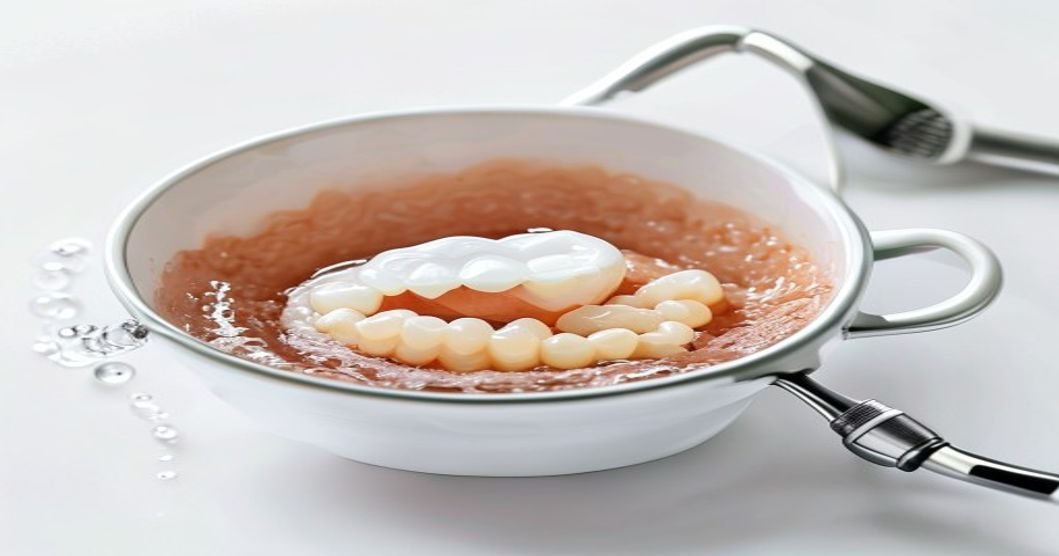
Discover the science behind Oil Pulling for Oral Health. Learn the benefits, risks, costs, and how to safely integrate this ancient practice today.
For centuries, traditional medicine has touted a simple, natural practice for maintaining a clean mouth. Today, Oil Pulling for Oral Health is gaining significant traction as a complementary therapy in modern dentistry. This ancient technique involves swishing edible oil in the mouth to reduce harmful bacteria, improve gum health, and freshen breath. While it is not a replacement for brushing and flossing, it serves as a powerful adjunct to your daily hygiene routine.If you struggle with persistent bad breath, mild gum inflammation, or simply want a more holistic approach to dental care, this practice might be for you. However, it is crucial to understand the clinical science behind it to use it safely and effectively. The American Dental Association (ADA) notes that while oil pulling can reduce plaque, it should never replace standard mechanical cleaning.This comprehensive guide explores everything you need to know about safely incorporating oil pulling into your routine. You will learn about the best types of oils to use, the step-by-step technique, realistic costs, and how it fits into a broader dental care plan. We will also cover essential aftercare tips and red-flag symptoms to watch for. By the end of this article, you will be fully equipped to make an informed decision about this natural oral hygiene method.
| Topic | Key Point |
|---|---|
| Primary Purpose | To reduce oral bacteria, decrease plaque buildup, and improve gum health through lipid extraction. |
| Best Oil to Use | Organic, cold-pressed coconut oil is highly recommended due to its natural lauric acid content. |
| Recommended Duration | Swishing for 15 to 20 minutes daily yields the best clinical results without causing jaw fatigue. |
| Cost Expectations | Very low; a high-quality jar of organic oil costs between $10 and $25 and lasts for several months. |
| Insurance Coverage | Not covered by dental insurance, as it is considered a supplemental, at-home hygiene practice. |
| Safety Profile | Generally very safe, though improper disposal can lead to clogged plumbing over time. |
| ADA Stance | Recognized as a potentially beneficial adjunct, but not a substitute for brushing and flossing. |
| When to Avoid | Do not use if you have a known allergy to the specific oil or severe, active periodontal disease requiring immediate intervention. |
Oil Pulling for Oral Health is a traditional Ayurvedic practice that involves swishing a tablespoon of edible oil around the mouth for an extended period. The primary goal is to trap and remove harmful bacteria, toxins, and debris from the oral cavity. Unlike mouthwashes that use alcohol or harsh chemicals to kill bacteria, oil pulling relies on a process called saponification and the emulsification of lipids.To understand how this works, we must look at the basic biology of the mouth. The surfaces of your teeth, gums, and tongue are constantly coated in a sticky film called plaque. Plaque is a biofilm composed of millions of bacteria, saliva proteins, and food particles. Many of these bacteria have a lipid, or fatty, outer membrane.When you swish oil in your mouth, a fascinating chemical interaction occurs. The oil acts like a magnet for these lipid-coated bacteria. As you swish, the oil emulsifies, meaning it mixes with your saliva and becomes thin and white. This emulsified oil physically pulls the bacteria out of the microscopic crevices of the teeth and gumline, trapping them within the oil.Coconut oil is currently the most popular and clinically supported choice. It contains high levels of lauric acid, a medium-chain fatty acid known for its natural antimicrobial and anti-inflammatory properties. Studies have shown that lauric acid can effectively target Streptococcus mutans, the primary bacteria responsible for tooth decay.This practice fits into overall oral health care as a supplementary step. It is designed to work alongside, not replace, mechanical plaque removal. Brushing with fluoride toothpaste and flossing physically disrupt the biofilm, while oil pulling helps reduce the overall bacterial load and soothes inflamed gum tissues. It is particularly useful for patients who experience irritation from alcohol-based mouthwashes or those seeking a more natural, holistic addition to their daily routine.
Determining if oil pulling is a good addition to your routine depends on your specific oral health profile. Below are the most common indicators that you could benefit from this practice.
If you regularly experience bad breath that returns shortly after brushing, it may be caused by volatile sulfur compounds produced by bacteria on the tongue and in the gum pockets. Oil pulling can help reduce this bacterial load, offering a natural way to freshen breath without the burning sensation of alcohol-based rinses.
Early-stage gum disease is characterized by red, swollen, or bleeding gums. The anti-inflammatory properties of coconut oil can help soothe irritated gum tissues. By reducing the bacteria that trigger the immune response, oil pulling can support the healing of mild gingivitis when combined with proper brushing and flossing.
Some individuals are naturally prone to rapid plaque buildup due to the composition of their saliva. If your dentist frequently notes heavy plaque accumulation at your six-month checkups, adding oil pulling to your morning routine can help keep bacterial levels in check between professional cleanings.
Many over-the-counter mouthwashes contain alcohol, artificial dyes, or strong flavoring agents that can cause stinging, dry mouth, or allergic reactions. If you have sensitive oral tissues, oil pulling provides a gentle, chemical-free alternative for maintaining oral freshness and hygiene.When to Call a Dentist Promptly: If you experience severe, throbbing tooth pain, loose teeth, or gums that bleed heavily and spontaneously, do not rely on oil pulling. These are signs of advanced periodontal disease or acute infection. Schedule an evaluation immediately to address the root cause before considering any supplemental home remedies.
While oil pulling is primarily an at-home practice, integrating it safely requires a dentist-guided protocol. Here is a step-by-step walkthrough of what you can expect from the initial consultation to full adaptation.
Like any health practice, oil pulling comes with specific advantages and potential drawbacks. Understanding both helps you set realistic expectations.
The financial barrier to entry for oil pulling is remarkably low. Below is a breakdown of typical expenses associated with adopting this practice under dental guidance in the United States.
| Item / Service | Average Cost (no insurance) | Typical Insurance Coverage | Notes |
|---|---|---|---|
| Initial Dental Consultation | $75 – $150 | 80% – 100% (often waived) | Includes oral exam to ensure safety. |
| Comprehensive Oral Exam & X-Rays | $100 – $250 | 50% – 80% | Baseline assessment of gum and bone health. |
| Organic Cold-Pressed Coconut Oil | $10 – $25 | 0% | A 16 oz jar lasts 2 to 3 months with daily use. |
| Pre-Measured Oil Sachets (Optional) | $15 – $30 | 0% | Convenient for travel, though more expensive per use. |
| Stainless Steel Tongue Scraper | $8 – $15 | 0% | Recommended to remove bacteria before swishing. |
| Post-Pulling Fluoride Toothpaste | $5 – $10 | 0% | Standard hygiene item, often already owned. |
| Routine Dental Prophylaxis (Cleaning) | $100 – $200 | 80% – 100% | Required every 6 months regardless of home care. |
| Typical Total Range (First Year) | $213 – $680 | Patient pays ~$150 – $400 | Out-of-pocket cost is minimal after initial exam. |
Factors Causing Cost Variation:
Geography plays a significant role in pricing for the professional consultation and cleaning components. Dental services in major metropolitan areas like New York City or San Francisco will naturally command higher fees than those in rural or midwestern regions. Provider specialty also affects cost; a holistic or integrative dentist may charge a premium for the initial consultation compared to a standard general dentist. The materials used are another factor. While basic coconut oil is inexpensive, patients may opt for premium, specialized oil pulling blends that include added essential oils like peppermint or clove, which can increase the monthly supply cost. Finally, the complexity of the case matters. Patients with existing gum disease may require more frequent professional cleanings to monitor their progress, increasing the overall annual cost.
Navigating dental insurance for supplemental home care requires understanding how insurers classify these products.Applicable ADA Procedure Codes:
There is no specific ADA procedure code for oil pulling itself, as it is an at-home practice. However, the initial evaluation to determine if it is safe for you will be billed under standard diagnostic codes, such as D0120 (Periodic oral evaluation) or D0150 (Comprehensive oral evaluation). If your dentist applies a professional fluoride varnish during that visit to support your enamel, it may be billed under D9972.Plan Types and Coverage:
Dental PPO (Preferred Provider Organization) plans will typically cover the diagnostic exam (D0120/D0150) at 80% to 100%, depending on your plan’s preventive benefits. The physical oil, tongue scraper, and any supplemental home products are considered over-the-counter (OTC) items and are never covered by dental insurance. HMO (Health Maintenance Organization) plans may cover the exam with a small copay, but will also deny any OTC products.Waiting Periods and Percentages:
Diagnostic exams usually have no waiting period on PPO plans. You can use your benefits immediately. However, these costs will count toward your annual maximum, which is typically between $1,000 and $1,500. Predetermination of Benefits:
A predetermination is generally not necessary for an oil pulling consultation, as it is a standard, low-cost exam. However, if your dentist recommends additional therapeutic procedures during that visit, such as a deep cleaning (scaling and root planing), a predetermination is highly recommended to avoid unexpected out-of-pocket expenses.Tips for Patients Without Insurance:
If you are uninsured, oil pulling remains one of the most affordable adjunctive oral health practices available. To keep professional costs low, consider seeking your initial evaluation at an accredited dental school or a community health center, where fees are significantly reduced. You can also purchase high-quality organic coconut oil in bulk from wholesale retailers to bring the monthly cost down to just a few dollars.
If oil pulling does not appeal to you, or if your dentist recommends a different approach for your specific needs, there are several effective alternatives to consider.
Because oil pulling is a gentle, non-invasive practice, “recovery” primarily refers to adapting your body to the routine and maintaining a clean oral environment. First 24 Hours:
Days 2-7:
Long-Term Care:
Red-Flag Symptoms:
Contact your dentist immediately if you experience persistent jaw pain or TMJ clicking that does not resolve after a week of practice, signs of an allergic reaction (such as swelling of the lips or tongue), or if your gums begin to bleed more frequently despite consistent, gentle hygiene.
While oil pulling is an at-home practice, having a supportive, knowledgeable dental professional is crucial for integrating it safely. Consider the following factors when choosing a provider:
Questions to Ask at Your Consultation:
No, oil pulling cannot and should not replace brushing and flossing. While swishing oil effectively reduces the overall bacterial load and can soften some plaque, it does not possess the mechanical friction required to physically disrupt and remove the sticky biofilm that adheres to teeth and below the gumline. Brushing with fluoride toothpaste and flossing remain the absolute gold standards for preventing tooth decay and gum disease. Oil pulling is strictly a supplementary practice.
Organic, cold-pressed, unrefined coconut oil is widely considered the best option for oil pulling. It contains high levels of lauric acid, which has proven antimicrobial and anti-inflammatory properties. Additionally, coconut oil has a mild, pleasant taste that most people find tolerable for extended swishing. Sesame oil and sunflower oil are traditional alternatives mentioned in ancient texts, but modern clinical studies have shown coconut oil to be superior in reducing Streptococcus mutans bacteria.
The recommended duration for oil pulling is 15 to 20 minutes. This timeframe allows the oil to fully emulsify with your saliva and effectively bind to the lipid membranes of harmful bacteria. If you are a beginner, 15 to 20 minutes may feel like a long time and cause jaw fatigue. You can start with just 5 to 10 minutes and gradually increase the duration by a few minutes each day until you comfortably reach the 20-minute mark.
Oil pulling may result in a subtle, natural brightening of the teeth, but it is not a true bleaching agent. The perceived whitening effect occurs because the practice removes surface plaque, food debris, and bacterial stains that can make teeth look dull or yellow. It does not contain peroxide or other chemicals that penetrate the enamel to change the intrinsic color of the tooth. For significant whitening, professional dental treatments are required.
No, you should never swallow the oil after swishing. The entire purpose of the practice is to trap bacteria, toxins, and debris from your oral cavity into the oil. Swallowing this emulsified mixture reintroduces those harmful pathogens directly into your digestive system, which can cause stomach upset or nausea. Always spit the oil into a trash can and rinse your mouth thoroughly with water afterward.
Oil pulling cannot cure gum disease (periodontitis). While it can help reduce the bacterial load and soothe mild inflammation associated with early-stage gingivitis, it cannot remove hardened tartar (calculus) that has formed below the gumline. True periodontal disease requires professional intervention, such as scaling and root planing, to clean the root surfaces. Oil pulling can be a helpful maintenance tool after professional treatment, but it is not a cure.
The best time to perform oil pulling is first thing in the morning, on an empty stomach, before eating, drinking, or brushing your teeth. Overnight, bacteria multiply rapidly in the mouth, creating a thick biofilm. Swishing oil immediately upon waking helps pull these accumulated bacteria out before you swallow your morning saliva. If your schedule does not permit a morning routine, you can do it at another time, provided it is at least an hour before or after eating.
Incorporating Oil Pulling for Oral Health into your daily routine can be a safe, effective, and natural way to support your overall dental hygiene. The evidence shows that when used correctly, this practice can reduce harmful bacteria, decrease plaque buildup, and soothe mild gum inflammation. However, it is vital to remember that it is a complementary therapy, not a replacement for the foundational habits of brushing with fluoride toothpaste and flossing daily.The process is simple, cost-effective, and carries minimal risk when guided by proper technique and disposal methods. By choosing high-quality organic coconut oil and committing to a consistent 15 to 20-minute daily routine, you can experience tangible improvements in your breath and gum health over time. Do not attempt to self-diagnose or treat underlying dental issues with home remedies alone. Schedule a consultation with a licensed dental professional to establish a healthy baseline, discuss your oral health goals, and determine if oil pulling is the right supplemental strategy for you. Early professional guidance is always more effective and safer than managing preventable dental diseases after they have progressed.