Physical Address
304 North Cardinal St.
Dorchester Center, MA 02124
Physical Address
304 North Cardinal St.
Dorchester Center, MA 02124

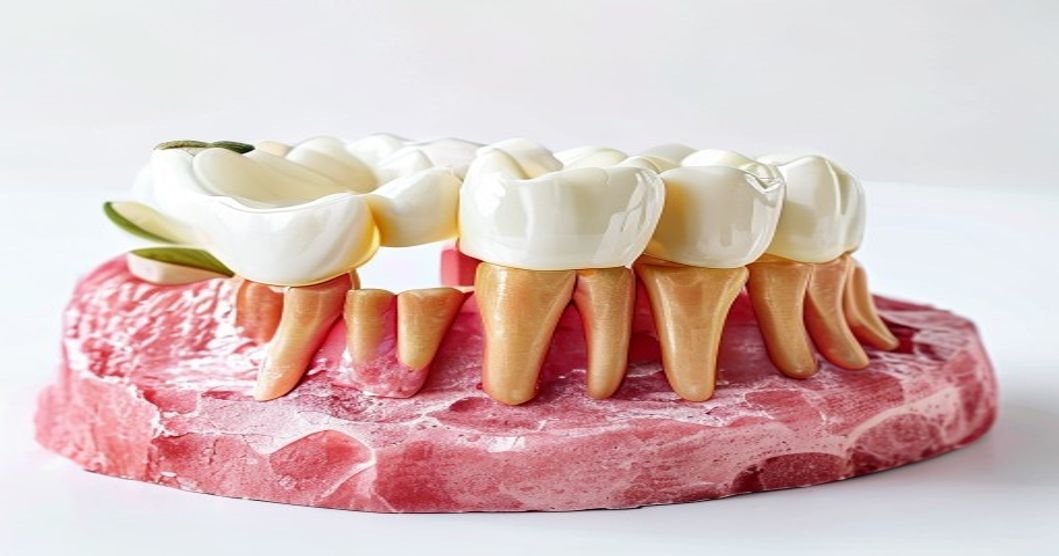
Learn about Dental Bone Loss Treatment options, costs, and recovery. Discover how to restore jawbone health and protect your natural smile long-term.
Losing jawbone density is a silent threat to your overall oral health and facial structure. When the bone that supports your teeth begins to deteriorate, it can lead to tooth mobility and eventual tooth loss. Understanding Dental Bone Loss Treatment is vital for anyone experiencing gum disease, missing teeth, or preparing for dental implants. This comprehensive guide will explain exactly what this restorative protocol involves, who needs it, and what you can expect from the process. In this article, we will explore the early warning signs of bone deterioration and the advanced clinical procedures used to halt it. You will learn about the step-by-step treatment process, realistic recovery timelines, and the actual costs involved in 2026. We will also cover insurance coverage details, effective aftercare strategies, and how to choose the right periodontal specialist. By the end of this guide, you will feel fully empowered to take control of your jawbone health. Let us dive into the essential facts you need to protect your smile for a lifetime.
| Topic | Key Point |
|---|---|
| Core Definition | A specialized clinical protocol to halt bone deterioration and regenerate lost jawbone structure. |
| Primary Warning Signs | Receding gums, loose teeth, persistent bad breath, and changes in facial profile. |
| Procedure Duration | Non-surgical cleaning takes 60-90 minutes; surgical grafting takes 60-120 minutes per site. |
| Recovery Timeline | Soft tissue heals in 2-4 weeks; complete bone maturation takes 4-6 months. |
| Average Out-of-Pocket Cost | Ranges from $300 for deep cleaning to $2,500+ for surgical bone grafting per quadrant. |
| Success Rate | Early intervention halts disease progression in over 85% of periodontitis cases. |
| Long-Term Care | Requires dedicated at-home hygiene and professional periodontal maintenance every 3 to 4 months. |
To understand this protocol, we must first look at how your jawbone supports your teeth. The alveolar bone is the specialized ridge of bone in your upper and lower jaws that holds your tooth roots securely in place. This bone is living tissue that constantly remodels itself through the action of bone-building cells (osteoblasts) and bone-resorbing cells (osteoclasts). When plaque and tartar accumulate below the gumline, they trigger a chronic bacterial infection known as periodontitis. The body’s immune response to this infection accidentally attacks the surrounding bone and ligaments. Over time, this creates deep pockets between the gums and teeth, leading to progressive Dental Bone Loss Treatment necessity. The bone literally melts away, leaving teeth without a solid foundation. Dental Bone Loss Treatment involves a comprehensive clinical pathway designed to eliminate this infection and rebuild the lost foundation. In its early stages, treatment focuses on non-surgical deep cleaning to remove the bacterial biofilm. This allows the gums to reattach to the tooth and halts further bone destruction. If the bone loss is severe, surgical intervention becomes necessary. A periodontist will gently lift the gum tissue to access the root surfaces and clean out the infected pockets. They may then place bone grafting materials into the defects. These grafts act as a scaffold, encouraging your body’s own cells to grow new, healthy bone. This protocol is essential not only for saving natural teeth but also for preparing the jaw to support future dental implants.
Recognizing the early warning signs is the most critical step in protecting your oral health. Bone loss happens beneath the gums, so you cannot see it directly. However, your body provides clear external clues that the underlying foundation is weakening.
Healthy gums should sit snugly around the base of your teeth. If you notice your gums pulling away or receding, the roots of your teeth become exposed. This makes your teeth look unusually long. Gum recession is a direct indicator that the supporting bone is also retreating. You should call your dentist promptly if you notice this change, as early intervention can often stabilize the tissue.
Your teeth should feel completely solid in your mouth. If you notice a tooth wiggling when you push it with your tongue or finger, the bone support is severely compromised. You may also notice that your teeth are shifting, creating new gaps or changing your bite. This is a definitive red flag. Contact your dentist immediately, as delaying treatment can lead to irreversible tooth loss.
Chronic halitosis (bad breath) that does not go away with brushing or mouthwash is a major warning sign. It is often caused by bacteria thriving in deep periodontal pockets. Similarly, gums that bleed easily when you brush or floss indicate active inflammation. While bleeding can be an early sign of gingivitis, persistent bleeding alongside bad breath strongly suggests underlying bone loss.
As jawbone density decreases, the physical structure of your face can actually change. Severe bone loss can cause the lower third of your face to collapse, creating a sunken appearance and deepening wrinkles around the mouth. You may also notice that your teeth no longer fit together correctly when you bite down. These structural changes require immediate professional evaluation.
The exact steps depend on the severity of your condition. Here is a general walkthrough of what happens from the initial consultation through full recovery.
Every dental procedure carries some level of risk, but the benefits of addressing bone loss far outweigh the alternatives of doing nothing.
The cost of managing jawbone health varies widely based on the severity of the disease and the specific procedures required. Below are the realistic 2024-2026 US national averages for these services.
| Item / Service | Average Cost (no insurance) | Typical Insurance Coverage | Notes |
|---|---|---|---|
| Comprehensive Exam & CBCT Scan | $250 – $450 | 80% – 100% | Required for 3D bone level assessment. |
| Scaling and Root Planing (per quadrant) | $300 – $500 | 50% – 80% | Non-surgical deep cleaning to halt early bone loss. |
| Osseous Surgery / Flap Surgery (per quadrant) | $1,000 – $2,500 | 50% – 80% | Surgical access to clean deep periodontal pockets. |
| Bone Grafting (per site) | $400 – $1,200 | 50% – 80% | Material placed to regenerate lost jawbone structure. |
| Guided Tissue Regeneration Membrane | $300 – $600 | 50% – 80% | Barrier placed over the graft to protect new bone growth. |
| Periodontal Maintenance Cleaning (per visit) | $150 – $250 | 80% – 100% | Specialized 3-to-4-month recall cleaning to prevent relapse. |
| Total Typical Range | $450 – $3,500+ | Varies by plan | Depends on non-surgical vs. surgical needs. |
Several factors cause cost variation across different dental offices. Geography plays a major role; urban clinics in cities like New York or San Francisco charge significantly more than rural practices due to higher overhead. Provider specialty also affects the price, as board-certified periodontists typically charge more than general dentists for complex surgical interventions. Finally, the complexity of the case dictates the cost. A simple non-surgical deep cleaning is much less expensive than multi-site surgical bone grafting using premium synthetic or allograft materials.
Navigating dental insurance can be confusing, but understanding your benefits helps you plan your budget effectively. First, look at the ADA procedure codes used for billing. Non-surgical deep cleaning is typically billed under codes D4341 or D4342. Surgical interventions like osseous surgery use codes like D4266 or D4263. Bone grafting is billed under D7953 (alveolar ridge preservation) or D4267 (guided tissue regeneration). Plan types matter significantly. Preferred Provider Organization (PPO) and indemnity plans typically offer the best coverage, often paying 50% to 80% of major periodontal procedures. Health Maintenance Organizations (HMOs) usually cover basic preventive cleanings but may exclude or severely limit coverage for surgical bone grafting. Most dental insurance plans require a waiting period of 6 to 12 months for major procedures before they will pay out. Always request a predetermination of benefits from your dentist before starting treatment. This is a document your clinic sends to the insurance company detailing the exact codes and costs. The insurer replies with an estimate of what they will pay, giving you no financial surprises.If you lack dental insurance, look into dental schools. They often have periodontal departments that offer specialized bone loss treatment at a fraction of the standard cost. Dental discount plans are another viable option, offering 15% to 50% off procedures for a low annual fee. Finally, most clinics offer in-house payment plans or third-party medical credit like CareCredit to spread the cost over 12 to 24 months.
Sometimes, the bone loss is too severe to be saved, or a patient may prefer a different approach. You and your dentist might consider other options instead of or alongside traditional bone regeneration.
If a tooth has lost more than 50% of its supporting bone, it may be deemed hopeless. The alternative is to extract the tooth, perform socket preservation grafting, and place a dental implant. This is preferred when the natural tooth cannot be stabilized. The cost ranges from $3,500 to $6,000 for the full implant replacement. The key tradeoff is the high initial cost and the loss of the natural tooth, though implants provide excellent long-term function.
If a tooth is extracted due to bone loss and the patient does not want an implant, a traditional bridge can fill the gap. This requires grinding down the healthy adjacent teeth to support the false tooth. It costs between $2,500 and $5,000. The tradeoff is that you must sacrifice the structure of perfectly healthy natural teeth, which can lead to future decay or nerve issues on those supporting teeth.
This is a cost-effective, non-surgical option that replaces missing teeth with a removable acrylic or metal appliance. It is preferred for patients who cannot undergo surgery, have severe systemic health issues, or have extensive bone loss across multiple teeth. Costs range from $1,000 to $2,500. The main tradeoff is significantly reduced chewing efficiency and the daily inconvenience of removing the appliance for cleaning.
For patients who refuse surgery or have mild bone loss, committing strictly to non-surgical Scaling and Root Planing followed by 3-month maintenance cleanings is an alternative. It costs $300 to $500 per quadrant initially. The tradeoff is that it only halts the disease; it does not regenerate the bone that has already been lost, and the teeth may remain slightly mobile.
Proper aftercare is the cornerstone of successful Dental Bone Loss Treatment. Following these steps ensures your tissues heal properly and the infection does not return.First 24 Hours:
Days 2-7:
Long-Term Care:
Red-Flag Symptoms:
Call your dentist immediately if you experience a fever over 101°F, severe swelling that worsens after day 3, pus discharge from the gums, or prolonged numbness in your lip or chin.
Choosing the right professional is crucial for the success of your treatment. Use this checklist to guide your search.
Questions to Ask at the Consultation:
No, once jawbone is lost due to periodontitis, it cannot grow back naturally on its own. The body does not spontaneously regenerate alveolar bone once the supporting structure is destroyed by bacterial infection. However, Dental Bone Loss Treatment can halt the progression of the disease. Through professional deep cleaning, surgical debridement, and bone grafting, a dentist can stimulate the body to regenerate new bone in specific defect areas, effectively reversing some of the damage.
The procedure itself is completely painless because your dentist or periodontist will use local anesthesia to thoroughly numb the area. You will feel pressure and vibration, but no sharp pain. After the numbness wears off, you can expect mild to moderate soreness, swelling, and tenderness for 2 to 4 days. This discomfort is typically well-managed with over-the-counter pain relievers like ibuprofen, and it subsides significantly within the first week.
The healing process occurs in two distinct phases. The soft gum tissue typically heals and closes over the surgical site within 2 to 4 weeks. However, the bone grafting material takes much longer to integrate. It requires 4 to 6 months for your body’s cells to fully replace the graft material with your own new, living bone. Your dentist will verify this maturation with a follow-up 3D X-ray before proceeding with any further restorative work, like implants.
If left untreated, dental bone loss is a progressive and irreversible condition. The supporting bone will continue to deteriorate, causing teeth to become increasingly loose. Eventually, the teeth will fall out or require extraction. Furthermore, severe bone loss alters your facial structure, leading to a sunken appearance and premature aging. The chronic bacterial infection can also enter your bloodstream, increasing the risk of heart disease, diabetes complications, and stroke.
Yes, but you will likely need Dental Bone Loss Treatment first. Dental implants require a solid, thick foundation of healthy jawbone to successfully fuse with the titanium post. If your bone has deteriorated, your dentist will perform a bone grafting procedure to rebuild the ridge. Once the graft has fully healed and matured over 4 to 6 months, you will have the necessary structural support to safely and successfully receive dental implants.
Traditional Medicare (Parts A and B) generally does not cover routine dental care, including periodontal treatment, deep cleanings, or bone grafting. There are very rare exceptions if the bone loss is directly tied to a covered medical procedure, such as jaw reconstruction after an accident or cancer surgery. However, many Medicare Advantage (Part C) plans offer optional dental benefits that may cover a portion of these procedures. Always check your specific plan details.
If you have a history of gum disease or bone loss, you should see your dentist or periodontist every 3 to 4 months for specialized periodontal maintenance. This is more frequent than the standard 6-month recall for healthy patients. These visits involve measuring gum pocket depths, checking bone levels with X-rays, and performing specialized cleanings to prevent bacteria from re-establishing and causing further bone destruction.
Protecting your jawbone is fundamental to maintaining your natural teeth and overall facial structure. Understanding Dental Bone Loss Treatment empowers you to recognize the early warning signs, such as receding gums and loose teeth, before permanent damage occurs. By utilizing advanced clinical protocols, including deep cleaning and surgical bone grafting, dental professionals can effectively halt disease progression and regenerate your lost foundation. Remember that early intervention is almost always less invasive, less expensive, and more effective than waiting until teeth are lost and complex full-mouth reconstruction is required. Do not ignore subtle changes in your gums or persistent bad breath. We strongly encourage you to schedule a comprehensive consultation with a licensed dental specialist to evaluate your jawbone health today. Taking proactive steps now will ensure your smile remains strong, functional, and beautiful for decades to come.