Physical Address
304 North Cardinal St.
Dorchester Center, MA 02124
Physical Address
304 North Cardinal St.
Dorchester Center, MA 02124

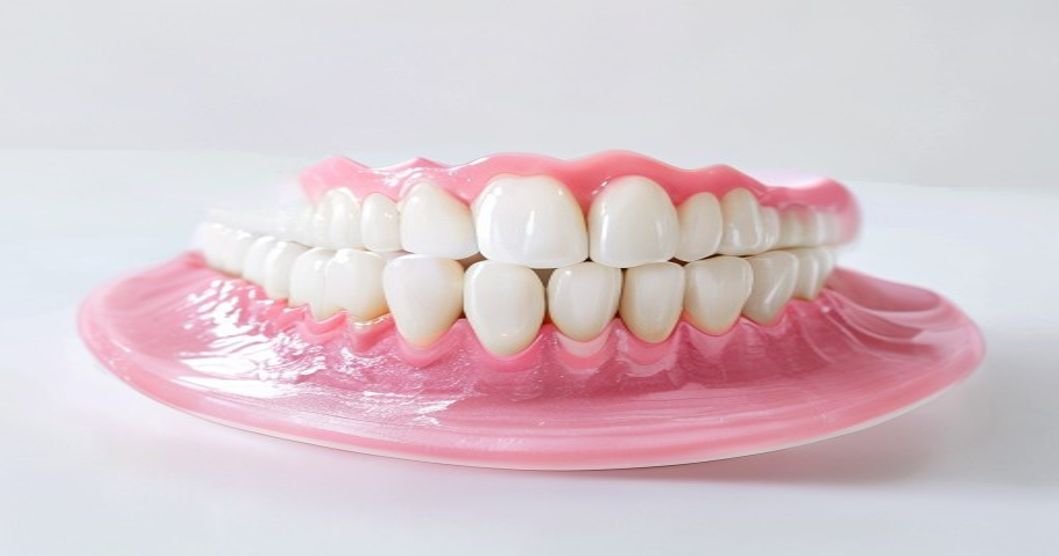
Learn everything about Enamel Contouring, including costs, procedure steps, benefits, and aftercare. Make an informed choice for your perfect smile today.
Are you looking for a subtle yet transformative way to perfect your smile without invasive dental work? Enamel Contouring is a highly conservative, painless cosmetic dental procedure designed to gently reshape the outer layer of your teeth. Also known as tooth reshaping or odontoplasty, this treatment is ideal for patients who want to correct minor aesthetic flaws quickly and affordably. If you are dealing with slightly uneven tooth lengths, minor chips, or rough edges, this comprehensive guide is written specifically for you. In this article, you will learn exactly how Enamel Contouring works, the step-by-step clinical procedure, and what to expect during your recovery. We will also break down the realistic costs in the United States, explain how dental insurance handles these procedures, and detail the best ways to protect your newly shaped smile. Understanding your cosmetic options empowers you to make the best decision for your oral health and your budget. Whether you are researching for yourself or a family member, this overview provides clear, actionable, and dentally accurate information based on current American Dental Association (ADA) guidelines. We will cover everything from the initial consultation to long-term maintenance. Let us explore how this simple, effective procedure can give you the harmonious, confident smile you have always wanted.
| Topic | Key Point |
|---|---|
| Definition | A conservative cosmetic procedure that gently removes microscopic amounts of tooth enamel to reshape and smooth teeth. |
| Primary Benefit | Provides immediate, painless aesthetic improvements without the need for anesthesia or multiple dental visits. |
| Tools Used | Dentists use fine diamond burs, sanding discs, and polishing strips to carefully sculpt the tooth surface. |
| Procedure Time | Typically completed in a single, quick visit lasting only 15 to 30 minutes per tooth. |
| Average Cost | Ranges from $50 to $300 per tooth, making it one of the most affordable cosmetic dental treatments available. |
| Insurance Coverage | Usually classified as a cosmetic procedure and not covered, unless deemed medically necessary to prevent tissue trauma. |
| Expected Lifespan | The results are permanent, as enamel does not grow back, though the teeth remain susceptible to future chips or wear. |
| Daily Aftercare | Requires standard brushing with non-abrasive toothpaste, daily flossing, and wearing a nightguard if you grind your teeth. |
Enamel Contouring, frequently referred to as odontoplasty, enameloplasty, or tooth reshaping, is a specialized cosmetic dental technique used to improve the appearance of your teeth by altering their shape, length, or surface texture. Unlike veneers or crowns that add material to the tooth, this procedure is strictly subtractive. The dentist carefully removes microscopic amounts of the tooth’s outer layer to create a more balanced and attractive smile.To understand how this works, it helps to know basic tooth anatomy. The hard, outermost protective layer of your tooth is called enamel. Beneath the enamel lies the dentin, a softer, yellowish layer, and deeper still is the pulp, which contains the tooth’s nerves and blood supply. Crucially, enamel contains no nerve endings. Because of this, removing a tiny fraction of a millimeter of enamel does not cause pain or require local anesthesia. The procedure is performed using specialized, high-precision dental tools. Your dentist will typically use a fine diamond bur attached to a dental handpiece to gently sand away the targeted areas. For finer adjustments between teeth, they may use abrasive polishing strips or sanding discs. Once the desired shape is achieved, the tooth is meticulously polished to a smooth, high-gloss finish that mimics natural enamel. The primary goal of Enamel Contouring is to achieve subtle aesthetic harmony. It is not a solution for major structural problems or severe misalignment. Instead, it is the perfect tool for refining the final details of your smile. By preserving the vast majority of your natural tooth structure, this procedure represents the most conservative approach to cosmetic dentistry. It is often combined with dental bonding or teeth whitening to create a comprehensive, yet minimally invasive, smile makeover.
Recognizing the minor aesthetic flaws in your smile can help you determine if this simple treatment is right for you. Here are the most common indicators that you might be an ideal candidate.
Accidents, aging, or chewing on hard objects can cause tiny, superficial chips on the edges of your front teeth. These rough edges can feel uncomfortable against your tongue or lips. Enamel Contouring is the perfect solution to gently smooth these irregularities, restoring a seamless and comfortable tooth surface without the need for added materials.
If your teeth are mostly straight but have minor overlaps or crowding, reshaping can create the visual illusion of a perfectly aligned smile. By carefully reducing the width of the slightly overlapping teeth, the dentist can create small gaps that make the teeth appear straighter. This is often used as a finishing touch after orthodontic treatment to perfect the final result.
Some people naturally have front teeth that are slightly different lengths or have a more square or rounded shape than they prefer. Enamel Contouring can gently shorten a tooth that appears too long or round off a tooth that appears too square. This subtle adjustment can dramatically improve the overall symmetry and balance of your smile.
Prominent, sharply pointed canine teeth can sometimes dominate a smile, giving it an aggressive or unnatural appearance. A dentist can gently round off the sharp tips of these canines, softening your facial profile and creating a more youthful, harmonious look. When to Call Your Dentist: If you have a sharp edge that is actively cutting your tongue or cheek, call your dentist promptly for a quick smoothing appointment. However, if you are experiencing throbbing pain, deep sensitivity, or visible dark spots, do not wait. These are signs of decay or nerve damage, which require a comprehensive examination rather than simple cosmetic reshaping.
Understanding the steps of the procedure can help alleviate any dental anxiety. The Enamel Contouring process is highly efficient, painless, and typically completed in a single visit.
The entire procedure typically takes only 15 to 30 minutes per tooth. Full recovery is immediate. You can eat, drink, and speak normally right after the appointment, though you may experience very mild, temporary sensitivity for 1 to 2 days.
Like all dental procedures, this treatment comes with specific advantages and potential drawbacks. Understanding both helps you make an informed choice.
The cost of this procedure varies based on several factors. Below is a breakdown of typical out-of-pocket expenses in the United States based on current national averages.
| Item / Service | Average Cost (no insurance) | Typical Insurance Coverage | Notes |
|---|---|---|---|
| Initial Consultation & X-Rays | $75 – $150 | 80% – 100% | Often covered under preventive or basic diagnostic benefits. |
| Enamel Contouring (per tooth) | $50 – $150 | 0% | The core cosmetic reshaping procedure. |
| Enamel Contouring (full smile) | $200 – $500 | 0% | Many offices offer a discounted flat rate for multiple teeth. |
| Professional Polishing | $30 – $75 | 0% – 50% | Sometimes bundled into the per-tooth contouring fee. |
| Topical Fluoride Treatment | $20 – $50 | 80% – 100% | Often covered as a preventive measure to protect reshaped teeth. |
| Custom Nightguard (if needed) | $300 – $600 | 50% – 80% | Recommended if you grind your teeth to protect the newly shaped edges. |
| Total Typical Range (per tooth) | $105 – $275 | Patient pays ~$105 – $275 | Assumes 0% cosmetic coverage for the reshaping itself. |
The main factors that cause cost variation include geography, provider specialty, and the complexity of the case. Dental practices in major metropolitan areas or affluent neighborhoods typically charge 20% to 40% more than practices in rural areas due to higher overhead and local market rates. Additionally, a highly sought-after cosmetic dentist may charge a premium for their advanced aesthetic training and artistic eye. Finally, the complexity of the case matters; smoothing a single tiny chip is faster and cheaper than meticulously reshaping six front teeth to correct minor crowding.
In most cases, dental insurance does not cover Enamel Contouring because it is classified as a purely cosmetic procedure. The most common ADA procedure code used for billing this service is D9970 (Enameloplasty). Because insurance companies view this treatment as an aesthetic enhancement rather than a medical necessity, Preferred Provider Organization (PPO), Health Maintenance Organization (HMO), and indemnity plans typically cover 0% of the cost for the reshaping itself. You will almost always be responsible for the full out-of-pocket expense for the cosmetic portion of the visit.However, there is a notable exception. If a sharp, fractured tooth edge is actively causing trauma to your cheek, tongue, or gums, the procedure may be reclassified as medically necessary. In these specific cases, your insurance may cover a portion of the cost, as the goal is to prevent tissue damage rather than simply improve aesthetics. It is highly recommended to request a predetermination of benefits before starting treatment if you believe your case might qualify for medical necessity coverage. Your dentist will submit the treatment plan, clinical notes, and X-rays to your insurance company, who will then return a written estimate of exactly what they will pay. This prevents unexpected financial surprises.For patients paying entirely out-of-pocket, the low baseline cost of Enamel Contouring makes it highly accessible. Additionally, many dental offices offer in-house membership plans or bundled cosmetic packages that provide a discount when you combine reshaping with other services like professional teeth whitening or dental bonding.
Depending on your specific dental needs, your dentist may discuss other treatment options. It is important to understand the tradeoffs of each alternative.
Dental bonding involves applying a tooth-colored composite resin directly to the teeth, sculpting it into shape, and hardening it with a special light.
Porcelain veneers are thin, custom-made ceramic shells that are fabricated in a dental laboratory and permanently bonded to the front of the teeth.
Treatments like Invisalign use a series of custom-made, clear plastic trays to gradually shift your teeth into proper alignment over time.
A dental crown is a “cap” that completely encases the entire visible portion of the tooth above the gum line.
Proper aftercare is essential to ensure the longevity and comfort of your newly shaped teeth. Follow these guidelines to protect your investment.First 24 Hours:
Days 2-7:
Long-term Care:
Red-Flag Symptoms:
Call your dentist immediately if you experience severe, throbbing pain that is not relieved by over-the-counter medication, visible swelling in your gums, a persistent sharp edge that returns, or if you notice a visible crack in the treated tooth.
Choosing the right provider is critical for a successful, beautiful outcome. While the procedure is simple, it requires immense manual dexterity and an artistic eye for symmetry. Consider these factors when making your decision:
Questions to Ask at Your Consultation:
No, Enamel Contouring does not hurt. The outermost layer of your tooth, the enamel, contains no nerve endings. Because the dentist is only removing a microscopic fraction of a millimeter of this non-living tissue, you will not feel any pain. Local anesthesia or numbing injections are almost never required for this procedure, making it a highly comfortable and stress-free experience for patients of all ages.