Physical Address
304 North Cardinal St.
Dorchester Center, MA 02124
Physical Address
304 North Cardinal St.
Dorchester Center, MA 02124

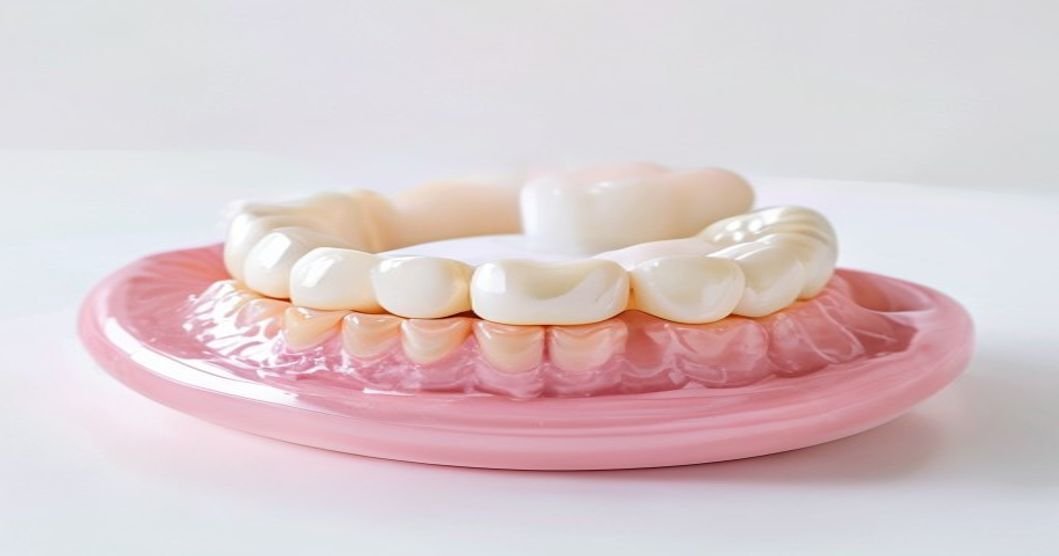
Learn everything about baby teeth and primary dentition. Discover care tips, procedure costs, and expert dental advice for your child's healthy smile.
A child’s first smile is a magical milestone, but it also marks the beginning of a critical phase in oral development known as baby teeth and primary dentition. This foundational stage involves the eruption, daily care, and eventual natural loss of the first 20 teeth. Understanding how to properly protect and maintain primary dentition is absolutely essential for every parent, guardian, and caregiver. This comprehensive guide will walk you through everything you need to know about baby teeth and primary dentition. You will learn about early symptoms of decay, what to expect during common pediatric dental procedures, realistic cost breakdowns, and detailed aftercare instructions. By learning these clinical facts, you can ensure your child develops a healthy, confident smile that sets the stage for a lifetime of excellent oral health.
The journey of oral health begins long before a child loses their first tooth. Baby teeth and primary dentition represent the very first set of teeth that emerge during infancy and early childhood. While they are temporary, their role in a child’s overall development is permanent and profound. Every child goes through this natural biological phase, making it a critical area of knowledge for parents and early childhood educators alike.Many people mistakenly believe that because baby teeth eventually fall out, they do not require serious medical attention. This is a dangerous myth. Primary teeth are highly susceptible to early childhood caries (cavities), which can cause severe pain, infection, and long-term developmental issues. In this article, you will learn exactly what primary dentition entails and why it matters. We will cover the specific signs that indicate your child needs professional dental intervention. You will also discover what happens during common pediatric dental procedures, realistic out-of-pocket costs, and how dental insurance applies. Finally, we will provide actionable recovery tips and guidance on choosing the right pediatric dental provider. Armed with this information, you can confidently navigate your child’s early dental journey.
If you are short on time, here is a quick, scannable summary of the most important facts about baby teeth and primary dentition.
| Topic | Key Point |
|---|---|
| Total Number of Teeth | Children typically develop exactly 20 primary teeth in their dental arches. |
| Eruption Timeline | The first teeth usually appear between 6 and 12 months of age, with all 20 present by age 3. |
| Developmental Role | Baby teeth and primary dentition guide permanent teeth into place, aid in speech development, and support proper jaw growth. |
| Common Issues | Early childhood caries (cavities) remain the most frequent chronic infectious disease in children worldwide. |
| First Dental Visit | The American Academy of Pediatric Dentistry recommends a first visit by age one, or within six months of the first tooth erupting. |
| Procedure Costs | Routine primary dentition preventive care ranges from $150 to $300, while restorative work can cost $200 to $800 per tooth. |
| Insurance Coverage | Most dental PPO plans cover 80% to 100% of preventive primary dentition services, often with no waiting period. |
To understand how to care for a child’s mouth, it is helpful to understand the fundamentals of baby teeth and primary dentition. This term refers to the first set of teeth that develop in the jaws of infants and young children. Clinically, these are also known as deciduous teeth, milk teeth, or temporary teeth. The primary dentition consists of exactly 20 teeth. These include eight incisors (four on the top, four on the bottom), four canines (cuspids), and eight molars. Unlike the permanent dentition, primary dentition does not include premolars. The teeth typically begin to erupt through the gums around six months of age, starting with the lower central incisors. By the time a child is three years old, all 20 primary teeth are usually fully visible.From a clinical anatomy perspective, baby teeth are structurally different from adult teeth. The enamel on primary teeth is significantly thinner and less mineralized than the enamel on permanent teeth. This makes baby teeth much more vulnerable to acid attacks from plaque bacteria and sugary foods. Furthermore, the inner pulp chamber of a baby tooth is proportionally larger, meaning decay can reach the nerve much faster than it would in an adult tooth.The roots of primary teeth are also uniquely designed. As the permanent teeth develop beneath the gums, they gradually push upward. This natural pressure causes the roots of the baby teeth to dissolve, a process called root resorption. Once the root is fully resorbed, the baby tooth becomes loose and eventually falls out, making way for the permanent successor.Despite being temporary, baby teeth and primary dentition are vital for several critical functions. They allow children to chew food properly, ensuring adequate nutrition for growth. They are essential for the development of clear speech and proper pronunciation. Most importantly, they act as natural space maintainers, holding the correct amount of room in the jaw for the permanent teeth to erupt in proper alignment.
While primary dentition is a natural process, children frequently require professional dental intervention to protect their baby teeth and primary dentition from disease, trauma, or developmental abnormalities. Recognizing the early warning signs can save your child from pain and prevent complex procedures.
The earliest sign of tooth decay is the appearance of chalky white spots near the gumline. This indicates demineralization, where acids have begun to strip minerals from the enamel. If left untreated, these spots will turn into brown or black cavities.
If your child complains of a toothache, especially when eating sweet, hot, or cold foods, it is a strong indicator of dental decay or an infected nerve. Young children may also show this by avoiding certain foods or crying during meals.
Healthy gums should be firm and pale pink. Gums that are red, puffy, or bleed easily during brushing may indicate gingivitis or an underlying dental abscess. An abscess is a serious bacterial infection at the root of a primary tooth.
While there is a normal range for tooth eruption, significant delays can sometimes indicate underlying nutritional deficiencies, genetic conditions, or impacted teeth.
If a baby tooth is knocked out or extracted due to severe decay years before it was supposed to fall out naturally, it creates a significant risk for the permanent teeth.
When a child requires restorative care for their primary dentition, such as a filling or a crown, the process is carefully designed to be safe, efficient, and child-friendly. Here is exactly what you can expect from the initial consultation through full recovery.
Like all medical interventions, procedures related to baby teeth and primary dentition carry specific benefits and potential risks. Understanding both helps parents make informed, confident decisions.
The cost of caring for primary dentition varies based on the specific services required. Below is a breakdown of realistic 2024-2025 US national average costs for common pediatric dental services.
| Item / Service | Average Cost (no insurance) | Typical Insurance Coverage | Notes |
|---|---|---|---|
| Initial Consultation & Exam | $75 – $150 | 80% – 100% | Includes a comprehensive visual exam and basic oral evaluation. |
| Pediatric Dental X-Rays (Bitewing) | $50 – $100 | 80% – 100% | Necessary for detecting hidden decay between tight primary teeth. |
| Professional Cleaning (Prophylaxis) | $100 – $200 | 100% | Recommended every six months to remove plaque and tartar buildup. |
| Fluoride Varnish Application | $30 – $60 | 100% | A highly effective, quick preventive measure for young children. |
| Dental Sealants (per tooth) | $40 – $60 | 80% – 100% | Applied to the deep grooves of primary molars to prevent decay. |
| Composite Filling (per tooth) | $200 – $350 | 80% | Tooth-colored restoration used for small to moderate cavities. |
| Stainless Steel Crown (per tooth) | $350 – $550 | 50% – 80% | Used for extensive decay, multiple surfaces, or after a pulpotomy. |
| Primary Tooth Extraction | $150 – $300 | 50% – 80% | Required for severely damaged, infected, or non-restorable teeth. |
| Space Maintainer | $250 – $450 | 50% – 80% | Custom appliance to prevent adjacent teeth from shifting after premature loss. |
| Typical Total Range (Routine Visit) | $150 – $300 | 80% – 100% | Out-of-pocket cost is often under $50 with active dental insurance. |
Several main factors cause cost variation in pediatric dental care. Geography plays a major role; practices in major urban metropolitan areas or regions with a high cost of living will naturally charge more than those in rural areas. Provider specialty also affects pricing, as board-certified pediatric dentists often charge slightly more than general dentists due to their specialized training and child-friendly office environments. The materials used (e.g., tooth-colored composite vs. stainless steel) and the complexity of the case (e.g., a simple one-surface filling vs. a multi-surface crown requiring behavior management or sedation) will significantly impact the final bill.
Yes, dental insurance is highly effective at covering the costs associated with baby teeth and primary dentition care, particularly for preventive services. Understanding how your plan works can save you hundreds of dollars.Specific ADA (American Dental Association) procedure codes are used to bill these services. For example, D0120 is the code for a periodic oral evaluation, D1206 is for topical fluoride varnish, D2391 is for a resin-based composite filling, and D2930 is for a stainless steel crown. The type of plan you have dictates your coverage. Dental PPO (Preferred Provider Organization) plans are the most common and offer the most flexibility, typically covering 100% of preventive care, 80% of basic restorative work (like fillings), and 50% of major procedures (like crowns or extractions). Dental HMO (Health Maintenance Organization) plans have lower monthly premiums and fixed copays but require you to stay strictly within a specific network of providers. Indemnity plans allow you to see any dentist but reimburse you based on a percentage of the “Usual, Customary, and Reasonable” (UCR) fee, which may leave you with a higher out-of-pocket balance.Most insurance plans cover preventive care immediately, with no waiting period. However, basic and major restorative procedures may be subject to a waiting period of 6 to 12 months after the policy becomes active. For expensive procedures like stainless steel crowns or space maintainers, it is highly recommended to request a predetermination of benefits. This is a pre-treatment estimate where the dentist submits the planned procedure codes to the insurance company. The insurer then returns a document detailing exactly what they will pay and what your estimated out-of-pocket responsibility will be, preventing unexpected bills.If you do not have dental insurance, there are still affordable options. Dental schools and pediatric dental residency programs often provide high-quality care at 30% to 50% less than private practice rates. Dental discount plans (like Careington or Aetna Vital Savings) charge a small annual fee and provide 20% to 50% off standard fees. Additionally, many private practices offer in-house membership plans or partner with third-party financing companies like CareCredit to allow interest-free monthly payments.
When a child has early decay or a damaged primary tooth, traditional drilling and filling are not the only options. Depending on the severity of the issue, a dentist may recommend one of several alternative treatments.
Proper aftercare is essential to ensure the longevity of any dental work performed on baby teeth and primary dentition. Follow these practical guidelines to support your child’s healing process.First 24 Hours:
Days 2-7:
Long-Term Care:
Red-Flag Symptoms:
Contact your dentist immediately if your child experiences a fever over 101°F, facial swelling that worsens after 48 hours, uncontrolled bleeding from the extraction or treatment site, or severe pain that is not relieved by over-the-counter children’s pain medication.
Choosing the right dental provider is one of the most important decisions you will make for your child’s health. Consider these factors when evaluating potential practices:
Questions to Ask at Your Consultation:
The American Academy of Pediatric Dentistry (AAPD) and the American Dental Association (ADA) strongly recommend that a child’s first dental visit occur by their first birthday, or within six months of their first tooth erupting. This early visit is not usually for treatment, but rather for a “well-baby” checkup. The dentist will assess the child’s oral development, apply fluoride if appropriate, and provide parents with crucial guidance on brushing techniques, diet, and habits like thumb-sucking or pacifier use.
Preventing early childhood caries requires a consistent, multi-step approach. Begin wiping your baby’s gums with a clean, damp cloth even before teeth appear. Once teeth erupt, brush twice daily with a smear (rice-sized amount) of fluoride toothpaste, increasing to a pea-sized amount at age three. Floss daily as soon as two teeth touch. Limit sugary snacks and drinks, and never allow your child to fall asleep with a bottle of milk or juice, as the pooled liquid bathes the teeth in sugar overnight.
If a primary tooth is lost prematurely due to severe decay or trauma, the adjacent teeth will naturally tend to drift or tilt into the empty space. This loss of space can block the permanent tooth from erupting properly, leading to severe crowding, impaction, or the need for extensive orthodontic treatment (braces) later in life. To prevent this, a pediatric dentist will typically fabricate and cement a custom space maintainer to hold the gap open until the permanent tooth is ready to emerge.
Yes, baby teeth are absolutely critical. They are not merely placeholders; they are essential for proper chewing and nutrition, which supports overall physical growth. They are also vital for the development of clear speech and normal facial muscle development. Furthermore, primary teeth guide the permanent teeth into their correct positions. Severe decay in a baby tooth can damage the developing permanent tooth underneath it, and oral infections can occasionally spread to other parts of the body, posing a serious health risk.
Without dental insurance, a simple primary tooth extraction in the United States typically costs between $150 and $300 per tooth. This fee generally includes the initial examination, the local anesthetic, the extraction procedure itself, and a brief post-operative follow-up. If the tooth is severely broken down, infected, or requires surgical removal, or if the child requires nitrous oxide or other sedation to tolerate the procedure, the total cost can rise to $400 or more.
Yes, it is safe and highly recommended by the ADA, provided the correct amount is used. For children under three years old, parents should use only a “smear” or rice-sized amount of fluoride toothpaste. For children aged three to six, a pea-sized amount is appropriate. At these small quantities, the risk of fluorosis (cosmetic white spots on developing permanent teeth) is minimal, even if the child occasionally swallows a small amount. Parents should always supervise brushing to encourage spitting.
While both are licensed dentists (DDS or DMD), a pediatric dentist completes an additional two to three years of specialized residency training after dental school. This training focuses exclusively on the unique dental needs of infants, children, adolescents, and patients with special healthcare needs. Pediatric dentists are experts in child psychology, behavior management techniques, growth and development, and the specific anatomical differences of primary dentition. Their offices are also specifically designed to be welcoming and non-threatening to young children.
The care and maintenance of baby teeth and primary dentition form the absolute foundation of a child’s lifelong oral health. These 20 temporary teeth are responsible for proper nutrition, clear speech development, and guiding permanent teeth into their correct alignment. Ignoring early signs of decay can lead to unnecessary pain, complex infections, and costly orthodontic complications in the future. Routine preventive care, including professional cleanings, fluoride applications, and timely restorative interventions, is highly effective and typically well-covered by dental insurance. The out-of-pocket cost of early, simple treatment is always far less expensive and less traumatic than managing advanced dental disease. Do not wait for your child to complain of pain before seeking professional help. Schedule a consultation with a licensed, board-certified pediatric dentist today. Early intervention is the most powerful tool you have to ensure your child develops a healthy, functional, and confident smile that will last a lifetime.