Physical Address
304 North Cardinal St.
Dorchester Center, MA 02124
Physical Address
304 North Cardinal St.
Dorchester Center, MA 02124

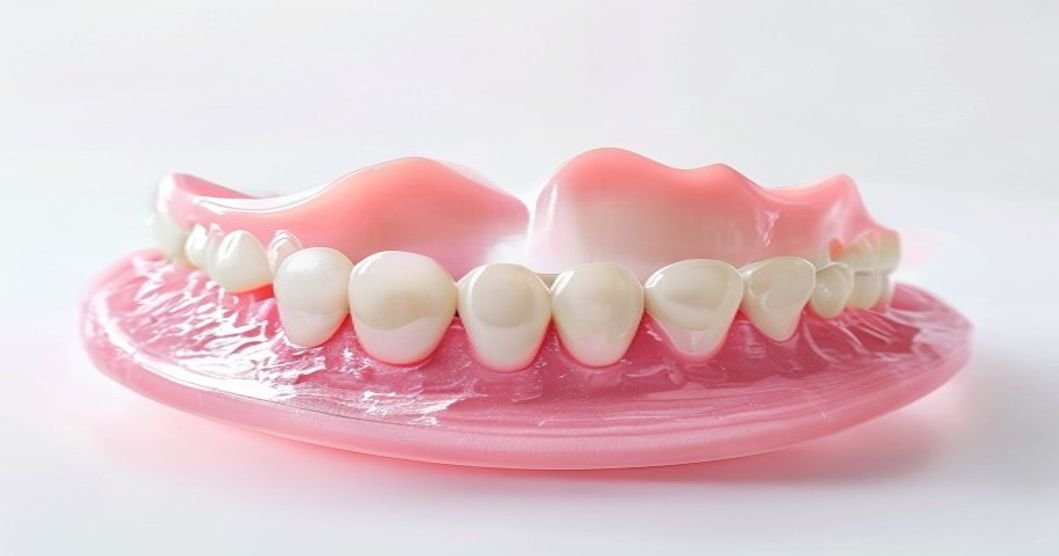
Gum Contouring reshapes your smile by removing excess gum tissue. Learn 2026 costs, procedure steps, recovery, insurance coverage, and provider tips.
A beautiful smile is about more than just white teeth. The balance between your teeth and gums plays a massive role in your overall facial aesthetics. Gum Contouring is a specialized cosmetic and restorative dental procedure designed to reshape the gum line. By removing or repositioning excess gum tissue, this treatment corrects a “gummy” smile, exposes more of the natural tooth crown, and creates a more symmetrical, balanced appearance.This comprehensive guide explains exactly what Gum Contouring is, who benefits most from it, and what you can expect from start to finish. We will cover the step-by-step procedure, realistic 2026 U.S. costs, dental insurance realities, potential risks, and long-term aftercare. You will learn how modern laser technology has made this process faster, less painful, and more precise than traditional scalpels. We will also explore alternative treatments to help you make an informed decision about your oral health.Because altering your gum line is a permanent change, the goal of this article is simple. We want to help you walk into your dental consultation fully informed, prepared, and ready to ask the right questions to achieve your ideal smile.
| Topic | Key Point |
|---|---|
| What it is | A procedure to reshape the gum line by removing excess tissue or correcting uneven gums. |
| Best candidates | People with a “gummy” smile, uneven gum lines, or excess tissue covering healthy teeth. |
| Treatment time | Usually takes 30 to 90 minutes per appointment, depending on the number of teeth treated. |
| Recovery basics | Mild soreness for 2-3 days; full tissue healing takes about 2 to 4 weeks. |
| Typical cost | Common U.S. pricing is about $500 to $3,000 per arch, depending on the method used. |
| Insurance | Often excluded if purely cosmetic, but may be partially covered if medically necessary. |
| Main benefit | Creates a balanced, symmetrical smile and can improve oral hygiene by reducing deep gum pockets. |
| Main risk | Temporary sensitivity, minor bleeding, and rare risks of infection or uneven healing. |
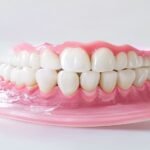
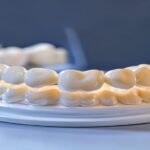
Gum Contouring, also known as gum reshaping, gingival sculpting, or tissue recontouring, is a dental procedure that alters the shape of your gum line. The gums, or gingiva, are the soft tissue that surrounds and protects the roots of your teeth. In some people, this tissue grows too far down the tooth crown. This creates the appearance of short, stubby teeth, commonly referred to as a “gummy smile.” In other cases, the gum line may be uneven, making some teeth look significantly longer than others.The procedure works by carefully removing the excess gum tissue. In some instances, a dentist may also need to reshape the underlying jawbone. When bone is removed along with the gum tissue to expose more of the tooth structure, the procedure is clinically known as crown lengthening. This is often necessary to ensure there is enough healthy tooth surface exposed to support a dental crown or filling in the future.Modern Gum Contouring is typically performed using a soft-tissue dental laser. Lasers offer a highly precise, minimally invasive alternative to traditional scalpels and sutures. The laser vaporizes the excess tissue while simultaneously sealing the blood vessels and nerve endings. This results in significantly less bleeding, reduced post-operative pain, and a much faster healing time compared to older surgical methods.This treatment is a cornerstone of both cosmetic dentistry and periodontal therapy. It is commonly used for patients who want to enhance their smile aesthetics without braces or veneers. It is also used therapeutically to treat gum overgrowth caused by certain medications, genetic factors, or poor oral hygiene. This overgrowth can create deep pockets where harmful bacteria thrive, leading to gum disease.
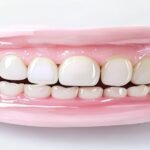
If you feel like your gums show too much when you smile, you might be a candidate for Gum Contouring. A gummy smile occurs when the gum tissue covers too much of the natural tooth crown. While this is a purely aesthetic concern for many, reshaping the gums can dramatically improve smile proportions and boost self-confidence.
Sometimes, the gum line does not follow a smooth, symmetrical curve across the front teeth. One tooth might appear significantly shorter or longer than its neighbors due to uneven gum tissue. Gum Contouring can level the playing field, creating a harmonious and balanced appearance across your entire smile.
Certain prescription medications, such as those for high blood pressure, seizures, or immunosuppression, can cause a condition called gingival hyperplasia. This leads to swollen, overgrown gums that can cover the teeth and make brushing difficult. If your gums are overgrown due to medication, reshaping may be medically necessary to restore proper oral hygiene.
If a tooth is broken or decayed below the gum line, a dentist cannot properly place a crown or filling. Crown lengthening, a specific type of Gum Contouring, removes tissue and sometimes bone to expose enough healthy tooth structure. This ensures the new restoration has a solid, stable foundation.When to call a dentist: If your gums are swollen, bleeding, painful, or growing rapidly, call a dentist promptly. These can be signs of active gum disease or a medication reaction that needs immediate evaluation. If your concern is purely the aesthetic shape of your gums and you have no pain, you can schedule a cosmetic consultation at your convenience.
| Item / Service | Average Cost (no insurance) | Typical Insurance Coverage | Notes |
|---|---|---|---|
| Cosmetic consultation | $100-$250 | Often covered as a standard exam | May be credited toward the final treatment cost. |
| Digital X-rays and imaging | $150-$300 | Often partially covered | Required to evaluate underlying bone levels. |
| Laser Gum Contouring (per tooth) | $50-$150 per tooth | Rarely covered if purely cosmetic | Cost adds up based on the number of teeth treated. |
| Laser Gum Contouring (full arch) | $1,000-$3,000 per arch | Varies widely | A flat rate is often cheaper than per-tooth pricing. |
| Surgical Crown Lengthening | $1,000-$2,500 per tooth/area | Often covered at 50%-80% | Classified as a medically necessary periodontal procedure. |
| Local anesthesia or sedation | $100-$400 | Sometimes partially covered | Depends on the level of sedation required. |
| Periodontal dressing or meds | $50-$150 | Often covered under basic benefits | Includes antimicrobial rinses or protective pastes. |
| Follow-up adjustment visits | $75-$150 per visit | Often covered as a post-op check | Usually includes 1-2 minor tweak visits. |
| Typical total per arch | $1,375-$3,850 | Varies widely | Cosmetic cases are mostly out-of-pocket. |
Several factors affect the final price of Gum Contouring. Geography plays a major role; urban and coastal dental markets often charge more than rural areas due to higher overhead costs. Provider specialty also impacts the price, as a board-certified periodontist or a highly trained cosmetic dentist may charge more for their advanced expertise. The technology used is another significant variable; practices utilizing advanced soft-tissue lasers typically charge a premium for the comfort and precision this technology provides. Finally, case complexity matters. Simple tissue reshaping on one or two teeth is far less expensive than full-arch crown lengthening, which requires altering the underlying bone structure.
Dental insurance coverage for Gum Contouring depends entirely on whether the procedure is deemed medically necessary or purely cosmetic. If the reshaping is done solely to improve the appearance of a gummy smile, insurance companies will almost always deny the claim as an elective cosmetic procedure.However, if the procedure is required for functional or health reasons, coverage is much more likely. Common ADA CDT codes that may be used include:
Coverage varies by plan type:
Many plans have a waiting period of 6 to 12 months for major periodontal services. Even when covered, annual maximums (often $1,000 to $2,000) may limit the total amount the insurance will pay in a single year.A predetermination of benefits is highly recommended. This is a formal request where your dentist submits the procedure codes, X-rays, and a letter of medical necessity to the insurance company before treatment begins. The insurer will then explain exactly what they will pay, preventing unexpected out-of-pocket bills.Without insurance, patients can consider:
Porcelain veneers are thin, custom-made shells of ceramic bonded to the front of the teeth. Costs typically range from $900 to $2,500 per tooth. They are preferred for patients who want to change the shape, size, or color of their teeth in addition to adjusting the gum line illusion. The key tradeoff is that veneers require the irreversible removal of a small amount of natural tooth enamel and do not actually remove excess gum tissue.
Orthodontics involves using braces or clear aligners (like Invisalign) to slowly move teeth into proper alignment. Costs commonly range from $3,000 to $8,000 for full treatment. This is preferred when a gummy smile is caused by the teeth erupting too far down or by jaw alignment issues. The tradeoff is that orthodontic treatment takes many months or years to complete and requires strict daily compliance.
In some cases, a gummy smile is caused by a hyperactive upper lip that lifts too high when smiling, rather than excess gum tissue. Botox injections can relax this muscle, limiting how high the lip rises. Costs typically range from $200 to $600 per session. This is preferred for a non-surgical, quick fix. The key tradeoff is that the results are temporary, lasting only 3 to 4 months, requiring ongoing maintenance injections.
This is an older surgical method of Gum Contouring that uses a scalpel to cut away excess tissue, followed by sutures (stitches). Costs are similar to laser contouring, around $500 to $2,500 per arch. It is preferred if a patient does not have access to a dentist with laser technology. The tradeoff is a more uncomfortable recovery, higher risk of bleeding, and a longer healing time compared to modern laser procedures.
Do:
Do not:
During the first week, mild soreness and swelling are normal but should gradually improve. You can return to light, normal activities within 1 to 2 days, though strenuous exercise should be avoided for at least 3 to 4 days to prevent increased bleeding.Eat a soft diet, gradually reintroducing easily chewable foods like scrambled eggs, pasta, and cooked vegetables. Begin gentle oral hygiene by rinsing with warm salt water or a prescribed antimicrobial mouthwash after meals. You can carefully brush your non-treated teeth, but avoid the healing gum line until your dentist gives the all-clear.
To protect your newly contoured gums and maintain your beautiful smile:
Call your dentist immediately if you notice:
Questions to ask at the consultation:
The procedure itself is virtually painless. Your dentist will apply a topical numbing gel followed by a local anesthetic injection to completely numb the area. You may feel slight pressure or vibration from the laser, but no sharp pain. After the numbing wears off, most patients report only mild soreness or tenderness for a few days, which is easily managed with over-the-counter pain relievers like ibuprofen.
The initial healing phase, where the surface tissue closes and minor swelling subsides, typically takes about 1 to 2 weeks. During this time, you will need to stick to a soft diet and practice gentle oral hygiene. However, complete tissue maturation and the final settling of your new gum line can take 4 to 6 weeks. Your dentist will schedule a follow-up visit around the two-week mark to ensure everything is healing correctly.
In the vast majority of cases, no. When a dentist removes excess gum tissue, especially using a laser, the tissue is permanently eliminated and will not grow back. This makes Gum Contouring a long-lasting, permanent solution for a gummy smile. However, if your gum overgrowth was caused by an underlying issue like certain medications or severe gum disease, addressing that root cause is essential to prevent future tissue changes.
Yes, Gum Contouring is one of the most effective and direct treatments for a gummy smile. A gummy smile occurs when excess gum tissue covers too much of the natural tooth crown, making the teeth look short. By carefully reshaping and removing this excess tissue, the dentist exposes more of the tooth, creating a balanced, symmetrical, and aesthetically pleasing smile line.
While often used interchangeably, they have a slight clinical difference. Gum Contouring typically refers to the cosmetic reshaping of the soft gum tissue to improve the smile’s appearance. Crown lengthening is a more extensive procedure that removes both gum tissue and a small amount of the underlying jawbone. Crown lengthening is usually performed to expose enough healthy tooth structure to support a dental crown or filling, though it also has cosmetic benefits.
Not immediately. For the first 3 to 5 days, you must stick to a strict soft-food diet to protect the healing tissue. Foods like yogurt, mashed potatoes, smoothies, and scrambled eggs are ideal. You should avoid hard, crunchy, spicy, or very hot foods, as these can irritate the surgical site or dislodge any protective dressings. After about a week, you can gradually reintroduce your normal diet as comfort allows.
Coverage depends entirely on the reason for the procedure. If Gum Contouring is performed purely for cosmetic reasons to fix a gummy smile, dental insurance will almost always deny the claim as an elective procedure. However, if the procedure is deemed medically necessary—for example, to treat severe gum overgrowth or to expose a decayed tooth for a crown—insurance may cover a portion of the cost, typically between 50% and 80%, subject to your plan’s deductible and annual maximum.
Gum Contouring offers a highly effective, minimally invasive solution for patients seeking to correct a gummy smile, uneven gum lines, or excess tissue that hinders oral hygiene. By utilizing advanced laser technology, dentists can permanently reshape the gum line with minimal discomfort, reduced bleeding, and a remarkably fast recovery time.The most important points to remember are that this procedure provides long-lasting aesthetic and functional benefits, but it requires careful aftercare and realistic expectations. While purely cosmetic cases are typically paid out-of-pocket, medically necessary crown lengthening may be partially covered by dental insurance.If you are unhappy with the appearance of your gums or are struggling with deep gum pockets, do not wait. Schedule a consultation with a licensed cosmetic dentist or periodontist. Early evaluation ensures your underlying oral health is sound and helps you determine if Gum Contouring is the safest, most effective path to achieving your ideal, confident smile.