Physical Address
304 North Cardinal St.
Dorchester Center, MA 02124
Physical Address
304 North Cardinal St.
Dorchester Center, MA 02124

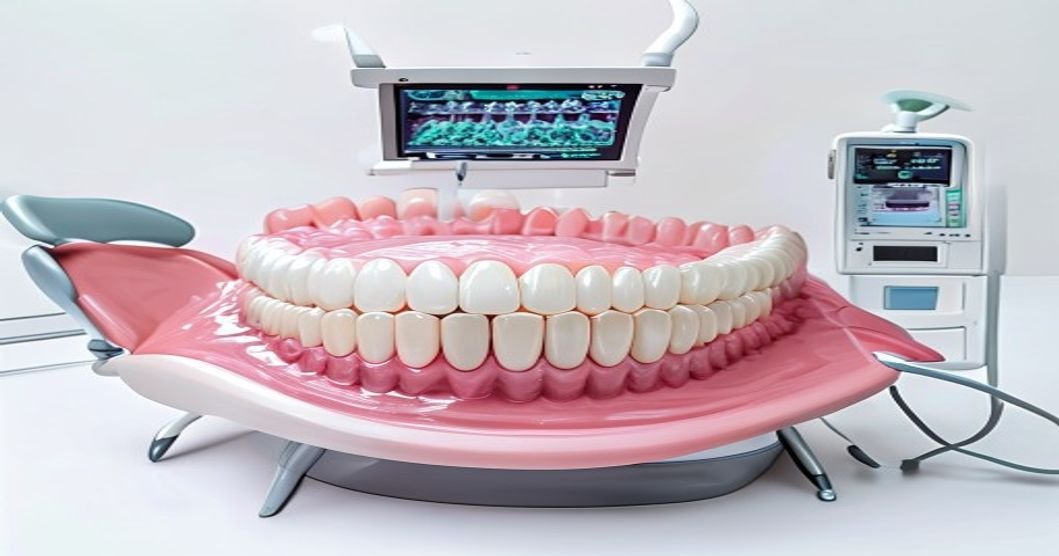
Discover everything about Full Mouth Reconstruction, including average costs, procedure steps, insurance coverage, and recovery tips for a healthy smile.
Losing teeth or suffering severe dental damage can deeply impact your confidence, health, and daily life. Full Mouth Reconstruction is a comprehensive, customized dental treatment plan designed to rebuild, restore, or replace all or most of the teeth in both the upper and lower jaws. This extensive process is not just about aesthetics. It is primarily about restoring proper chewing function, clear speech, and long-term oral health. Patients typically need this level of care due to advanced decay, severe trauma, or progressive gum disease. In this guide, you will learn exactly what the procedure involves, realistic cost expectations, insurance coverage details, and step-by-step recovery tips. Understanding your options empowers you to make informed decisions about your dental health and invest in a lasting, healthy smile.
| Topic | Key Point |
|---|---|
| Definition | A customized combination of dental procedures to restore function and aesthetics to the entire mouth. |
| Ideal Candidates | Patients with severe decay, advanced gum disease, multiple missing teeth, or chronic jaw pain. |
| Common Procedures | Dental implants, crowns, bridges, veneers, periodontal therapy, and bite correction. |
| Timeline | Typically spans 3 to 12 months, depending on case complexity and healing requirements. |
| Average Cost | Ranges from $30,000 to $90,000+ without insurance, depending on materials and scope. |
| Insurance Coverage | Often partially covers medically necessary steps (like extractions or crowns), but rarely covers the full amount. |
| Recovery | Involves 2 to 3 days of mild soreness per session, with full bone healing taking 3 to 6 months. |
| Longevity | With proper care, restorations like implants and crowns can last 15 to 25 years or more. |
Full Mouth Reconstruction (also known as full mouth rehabilitation or restoration) is not a single dental procedure. Instead, it is a highly customized treatment plan that combines multiple dental specialties to rebuild the health, function, and appearance of your entire mouth. To understand why this is necessary, it helps to know basic dental anatomy. A healthy tooth has a hard outer layer called enamel, which protects the softer, sensitive layer underneath called dentin. Inside the dentin is the pulp, which contains nerves and blood vessels. Teeth are anchored into the jawbone by roots and supported by healthy gums. When severe decay, trauma, or gum disease damages the enamel and reaches the pulp, it causes pain, infection, and eventual tooth loss. Furthermore, your teeth do not exist in isolation. They work together with your jaw joint (the temporomandibular joint, or TMJ) and surrounding muscles to create your bite, or occlusion. If multiple teeth are missing, damaged, or misaligned, the entire bite collapses. This can lead to uneven wear, jaw pain, and further tooth loss.Full mouth reconstruction addresses these issues at a macro level. A dentist or prosthodontist will evaluate your entire oral system. The plan may involve prosthodontics (replacing missing teeth), periodontics (treating gum disease), endodontics (root canal therapy), and oral surgery (extractions or bone grafting). The ultimate goal is to create a stable, functional, and beautiful foundation that will last for decades.
You might be a candidate for this comprehensive treatment if you experience multiple overlapping dental issues. Below are the most common indicators.
If you have multiple teeth with large, failing fillings, deep cavities, or cracks extending below the gumline, individual repairs may no longer be viable. When a significant portion of your natural tooth structure is compromised, rebuilding the entire mouth is often the most predictable long-term solution.
Gum disease destroys the bone and tissue that support your teeth. If you have been diagnosed with advanced periodontitis, your teeth may become loose or shift out of place. Treating the gum disease is the mandatory first step before any restorative work can begin. Call your dentist promptly if you notice bleeding gums, persistent bad breath, or loose teeth, as this cannot wait.
A damaged bite forces your jaw muscles to work overtime. This can lead to chronic headaches, facial pain, clicking or popping in the jaw, and worn-down teeth from clenching or grinding (bruxism). If your jaw pain is accompanied by visible tooth wear, a full reconstruction can realign your bite and relieve the strain.
Losing several teeth changes the way your remaining teeth share chewing forces. The remaining teeth take on excessive stress, leading to premature wear or fracture. Additionally, missing teeth cause the jawbone to shrink over time. Replacing multiple missing teeth is crucial to halt this bone loss and restore normal function.
Frequent consumption of acidic foods and drinks, or chronic nighttime teeth grinding, can strip away enamel. This leaves teeth looking short, yellow, and highly sensitive. If the wear is extensive across both arches, rebuilding the teeth to their proper height and shape is necessary.
Undergoing a full mouth reconstruction is a journey, not a single event. Here is a step-by-step walkthrough of what you can expect from start to finish.
Like any major medical procedure, full mouth reconstruction carries both significant benefits and potential risks. Understanding both helps you set realistic expectations.
The cost of full mouth reconstruction varies widely based on the specific procedures required. Below is a breakdown of average costs based on current 2024-2026 US market rates.
| Item / Service | Average Cost (no insurance) | Typical Insurance Coverage | Notes |
|---|---|---|---|
| Initial Consultation & 3D Imaging | $250 – $600 | 80% – 100% | Includes exam, X-rays, and CBCT scan. |
| Periodontal Therapy (per quadrant) | $800 – $1,200 | 50% – 80% | Deep cleaning to treat active gum disease. |
| Tooth Extraction (per tooth) | $200 – $500 | 50% – 80% | Simple extraction; surgical extraction costs more. |
| Bone Grafting (per site) | $400 – $1,200 | 50% | Required if jawbone is too thin for implants. |
| Dental Implant (per tooth) | $3,000 – $5,000 | 50% (often capped) | Includes the implant post, abutment, and crown. |
| Dental Crown (per tooth) | $1,000 – $2,500 | 50% | Cost varies by material (e.g., zirconia vs. PFM). |
| Full Arch Implant Bridge (per arch) | $15,000 – $30,000 | 50% (up to annual max) | “All-on-4” or similar implant-supported dentures. |
| Custom Nightguard | $400 – $800 | 50% | Essential to protect new restorations from grinding. |
| Typical Total Range | $30,000 – $90,000+ | Varies greatly | Depends on the number of teeth replaced. |
Several main factors cause this cost variation. Geography plays a major role; practices in major urban centers like New York or San Francisco charge significantly more than those in rural areas. Provider specialty also affects price, as a board-certified prosthodontist typically charges more than a general dentist due to advanced training. The materials used are another factor; high-strength zirconia or layered porcelain costs more than basic porcelain-fused-to-metal (PFM). Finally, the complexity of the case dictates the price. A patient needing extensive bone grafting and full arch replacements will naturally incur higher costs than someone needing a few crowns and a partial denture.
Navigating dental insurance for major work can be confusing, but understanding the basics can save you thousands of dollars. First, know that insurance companies evaluate claims based on ADA (American Dental Association) procedure codes. For example, a dental implant is coded as D6010, a crown is D2740, and periodontal scaling is D4341. Insurance does not cover “full mouth reconstruction” as a single code; they cover the individual, medically necessary procedures that make up the plan.Plan types matter significantly. Preferred Provider Organization (PPO) plans offer the most flexibility and typically cover 50% of major restorative procedures after you meet your deductible. Health Maintenance Organization (HMO) plans may cover a portion but restrict you to a specific network of providers. Indemnity plans reimburse a set percentage but often have lower overall maximums.Most dental insurance plans have an annual maximum, typically ranging from $1,500 to $2,500. This is the absolute most the insurance will pay in a single calendar year, regardless of the total cost of your care. Additionally, many plans impose a 6- to 12-month waiting period for major procedures like crowns and implants.To avoid surprise bills, always request a predetermination of benefits (also called a pre-authorization). Your dentist submits the planned treatment codes to your insurance company before starting. The insurer then returns a document detailing exactly what they will pay and what your out-of-pocket responsibility will be.If you do not have dental insurance, explore alternative options. Dental schools offer supervised, high-quality care at a fraction of the cost, though appointments take longer. Dental discount plans (like Careington or Aetna Dental Access) charge an annual fee of $100 to $200 and provide 15% to 50% discounts at participating offices. Finally, many clinics offer third-party payment plans through companies like CareCredit or Sunbit, which often feature 0% interest promotional periods for 12 to 24 months.
Depending on your specific oral health status and budget, your dentist might suggest alternative treatments instead of, or alongside, a full reconstruction.
What it is: Custom-made acrylic or metal appliances that replace missing teeth and can be taken out for cleaning.
When it is preferred: For patients with severe bone loss who are not candidates for implants, or those with strict budget constraints.
Approximate Cost: $1,000 to $3,000 per arch.
Key Tradeoff: Dentures are significantly less expensive upfront, but they are less stable, can slip while eating or speaking, and do not prevent ongoing jawbone shrinkage.
What it is: Addressing only the most severely damaged teeth with individual crowns, fillings, or root canals, while leaving the rest of the mouth as-is.
When it is preferred: When the patient has good overall oral health, a stable bite, and only a few isolated problem areas.
Approximate Cost: $2,000 to $10,000, depending on the number of teeth treated.
Key Tradeoff: This is a conservative, lower-cost approach. However, it does not address underlying bite imbalances or widespread aesthetic concerns, meaning other teeth may fail in the future.
What it is: Using traditional braces or clear aligners (like Invisalign) to straighten crooked teeth and correct the bite.
When it is preferred: When the primary issue is misalignment or crowding, but the teeth themselves are healthy and free of major decay.
Approximate Cost: $3,000 to $7,000.
Key Tradeoff: Orthodontics improves alignment and bite function beautifully, but it cannot replace missing teeth or rebuild teeth that are already severely broken down or decayed.
Proper aftercare is critical to the success and longevity of your full mouth reconstruction. Follow these guidelines to ensure smooth healing.First 24 Hours
Days 2 to 7
Long-Term Care
To protect your investment, maintain impeccable oral hygiene. Brush twice daily with a non-abrasive toothpaste and floss every day. If your dentist recommends a water flosser, use it on a low setting. Attend professional cleanings and check-ups every six months. If you clench or grind your teeth, wear your custom nightguard every single night without exception.Red-Flag Symptoms
Call your dentist immediately if you experience:
Choosing the right provider is the most important decision you will make in this process. Consider these factors when evaluating your options:
Questions to Ask at Your Consultation:
The timeline varies based on case complexity, but most full mouth reconstructions take between 3 to 12 months to complete. This duration accounts for the initial planning phase, healing time after extractions or bone grafting, the 3 to 6 months required for dental implants to fuse with the jawbone (osseointegration), and the final placement of permanent crowns or bridges. Complex cases requiring extensive gum surgery may take closer to a year.
Modern dentistry makes the procedure highly manageable. During the procedure, you will receive local anesthesia, and many offices offer sedation options to keep you completely relaxed and pain-free. You will feel pressure and vibration, but no sharp pain. Afterward, it is normal to experience mild to moderate soreness, swelling, and bruising for 2 to 3 days. This is easily controlled with over-the-counter pain relievers or prescribed medications, along with ice packs.
With proper care, the results of a full mouth reconstruction are highly durable and long-lasting. Dental implants can last a lifetime, as the titanium post fuses permanently with the jawbone. The visible restorations, such as zirconia or porcelain crowns and bridges, typically last 15 to 25 years. Longevity depends heavily on your oral hygiene habits, regular dental visits, and wearing a nightguard if you grind your teeth.
True full mouth reconstruction cannot be completed in a single day due to biological healing requirements. However, procedures like “All-on-4” or “Teeth in a Day” allow patients to receive temporary, fixed teeth on the same day their implants are placed. While you leave the office with a functional smile, the underlying implants still require 3 to 6 months to heal and fuse with the bone before the final, permanent teeth are attached.
The primary difference lies in the medical necessity and scope of the work. Full mouth reconstruction is a medically necessary, comprehensive treatment plan focused on restoring health, function, and structural integrity to a damaged mouth. A smile makeover, on the other hand, is primarily elective and cosmetic. It focuses on improving the appearance of healthy teeth using treatments like veneers or teeth whitening, without addressing underlying functional or structural disease.
Yes, initially. For the first 2 to 7 days after surgical procedures or the placement of new restorations, you must stick to a soft-food diet to protect the healing tissues and new dental work. Foods like yogurt, mashed potatoes, scrambled eggs, and smoothies are ideal. As your mouth heals and your dentist gives the all-clear, you can gradually reintroduce firmer foods. Long-term, you should avoid using your new teeth to crack nuts or bite directly into very hard objects like ice.
Yes, several financing options exist to make this investment manageable. Many dental offices partner with third-party medical credit companies like CareCredit or Sunbit, which often offer 0% interest promotional periods for 12 to 24 months for qualified applicants. Additionally, you can utilize Health Savings Accounts (HSAs) or Flexible Spending Accounts (FSAs) to pay for eligible expenses with pre-tax dollars. Some clinics also offer in-house monthly payment plans.
Full mouth reconstruction is a transformative, comprehensive approach to restoring the health, function, and appearance of your smile. It is a significant investment of both time and resources, but the benefits of being able to chew comfortably, speak clearly, and smile with confidence are immeasurable. The process requires careful, phased planning, and costs can range widely based on the materials used and the complexity of your specific case. Do not delay seeking professional advice if you are experiencing severe dental issues. Early intervention is almost always less expensive, less invasive, and more effective than waiting for the damage to worsen. Take the first step toward reclaiming your oral health by scheduling a consultation with a licensed, experienced dentist or prosthodontist today. They can evaluate your unique situation and build a customized roadmap to your best possible smile.