Physical Address
304 North Cardinal St.
Dorchester Center, MA 02124
Physical Address
304 North Cardinal St.
Dorchester Center, MA 02124

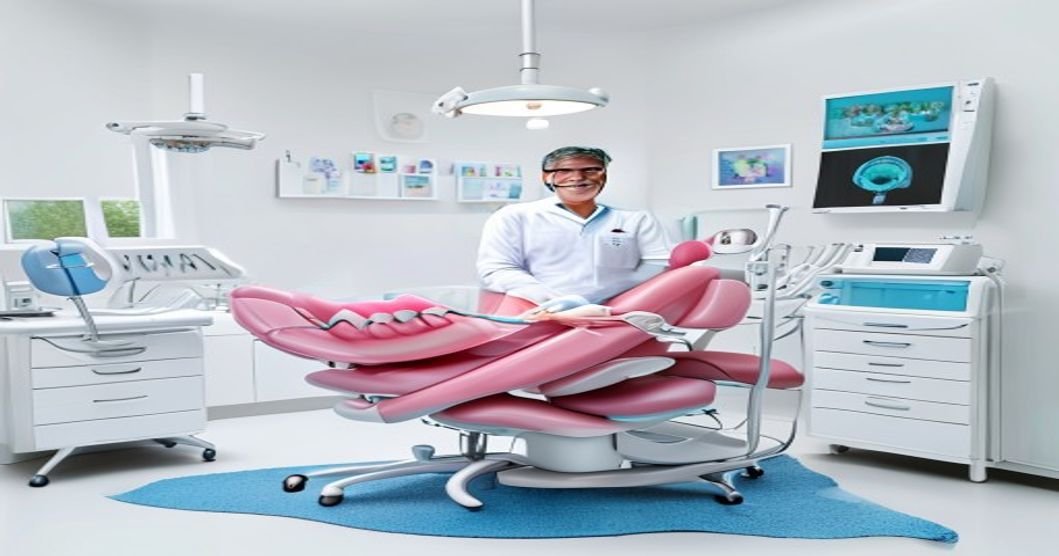
Learn everything about Oral Cancer Screening, including procedure steps, average costs, insurance coverage, and when to get checked for early detection.
Every year, thousands of Americans are diagnosed with oral cancer, but early detection dramatically improves survival rates. An Oral Cancer Screening is a quick, painless, and potentially life-saving part of your regular dental visit. During this exam, your dentist checks the tissues in your mouth, throat, and neck for any unusual signs or symptoms of cancer. Who needs it? Everyone over the age of 18 should receive an Oral Cancer Screening at least once a year. This is especially critical if you use tobacco, drink alcohol frequently, or have a history of HPV. In this comprehensive guide, you will learn exactly what an Oral Cancer Screening involves, the warning signs to watch for, what to expect during the procedure, and how much it costs. We will also cover insurance coverage, aftercare, and how to find the right dental professional to protect your long-term health. Understanding this process empowers you to take control of your oral health and catch potential issues before they become serious.
| Topic | Key Point |
|---|---|
| Purpose | Detects early signs of oral cancer in the mouth, throat, and neck tissues. |
| Frequency | Recommended annually for all adults, and more often for high-risk individuals. |
| Procedure Time | Typically takes only 5 to 10 minutes during a routine dental checkup. |
| Pain Level | Completely painless and non-invasive for standard visual and tactile exams. |
| High-Risk Factors | Tobacco use, heavy alcohol consumption, HPV infection, and excessive sun exposure. |
| Average Cost | Usually ranges from $0 to $75 out-of-pocket, as it is often bundled with routine exams. |
| Insurance Coverage | Frequently covered at 80% to 100% under preventive dental insurance benefits. |
| Next Steps | If an abnormality is found, your dentist may recommend a biopsy or specialist referral. |
An Oral Cancer Screening is a systematic examination performed by a dentist or dental hygienist to identify early signs of cancer or precancerous conditions in the oral cavity. This includes the lips, gums, tongue, inner cheeks, roof of the mouth, floor of the mouth, and the back of the throat. The goal is to find abnormalities when they are smallest and most treatable, long before they cause severe symptoms.The human mouth contains complex tissues that are constantly exposed to environmental factors, food, bacteria, and potential carcinogens. Because oral cancer can develop silently, a professional Oral Cancer Screening is the most reliable way to detect changes that the naked eye might miss during daily brushing. Dentists are trained to recognize the subtle differences between a harmless canker sore and a suspicious lesion that requires further investigation.This screening fits seamlessly into your overall oral health care routine. It is not a separate, intimidating event, but rather a standard component of a comprehensive dental evaluation. During the exam, the dentist uses a bright light, a small mirror, and their gloved hands to feel for lumps, bumps, or irregular textures. In some cases, dentists may use adjunctive screening tools. These include special lights (like VELscope) that cause abnormal tissues to fluoresce differently than healthy tissues, or harmless rinses that temporarily stain suspicious cells. These advanced tools enhance the accuracy of the visual and tactile Oral Cancer Screening, providing peace of mind and ensuring nothing is overlooked. Early detection through regular screening is the single most effective strategy for surviving oral cancer, with five-year survival rates jumping significantly when cancer is caught in its localized stage.
While routine screenings are for everyone, certain symptoms should prompt you to schedule an immediate Oral Cancer Screening. Do not ignore persistent changes in your mouth.
A common sign is a sore or ulcer in the mouth that does not heal within two weeks. Unlike typical canker sores that resolve quickly, cancerous lesions persist and may gradually enlarge. If you have a sore that bleeds easily or remains painful, call your dentist promptly for an evaluation.
You may feel a new lump, bump, or thickened area on your lips, gums, cheeks, or neck. These can develop slowly and might not be painful at first. Any new growth that feels firm or fixed to the underlying tissue warrants a professional Oral Cancer Screening to rule out malignancy.
Erythroplakia (red patches) and leukoplakia (white patches) on the gums, tongue, or lining of the mouth can be precancerous. While not all patches are cancerous, they are significant warning signs. A dentist must examine these patches to determine if a biopsy is necessary.
If you experience sudden or progressive difficulty moving your jaw or tongue, or if swallowing becomes painful, seek immediate care. This can indicate a tumor interfering with normal muscle function or nerve pathways in the oral cavity or throat.
Persistent numbness in the mouth, tongue, or lips, or a sore throat that feels like something is caught in your throat, can be neurological signs of oral cancer. If these symptoms last more than two weeks without an obvious cause like a cold, schedule an Oral Cancer Screening right away.
Understanding the steps of an Oral Cancer Screening can eliminate any anxiety you might have. The process is straightforward, efficient, and designed for your comfort.
Like any medical procedure, it is important to understand both the advantages and the minimal risks associated with an Oral Cancer Screening.
The cost of an Oral Cancer Screening is generally very affordable, especially when compared to the costs of treating advanced oral cancer. Below is a breakdown of typical expenses in the United States based on 2024-2025 national averages.
| Item / Service | Average Cost (no insurance) | Typical Insurance Coverage | Notes |
|---|---|---|---|
| Routine Dental Exam | $75 – $150 | 80% – 100% | Screening is usually bundled into this code (D0120/D0140). |
| Comprehensive Exam | $100 – $200 | 80% – 100% | For new patients; includes full oral cancer check. |
| Adjunctive Screening Tool | $25 – $75 | 50% – 80% | Use of VELscope or similar fluorescence technology (D0160). |
| Oral Brush Biopsy | $100 – $250 | 50% – 80% | If a suspicious lesion is scraped for lab analysis. |
| Pathology Lab Fee | $150 – $300 | 50% – 80% | Separate fee for the lab to analyze the biopsy sample. |
| Follow-Up Evaluation | $50 – $100 | 80% – 100% | Brief visit to discuss biopsy results or monitor a lesion. |
| Typical Total Range | $75 – $200 | Mostly Covered | For a standard screening without a biopsy. |
The main factors that cause cost variation include geography, provider specialty, and case complexity. Patients in major urban centers or coastal cities will typically pay 20% to 30% more than those in rural areas due to higher overhead costs. Additionally, if you see an oral surgeon or an oral medicine specialist for a complex lesion, their fees will be higher than a general dentist. The materials used, such as advanced fluorescence devices, also add a modest premium to the base examination fee.
Yes, in most cases, dental insurance covers Oral Cancer Screening because it is considered a preventive service. Applicable ADA Procedure Codes: The screening is typically billed under standard evaluation codes. D0120 (Periodic oral evaluation) or D0140 (Limited oral evaluation) are the most common. If a specific, detailed evaluation of a suspicious lesion is performed, the dentist may use D0160 (Detailed and extensive oral evaluation – problem focused, by report).Plan Types and Coverage: Preferred Provider Organization (PPO) plans and indemnity plans typically cover these evaluation codes at 80% to 100% as part of your preventive benefits. Health Maintenance Organization (HMO) plans usually cover the screening entirely with a small, fixed copay (e.g., $10 to $25). Waiting Periods: Because it is a preventive service, most PPO and indemnity plans do not impose a waiting period for routine oral evaluations. You can usually use this benefit immediately upon your policy’s effective date.Predetermination of Benefits: If your dentist recommends an adjunctive screening tool (D0160) or a biopsy, it is wise to request a predetermination of benefits. This is a pre-authorization where the dentist submits the proposed treatment plan to your insurance company to confirm exactly what will be covered and what your out-of-pocket responsibility will be before the procedure occurs.Tips for Patients Without Insurance: If you are uninsured, ask your dental office about in-house membership or discount plans, which can reduce the cost of exams by 15% to 25%. Dental schools also offer high-quality, supervised screenings at a fraction of the cost of private practices. Additionally, many offices offer third-party financing like CareCredit, allowing you to pay for any necessary follow-up biopsies in manageable monthly installments.
While an in-office Oral Cancer Screening is the gold standard, patients and dentists may consider alternative or complementary approaches depending on the clinical scenario.
What it is: A monthly, systematic check of your own mouth and neck using a mirror and good lighting.
When preferred: As a complementary habit between professional dental visits, especially for high-risk individuals.
Approximate Cost: $0.
Key Tradeoff: It is free and empowers patients, but lacks the clinical expertise and adjunctive tools of a professional Oral Cancer Screening, making it easy to miss subtle or hidden lesions.
What it is: An emerging diagnostic tool that analyzes saliva for specific proteins or genetic markers associated with oral cancer.
When preferred: In research settings or as an adjunct for patients with a very high risk of recurrence after previous oral cancer treatment.
Approximate Cost: $200 – $500 (often out-of-pocket or clinical trial).
Key Tradeoff: It is completely non-invasive and painless, but it is not yet a widely accepted, standalone replacement for a visual and tactile clinical screening due to variable sensitivity.
What it is: Monitoring a benign-appearing lesion (like a minor trauma ulcer) for two weeks to see if it resolves on its own before taking further action.
When preferred: When a patient presents with a clear, minor injury (e.g., a cheek bite) with no other risk factors.
Approximate Cost: $0 (if no follow-up visit is charged).
Key Tradeoff: Avoids unnecessary, invasive biopsies for harmless conditions, but carries a slight risk of delaying diagnosis if the lesion is actually precancerous and the patient fails to return for follow-up.
What it is: Three-dimensional imaging or magnetic resonance imaging to evaluate deeper tissues of the jaw, neck, or throat.
When preferred: When a palpable lump is found in the neck or jaw, and the dentist needs to see beneath the surface mucosa.
Approximate Cost: $300 – $1,500+.
Key Tradeoff: Provides unparalleled detail of deep tissue structures that a surface Oral Cancer Screening cannot see, but it is expensive, involves radiation (in the case of CBCT), and is not used for routine, surface-level screening.
A standard Oral Cancer Screening requires no recovery. However, if your dentist performs an adjunctive test or a brush biopsy during the visit, proper aftercare ensures comfortable and rapid healing.First 24 Hours:
Days 2-7:
Long-Term Care:
Red-Flag Symptoms:
Call your dentist immediately if you experience:
Choosing the right provider ensures your Oral Cancer Screening is thorough, accurate, and comfortable. Consider these factors when making your decision:
Questions to Ask at Your Consultation:
You should receive an Oral Cancer Screening at least once a year during your routine dental checkup. However, if you are at a higher risk due to tobacco use, heavy alcohol consumption, a history of HPV, or previous oral cancer, your dentist may recommend screenings every three to six months to ensure any changes are caught as early as possible.
No, a standard Oral Cancer Screening is completely painless and non-invasive. The dentist simply uses a light, a mirror, and their gloved hands to look and feel for abnormalities. The only potential for mild, temporary discomfort arises if a suspicious lesion is found and a brush biopsy or tissue sample is required, which is numbed beforehand.
If your dentist identifies an unusual patch, sore, or lump, they will not immediately assume it is cancer. Most oral abnormalities are benign. However, they will likely recommend a follow-up appointment in two weeks to see if it heals, or they may perform a brush biopsy or refer you to an oral surgeon for a definitive tissue biopsy to rule out malignancy.
Yes, registered dental hygienists are extensively trained to perform the initial visual and tactile components of an Oral Cancer Screening during your regular teeth cleaning. However, the dentist will always review the findings, conduct their own evaluation, and make the final diagnosis or referral decisions.
Yes, a comprehensive Oral Cancer Screening includes an examination of the oropharynx, which is the back of the throat, the base of the tongue, and the tonsil areas. While a dentist cannot see the entire larynx or esophagus, they can detect many early signs of throat cancer and will refer you to an Ear, Nose, and Throat (ENT) specialist if deeper evaluation is needed.
No special preparation is required for an Oral Cancer Screening. You do not need to fast, and you should continue your normal brushing and flossing routine. It is helpful, however, to make a list of any mouth sores, pain, or changes you have noticed recently, as well as an updated list of your medications and medical history.
While no screening is 100% infallible, a professional Oral Cancer Screening performed by a trained dentist is highly accurate for detecting surface-level abnormalities. The addition of adjunctive tools like fluorescence screening can further improve sensitivity. However, a definitive diagnosis of cancer can only be made through a histological examination of a tissue biopsy by a pathologist.
An Oral Cancer Screening is a simple, painless, and vital component of your overall health maintenance. By dedicating just a few minutes during your regular dental visit to this exam, you dramatically increase your chances of detecting potential issues in their earliest, most treatable stages. Remember that early intervention is almost always less invasive, less expensive, and far more effective than waiting for symptoms to worsen. Do not wait for pain or obvious changes to seek care. Take a proactive approach to your health by scheduling a consultation with a licensed, experienced dentist today. Your smile and your long-term well-being are worth the investment of a routine, life-saving Oral Cancer Screening.