Physical Address
304 North Cardinal St.
Dorchester Center, MA 02124
Physical Address
304 North Cardinal St.
Dorchester Center, MA 02124

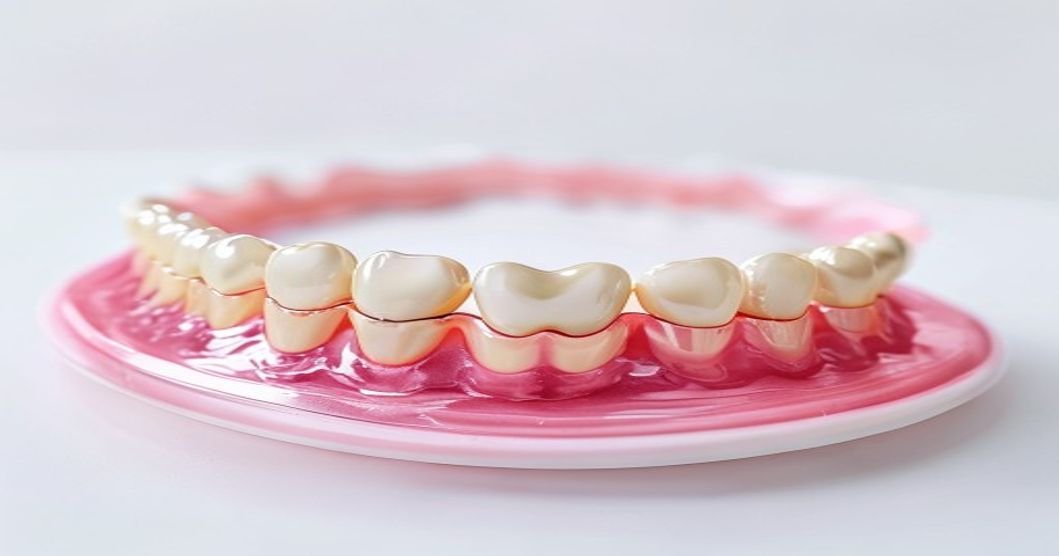
Discover everything about Snap-In Dentures, including procedure steps, average costs, insurance coverage, and aftercare tips for a secure, confident smile.
Struggling with loose, slipping traditional dentures can be incredibly frustrating and embarrassing. If you are tired of messy adhesives and the fear of your teeth falling out, Snap-In Dentures offer a revolutionary solution. Also known as implant-supported overdentures, these prosthetics securely attach to dental implants in your jawbone. This provides unmatched stability, comfort, and confidence for daily activities like eating and speaking.Who needs this procedure? Snap-In Dentures are ideal for patients who have lost most or all of their teeth in the upper or lower arch but want a more secure alternative to conventional removable dentures. They are especially beneficial for those with significant jawbone loss who cannot support a full arch of individual, permanent implants.In this comprehensive guide, you will learn exactly what Snap-In Dentures involve, the signs that indicate you are a good candidate, and what to expect during the multi-step procedure. We will also cover realistic average costs, insurance coverage, essential aftercare, and how to find the right dental professional. Understanding this process empowers you to make informed decisions about restoring your oral function. Early intervention prevents further bone loss and dramatically improves your quality of life.
| Topic | Key Point |
|---|---|
| Purpose | Replaces a full arch of missing teeth with a denture that snaps securely onto dental implants. |
| Ideal Candidates | Patients missing all teeth in an arch who struggle with loose, uncomfortable traditional dentures. |
| Procedure Time | Typically requires 3 to 4 visits over 3 to 6 months to allow for proper implant healing. |
| Pain Level | Mild to moderate discomfort after implant surgery, easily managed with over-the-counter medication. |
| Average Cost | Ranges from $6,000 to $15,000 per arch, depending on the number of implants and materials used. |
| Insurance Coverage | Often partially covered (around 50%) under major restorative or prosthetic dental benefits. |
| Longevity | Implants can last a lifetime, while the denture attachment components need replacement every 1 to 3 years. |
| Crucial Aftercare | Daily removal for cleaning and regular professional maintenance of the implant attachments are mandatory. |
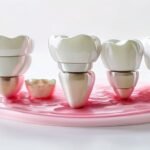
Snap-In Dentures, clinically referred to as implant-supported overdentures, are a modern hybrid between traditional removable dentures and permanent fixed dental implants. Instead of relying on suction or messy adhesives to stay in place, these dentures feature special attachments on their underside. These attachments literally “snap” onto small titanium posts that are surgically placed in your jawbone.The foundation of this system is the dental implant. An implant acts as an artificial tooth root, integrating directly with your jawbone through a biological process called osseointegration. For a lower arch, dentists typically place two to four implants. For an upper arch, which naturally has softer bone, four to six implants are usually required to provide adequate, long-lasting support.Once the implants heal, the dentist attaches specialized connectors, such as locator abutments or ball attachments, to the top of the implants. The underside of the custom-made denture contains corresponding nylon caps or clips. When you press the denture into place, you hear a satisfying “click,” confirming a secure, stable fit.This design offers a massive upgrade in oral function. Patients can bite and chew with significantly more force than with traditional dentures. Furthermore, because the implants stimulate the jawbone, Snap-In Dentures help prevent the severe bone resorption, or shrinkage, that normally occurs after tooth loss.While the denture itself is still removable for easy cleaning at night, it remains firmly locked in place during the day. This eliminates the embarrassment of slipping teeth, reduces gum irritation, and restores a natural-looking, confident smile. It is widely considered the standard of care for edentulous patients seeking a reliable, long-term solution.
Recognizing the signs that traditional dentures are no longer serving you well is the first step toward a better solution. Snap-In Dentures are highly recommended when you experience specific functional or comfort issues in your daily life.
If your current lower or upper denture constantly shifts, rocks, or falls out when you laugh, sneeze, or speak, it is time for an upgrade. Slippage is a hallmark sign that your jawbone has shrunk, breaking the natural suction seal. Snap-In Dentures eliminate this movement entirely by anchoring securely to implants.
Traditional denture wearers often avoid hard, crunchy, or chewy foods like apples, steak, or nuts due to fear of dislodging their teeth. If you are restricted to a soft-food diet and miss enjoying your favorite meals, implant-supported overdentures will restore your biting force and chewing efficiency.
Loose dentures rub against the gums, creating painful friction, blisters, and chronic inflammation. If you constantly rely on numbing gels or adhesive creams just to get through the day without pain, switching to Snap-In Dentures will relieve this pressure and allow your gums to heal.
When teeth are missing, the jawbone no longer receives the stimulation it needs to maintain its density. Over time, this leads to a sunken facial appearance and a loose-fitting denture. Because dental implants mimic natural tooth roots, they stimulate the bone and halt this destructive resorption process.
Relying on daily denture adhesives is inconvenient, messy, and often ineffective for severe bone loss. If you are tired of the daily routine of applying, cleaning, and worrying about adhesive taste or failure, the mechanical retention of Snap-In Dentures offers a clean, reliable alternative.
Understanding the steps of getting Snap-In Dentures helps ease anxiety. The process is highly refined, though it requires patience as it involves minor oral surgery and necessary healing time.
Every dental procedure carries some level of risk, but the benefits of Snap-In Dentures far outweigh the minimal downsides for appropriately selected patients.
The cost of Snap-In Dentures varies significantly based on the number of implants, the need for bone grafting, and the materials used. Below is a breakdown of typical expenses in the United States based on 2024-2026 national averages.
| Item / Service | Average Cost (no insurance) | Typical Insurance Coverage | Notes |
|---|---|---|---|
| Initial Consultation & 3D CBCT Scan | $200 – $400 | 50% – 80% | Essential for surgical planning and bone mapping. |
| Tooth Extractions (per tooth) | $150 – $300 | 50% – 80% | Required if failing teeth are still present. |
| Bone Grafting (per site) | $300 – $800 | 20% – 50% | Often needed to build adequate jawbone density. |
| Dental Implant Placement (per implant) | $1,500 – $2,500 | 50% | Titanium post surgically placed into the jawbone. |
| Implant Abutments (per unit) | $300 – $500 | 50% | The connector piece that the denture snaps onto. |
| Custom Snap-In Denture (per arch) | $1,500 – $3,000 | 50% | The removable acrylic and prosthetic teeth. |
| Sedation or Anesthesia Fees | $300 – $800 | 0% – 50% | Varies based on IV sedation vs. local anesthesia. |
| Attachment Replacement (annual) | $100 – $200 | 0% – 50% | Routine maintenance for worn nylon clips or O-rings. |
| Typical Total Range (per arch) | $6,000 – $15,000 | ~50% Covered | Total depends heavily on implant count and grafting. |
The main factors that cause cost variation include geography, provider specialty, and case complexity. Patients in major urban centers or coastal cities will typically pay 20% to 30% more than those in rural areas due to higher clinic overhead. Additionally, seeing a specialized oral surgeon or prosthodontist will cost more than a general dentist, though it may be necessary for complex cases. The number of implants placed is the single largest driver of the total price, as is the need for preparatory bone grafting.
Dental insurance coverage for Snap-In Dentures can be complex, as it involves both surgical and prosthetic components. Understanding how your plan works is essential for financial planning.Applicable ADA Procedure Codes: The procedure is billed using multiple codes. Common codes include D6010 (surgical placement of implant body), D6056 (prefabricated abutment), and D5862 or D5863 (overdenture on implants). Accurate coding is vital for proper reimbursement.Plan Types and Coverage: Preferred Provider Organization (PPO) plans typically cover the prosthetic denture portion at 50% under major restorative benefits. The surgical implant placement may also be covered at 50%, but some plans exclude implants entirely. Health Maintenance Organization (HMO) plans may offer a fixed copay for the denture but often exclude the surgical implant costs.Waiting Periods: Because implants and overdentures are considered major restorative procedures, most PPO and indemnity plans impose a 6-to-12-month waiting period before you can claim these benefits. Always check your specific policy details before scheduling.Predetermination of Benefits: Always request a predetermination of benefits before starting treatment. Your dentist will submit the specific ADA codes, X-rays, and a clinical narrative to your insurance company. They will reply with a precise breakdown of what they will pay and your exact out-of-pocket responsibility.Tips for Patients Without Insurance: If you are uninsured, ask your dental office about in-house membership or discount plans, which can reduce the total cost by 15% to 25%. Many clinics also offer third-party financing options like CareCredit or Sunbit, allowing you to pay for the procedure in manageable, interest-free monthly installments over 12 to 24 months.
While Snap-In Dentures are an excellent choice for many, patients and providers sometimes explore alternative approaches based on budget, bone health, and long-term goals.
What it is: A removable acrylic appliance with prosthetic teeth that relies entirely on suction, muscle control, and adhesives to stay in place.
When preferred: For patients with severe medical contraindications to surgery, extremely limited budgets, or insufficient bone who refuse bone grafting.
Approximate Cost: $1,000 – $3,000 per arch.
Key Tradeoff: It is the most affordable and non-invasive option, but it offers poor stability, accelerates jawbone loss, and severely restricts dietary choices compared to Snap-In Dentures.
What it is: A full arch of prosthetic teeth permanently screwed onto four to six dental implants. It cannot be removed by the patient.
When preferred: For patients who want the closest possible feeling to natural teeth and have the budget and bone density to support it.
Approximate Cost: $20,000 – $35,000 per arch.
Key Tradeoff: It offers superior stability, chewing force, and comfort, but it is significantly more expensive, requires more complex surgery, and is harder to clean underneath than removable Snap-In Dentures.
What it is: A removable partial denture made of flexible nylon resin that clasps onto remaining natural teeth.
When preferred: For patients who are only missing a few teeth in an arch, not a full arch, and want a metal-free, aesthetic temporary solution.
Approximate Cost: $800 – $1,500 per arch.
Key Tradeoff: It is comfortable and aesthetic for partial tooth loss, but it is entirely unsuitable for patients who are completely edentulous (missing all teeth) in an arch.
The longevity and comfort of Snap-In Dentures rely heavily on proper aftercare and mindful habits, especially following the surgical phase.First 24 hours:
Days 2-7:
Long-term care:
Red-flag symptoms:
Call your dentist or oral surgeon immediately if you experience:
Choosing a provider who understands the surgical and prosthetic nuances of implant dentistry is crucial for a successful, long-lasting outcome. Consider these factors when making your choice:
Questions to Ask at Your Consultation:
The titanium dental implants themselves can last a lifetime with proper care and good oral hygiene. However, the removable denture portion and the nylon attachment clips will experience wear and tear. The denture acrylic typically lasts 5 to 10 years before needing replacement, and the nylon clips must be replaced every 12 to 24 months to maintain the secure “snap” and prevent the denture from becoming loose.
If you have severe jawbone loss, you may not have enough bone to support implants initially. However, this does not automatically disqualify you. A skilled oral surgeon can often perform bone grafting or a sinus lift to rebuild the jawbone. Once the graft heals, you can proceed with Snap-In Dentures. In extreme cases, specialized techniques like zygomatic implants may be an option.
This depends on the arch being treated. For the lower arch, Snap-In Dentures are horseshoe-shaped and leave the tongue completely free, vastly improving taste and comfort. For the upper arch, traditional implant overdentures often still cover the palate for structural strength, though some advanced, high-implant-count designs can be made palateless, offering a much more natural feel.
You must remove your Snap-In Dentures at least once a day, preferably at night. Clean the denture over a soft towel or a basin of water to prevent breakage if dropped. Use a soft-bristled denture brush and a non-abrasive cleanser. Additionally, use a soft toothbrush or a water flosser on a low setting to gently clean around the metal abutments in your mouth to prevent plaque buildup and gum disease.
No, one of the primary benefits of Snap-In Dentures is that they completely eliminate the need for messy, inconvenient, and sometimes toxic denture adhesives or creams. The mechanical retention provided by the implant attachments is more than sufficient to hold the denture securely in place during eating, speaking, and laughing.
Dentists strongly advise against sleeping with your Snap-In Dentures in. Removing them at night allows your gum tissues to rest, recover, and breathe. It also prevents the buildup of harmful bacteria and yeast, which can cause denture stomatitis, and allows you to thoroughly clean both the prosthesis and your implant abutments before bed.
Traditional Medicare (Parts A and B) does not cover routine dental care, including dental implants or Snap-In Dentures. However, some Medicare Advantage (Part C) plans offer supplemental dental benefits that may partially cover the prosthetic denture portion, though they rarely cover the surgical implant placement. It is crucial to review your specific Medicare Advantage plan details or explore alternative dental insurance options.
Snap-In Dentures represent a massive leap forward in restorative dentistry, offering a secure, comfortable, and highly functional solution for patients missing a full arch of teeth. By anchoring to dental implants, they eliminate the slipping, discomfort, and bone loss associated with traditional dentures, allowing you to eat, speak, and smile with renewed confidence.Remember that early intervention is crucial. Replacing missing teeth with implant-supported prosthetics promptly prevents further jawbone deterioration and protects your overall oral health. The investment in Snap-In Dentures pays dividends in improved nutrition, self-esteem, and long-term well-being.If you are tired of struggling with loose conventional dentures, do not delay. Schedule a comprehensive consultation with a licensed, experienced implant dentist or prosthodontist today. A professional evaluation will determine if Snap-In Dentures are the right fit for your unique oral health needs, ensuring a beautiful, stable, and lasting smile.