Physical Address
304 North Cardinal St.
Dorchester Center, MA 02124
Physical Address
304 North Cardinal St.
Dorchester Center, MA 02124

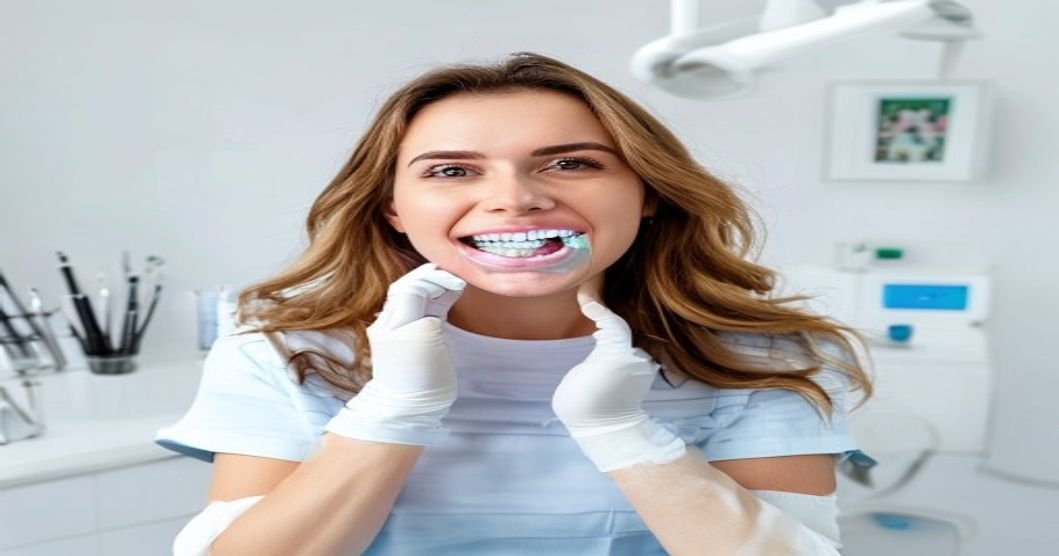
Discover proven Dry Mouth Treatment options, average costs, insurance coverage, and expert tips for lasting, professional oral hydration and relief.
Waking up with a sticky mouth or struggling to swallow dry food is more than a minor annoyance. It is a clear signal that your oral environment is out of balance. Professional Dry Mouth Treatment is a targeted, clinical approach designed to restore hydration, protect your teeth from rapid decay, and improve your overall quality of life. Chronic xerostomia, the medical term for dry mouth, affects nearly 20 percent of older adults and many younger patients taking specific daily medications. Patients typically seek this care when everyday activities like speaking, eating, or sleeping become uncomfortable. Standard home remedies often fail to provide lasting relief for true clinical dry mouth. In this comprehensive guide, you will learn exactly what drives chronic oral dryness, the professional diagnostic steps dentists use, realistic cost expectations, insurance coverage details, and actionable aftercare tips. Understanding your options empowers you to take control of your oral health and enjoy your favorite foods without fear or hesitation.
| Topic | Key Point |
|---|---|
| Definition | Professional interventions designed to restore saliva flow, protect enamel, and prevent decay. |
| Primary Causes | Prescription medications, autoimmune conditions, radiation therapy, and natural aging. |
| Common Treatments | High-fluoride varnishes, custom fluoride trays, salivary gland stimulation, and prescription rinses. |
| Timeline | Immediate protection from fluoride, with symptom management improving over 2 to 4 weeks. |
| Average Cost | Ranges from $50 for in-office varnish to $300 for custom trays, plus ongoing product costs. |
| Insurance Coverage | Often partially covers preventive fluoride applications, but rarely covers over-the-counter substitutes. |
| Longevity | Results last as long as the treatment protocol is maintained alongside rigorous daily hygiene. |
| Prevention | Staying hydrated, using alcohol-free products, and regular dental visits prevent severe complications. |
Dry Mouth Treatment encompasses a range of professional dental procedures aimed at managing xerostomia and preventing its devastating side effects. To understand why these treatments are necessary, it is helpful to understand basic oral biology. Your mouth contains three major pairs of salivary glands: the parotid glands (near the cheeks), the submandibular glands (under the jaw), and the sublingual glands (under the tongue). These glands produce saliva, which is far more than just water. Saliva is a complex fluid containing bicarbonate to neutralize acids, calcium and phosphate to remineralize enamel, and antimicrobial enzymes like lysozyme to fight infection. It also physically washes away food debris and dead cells. When saliva flow drops below a critical threshold of 0.1 milliliters per minute, the mouth loses its natural buffering capacity. Without this protection, the oral environment becomes highly acidic. This acidic state rapidly demineralizes tooth enamel, leading to aggressive, widespread tooth decay, particularly at the gumline. It also allows harmful bacteria and fungi, such as Candida (which causes oral thrush), to multiply unchecked. Professional Dry Mouth Treatment works by interrupting this destructive cycle. Dentists use specialized strategies to either stimulate the remaining function of the salivary glands, artificially replace the missing fluid, or aggressively fortify the teeth with high-concentration fluoride. By addressing the specific biological cause of the dryness, professional treatment provides a protective shield that over-the-counter water sipping simply cannot match.
You might be a candidate for professional intervention if you experience specific, persistent oral symptoms. Below are the most common indicators that it is time to see a dentist.
The most classic sign of xerostomia is a mouth that constantly feels parched, sticky, or cottony. This sensation is often most noticeable upon waking up or after speaking for extended periods. If you find yourself needing to sip water constantly just to moisten your mouth, your salivary glands are not producing adequate fluid. Call your dentist promptly if this dryness is accompanied by cracked lips or a burning sensation on the tongue.
Saliva is your teeth’s primary defense against acid attacks. When saliva flow is reduced, you may notice a sudden increase in cavities, even if your brushing habits have not changed. These cavities often appear as white, chalky spots near the gumline or as rapid decay on the roots of the teeth. This is a major red flag that requires immediate professional fluoride intervention to save the teeth.
Saliva acts as a lubricant, forming a cohesive food bolus that is easy to swallow. Without it, chewing dry foods like crackers or bread becomes difficult and uncomfortable. You may also find that your tongue sticks to the roof of your mouth, making speech sound slurred or requiring you to clear your throat frequently. This functional impairment is a clear sign you need clinical support.
A dry mouth cannot effectively wash away odor-causing bacteria and food particles. This stagnation frequently leads to chronic halitosis (bad breath) that does not respond to standard mouthwash. Additionally, saliva is required to dissolve food molecules so your taste buds can detect them. A persistent metallic, sour, or bland taste is a strong indicator of severely reduced saliva flow.
Receiving professional care for chronic dry mouth is typically straightforward, painless, and highly effective. Here is a step-by-step walkthrough of what you can expect from your dental visit.
Professional Dry Mouth Treatment is highly safe and effective, but it is important to understand both the advantages and the potential drawbacks.
The cost of managing chronic dry mouth varies widely depending on the severity of the condition and the specific products or procedures required. Below is a breakdown of average costs based on current 2024-2026 US market rates.
| Item / Service | Average Cost (no insurance) | Typical Insurance Coverage | Notes |
|---|---|---|---|
| Initial Consultation & Sialometry | $100 – $250 | 80% – 100% | Includes comprehensive exam and saliva testing. |
| In-Office Fluoride Varnish | $50 – $100 per application | 50% – 100% | Often covered as a preventive adult service. |
| Custom Fluoride Trays (upper/lower) | $150 – $300 | 50% – 80% | Fabricated from digital scans for home use. |
| Prescription Fluoride Toothpaste (monthly) | $30 – $50 per tube | 0% – 50% | High-concentration 5,000 ppm fluoride paste. |
| Artificial Saliva Substitutes (monthly) | $20 – $40 per bottle | 0% | Usually paid out-of-pocket or via FSA/HSA. |
| Salivary Gland Stimulant Medication | $40 – $100 per month | Varies (often medical) | Requires a prescription; medical insurance may cover. |
| Restorative Fillings (due to dry mouth) | $250 – $450 per tooth | 50% – 80% | Necessary if decay has already occurred. |
| Typical Total Range | $250 – $1,000+ annually | Varies greatly | Depends on the chosen management protocol. |
Several main factors cause this cost variation. Geography plays a major role; practices in major urban centers like New York, Boston, or San Francisco charge significantly more than those in rural or midwestern areas. Provider specialty also affects price. A dentist specializing in special needs or geriatric dentistry may have different fee structures than a general practitioner. The materials used are another factor; custom-milled trays cost more than basic over-the-counter boil-and-bite alternatives. Finally, the complexity of the case dictates the price. A patient requiring custom trays, prescription medication, and multiple restorative fillings will naturally incur higher costs than someone needing only an in-office varnish.
Navigating dental insurance for xerostomia can be tricky, as coverage depends heavily on how the procedure is coded and medically justified. Insurance companies evaluate claims based on ADA (American Dental Association) procedure codes. For example, a topical application of fluoride varnish for an adult is coded as D1206. The fabrication of a custom fluoride tray is often coded under D1999 (unspecified preventive procedure, by report). Insurance does not cover “dry mouth” as a blanket diagnosis; they cover the specific, medically necessary preventive procedures used to protect the teeth from the effects of dry mouth.Plan types matter significantly. Preferred Provider Organization (PPO) plans typically cover 50% to 100% of preventive fluoride applications for adults, especially if there is a documented history of high cavity risk or radiation therapy. Health Maintenance Organization (HMO) plans may cover these services fully but restrict you to a specific network of providers. Most dental insurance plans have an annual maximum, typically ranging from $1,500 to $2,500. Preventive treatments like fluoride varnish rarely eat into this maximum significantly. However, if dry mouth has already caused severe decay requiring crowns or root canals, those restorative procedures will count toward the cap. Additionally, many plans impose a 6- to 12-month waiting period for major restorative work, though this rarely applies to preventive fluoride treatments.To avoid surprise bills, always request a predetermination of benefits. Your dentist submits the planned treatment codes to your insurance company before starting. The insurer then returns a document detailing exactly what they will pay and what your out-of-pocket responsibility will be.If you do not have dental insurance, explore alternative options. Dental schools offer supervised, high-quality preventive care at a fraction of the cost. Dental discount plans charge an annual fee of $100 to $200 and provide 15% to 50% discounts on custom trays and cleanings. Finally, you can use pre-tax dollars from a Flexible Spending Account (FSA) or Health Savings Account (HSA) to pay for prescription toothpaste, artificial saliva, and custom trays.
Depending on the severity of your symptoms and your budget, your dentist might suggest alternative management strategies instead of, or alongside, professional in-office procedures.
What it is: Commercial gels, sprays, or rinses containing water, electrolytes, and lubricants like carboxymethylcellulose or xylitol, designed to mimic natural saliva.
When it is preferred: For mild, occasional dry mouth or as a supplemental daily routine alongside professional treatments.
Approximate Cost: $15 to $30 per bottle.
Key Tradeoff: These products provide immediate, temporary relief and are highly accessible. However, they do not strengthen the teeth or address the underlying lack of protective enzymes, meaning they must be reapplied constantly throughout the day.
What it is: Chewing gums or dissolvable mints sweetened exclusively with xylitol, a natural sugar alcohol that stimulates saliva flow and inhibits cavity-causing bacteria.
When it is preferred: For patients who retain some salivary gland function and want a natural, mechanical way to boost moisture during the day.
Approximate Cost: $5 to $15 per pack or tin.
Key Tradeoff: Xylitol is highly effective at stimulating flow and protecting enamel. However, it is not a viable solution for patients with severe gland dysfunction, those who wear full dentures, or those who cannot chew gum due to jaw issues.
What it is: Making conscious changes to reduce moisture loss, such as using a bedside humidifier, avoiding caffeine and alcohol, and breathing through the nose instead of the mouth.
When it is preferred: As a foundational, preventive measure for all patients, especially those whose dry mouth is linked to sleep habits or mild dehydration.
Approximate Cost: $30 to $80 for a quality humidifier; otherwise free.
Key Tradeoff: This approach improves overall comfort and costs very little. However, it requires strict daily discipline and does nothing to chemically protect the teeth from the acidic environment that has already developed.
Proper aftercare is critical to maximizing the effectiveness and longevity of your Dry Mouth Treatment. Follow these guidelines to ensure smooth healing and lasting protection.First 24 Hours
Days 2 to 7
Long-Term Care
To protect your results, maintain impeccable oral hygiene. Brush twice daily for two minutes and floss every day. Keep a bottle of alcohol-free, xylitol-based mouthwash or saliva spray at your desk and bedside for quick relief. Attend professional maintenance cleanings and fluoride applications every 3 to 4 months, as recommended by your dentist, to keep your enamel fortified.Red-Flag Symptoms
Call your dentist immediately if you experience:
Choosing the right provider ensures an accurate diagnosis and a comfortable, effective management plan. Consider these factors when evaluating your options:
Questions to Ask at Your Consultation:
The primary cause of chronic dry mouth is the side effect of prescription medications. Over 500 common medications, including antidepressants, antihistamines, blood pressure drugs, and diuretics, list xerostomia as a side effect. Other major causes include autoimmune diseases like Sjögren’s syndrome, head and neck radiation therapy, nerve damage, and the natural aging process, which can reduce salivary gland function over time.
In most cases, medication-induced dry mouth is reversible. If your doctor can safely switch you to an alternative medication or adjust your dosage, your saliva flow will typically return to normal within a few weeks. However, if dry mouth is caused by permanent damage to the salivary glands, such as from radiation therapy or advanced autoimmune disease, the condition may be chronic and require lifelong management and protective treatments.
The timeline depends on the treatment method. In-office fluoride varnishes provide immediate strengthening to the enamel, protecting your teeth right away. However, if your dentist prescribes custom fluoride trays or a salivary stimulant medication, it typically takes 2 to 4 weeks of consistent, daily use to notice a significant improvement in overall mouth moisture and a reduction in tooth sensitivity. Patience and consistency are key for long-term management.
The best toothpastes for dry mouth are specifically formulated to be gentle and highly protective. Look for products that are free of sodium lauryl sulfate (SLS), a foaming agent that can irritate dry tissues. More importantly, your dentist can prescribe a high-concentration 5,000 ppm fluoride toothpaste (such as Prevident 5000). This provides significantly stronger remineralization and decay protection than any over-the-counter option, creating a vital shield for vulnerable teeth.
No, dry mouth is often worse at night. Saliva production naturally decreases significantly during sleep. If you also breathe through your mouth due to nasal congestion or sleep apnea, the air evaporates what little moisture remains. This is why “morning mouth” feels so sticky and why nighttime is the most dangerous period for tooth decay in dry mouth patients. Using a bedside humidifier and applying prescription fluoride gel before bed are critical defenses.
Yes, if left untreated, chronic dry mouth can absolutely lead to tooth loss. Saliva is the mouth’s primary defense against acid. Without it, the oral environment becomes highly acidic, leading to rapid, aggressive tooth decay, particularly at the gumline. This decay can quickly reach the nerve of the tooth, requiring root canals or extractions. Furthermore, dry mouth increases the risk of severe gum disease, which destroys the bone supporting the teeth.
Dental insurance typically covers the dental aspects of dry mouth treatment, such as fluoride varnishes (code D1206) and custom trays. However, if your dry mouth is caused by a systemic medical condition like Sjögren’s syndrome, or if you require prescription salivary stimulant medications like pilocarpine (Salagen) or cevimeline (Evoxac), these are often billed to and covered by your medical insurance, not your dental plan. Always check with your medical provider for specific prescription drug coverage.
Dry Mouth Treatment is a highly effective, scientifically grounded approach to reclaiming your comfort and protecting your oral health. Whether the solution is a simple in-office fluoride varnish, custom nightly trays, or a coordinated plan with your physician to adjust medications, modern dentistry offers reliable methods to neutralize acid and prevent the rapid decay associated with xerostomia. The cost of these treatments is a valuable investment in your long-term well-being, preventing minor dryness from escalating into severe dental emergencies or tooth loss.Do not ignore a persistently sticky mouth or attempt to mask the symptoms indefinitely with sugary lozenges or standard mouthwashes. Early intervention is almost always less expensive, less invasive, and more effective than waiting for the damage to worsen. Take the first step toward lasting comfort by scheduling a comprehensive consultation with a licensed, experienced dentist. They can accurately diagnose the root cause of your dry mouth and build a customized, affordable roadmap to a healthy, hydrated smile.