Physical Address
304 North Cardinal St.
Dorchester Center, MA 02124
Physical Address
304 North Cardinal St.
Dorchester Center, MA 02124

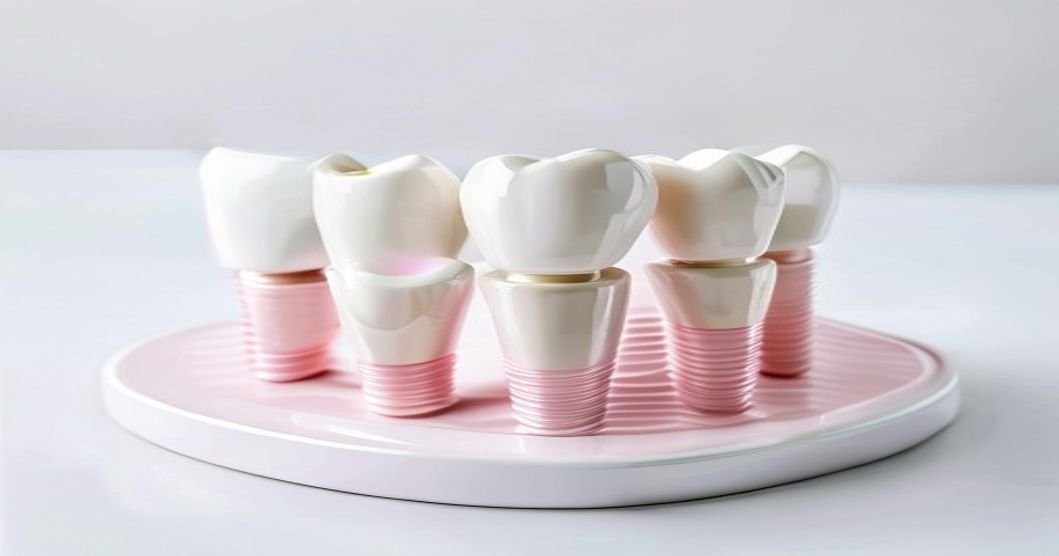
Discover the true cost of dental implants, including procedure breakdowns, insurance coverage, and financing options to restore your smile confidently.
Missing a tooth can significantly impact your confidence, chewing ability, and overall oral health. Understanding the cost of dental implants is the crucial first step toward reclaiming your smile and preventing further dental deterioration. A dental implant is a permanent, artificial tooth root, typically made of biocompatible titanium, that is surgically placed into your jawbone to support a custom-made replacement tooth or crown. This comprehensive guide is designed for patients who are missing teeth, struggling with uncomfortable dentures, or facing severe tooth decay. You will learn exactly what drives the cost of dental implants, from the initial consultation and 3D imaging to the final crown placement. We will break down realistic pricing, explain how dental insurance applies to these procedures, and explore alternative treatment options. By understanding the financial and clinical landscape of implant dentistry, you can make an informed, confident decision alongside your dental care provider. Early intervention is almost always less expensive and more effective than waiting, as delaying treatment often leads to bone loss that requires additional, costly procedures.
If you are short on time, here is a quick, scannable summary of the most important facts about the cost of dental implants and the procedure itself.
| Topic | Key Point |
|---|---|
| Primary Goal | To permanently replace missing tooth roots and restore full chewing function and aesthetics. |
| Ideal Candidate | Patients with missing teeth, adequate jawbone density, and healthy gums who do not smoke heavily. |
| Procedure Time | The entire process takes 4 to 9 months, including a 3- to 6-month healing period for bone fusion. |
| Average Total Cost | A single tooth implant typically costs between $3,000 and $5,500 out-of-pocket without insurance. |
| Insurance Coverage | Most PPO plans cover 50% of the crown and extraction, but may exclude the implant post itself. |
| Recovery Time | Initial gum healing takes 7 to 10 days; full bone integration (osseointegration) takes 3 to 6 months. |
| Longevity | With proper oral hygiene and regular dental visits, implants can last 25 years or a lifetime. |
| Financing Options | Dental schools, discount plans, and medical credit cards like CareCredit can make costs manageable. |
To understand the cost of dental implants, it helps to know a little bit about dental anatomy and the components involved. A complete dental implant restoration is not a single product; it is a multi-part system. First, there is the implant post, a small titanium screw that acts as the artificial root. Second, there is the abutment, a connector piece that attaches to the post and protrudes slightly above the gumline. Finally, there is the dental crown, the visible, custom-crafted tooth that matches your natural smile.The cost of dental implants reflects the complexity of this multi-stage process. It is not just the price of the titanium screw. The total fee encompasses the expertise of a highly trained specialist, advanced 3D imaging technology, surgical guides, the surgical procedure itself, and the custom laboratory fabrication of your crown. When bone loss has occurred due to prolonged tooth absence, the cost of dental implants may also include preparatory procedures like bone grafting or a sinus lift. These procedures are essential to ensure the jawbone is thick and dense enough to securely hold the implant post. Understanding the cost of dental implants means recognizing that you are investing in a long-term, permanent solution. Unlike removable dentures that need frequent adjustments or traditional bridges that require grinding down healthy adjacent teeth, an implant preserves your natural jawbone and protects your surrounding teeth. While the upfront investment is higher than other tooth replacement options, the durability and health benefits often make it the most cost-effective choice over a patient’s lifetime.
Only a licensed dentist can definitively determine if you are a candidate for implants after a clinical exam and 3D imaging. However, several common symptoms and situations strongly indicate that you should explore this permanent tooth replacement option.
The most obvious sign is the physical absence of a tooth due to extraction, trauma, or severe decay. A missing tooth creates a gap that compromises your ability to chew certain foods and can cause adjacent teeth to shift out of alignment. If you have a missing tooth, you should call a dentist promptly to discuss replacement options before the surrounding teeth shift, which can complicate future implant placement.
If you currently wear removable dentures that slip, click, or cause painful sore spots on your gums, your jawbone may be shrinking. Dentures rest on the gums and do not stimulate the underlying bone, leading to gradual bone resorption. If your dentures no longer fit securely, you should schedule an evaluation within a few weeks to see if implant-supported dentures can restore your comfort and confidence.
Sometimes, a tooth is so severely decayed, fractured, or infected that it cannot be saved with a root canal or crown. If your dentist recommends an extraction, an implant is often the best immediate long-term plan. You should discuss implant placement at the time of extraction, as “immediate implant placement” can sometimes be performed, saving you time and preserving bone.
If you have had missing teeth for several years, you may notice a sunken appearance in your lower face or lips. This is a sign of significant jawbone deterioration. While this requires prompt attention, it does not mean you are disqualified from implants. A bone graft can rebuild the foundation, though it will add to the overall timeline and cost of dental implants.
Knowing exactly what will happen during your treatment can significantly reduce dental anxiety. Here is a step-by-step walkthrough of what to expect when undergoing the dental implant procedure.
Like all surgical procedures, it is important to weigh the advantages against the potential drawbacks. Understanding the risks and benefits of dental implants helps you make the best choice for your long-term health.
The total expense can seem daunting, but breaking it down into individual components provides clarity. Below is a detailed breakdown of the typical costs associated with a single tooth dental implant in the United States, based on 2024–2025 market rates.
| Item / Service | Average Cost (no insurance) | Typical Insurance Coverage | Notes |
|---|---|---|---|
| Initial Consultation & Exam | $75 – $200 | 80% – 100% | Often applied toward the total treatment cost. |
| 3D CBCT Scan | $250 – $400 | 50% – 80% | Essential for precise surgical planning and safety. |
| Tooth Extraction (if needed) | $150 – $400 | 50% – 80% | Cost increases if the extraction is surgical or complex. |
| Bone Grafting (per site) | $400 – $1,200 | 50% (often excluded) | Required if jawbone density is insufficient. |
| Sinus Lift Procedure | $1,500 – $2,500 | 50% (often excluded) | Necessary for upper back teeth with low sinus floors. |
| Implant Post (Surgical Placement) | $1,000 – $2,000 | 50% (often excluded) | The titanium screw and the surgical procedure fee. |
| Abutment Placement | $300 – $500 | 50% | The connector piece attaching the post to the crown. |
| Custom Dental Crown | $1,000 – $2,500 | 50% | The visible tooth, usually porcelain or zirconia. |
| Typical Total Range (Single Tooth) | $3,000 – $5,500 | Varies widely | Excludes bone grafting or sinus lift if required. |
The main factors that cause cost variation include geography, provider specialty, materials used, and complexity of the case. For example, procedures performed in major metropolitan areas like New York City or San Francisco will naturally cost 20% to 40% more than those in rural areas due to higher overhead. Additionally, a board-certified oral surgeon or periodontist may charge higher surgical fees than a general dentist due to their advanced, specialized training. The materials used also impact the price; a high-strength, highly aesthetic zirconia crown will cost more than a standard porcelain-fused-to-metal crown. Finally, the complexity of your anatomy, such as the need for extensive bone grafting, will significantly increase the overall investment.
Navigating dental insurance for implants can be complex, but understanding the basics can help you maximize your benefits and minimize out-of-pocket expenses.First, it helps to know the common ADA procedure codes. The implant post placement is coded as D6010. The abutment is D6056 or D6057. The implant-supported crown is D6058 or D6059. Extraction is D7140 or D7210, and bone grafting is D7953.Most Preferred Provider Organization (PPO) and indemnity plans classify the implant post as a “major” service or, unfortunately, as an excluded “cosmetic” service. However, many plans will cover 50% of the associated procedures, such as the extraction, the bone graft, and the final crown, up to your annual maximum benefit (typically $1,000 to $2,000). HMO plans often have stricter limitations and may not cover implants at all, requiring you to choose a traditional bridge or denture instead.It is crucial to understand your plan’s waiting periods. Major procedures often have a 6- to 12-month waiting period before coverage begins. Additionally, insurance companies frequently apply a “missing tooth clause,” meaning they will not pay for an implant to replace a tooth that was missing before your policy started.Always request a predetermination of benefits before beginning treatment. Your dentist’s office will submit a detailed narrative, the 3D scan, and the proposed procedure codes to your insurance company. The insurer will then return a written estimate detailing exactly what they will pay and what your specific out-of-pocket responsibility will be.If you do not have dental insurance, do not let the cost of dental implants prevent you from seeking care. Consider seeking treatment at an accredited dental school, where supervised residents provide high-quality implant care at a significantly reduced rate. You can also look into dental discount plans, which negotiate reduced fees with participating dentists for an annual membership. Finally, third-party healthcare financing companies like CareCredit or Sunbit frequently offer 0% interest promotional periods for 12 to 24 months, making the monthly payments highly manageable.
Depending on your budget, bone density, and overall health, your dentist might discuss alternative treatments. Here are four options to consider instead of or alongside traditional single-tooth implants.
A traditional bridge involves preparing the healthy teeth adjacent to the gap by grinding them down to serve as anchors (abutments) for a false tooth (pontic) suspended between them. It is preferred for patients who want a fixed, non-removable solution but lack the bone density or budget for an implant. The approximate cost is $2,000 to $5,000 for a three-unit bridge. The key tradeoff is that it permanently alters and weakens healthy adjacent teeth, and it does not prevent the jawbone beneath the missing tooth from deteriorating over time.
A partial denture is a removable acrylic or metal framework with false teeth that clips onto your remaining natural teeth. It is preferred for patients missing multiple teeth in different areas of the mouth who need a highly affordable, non-surgical solution. The approximate cost is $700 to $1,800. The key tradeoff is that they are less stable, can affect speech and taste, require daily removal for cleaning, and do not prevent bone loss.
For patients who have lost all teeth in an arch, a full set of removable acrylic dentures rests directly on the gums. It is preferred for edentulous patients seeking the most economical full-mouth restoration. The approximate cost is $1,000 to $3,000 per arch. The key tradeoff is significant bone loss over time, requiring frequent relines, and a high risk of slippage, which severely limits chewing efficiency and confidence.
This hybrid solution uses four to six strategically placed implants to securely snap or screw a full arch of replacement teeth into place. It is preferred for patients missing all teeth in an arch who want the stability of implants without the cost of replacing every single tooth individually. The approximate cost is $15,000 to $30,000 per arch. The key tradeoff is the high upfront cost and the requirement for minor surgery, though it offers vastly superior function and bone preservation compared to conventional dentures.
Proper aftercare is critical to the success of your implant and the prevention of complications. Following your dentist’s instructions meticulously will ensure smooth healing.First 24 Hours:
Days 2–7:
Long-Term Care:
To protect your investment, treat your implant like a natural tooth. Brush twice daily with a soft-bristled or electric toothbrush and a non-abrasive toothpaste. Floss daily using implant-specific floss or a water flosser to clean around the abutment. Most importantly, attend your professional dental cleanings every 3 to 6 months so your hygienist can use plastic instruments to clean the implant without scratching the titanium.Red-Flag Symptoms:
Call your dentist immediately if you experience:
Choosing the right provider is the most critical factor in ensuring a safe, successful, and aesthetically pleasing outcome. Consider these factors when making your decision:
Questions to Ask at Your Consultation:
The average total cost for a single tooth dental implant in the United States typically ranges from $3,000 to $5,500. This comprehensive fee generally includes the initial consultation, 3D imaging, the surgical placement of the titanium implant post, the abutment connector, and the custom-crafted final crown. It is important to note that this estimate does not include additional preparatory procedures, such as tooth extractions or bone grafting, which can add $400 to $2,500 to the total cost depending on the complexity of your case.
Traditional Medicare (Parts A and B) does not cover routine dental care, including cleanings, extractions, dentures, or dental implants. Medicare considers these procedures to be elective or dental in nature, not medically necessary. However, some Medicare Advantage (Part C) plans offer optional dental benefits that may provide partial coverage for implants. Additionally, if an implant is required as a direct result of a covered medical accident or jaw reconstruction surgery, traditional Medicare may occasionally cover a portion of the hospital and surgical fees.
Dental implants are expensive because they represent a multi-stage, highly specialized medical and dental service, not just a simple product. The cost reflects the extensive education and surgical expertise of the provider, the use of advanced 3D imaging and computer-guided technology, the high-quality biocompatible titanium materials, and the custom laboratory fabrication of the crown. Furthermore, the procedure is spread over several months, requiring multiple appointments for surgery, healing checks, and final placement, all of which factor into the comprehensive fee.
Yes, in most cases, you can still get a dental implant even if you have experienced jawbone deterioration. The human body has a remarkable ability to regenerate bone. If your jawbone is too thin or soft, your dentist or oral surgeon can perform a bone grafting procedure. This involves placing synthetic, animal, or donor bone material into the deficient area to rebuild the foundation. After a healing period of 4 to 6 months, the new bone will be strong enough to securely support the dental implant.
With proper care, the titanium implant post itself is designed to last a lifetime. The osseointegration process creates a bond with the jawbone that is incredibly strong and durable. However, the visible dental crown attached to the top of the implant is subject to normal wear and tear from chewing and grinding. On average, a high-quality implant crown will last 15 to 25 years before it may need to be replaced due to chipping, cracking, or aesthetic changes. Excellent daily oral hygiene and regular professional cleanings are the most critical factors in maximizing this lifespan.
Most patients report that the dental implant procedure is much less painful than they anticipated. The surgery is performed under effective local anesthesia, ensuring you feel no pain during the placement. Many practices also offer nitrous oxide or oral sedation to keep you completely relaxed. After the procedure, it is normal to experience mild to moderate soreness, swelling, and bruising for 3 to 5 days. This discomfort is typically very manageable with over-the-counter pain relievers like ibuprofen, and most patients return to their normal daily routines within a day or two.
While a traditional dental bridge may have a lower upfront cost, typically ranging from $2,000 to $5,000 for a three-unit bridge, it often proves more expensive over time. A bridge requires grinding down two healthy adjacent teeth, which can make them more susceptible to future decay and root canals. Additionally, a bridge does not prevent jawbone loss beneath the missing tooth, which can alter your facial structure. An implant, though initially more expensive, preserves your natural bone, protects adjacent teeth, and has a longer overall lifespan, making it a more cost-effective investment over a 20-year period.
Understanding the true cost of dental implants is essential for making a confident, informed decision about your oral health. While the upfront investment is higher than temporary solutions, an implant provides unparalleled benefits: it preserves your jawbone, protects your surrounding teeth, restores full chewing function, and offers a permanent, natural-looking solution that can last a lifetime. Breaking down the costs into individual components, from the surgical post to the custom crown, helps demystify the pricing and highlights the value of the specialized care involved.Do not let financial concerns or dental anxiety cause you to delay treatment. The longer you wait to replace a missing tooth, the more bone you lose, which can complicate the procedure and increase the overall expense. We strongly encourage you to schedule a consultation with a licensed, experienced implant dentist or specialist. Discuss your specific needs, explore your insurance benefits, and ask about flexible financing options. Taking proactive steps today is the most effective way to secure a healthy, functional, and beautiful smile for decades to come.