Physical Address
304 North Cardinal St.
Dorchester Center, MA 02124
Physical Address
304 North Cardinal St.
Dorchester Center, MA 02124

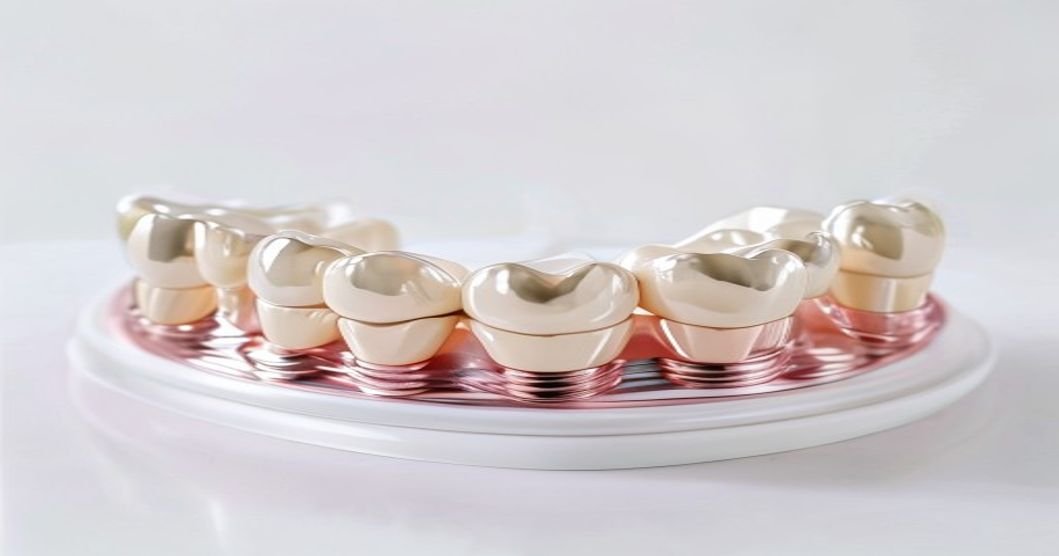
Discover the true cost of dental crowns in 2026. Compare porcelain, zirconia, and gold prices, learn about insurance coverage, and plan your dental budget.
A damaged or severely decayed tooth does not always mean you need an extraction. Often, a dental crown is the perfect solution to restore your smile and protect your oral health. However, understanding the cost of dental crowns is a crucial step before committing to the treatment. A dental crown is a custom-made cap that completely covers a damaged tooth. It restores the tooth’s original shape, size, strength, and overall appearance. Millions of Americans receive crowns every year to save compromised teeth and improve their confident smiles. In this comprehensive guide, we will break down the average prices across the United States for 2026. We will also explore the different materials available, how dental insurance can help offset the expense, and what to expect during the procedure. By the end of this article, you will feel fully prepared to discuss your treatment plan and budget with your dentist. Let us dive into the details of restoring your smile and managing the financial side of your dental care.
| Topic | Key Point |
|---|---|
| Average Price | Expect to pay between $1,000 and $2,500 per crown without insurance. |
| Material Matters | Zirconia and porcelain are popular for aesthetics, while gold offers maximum durability. |
| Insurance Coverage | Most PPO plans cover 50% of the procedure after you meet your annual deductible. |
| CEREC Technology | Same-day crowns cost slightly more but save you a second office visit. |
| Additional Costs | You may also need to pay for the initial exam, X-rays, and tooth buildup. |
| Lifespan | With proper care, a high-quality dental crown can last 10 to 15 years. |
| Alternatives | Inlays, onlays, and veneers may be cheaper options if the tooth damage is minor. |
| Payment Plans | Many dental offices offer in-house financing or third-party medical credit cards. |
To fully understand the cost of dental crowns, it helps to know exactly what the restoration is and why it is necessary. The crown is the visible upper part of your tooth that you use for chewing and biting. When this structure is severely compromised, a dental crown acts as a protective shield. The dentist carefully reshapes the outer layers of your natural tooth to make room for the cap. They then take precise impressions to create a custom restoration that matches your bite and surrounding teeth. Finally, the crown is permanently cemented into place over the prepared tooth. This procedure is typically recommended when a tooth has a large cavity, a severe crack, or extensive wear. It is also the standard final step after a root canal treatment, as the tooth becomes brittle without its inner blood supply. The cost of dental crowns reflects the advanced materials, laboratory craftsmanship, and clinical precision required. Modern crowns are made from highly durable materials like porcelain, zirconia, or metal alloys. These materials are engineered to withstand the immense daily forces of chewing while looking completely natural. Investing in a high-quality crown is a proactive way to maintain your overall oral health. It prevents the need for more invasive and expensive procedures, like tooth extraction and dental implants, down the road.
When a cavity grows too large, a standard filling is no longer enough to support the remaining tooth structure. If the decay compromises more than half of the tooth’s chewing surface, the tooth is at high risk of breaking. A crown provides the necessary reinforcement to hold the tooth together and seal out further bacteria. When to call: Contact your dentist immediately if you have deep, lingering pain or visible holes in your teeth.
Teeth can crack from chewing hard foods, grinding at night, or sudden trauma. A visible crack or a missing chunk of enamel exposes the sensitive inner layers of the tooth to bacteria and temperature changes. A crown wraps around the entire tooth, binding the fractured pieces together and preventing the crack from spreading deeper into the root. When to call: Seek prompt dental care if you feel sharp pain when biting down or notice a broken tooth.
Old metal amalgam fillings can expand and contract with temperature changes, eventually causing the surrounding tooth to crack. If a large filling falls out or breaks, it leaves a massive cavity that needs immediate coverage. Replacing a massive filling with a crown provides superior protection and prevents the weakened tooth from splitting. When to call: Schedule an appointment right away if a filling falls out, even if it does not hurt yet.
After a root canal removes the infected nerve and blood supply, the tooth loses its natural moisture and becomes very brittle. Without a protective cap, this hollowed-out tooth is highly likely to fracture under normal chewing pressure. A crown is absolutely essential to seal the tooth and restore its ability to handle daily bite forces. When to call: Your endodontist or general dentist will schedule this immediately following your root canal healing.
Conditions like acid reflux, frequent consumption of acidic drinks, or chronic teeth grinding can wear down your enamel. This severe wear flattens the teeth, causes extreme sensitivity, and alters your bite alignment. Crowns can restore the lost vertical height of the teeth and protect the remaining enamel from further destruction. When to call: Mention this at your regular checkup, or sooner if your teeth feel highly sensitive to hot and cold.
Sometimes patients choose crowns for purely aesthetic reasons to fix severely discolored, misshapen, or poorly aligned teeth. While veneers are often preferred for minor cosmetic tweaks, crowns are necessary when the tooth also requires structural reinforcement. They provide a uniform, bright, and perfectly shaped appearance that blends seamlessly with your natural smile. When to call: Consult your dentist during a cosmetic evaluation to see if crowns are the right choice for your goals.
| Item / Service | Average Cost (no insurance) | Typical Insurance Coverage | Notes |
|---|---|---|---|
| Initial Exam & X-Rays | $100 – $250 | 80% – 100% | Includes diagnostic imaging to assess tooth health. |
| Tooth Buildup / Core | $200 – $400 | 50% – 80% | Required if there is not enough natural tooth left. |
| Porcelain-Fused-to-Metal (PFM) | $900 – $1,800 | 50% – 80% | Strong metal base with a porcelain exterior. |
| Full Ceramic / Porcelain | $1,000 – $2,300 | 50% – 80% | Best aesthetics, highly popular for front teeth. |
| Zirconia Crown | $1,200 – $2,500 | 50% – 80% | Extremely strong, ideal for back teeth and bruxism. |
| Gold / Metal Alloy Crown | $1,200 – $2,800 | 50% – 80% | Most durable, requires less tooth removal, but less aesthetic. |
| Temporary Crown | $50 – $150 | 80% – 100% | Protects the tooth while the permanent crown is made. |
| CEREC Same-Day Fee | +$100 – $300 | Varies | Additional fee for in-office milling technology. |
| Typical Total Range | $1,200 – $2,800 | Varies | Includes prep, materials, and final placement. |
The final cost of dental crowns varies significantly based on the material you choose and where you live. Porcelain and zirconia are generally more expensive than traditional metal alloys because they require advanced laboratory craftsmanship to match your natural tooth color. Gold crowns, while highly durable and gentle on opposing teeth, carry a high material cost due to the price of precious metals. Geography also plays a massive role in your final bill. Patients in major coastal cities will pay significantly more than those in rural areas due to higher clinic overhead and local market rates. Additionally, the dentist’s experience and the technology they use, such as digital scanners or in-office milling, can increase the overall price. Finally, the structural condition of your tooth affects the cost. If your tooth is severely broken down, you will need a “core buildup” to create a solid foundation for the crown, which adds to the total expense.
Most dental insurance plans consider a dental crown a major restorative procedure, which dictates how much they will pay. The relevant American Dental Association (ADA) codes are D2740 for porcelain/ceramic, D2750 for porcelain-fused-to-metal, and D2790 for full cast metal/gold. Understanding these codes helps you read your insurance explanation of benefits accurately. Preferred Provider Organization (PPO) plans typically cover 50% of the allowed fee for major procedures after you meet your annual deductible. Health Maintenance Organization (HMO) plans usually require a fixed copay, but you must stay within their network of dentists. Be aware that many plans enforce a 6- to 12-month waiting period before they will cover major restorative work like crowns. Always ask your dental office to submit a predetermination of benefits to your insurance company before starting the procedure. This pre-authorization tells you exactly what the insurance will pay and what your out-of-pocket cost of dental crowns will be, preventing any financial surprises. If you do not have dental insurance, you can still find ways to make the treatment affordable. Dental schools offer high-quality care at a reduced rate, as students perform the work under strict faculty supervision. Dental discount plans charge a small annual fee in exchange for 10% to 60% off standard procedure fees. Many private practices also offer in-house membership plans or third-party financing to help you manage the payments over time.
These are custom-made restorations that fit into the grooves of a tooth, similar to a large filling. They are preferred when the tooth damage is too extensive for a regular filling, but not severe enough to require a full crown. The cost ranges from $600 to $1,200. The key tradeoff is that they do not offer the same level of full-coverage protection as a crown, making them unsuitable for heavily fractured teeth.
Veneers are thin shells of porcelain bonded only to the front surface of the tooth. They are the preferred alternative when the goal is purely cosmetic enhancement for chipped, stained, or slightly misaligned front teeth. The cost is typically $900 to $2,500 per tooth. The major tradeoff is that veneers do not restore chewing function or protect a severely weakened back tooth like a crown does.
If a tooth is completely destroyed and cannot be saved, extraction followed by an implant is the only alternative. This is preferred when the root structure is fractured below the gum line or severely decayed. The total cost ranges from $3,000 to $5,500. The tradeoff is the high initial expense, the surgical nature of the procedure, and the several months required for the implant to heal.
Bonding uses a tooth-colored resin applied directly to the tooth and hardened with a special light. It is preferred for very minor chips, small gaps, or slight cosmetic reshaping where a crown would be overkill. The cost is much lower, usually ranging from $300 to $600 per tooth. The tradeoff is that the resin material is not as strong or stain-resistant as porcelain, meaning it will likely need replacement every 5 to 7 years.
First 24 Hours:
Avoid eating until the local anesthesia completely wears off to prevent accidentally biting your cheek or tongue. Stick to soft foods like mashed potatoes, yogurt, and smoothies to avoid putting pressure on the newly cemented crown. Do not chew on the side of your mouth with the new crown, and avoid extremely hot liquids if your mouth is still numb. Days 2-7:
It is completely normal to experience mild sensitivity to hot and cold temperatures as the nerve settles down from the preparation process. You can manage this with over-the-counter pain relievers like ibuprofen if needed. Resume your normal brushing and flossing routine, but be gentle around the gum line. Avoid chewing sticky candies, hard nuts, or ice, which could dislodge or fracture the new restoration.Long-Term Care:
Treat your dental crown exactly like your natural tooth to ensure it lasts for many years. Brush twice daily with a non-abrasive fluoride toothpaste and floss every single day to prevent gum disease around the crown margin. If you grind your teeth at night, wear a custom nightguard to protect the porcelain from cracking under excessive pressure. Red-Flag Symptoms:
Call your dentist immediately if you feel sharp pain when biting down, as this usually means the crown’s bite is too high and needs a quick adjustment. You should also seek immediate help if the crown feels loose, falls off completely, or if you notice sudden swelling in the surrounding gums. Additionally, call your office if you experience severe, throbbing pain that keeps you awake, as this could indicate nerve damage.
Questions to Ask at Your Consultation:
With proper oral hygiene and regular dental checkups, a high-quality dental crown can last anywhere from 10 to 15 years. Many patients even keep their crowns for 20 to 30 years or more if they maintain excellent care. The lifespan depends heavily on the material used, the location of the tooth, and your personal habits. Avoiding chewing on hard objects like ice or pens will significantly extend the life of your restoration.
No, the procedure itself is completely painless because your dentist will use local anesthesia to numb the tooth and surrounding gums. You will feel pressure and vibration during the tooth preparation, but no sharp pain. After the numbness wears off, you might experience mild soreness in the gums or slight temperature sensitivity for a few days. This minor discomfort is easily managed with over-the-counter pain relievers.
Traditional crowns require two visits, a physical impression, and a two-to-three-week wait for a dental lab to fabricate the restoration. CEREC technology uses digital scanning and in-office milling to design, create, and place a permanent ceramic crown in a single visit. While CEREC is incredibly convenient and eliminates the need for a temporary crown, traditional lab-made crowns are sometimes preferred for complex cases requiring highly specialized aesthetic layering.
The cost of dental crowns reflects the high cost of premium materials, advanced dental technology, and specialized laboratory craftsmanship. Creating a crown requires precise digital scanning or physical impressions, followed by hours of skilled labor by a dental technician to ensure a perfect fit and natural appearance. Additionally, the price covers the dentist’s extensive training, the overhead of running a modern clinical facility, and the use of expensive sterilization and milling equipment.
Yes, the natural tooth structure underneath the crown can still decay if plaque and bacteria are allowed to accumulate. The crown itself cannot get cavities, but the margin where the crown meets the natural tooth at the gum line is highly vulnerable. This is why daily brushing and flossing are absolutely critical to protect your investment. If decay forms underneath, the crown may need to be removed and replaced.
Gold and other high-noble metal alloys are historically the strongest and most durable materials, and they are the gentlest on opposing natural teeth. However, zirconia has become incredibly popular because it offers exceptional strength and fracture resistance while maintaining a tooth-colored, aesthetic appearance. For front teeth where beauty is the priority, layered porcelain or lithium disilicate (e.max) provides the most natural translucency, though they are slightly less strong than zirconia.
If your crown falls off, save it in a safe place and call your dentist immediately for an emergency appointment. Do not attempt to glue it back on yourself with household adhesives, as these are toxic and can ruin the crown. You can temporarily reattach it using over-the-counter dental cement found at most pharmacies to protect the sensitive tooth and maintain your appearance until you see the dentist. Keep the area clean and avoid chewing on that side of your mouth.
Understanding the cost of dental crowns allows you to make informed, confident decisions about restoring your damaged smile. We have explored the average national prices, the differences between materials like zirconia and gold, and how dental insurance can help manage your out-of-pocket expenses. Remember that a dental crown is a highly durable, effective treatment designed to protect your natural tooth and prevent the need for much costlier extractions and implants. If you have a cracked, decayed, or weakened tooth, do not ignore the problem. Delaying treatment only allows the damage to worsen, which can lead to total tooth loss and significantly higher dental bills. Schedule a consultation with a licensed dentist today to evaluate your options and protect your oral health. Early intervention is always the most effective, comfortable, and affordable approach to maintaining a beautiful, functional smile.