Physical Address
304 North Cardinal St.
Dorchester Center, MA 02124
Physical Address
304 North Cardinal St.
Dorchester Center, MA 02124

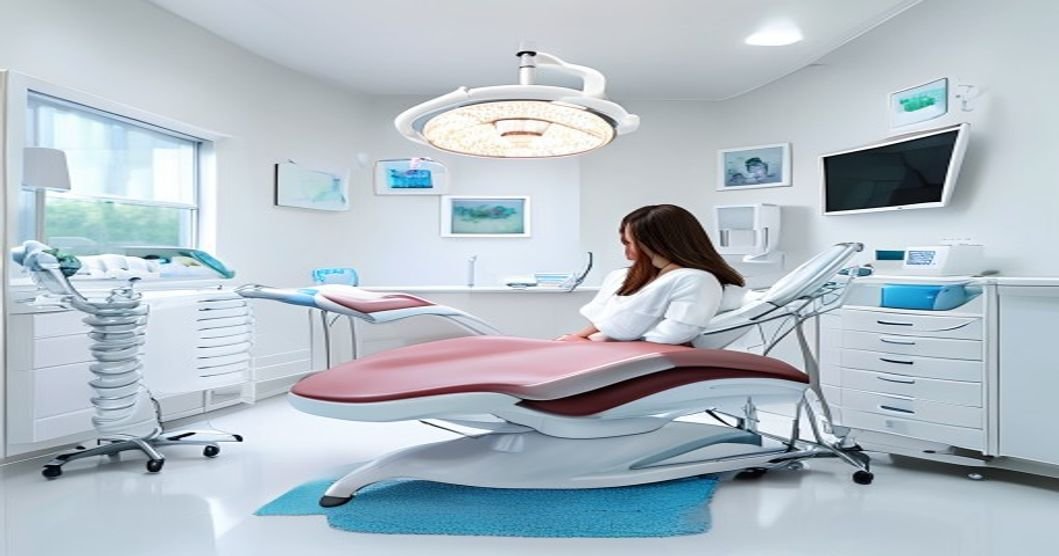
Learn the key differences between Deep Cleaning vs Regular Cleaning, including costs, procedures, and when you need each for optimal oral health.
When you visit the dentist, you might hear clinical terms like prophylaxis or scaling and root planing. Understanding the difference between Deep Cleaning vs Regular Cleaning is essential for maintaining optimal oral health and preventing serious dental issues. A regular cleaning removes surface plaque and tartar above the gumline to prevent cavities and mild gingivitis. In contrast, a deep cleaning targets harmful bacterial buildup below the gumline to treat or prevent active periodontal disease. Many patients wonder which procedure they actually need and what to expect during their appointment. This comprehensive guide will walk you through the warning signs, step-by-step procedures, realistic costs, and essential aftercare for both treatments. By the end of this article, you will know exactly how Deep Cleaning vs Regular Cleaning impacts your long-term dental health. You will also be empowered to make informed, confident decisions alongside your dental care provider. Early intervention is always the best strategy for preserving your natural teeth and avoiding costly dental work in the future.
If you are short on time, here is a quick, scannable summary of the most important facts about Deep Cleaning vs Regular Cleaning.
| Topic | Key Point |
|---|---|
| Primary Goal | Regular cleaning prevents disease; deep cleaning treats existing gum disease. |
| Target Area | Regular cleaning focuses above the gumline; deep cleaning reaches below the gumline. |
| Ideal Candidate | Regular cleaning is for healthy gums; deep cleaning is for patients with periodontal pockets of 4mm or more. |
| Procedure Time | Regular cleaning takes 30–45 minutes; deep cleaning takes 45–90 minutes per quadrant. |
| Anesthesia Used | Regular cleaning rarely requires numbing; deep cleaning typically uses local anesthesia for comfort. |
| Average Cost | Regular cleaning costs $90–$200; deep cleaning costs $150–$350 per quadrant ($600–$1,400 total). |
| Recovery Time | Regular cleaning has zero downtime; deep cleaning may cause 2–3 days of mild soreness and sensitivity. |
| Frequency | Regular cleaning is recommended every 6 months; deep cleaning is followed by 3–4 month maintenance visits. |
To understand the difference between Deep Cleaning vs Regular Cleaning, it helps to know a little bit about dental anatomy. Your teeth are surrounded by gum tissue, known as the gingiva. In a healthy mouth, the gums fit snugly around the teeth, creating a shallow space called a sulcus, which is typically 1 to 3 millimeters deep. A regular cleaning, clinically known as a dental prophylaxis, is a preventive measure. During this routine visit, a dental hygienist uses specialized tools to remove soft plaque and hardened tartar (calculus) from the visible surfaces of your teeth and just slightly below the gumline. The goal is to stop gingivitis (early gum inflammation) from developing and to keep your smile bright and healthy.A deep cleaning, formally called scaling and root planing (SRP), is a therapeutic procedure. It is necessary when plaque and tartar accumulate deep below the gumline, causing the gums to pull away from the teeth. This creates deep “periodontal pockets” where bacteria thrive, leading to bone loss and periodontitis. During a deep cleaning, the dentist or hygienist carefully scales away the tartar from the root surfaces and then plans (smooths) the roots. This smoothing process removes bacterial toxins and helps the gum tissue reattach securely to the tooth. Understanding Deep Cleaning vs Regular Cleaning comes down to prevention versus treatment. One maintains a healthy environment, while the other actively repairs a diseased one. Both are critical components of a comprehensive oral health care plan, but they serve entirely different clinical purposes.
Only a licensed dentist can definitively diagnose your need for a specific procedure after a clinical exam and X-rays. However, several common symptoms strongly indicate that you may have progressed beyond the need for a simple regular cleaning.
Healthy gums should not bleed during normal oral hygiene routines. If you notice pink or red streaks on your toothbrush or dental floss, it is a primary sign of gingival inflammation. While occasional bleeding might just mean you flossed too aggressively, persistent bleeding is a hallmark of periodontal disease. If this happens regularly, you should call your dentist promptly to schedule an evaluation, as it often indicates the need for a deep cleaning.
Bad breath that does not go away after brushing, flossing, or using mouthwash can be a major red flag. The bacteria trapped in deep periodontal pockets produce volatile sulfur compounds, which cause a distinct, unpleasant odor. If your regular cleaning routine is no longer keeping your breath fresh, it is time to seek professional care. This symptom can usually wait a few days for a scheduled appointment, but it should not be ignored.
If your teeth appear longer than they used to, or if you can see the yellowish root surfaces near the gumline, your gums are receding. This happens when chronic inflammation destroys the supporting gum tissue and bone. Receding gums create a situation where a regular cleaning is no longer sufficient. You should contact your dentist within a week or two for an assessment, as continued recession can lead to tooth mobility.
During a routine exam, your dentist will use a periodontal probe to measure the depth of the space between your gums and teeth. Measurements of 1 to 3 millimeters are healthy. Measurements of 4 millimeters indicate early gum disease, while 5 millimeters or more confirm active periodontitis. If your dentist reports deep pockets, a deep cleaning is almost always medically necessary to halt further bone loss.
In advanced stages of gum disease, the destruction of the underlying jawbone can cause teeth to become loose or change position. You might notice a change in how your teeth fit together when you bite down. This is a serious dental emergency. You should call your dentist immediately for an urgent evaluation, as prompt deep cleaning or advanced periodontal surgery may be required to save the affected teeth.
Knowing exactly what will happen during your appointment can significantly reduce dental anxiety. Here is a step-by-step walkthrough of what to expect when comparing the Deep Cleaning vs Regular Cleaning procedures.
Like all medical procedures, it is important to weigh the advantages against the potential drawbacks. Understanding the risks and benefits of Deep Cleaning vs Regular Cleaning helps you make the best choice for your health.
The cost of dental care can vary, but understanding the national averages helps you budget effectively. Below is a breakdown of the typical costs associated with Deep Cleaning vs Regular Cleaning in the United States, based on 2024–2025 market rates.
| Item / Service | Average Cost (no insurance) | Typical Insurance Coverage | Notes |
|---|---|---|---|
| Initial Consultation & Exam | $50 – $150 | 80% – 100% | Often waived or discounted if you proceed with treatment. |
| Full Mouth X-Rays | $100 – $250 | 80% – 100% | Required to assess bone loss and hidden tartar. |
| Regular Cleaning (Prophylaxis) | $90 – $200 | 100% (Preventive) | Covered fully by most plans, usually twice per year. |
| Deep Cleaning (per quadrant) | $150 – $350 | 50% – 80% (Basic/Major) | Most plans cover 2 to 4 quadrants per calendar year. |
| Full Mouth Deep Cleaning | $600 – $1,400 | 50% – 80% | Total out-of-pocket depends on your annual maximum. |
| Local Anesthesia | $30 – $75 | 80% – 100% | Sometimes bundled into the deep cleaning fee. |
| Follow-up Evaluation (6–8 weeks) | $50 – $100 | 80% – 100% | Crucial for measuring pocket reduction and healing. |
| Localized Antibiotics (e.g., Arestin) | $200 – $400 per site | 50% (often excluded) | Optional adjunct therapy for stubborn pockets. |
| Typical Total Range (Deep Cleaning) | $800 – $1,800 | Varies by plan | Before insurance adjustments and annual maximums. |
The main factors that cause cost variation include geography, provider specialty, materials used, and case complexity. For example, procedures performed in major metropolitan areas like New York City or San Francisco will naturally cost 20% to 40% more than those in rural areas. Additionally, a board-certified periodontist may charge higher fees than a general dentist due to their advanced specialized training. The severity of your condition also plays a role; heavily calcified tartar or highly sensitive teeth may require more time, advanced ultrasonic technology, or additional numbing agents, all of which can increase the final bill.
Navigating dental insurance can be confusing, but understanding the basics can save you hundreds of dollars. First, it helps to know the ADA procedure codes. A regular cleaning is coded as D1110. A deep cleaning is coded as D4341 (scaling and root planing, four or more teeth per quadrant) or D4342 (one to three teeth per quadrant). Most Preferred Provider Organization (PPO) and indemnity plans cover regular cleanings at 100% as preventive care, usually with no waiting period. Deep cleanings are typically classified as “basic” or “major” restorative care. Insurance companies usually cover 50% to 80% of the cost of a deep cleaning, but you must often meet your annual deductible first. Some HMO plans may require a referral from a primary dentist to a periodontist for the procedure to be covered.Be aware of waiting periods. If you are enrolling in a new insurance policy, there may be a 6- to 12-month waiting period before major procedures like deep cleanings are covered. Always request a predetermination of benefits (also called a pre-authorization) before undergoing a deep cleaning. Your dentist’s office will submit the proposed treatment plan and X-rays to your insurance company, which will then return a written estimate of exactly what they will pay and what your out-of-pocket responsibility will be. If you do not have dental insurance, do not skip treatment. Consider seeking care at an accredited dental school, where supervised students provide high-quality care at a fraction of the cost. You can also look into dental discount plans (which offer 20% to 50% off standard fees for an annual membership) or ask your dental office about third-party financing options like CareCredit or Sunbit, which often offer interest-free payment plans for 6 to 12 months.
Depending on the severity of your gum disease, your dentist might discuss alternative or adjunctive treatments. Here are four options to consider alongside or instead of traditional scaling and root planing.
Laser therapy uses a specialized dental laser to target and destroy diseased gum tissue and bacteria while leaving healthy tissue intact. It is often preferred for patients with moderate to severe periodontitis who want a minimally invasive option with less bleeding and faster healing than traditional deep cleaning. The approximate cost is $1,000 to $3,000 per quadrant. The key tradeoff is that it is significantly more expensive and is rarely covered by dental insurance, though it offers superior comfort and tissue regeneration potential.
This involves placing tiny microspheres of antibiotics directly into the periodontal pockets after scaling. It is preferred when a few specific pockets remain deep after initial deep cleaning. The approximate cost is $200 to $400 per treated site. The key tradeoff is that it is not a standalone treatment; it must be used in conjunction with deep cleaning, adding to the overall cost, but it highly increases the success rate of pocket reduction.
For patients with very early gingivitis (pockets of exactly 4mm with no bone loss), a dentist might opt for an intensive regular cleaning followed by a strict 3-month periodontal maintenance schedule (code D4910) instead of full deep cleaning. This is preferred for highly compliant patients. The cost is that of a regular cleaning every 3 months. The tradeoff is that it requires extreme dedication to daily flossing and brushing; if the patient slips, the disease will progress rapidly.
In advanced cases where deep cleaning has failed to reduce pocket depths below 5mm, flap surgery may be necessary. The gums are gently lifted back to allow direct access for deep cleaning and bone grafting, then sutured tightly against the tooth. This is preferred for severe, refractory periodontitis. The cost ranges from $1,000 to $3,000 per quadrant. The tradeoff is that it is a surgical procedure requiring a longer recovery time and a specialist (periodontist), but it is the most definitive way to save a severely compromised tooth.
Proper aftercare is critical to the success of your treatment, especially when comparing the recovery needs of Deep Cleaning vs Regular Cleaning. First 24 Hours:
Days 2–7:
Long-Term Care:
To protect the results of your deep cleaning, you must commit to impeccable daily oral hygiene. Brush twice a day for two minutes, floss daily, and use an antimicrobial mouthwash. Most importantly, adhere strictly to your periodontal maintenance schedule, visiting the dentist every 3 to 4 months for professional monitoring and light cleaning.Red-Flag Symptoms:
Call your dentist immediately if you experience:
Choosing the right provider can significantly impact your comfort, the quality of your results, and your overall experience. Consider these factors when making your decision:
Questions to Ask at Your Consultation:
Most patients report that a deep cleaning does not hurt during the procedure because the dentist uses local anesthesia to completely numb the gums and teeth. You will feel pressure and vibration from the ultrasonic tools, but you should not feel sharp pain. After the numbing wears off, it is normal to experience mild soreness, tenderness, and sensitivity for 2 to 3 days. This discomfort is easily managed with over-the-counter pain relievers like ibuprofen and warm saltwater rinses.
A deep cleaning is typically divided into two separate appointments to ensure your comfort and allow for effective numbing. Each appointment focuses on one half of the mouth (two quadrants) and generally takes between 45 and 90 minutes. Therefore, the total chair time for a full-mouth deep cleaning is usually 1.5 to 3 hours, spread across two visits. A regular cleaning, by comparison, usually takes only 30 to 45 minutes for the entire mouth.
No, regular brushing and flossing cannot replace a deep cleaning once periodontal disease has taken hold. While excellent home care is vital for prevention, once tartar (calculus) forms below the gumline, it bonds firmly to the tooth root. No toothbrush or floss can remove this hardened deposit. Only specialized dental instruments used by a professional can safely and effectively scale away subgingival tartar and smooth the root surface to allow the gums to heal.
Yes, temporary tooth sensitivity is one of the most common side effects of a deep cleaning. Because the procedure removes tartar that was covering the root surfaces, and because the gums may recede slightly as inflammation subsides, the roots become temporarily exposed. This can cause sharp zings of pain when consuming hot, cold, or sweet foods. This sensitivity typically peaks within the first few days and gradually subsides over 2 to 4 weeks. Using a desensitizing toothpaste can greatly accelerate relief.
A deep cleaning is not a routine, recurring procedure like a regular cleaning. It is a one-time therapeutic treatment designed to arrest active gum disease. Once the deep cleaning is complete and your gums have healed, you will transition to a “periodontal maintenance” schedule. This involves visiting the dentist every 3 to 4 months (instead of the standard 6 months) for a specialized, lighter cleaning to ensure the disease does not return. You will only need another full deep cleaning if the disease becomes active again.
Gum tissue does not biologically “grow back” once it has been permanently lost or receded. However, a deep cleaning can make your gums appear healthier and tighter. The procedure eliminates the swelling and inflammation caused by bacterial infection. As the swelling goes down, the remaining healthy gum tissue can reattach firmly to the cleaned root surface, reducing pocket depths. While the gumline may not return to its original youthful position, the structural support and health of the area are significantly restored.
Ignoring a dentist’s recommendation for a deep cleaning is highly risky. Untreated periodontal disease is progressive and irreversible. The bacterial infection will continue to destroy the ligaments and jawbone that hold your teeth in place. Over time, this leads to deeper pockets, severe gum recession, tooth mobility, and ultimately, tooth loss. Furthermore, the chronic inflammation from gum disease has been linked to systemic health issues, including cardiovascular disease, stroke, and poorly controlled diabetes. Early treatment is always less expensive and more effective than waiting.
Understanding the distinction between Deep Cleaning vs Regular Cleaning is a fundamental step in taking control of your oral health. A regular cleaning is a vital preventive measure for healthy gums, while a deep cleaning is a necessary therapeutic intervention to halt the destructive progression of periodontal disease. Recognizing the early warning signs, such as bleeding gums or persistent bad breath, can help you seek treatment before irreversible bone loss occurs. While the idea of a deep cleaning may seem daunting, modern dental techniques and effective anesthesia make the procedure highly manageable and comfortable. The long-term benefits of preserving your natural teeth, improving your overall health, and avoiding costly extractions or implants far outweigh the temporary discomfort and financial investment. If your dentist has recommended a deep cleaning, do not delay. Schedule a consultation with a licensed dental professional today to discuss your specific needs, explore your insurance coverage, and take the first step toward a healthier, more stable smile. Early intervention is consistently the most effective and economical path to lifelong dental wellness.