Physical Address
304 North Cardinal St.
Dorchester Center, MA 02124
Physical Address
304 North Cardinal St.
Dorchester Center, MA 02124

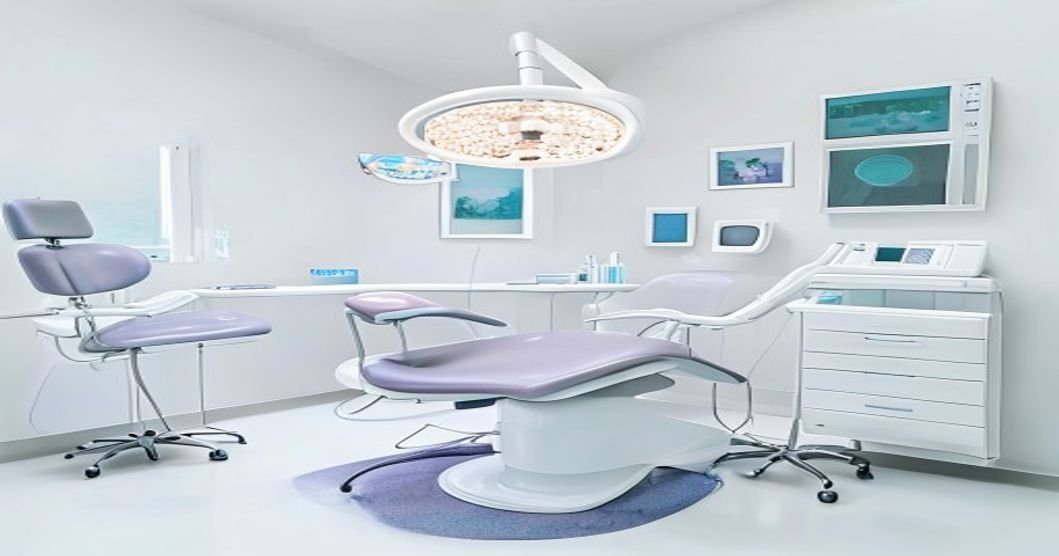
Discover how fluoride treatment strengthens enamel and prevents cavities. Learn about the procedure, costs, and benefits in our complete 2026 guide.
Tooth decay is a universal challenge, but modern dentistry offers a powerful, proven defense. A professional Fluoride Treatment provides a concentrated dose of minerals that actively strengthens your tooth enamel. This essential service helps reverse early signs of decay and protects your smile from future cavities. While fluoride is naturally present in water and many foods, the amounts found in everyday sources are often not enough to combat high-risk environments in the mouth. Both children and adults can benefit significantly from this preventive care. Dentists frequently recommend it for patients with a history of cavities, dry mouth, or orthodontic appliances. Reading this comprehensive guide will give you a complete understanding of Fluoride Treatment. You will learn exactly how the procedure works, what it costs, and whether your dental insurance covers it. We will also explore the clinical benefits, potential risks, and what to expect during your recovery. By the end, you will know exactly how this simple intervention can safeguard your oral health for years to come.
| Topic | Key Point |
|---|---|
| Primary Purpose | Fluoride Treatment remineralizes weakened enamel and actively prevents new cavities from forming. |
| Ideal Candidates | Children, adults with dry mouth, high cavity risk, or those wearing orthodontic braces. |
| Procedure Time | The application is incredibly quick, taking only 2 to 5 minutes for a full mouth. |
| Longevity | The protective benefits last for several months, requiring repeat visits every 3, 6, or 12 months. |
| Average Cost | Without insurance, expect to pay between $20 and $60 per single application. |
| Insurance Coverage | Usually 100% covered for children under 16, while adult coverage varies significantly by plan. |
| Maintenance | Patients must wait at least 30 minutes before eating or drinking after the application. |
| Safety Profile | Extremely safe when applied professionally and effectively prevents costly systemic dental issues. |
Fluoride Treatment involves the application of a highly concentrated mineral directly to the teeth. This mineral, fluoride, is a natural element found in water, soil, and various foods. In a professional dental setting, it is applied as a gel, foam, or varnish. The primary goal is to strengthen the tooth enamel, which is the hard, outer layer of your teeth. To understand why this is necessary, you have to look at how cavities form. Your mouth is full of bacteria that constantly feed on sugars and starches from your diet. As these bacteria digest food, they produce acids. These acids attack the enamel, stripping away essential minerals like calcium and phosphate in a process called demineralization. Fluoride Treatment reverses this process. When applied professionally, the fluoride ions integrate into the tooth structure. They combine with calcium and phosphate to create a new, stronger mineral compound called fluorapatite. This new surface is highly resistant to future acid attacks. The treatment fits perfectly into a comprehensive preventive oral health care routine. Dentists often apply it at the very end of a routine cleaning appointment. While daily brushing with fluoride toothpaste provides a low-level defense, a professional Fluoride Treatment delivers a much higher concentration of the mineral. This concentrated dose acts like a deep-conditioning treatment for your teeth, providing a massive boost to their structural integrity. It is important to note that while it prevents decay, it cannot cure an existing cavity. Once a cavity has formed a physical hole in the tooth, a dental filling is required. Fluoride is strictly a preventive and early-intervention measure.
You might not feel any pain, but certain conditions indicate you are a prime candidate for extra enamel protection. Here are the most common signs and scenarios.
If you have a history of frequent cavities, your dentist will likely recommend regular applications. Past decay is a strong indicator of future risk. A professional Fluoride Treatment helps break this cycle by fortifying your enamel against the specific bacteria in your mouth.
Saliva is your mouth’s natural defense mechanism. It washes away food particles and neutralizes harmful acids. If you suffer from dry mouth due to medications, aging, or medical conditions, your teeth are highly vulnerable. Fluoride helps compensate for the lack of protective saliva by directly strengthening the enamel.
Braces, retainers, and other orthodontic hardware create countless tiny hiding spots for plaque and food. Cleaning around brackets is notoriously difficult. Applying fluoride ensures that the enamel surrounding your appliances remains strong and resistant to the white spot lesions that often form during orthodontic treatment.
During an exam, a dentist might spot chalky white spots on your teeth. This indicates early enamel demineralization, right before a cavity forms. A targeted Fluoride Treatment can halt the progression of these spots and encourage the tooth to remineralize naturally.
If you notice any of these signs, schedule a routine evaluation. This does not require an emergency visit. However, if you experience sudden, sharp tooth sensitivity to hot or cold, or lingering pain when biting down, call your dentist promptly. These could indicate an active cavity or nerve issue that requires a filling or other restorative work.
Getting a Fluoride Treatment is one of the simplest and fastest procedures in dentistry. There is no drilling, and absolutely no numbing or anesthesia is required. Here is exactly what happens from start to finish.
The entire application process typically takes just 2 to 5 minutes. You can return to your normal activities immediately, though you must follow the specific eating and drinking restrictions provided by your dentist to ensure the treatment is fully effective.
Like any dental procedure, it is important to weigh the advantages against the potential drawbacks. Fortunately, Fluoride Treatment has an overwhelmingly positive safety and efficacy profile.
The cost of Fluoride Treatment is highly affordable, especially when compared to the cost of restorative dental work. Below is a breakdown of typical out-of-pocket expenses in the United States for 2025.
| Item / Service | Average Cost (no insurance) | Typical Insurance Coverage | Notes |
|---|---|---|---|
| Comprehensive Exam | $75 – $150 | 80% – 100% | Required to assess cavity risk before application. |
| Bitewing X-rays | $25 – $250 | 80% – 100% | Needed to check for hidden decay between teeth. |
| Fluoride Varnish (per app) | $20 – $45 | 80% – 100% (kids) | Most common type for kids and adults. |
| Fluoride Gel/Foam (per app) | $25 – $60 | 80% – 100% (kids) | Often used for older kids and adults. |
| Prescription Fluoride Rinse | $15 – $30 | 0% – 50% | Take-home product for high-risk patients. |
| Custom Fluoride Trays | $50 – $150 | 0% – 50% | For at-home daily or weekly use. |
| Follow-up Evaluation | $0 – $50 | 100% | Often bundled into routine cleaning visit. |
| Typical Total (Single Visit) | $45 – $105 | Varies | Estimated total without exam or x-ray fees. |
Several factors cause cost variations across the country. Geography plays a major role; urban centers and coastal cities generally charge more than rural areas. The provider specialty also affects the price; pediatric dentists may charge slightly more due to specialized behavioral management techniques. Additionally, the type of fluoride used impacts the final bill, as prescription-strength varnishes or custom take-home trays cost more than standard in-office gel applications. Finally, the complexity of the case, such as a patient requiring extensive full-mouth desensitization, can add to the overall fee.
Because Fluoride Treatment is a highly effective preventive measure, most dental insurance plans offer excellent coverage for it, particularly for children. The specific ADA procedure codes for this treatment are D1206 (topical fluoride application – varnish) and D1208 (topical fluoride application – excluding varnish). When your dentist submits a claim, they will use these codes to bill your insurance provider. Coverage largely depends on your plan type and the patient’s age. PPO (Preferred Provider Organization) and indemnity plans typically cover 80% to 100% of the cost for children under 16. HMO (Health Maintenance Organization) plans often cover the procedure fully with a small copay. However, coverage for adults is much less consistent. Many plans exclude fluoride treatments for patients over 18, or they only cover it if the patient has a documented high risk of decay or specific medical conditions like dry mouth. Most plans do not have a waiting period for preventive care like fluoride, but it is always wise to check your specific policy. If you are unsure about your coverage, ask your dental office to submit a predetermination of benefits. This is a request sent to your insurance company before the procedure to confirm exactly what they will pay and what your out-of-pocket cost will be. If you do not have dental insurance, there are still affordable options. Dental schools often offer fluoride applications at a fraction of the private practice cost. You can also look into dental discount plans, which provide 20% to 50% off standard fees. Finally, most dental offices offer in-house payment plans or accept third-party medical credit cards to help spread the cost.
While Fluoride Treatment is the gold standard for preventing cavities, it is not the only option. Depending on your specific dental health, your dentist might recommend one of these alternatives.
Sealants are physical plastic coatings painted onto the deep grooves of back teeth. They are preferred for children with newly erupted molars or anyone with deep pits and fissures. They cost about $30 to $75 per tooth. The key tradeoff is that sealants provide a physical barrier but do not chemically strengthen the entire tooth surface like fluoride does.
SDF is a liquid applied directly to active cavities to stop them from progressing. It is preferred for patients with special needs, severe dental anxiety, or very young children who cannot tolerate drilling. It costs about $75 to $150 per quadrant. The major tradeoff is that SDF permanently stains the treated decay area black, which is highly unesthetic.
This is a take-home alternative that uses the same mineral found in natural tooth enamel to remineralize teeth. It is preferred for patients who want to avoid fluoride entirely due to personal preference or mild sensitivities. It costs about $10 to $25 per tube. The tradeoff is that it lacks the decades of extensive clinical research and ADA endorsement that professional fluoride treatments have.
MI Paste contains casein phosphopeptide-amorphous calcium phosphate, derived from milk proteins, to deliver calcium and phosphate to the teeth. It is preferred for patients with severe dry mouth, acid erosion, or white spot lesions from braces. It costs about $15 to $30 per tube. The tradeoff is that it is not suitable for patients with milk protein allergies and is generally less potent than professional fluoride varnish.
One of the best aspects of a Fluoride Treatment is that there is virtually no recovery time. However, following a few simple aftercare guidelines will ensure the minerals fully absorb and provide maximum protection.
If you received a fluoride varnish, do not brush or floss for the rest of the day. Avoid eating for at least 30 minutes, and stick to soft, cool foods. Avoid hot beverages and alcohol, as they can break down the varnish before it fully absorbs. If you had a gel or foam, you can usually brush after 30 minutes, but avoid eating or drinking anything for that initial half-hour.
After the first day, you can return to your normal diet and oral hygiene routine. Brush twice a day with a soft-bristled toothbrush and fluoride toothpaste. Floss daily to remove plaque from between the teeth. You may notice your teeth feel slightly smoother or look a bit dull if varnish was used; this is completely normal and will fade after your next brushing.
To protect the results of your Fluoride Treatment long-term, maintain excellent oral hygiene and attend your regular dental checkups every six months. Your dentist will reapply the fluoride at these visits based on your cavity risk. Limit your intake of sugary and acidic foods, as they constantly attack the enamel and undo the benefits of the treatment.
Call your dentist immediately if you experience any of the following:
Choosing the right dental professional ensures a comfortable experience and a high-quality result. Here are the most important factors to consider when selecting a provider.
When you go in for your consultation, ask these specific questions:
The frequency of your Fluoride Treatment depends entirely on your individual risk for tooth decay. If you have excellent oral health and a low risk of cavities, your dentist may recommend it every six months or once a year during your routine cleaning. However, if you are at high risk due to dry mouth, frequent cavities, or orthodontic appliances, your dentist might recommend applications every three months. Always follow your dentist’s specific recommendation based on your clinical exam.
Yes, professional Fluoride Treatment is extremely safe for children and is highly recommended by the American Dental Association. The amount of fluoride used is carefully controlled and perfectly safe for kids. Dentists often use fluoride varnish for toddlers and young children because it sets quickly and minimizes the chance of the child swallowing it. The proven benefit of preventing painful cavities and protecting developing teeth far outweighs any theoretical risks associated with the mineral.
No, you should not eat or drink immediately after a Fluoride Treatment. For the best results, you must wait at least 30 minutes before consuming anything. If your dentist applied a fluoride varnish, they will likely instruct you to avoid eating or drinking for the rest of the day, or at least until the next morning. This waiting period allows the concentrated minerals to fully absorb into the enamel and provide maximum strengthening benefits.
No, a Fluoride Treatment is not a teeth-whitening procedure. Its sole purpose is to strengthen the enamel and prevent tooth decay. While your teeth might feel smoother or look slightly shinier immediately after a professional cleaning and fluoride application, the fluoride itself does not change the color of your teeth. If you are looking to brighten your smile, you will need to ask your dentist about dedicated cosmetic whitening treatments, which use different chemical agents like hydrogen peroxide.
Both are forms of Fluoride Treatment, but they are applied differently. Fluoride varnish is painted directly onto the teeth with a small brush. It hardens quickly upon contact with saliva, making it ideal for young children or patients with a strong gag reflex. Fluoride gel or foam is placed into a tray that you bite down on for a few minutes. Varnish stays on the tooth longer, providing a sustained release of minerals, while gel is rinsed off immediately after the application time.
Coverage for adult Fluoride Treatment varies significantly by insurance plan. Most plans cover it at 80% to 100% for children under 16. For adults, many standard plans consider it an exclusion. However, some plans will cover it for adults if the dentist documents a high risk of decay, severe dry mouth, or if the patient has orthodontic braces. Always check your specific policy or ask your dental office to run a predetermination of benefits to confirm your exact coverage.
While fluoride toothpaste is excellent for daily maintenance, it cannot replace a professional Fluoride Treatment. Over-the-counter toothpaste contains a much lower concentration of fluoride (usually around 1,000 to 1,500 parts per million). Professional dental varnishes and gels contain up to 22,600 parts per million. This massive difference in concentration means the professional treatment provides a deep, intensive remineralization that daily brushing simply cannot achieve, especially for patients at high risk for cavities.
Fluoride Treatment is a simple, painless, and highly effective way to protect your teeth from decay and strengthen your enamel. By remineralizing the tooth surface and creating a stronger, acid-resistant shield, it prevents cavities before they even start. The procedure is quick, affordable, and covered by most dental insurance plans for children, with varying options available for adults. If you have a history of cavities, dry mouth, or orthodontic appliances, do not wait for decay to set in. Schedule a consultation with a licensed dentist today to see if this preventive treatment is right for you. Early intervention is always less expensive, less invasive, and more effective than waiting to treat a cavity after it forms.